







Fuel prices seen rising for fourth straight week


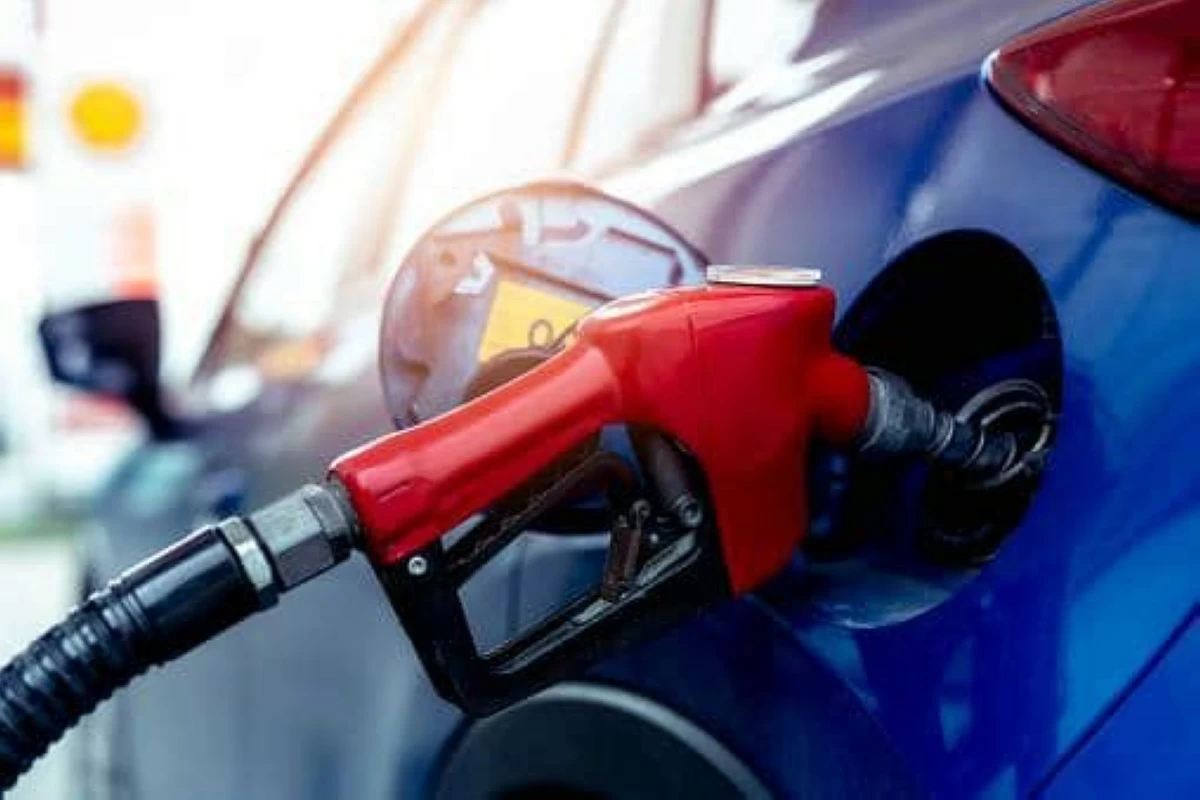
Motorists will need to ease off the gas pedal once more, as oil price hikes are expected for the fourth time this month.
Based on four-day Mean of Platts Singapore (MOPS) trading and foreign exchange (forex) averages, diesel prices may climb by around ₱6 to ₱6.50 per liter, while gasoline prices could jump by ₱5.50 to ₱6 per liter.
The Department of Energy (DOE) will announce the final price adjustments on Monday, July 27, while oil companies will implement the weekly changes starting Tuesday, July 28.
Domestic fuel prices remain elevated, primarily due to supply disruptions caused by continued tensions in the Middle East. An industry expert said the Strait of Hormuz—a key maritime chokepoint for crude oil and petroleum shipments to Asia—has been closed to maritime traffic, while the Bab el-Mandeb Strait, a vital route connecting the Red Sea and the Gulf of Aden, is also facing heightened security risks.
“As the gulf is a major source of diesel and tanker flows were only beginning to recover before hostilities flared again, renewed military strikes and a reciprocal blockade of the Strait of Hormuz by the United States (US) and Iran have raised fresh supply concerns,” the source said, noting that the renewed supply risks are expected to be reflected in diesel price benchmarks.
Apart from diesel, global gasoline supply has tightened as the market has seen increased demand, leaving inventories struggling to keep pace.
“Despite easing in Chinese export restrictions and rise in prompt supply from China, renewed risk of supply disruptions and lingering concerns about the delayed recovery of Middle Eastern gasoline exports have helped buoy gasoline prices further,” the source noted.
Energy Secretary Sharon Garin said that despite the country being under a state of national energy emergency, the DOE would not overextend its authority to control fuel prices, especially since the oil industry continues to operate under the Oil Industry Deregulation Law, which provides that market forces and global trading prices—not government price caps—determine retail pump prices.
“If the Congress and Senate change it, then there will be a new direction… [Right now] it’s normal that prices are high, so maybe they need to revisit not just on the oil itself, but also how to use the oil,” the DOE chief said, citing the need to manage the country’s fuel inventory and assist the public transport sector amid price volatility.
Garin assured that there are several options to pursue an expanded oil stockpiling system, apart from the DOE’s early-stage partnership with sovereign wealth fund (SWF) manager Maharlika Investment Corp. (MIC). These include the possibility of state-run Philippine National Oil Co. (PNOC) building a small-scale inventory or partnering with the private sector and international investors. Currently, the agency has partnered with Japan’s Ministry of Economy, Trade, and Industry (METI) to develop a national stockpile, as well as an Association of Southeast Asian Nations (ASEAN)-wide joint stockpiling framework, while local agencies and MIC are working on the strategic petroleum reserve (SPR) program.