







DOE expands hydrogen exploration with US firm Koloma


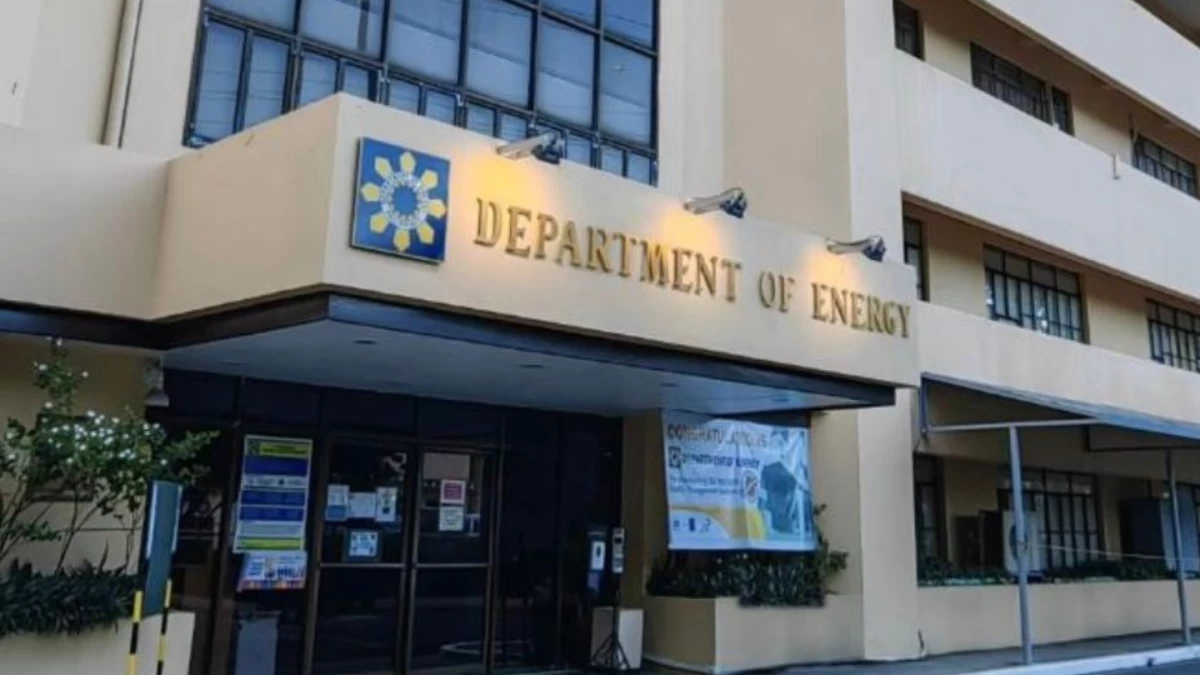
The Department of Energy (DOE) announced the expansion of its hydrogen exploration program after Colorado-based energy firm Koloma Inc. secured exclusive rights to pursue additional studies in Zambales province.
In a statement on Friday, July 24, the DOE said President Ferdinand R. Marcos Jr. signed Service Contract (SC) No. 92, granting Koloma its third natural hydrogen contract to explore additional indigenous energy resources.
The contract expands the company’s exploration area to 4,100 square kilometers (sqkm) across Central Luzon region, including Zambales. The move comes after Koloma secured its first two contracts in October 2025 during the world’s first competitive bidding round for geologic hydrogen.
Energy Secretary Sharon Garin said the contract builds on the company’s ongoing surveys in the region as the country seeks to diversify its energy mix and reduce its reliance on imported fossil fuels.
“Expanding our indigenous energy resources remains central to our pursuit of a secure, reliable, and sustainable energy future,” Garin said, noting that confirmed deposits could provide a zero-emission fuel source for the local power sector.
Geologic hydrogen, often called “white hydrogen,” forms naturally underground. Unlike manufactured hydrogen, it requires no industrial processing, offering a potentially lower-cost and zero-carbon energy source if extracted in commercial quantities.
Geological surveys have identified Central Luzon as among the world’s most promising areas for naturally occurring hydrogen, positioning the Philippines as an early mover in the emerging sector.
Koloma chief executive officer (CEO) Pete Johnson lauded the partnership, calling the venture a “transformative opportunity” for the country’s energy security and economy.
The US firm began two-dimensional seismic testing under its earlier contracts earlier this month, deploying advanced geoscience and proprietary tracking technology to map subsurface geological structures and assess potential native hydrogen-bearing formations in Bugallon town, Pangasinan province, and parts of Zambales.
The DOE said it will continue promoting foreign investments in innovative clean energy technologies to help ensure affordable and resilient energy for future generations. - Gabriell Christel Galang