







BARMM poverty incidence drops to 23% in 2023
Published Jul 24, 2026 11:11 am


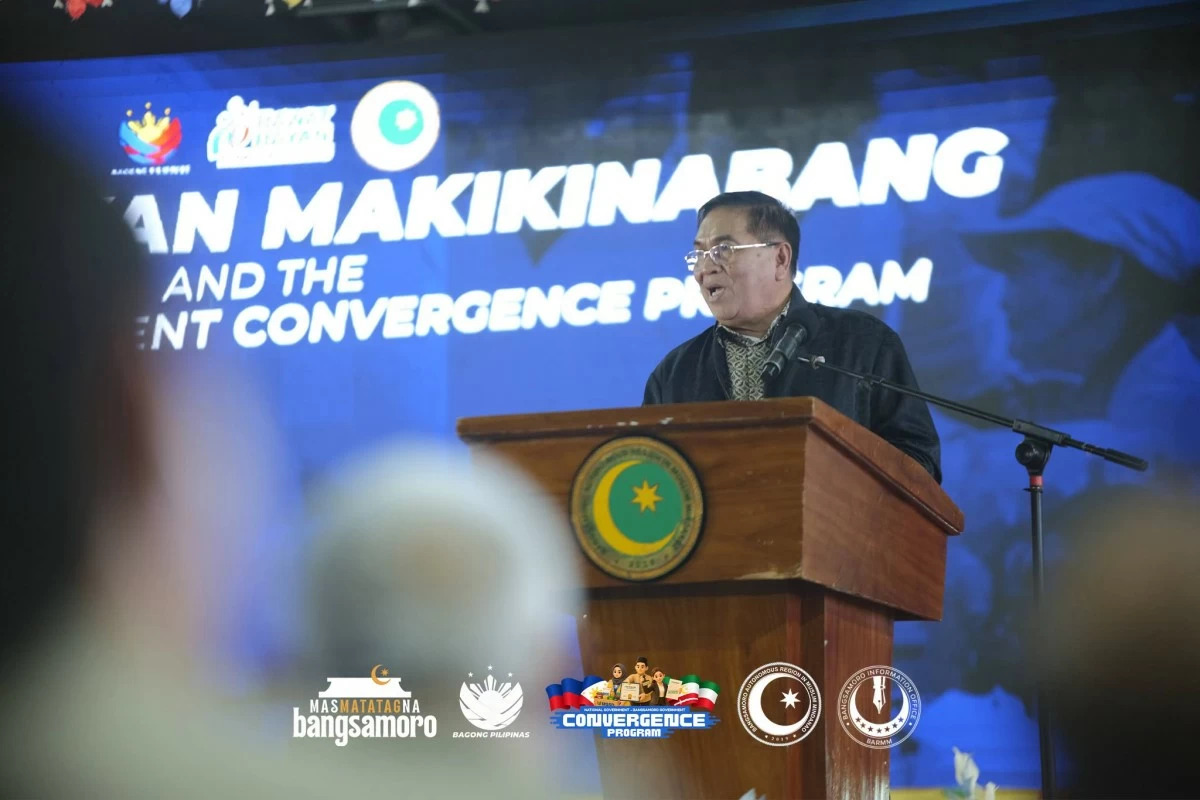
MACACUA (FB)
DAVAO CITY – Poverty incidence among families in the Bangsamoro Autonomous Region in Muslim Mindanao (BARMM) appears to be in a continuing downward trajectory as it declined from 28 percent in 2021 to 23.5 percent in 2023, according to a report from the Philippine Statistics Authority (PSA).
The decline has been attributed to the continuing expansion of economic opportunities across the region as the Bangsamoro Transition Authority (BTA) underscores the improvement in socio-economic indicators that translates to improved quality of life for the Bangsamoro people.
BARMM Chief Minister Abdulraof Macacua emphasized that the establishment of the BTA was never simply about establishing a new government.
“It has always been about building institutions capable of delivering meaningful and lasting change for the Bangsamoro people. While we recognize that much work remains, these developments encourage us to continue pursuing reforms that promote peace, good governance, and inclusive growth," Macacua said.
Since the establishment of BARMM in 2019, the transition government has enacted several foundational regional laws and established ministries and governance systems designed to improve public service delivery and institutional accountability.
Among the key legislations of the BTA are the enactment of the Bangsamoro Administrative Code, Local Governance Code, Civil Service Code, Electoral Code, and Education Code.
Lawyer Kitem Duque Kadatuan Jr., Member of Parliament and Chairperson of the Committee on Finance, Budget, and Management, attributed the decline of the poverty incidence in the region to responsible fiscal management and institution-building.
Kadatuan said that building a new government requires more than passing laws. “It requires institutions that are transparent, accountable, and capable of delivering services that improve people's lives.”
To sustain the development, Kadatuan said it will require continued investments in education, healthcare, agriculture, infrastructure, livelihood, and job creation to ensure that economic gains reach more communities throughout the region.
He emphasized the value of strengthening governance as it remains central to BARMM's long-term development agenda.
Kadatuan said that the regional government’s ongoing efforts are focused on improving public institutions, promoting transparency, attracting investments, and expanding access to essential government services.
"Our responsibility does not end with building institutions. It continues with ensuring that every reform we pursue creates meaningful and lasting benefits for the Bangsamoro people," Kadatuan said.