






Manila Bulletin
 Business
Trade & Industry
Manila seeks US tariff exemption after launching forced-labor import crackdown
Business
Trade & Industry
Manila seeks US tariff exemption after launching forced-labor import crackdown
Business
Trade & Industry
Manila seeks US tariff exemption after launching forced-labor import crackdown
Manila seeks US tariff exemption after launching forced-labor import crackdown
Published Jul 23, 2026 08:21 pm


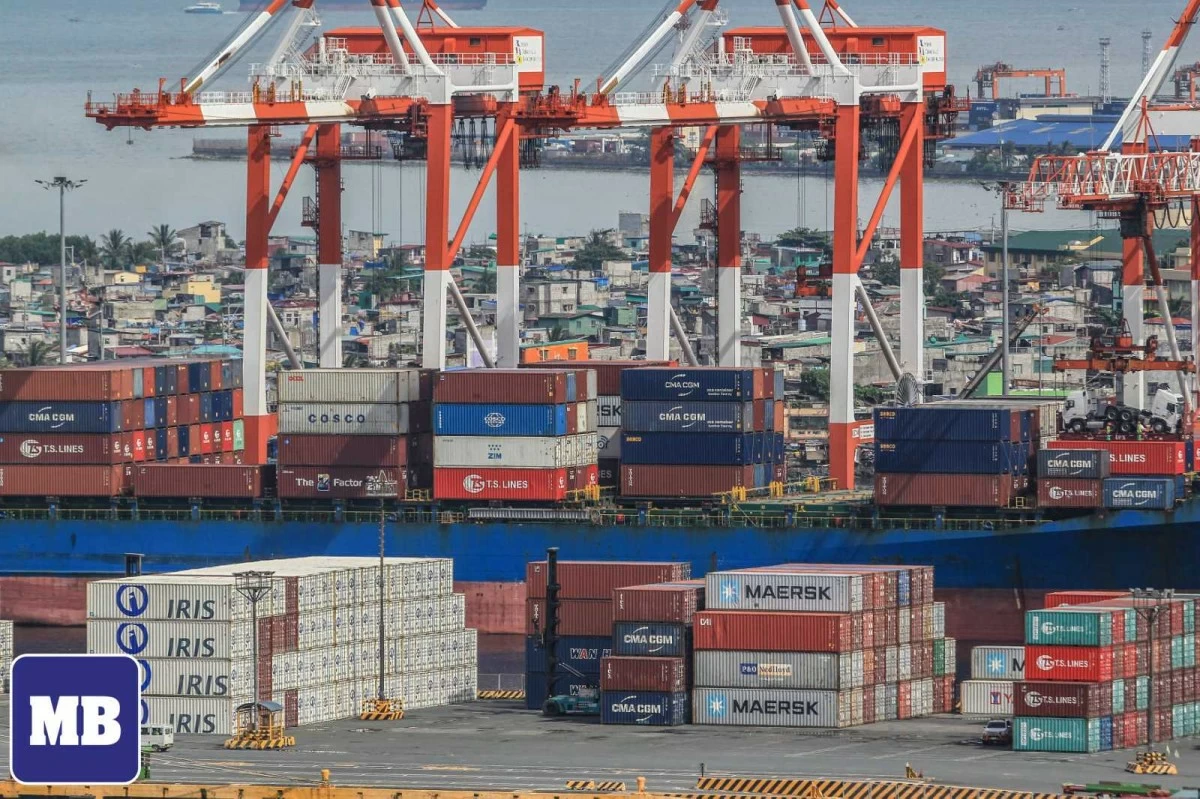
(Manila Bulletin file photo)
The Philippines expects the United States (US) to consider exempting its imports from the threat of a 12.5-percent tariff following the creation of an inter-agency body tasked with probing the alleged importation of goods produced with forced labor.
“It should be,” Department of Trade and Industry (DTI) Secretary Cristina Roque told reporters on Thursday, July 23, when asked if the Philippines expects the US to drop its tariff threat.
While she said it would be difficult to speculate on whether the US would exempt the Philippines, Roque said the joint committee reflects the government’s stance against imports produced with forced labor.
Through a joint administrative order (JAO), the government has formed an inter-agency panel that will investigate complaints related to imported goods suspected of having been produced with forced labor.
The committee is chaired by the DTI, with the Department of Labor and Employment (DOLE) serving as vice chair. Other members include the Department of Finance (DOF), Board of Investments (BOI), Philippine Economic Zone Authority (PEZA), and Bureau of Customs (BOC).
The BOC, in particular, will act on the committee’s findings and recommendations to implement measures banning the importation of goods proven to have been produced, wholly or in part, through forced labor.
In line with this, the Philippines also plans to coordinate with the private sector and other countries to strengthen its monitoring of products suspected of having been manufactured with forced labor.
Roque said this coordinated approach is the government’s response to support businesses that are disadvantaged by exploitative labor practices that create an artificial cost advantage.
“At the same time, this measure supports confidence in the Philippines as a reliable trading and investment partner,” she said.
The Office of the US Trade Representative (USTR) announced last month that it would impose tariffs ranging from 10 percent to 12.5 percent on 60 of the US’ trading partners for their alleged failure to enforce measures banning the entry of imports made with forced labor.
The Philippines was threatened with a higher tariff rate of 12.5 percent after the USTR found that it failed both to impose and effectively enforce a ban on imports made with forced labor.
Manila Bulletin earlier reported that the DTI had asked the USTR to exempt Philippine imports from the tariff, arguing that the country’s current trade policies have not been proven to facilitate shipments of goods produced through forced labor.
Since the Philippines has not yet implemented a specific statutory prohibition on the importation of such products, the DTI said the government would craft a JAO to address the US’ concerns.
With the creation of the inter-agency committee, DTI-Export Marketing Bureau (EMB) Director Bianca Sykimte said she hopes the US will view the Philippines’ actions “positively” as it considers a potential tariff imposition.
“Perhaps we can sit with the US again and see how this is received by the US government,” she said.
Following the submission of the DTI’s comments to the USTR, Trade Undersecretary and BOI Managing Head Ceferino Rodolfo said discussions with the US have been positive so far.
“We remain hopeful that eventually, whatever their tariff rate will be, we'll see that we don't have importation of forced labor and we have this regulation to tighten measures,” he told reporters.
Sykimte said the agencies comprising the joint committee are now working on the implementing rules and regulations (IRR) of the JAO, which will be released soon.