







What Kenya's conservancies can teach the Philippines
Published Jul 22, 2026 11:28 am


After a United Nations mission in Kenya, I spent several days with members of The Long Run, a global network of conservation organizations and destinations committed to advancing conservation, community, culture, and commerce. Through visits hosted by Safari Collection (Giraffe Manor), Borana Lodge, and Sirikoi, I had the rare opportunity to immerse myself in rhino and giraffe conservation, private conservancy governance, and some of the world's leading conservation tourism models.
Beyond unforgettable wildlife encounters and the opportunity to share Masungi Georeserve’s own experience, I returned home with five lessons that have stayed with me.
1. Conservation thrives on robust systems.
One of the most fascinating places I visited was not the savannah—it was the operations room.
Borana Conservancy and Lewa Wildlife Conservancy, neighboring private conservancies spanning more than 90,000 acres in central Kenya, have invested heavily in technology and operational excellence. Using EarthRanger and other real-time monitoring platforms, their teams monitor wildlife movements, ranger patrols, vehicles, visitor activity, fences, and security incidents across the landscape. Years of accumulated data help identify patterns, anticipate risks, reduce human-wildlife conflict, and guide daily operational decisions.
Standing before large digital maps displaying the movements of rhinos, elephants, patrol teams, and vehicles, I felt both inspired and, admittedly, a little envious. Conservation is often celebrated for its passion and courage, but what I saw reminded me that lasting conservation depends just as much on disciplined management, reliable data, and operational discipline.
I left hoping that one day we could bring the same level of operational excellence to more protected landscapes in the Philippines.
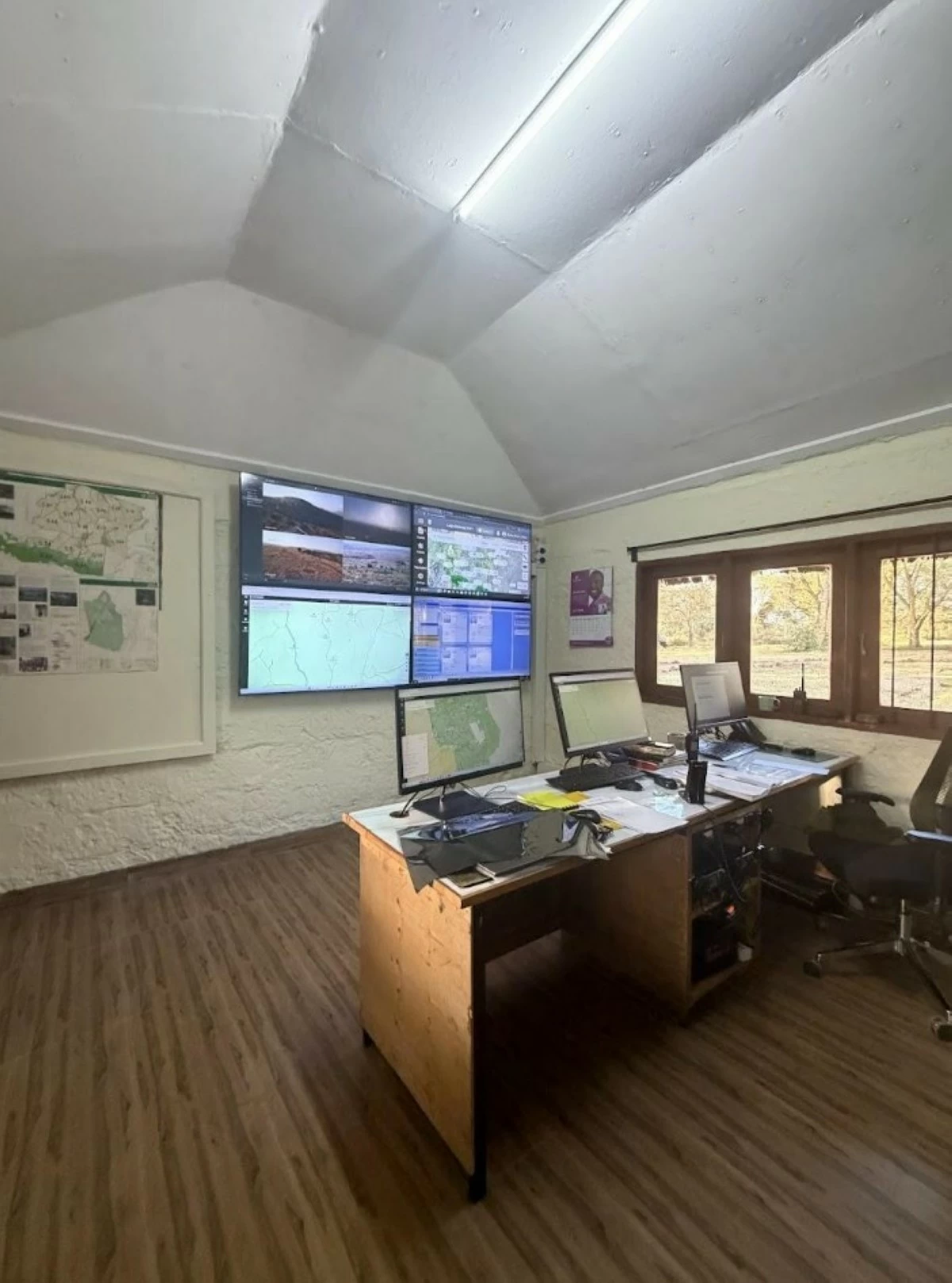
Operations room at Lewa Conservancy.
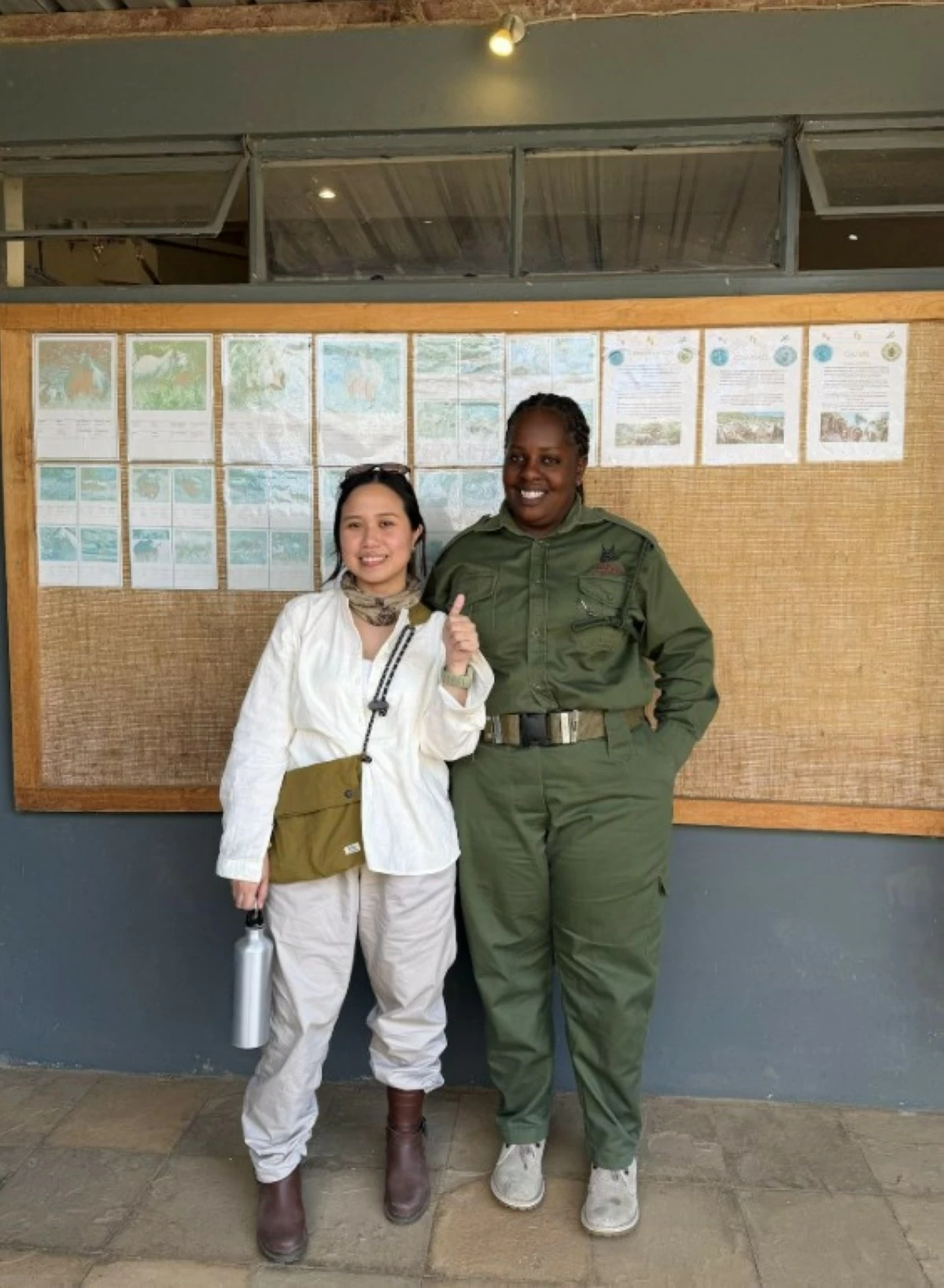
The author with Elizabeth, who manages the Borana Conservancy operations room.
2. Make it easy for people to contribute.
Not everyone has the opportunity to go on safari, plant a tree, volunteer in the field, or join an advocacy campaign. That doesn't mean they are unwilling to help.
One initiative that particularly impressed me was the Safari Collection's Menu of Giving. Instead of simply asking visitors to donate, it translated contributions into tangible outcomes. Donors could immediately see what their support would accomplish—whether purchasing a camera for a predator conservation project ($350), feeding an entire school for a month ($500), operating a conservation vehicle for a year ($2,000), or building a classroom ($12,000).
It was a simple but powerful reminder that people are more likely to participate when they understand exactly how their support makes a difference. Conservation organizations should make giving as accessible, transparent, and meaningful as possible. Every contribution, regardless of size, can become part of a much larger conservation effort.
3. Conservation requires innovative funding models.
Every successful conservation landscape needs a sustainable financial foundation.
Lewa Wildlife Conservancy, founded by conservation pioneers David and Delia Craig and their partners, sustains its work through a diversified mix of tourism, philanthropy, grants, and donor support. Borana Conservancy, led by the Dyer family across generations, has taken a different approach, showing how private land investment can be aligned with carefully managed tourism to finance conservation over the long term.
While their funding models differ, they share the same underlying philosophy: conservation cannot depend on a single source of income. Protecting nature is a multi-generational commitment sustained by financial models that are resilient, diversified, and capable of adapting to changing economic and political realities.
4. Education is conservation's greatest long-term investment.
Giraffe Manor is famous for the iconic photographs of giraffes peering through its windows, but what impressed me even more was the conservation work it supports through its longtime partner and next-door neighbor, the Giraffe Centre. Home to the endangered Rothschild's giraffe, the Centre has introduced generations of Kenyan schoolchildren to wildlife conservation while helping restore one of Africa's most threatened giraffe populations.
At Borana, I was equally impressed by the Mazingira Yetu education program and its learning center, where students, researchers, volunteers, and community members gather to learn about conservation and sustainable land management. At Sirikoi, even waste management became an opportunity for learning and innovation, transforming discarded glass into functional products through an extensive recycling initiative.
These experiences reinforced an important truth: conservation is not only about protecting wildlife today. It is equally about inspiring, educating, and equipping the next generation of conservation stewards.
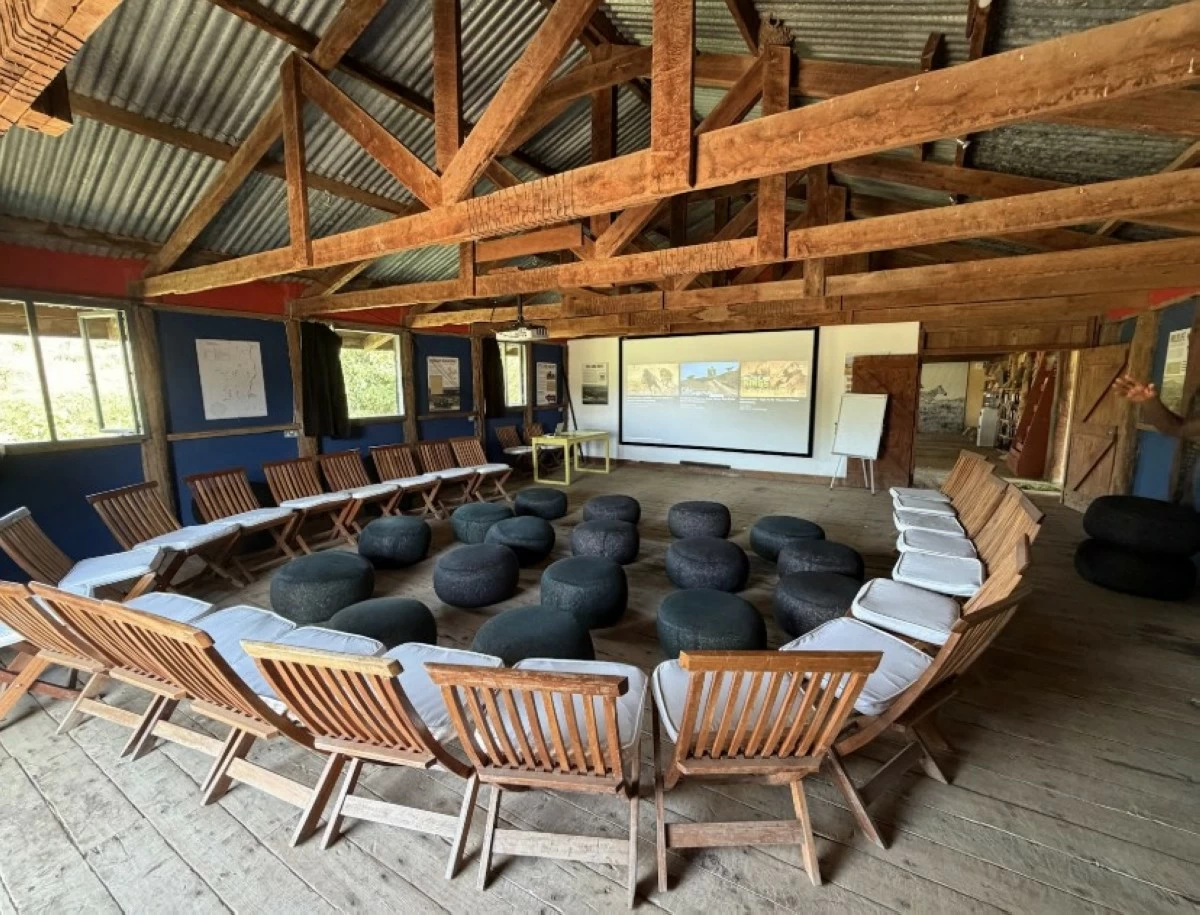
Borana’s Education Center serves as a venue for community meetings and learning sessions.
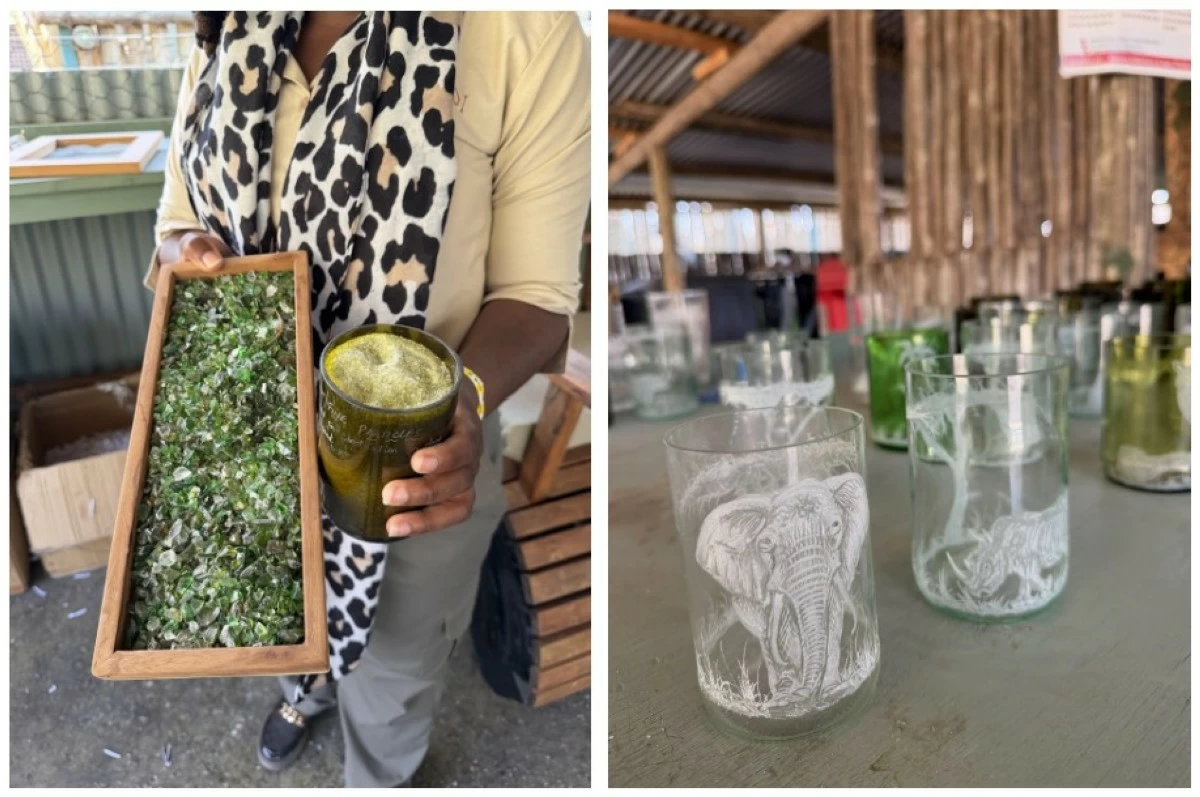
Sirikoi’s extensive glass recycling program transforms discarded wine bottles into unique and practical products.
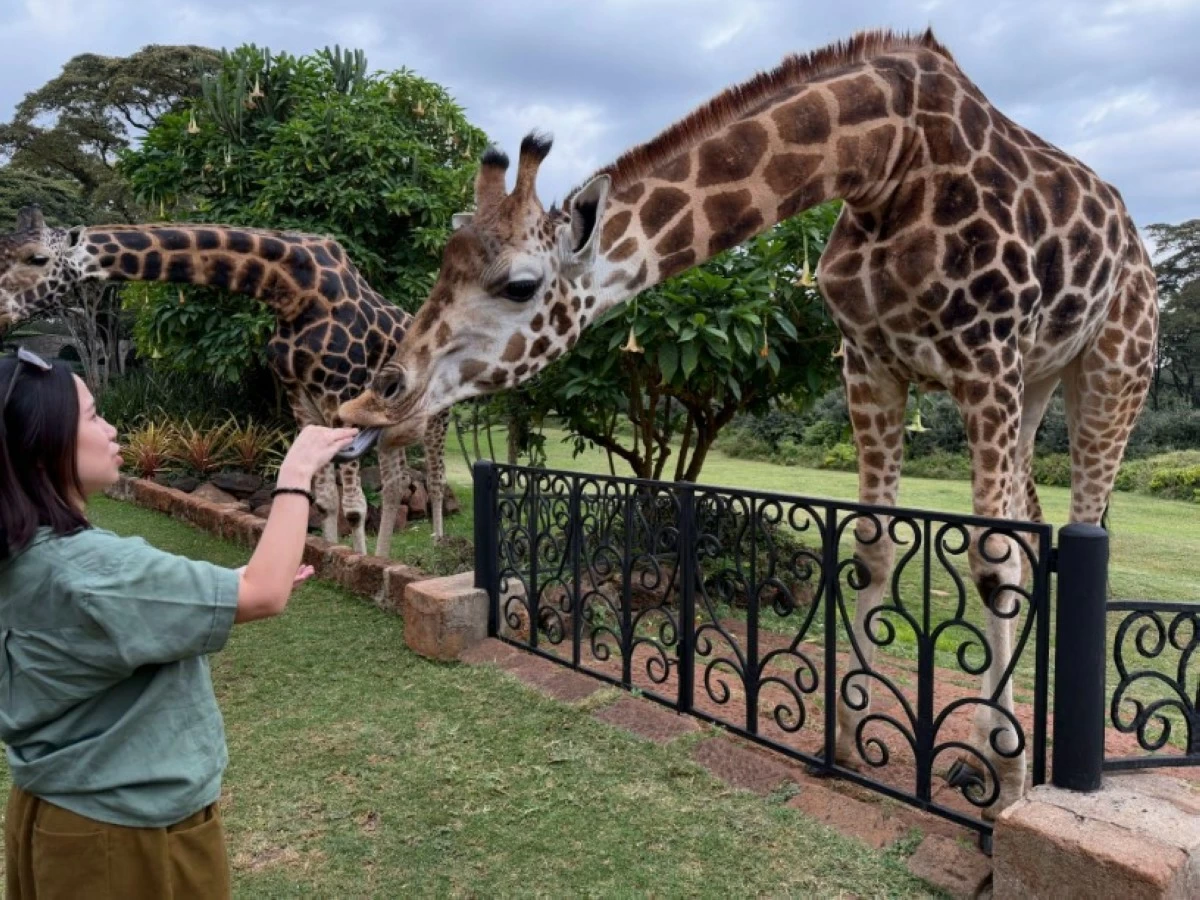
Rothschild’s giraffes from the conservation program visit Giraffe Manor twice daily.
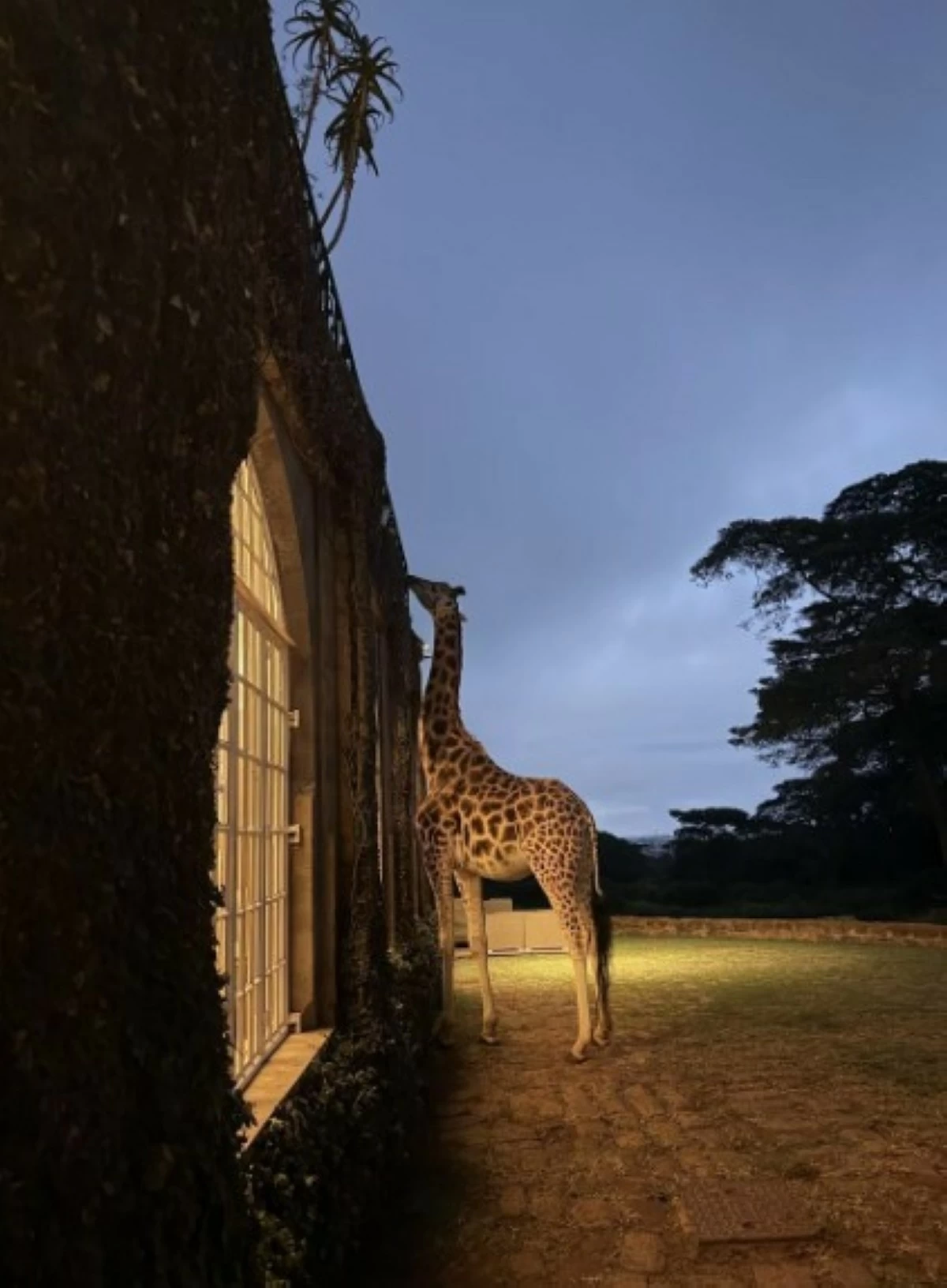
The Giraffe Centre has helped restore Rothschild's giraffe populations through breeding, education, and reintroduction programs.
5. Never let your guard down.
Perhaps the lesson I heard most often during my visit was also the simplest.
Despite decades of success protecting endangered rhinos and other wildlife, the teams at Borana and Lewa repeatedly emphasized that conservation demands constant vigilance. Rangers, scouts, guides, intelligence teams, and anti-poaching units patrol every day because success is never permanent. The moment you become complacent is the moment you risk losing what took decades to build.
That message resonated deeply with me.
As we drove through Lewa Conservancy, my guide from Sirikoi pointed out an intriguing interaction among the animals. Zebras, he explained, often wait for giraffes to move first because, from their lofty vantage point, giraffes can spot lions from much farther away, giving other animals an early warning of danger.
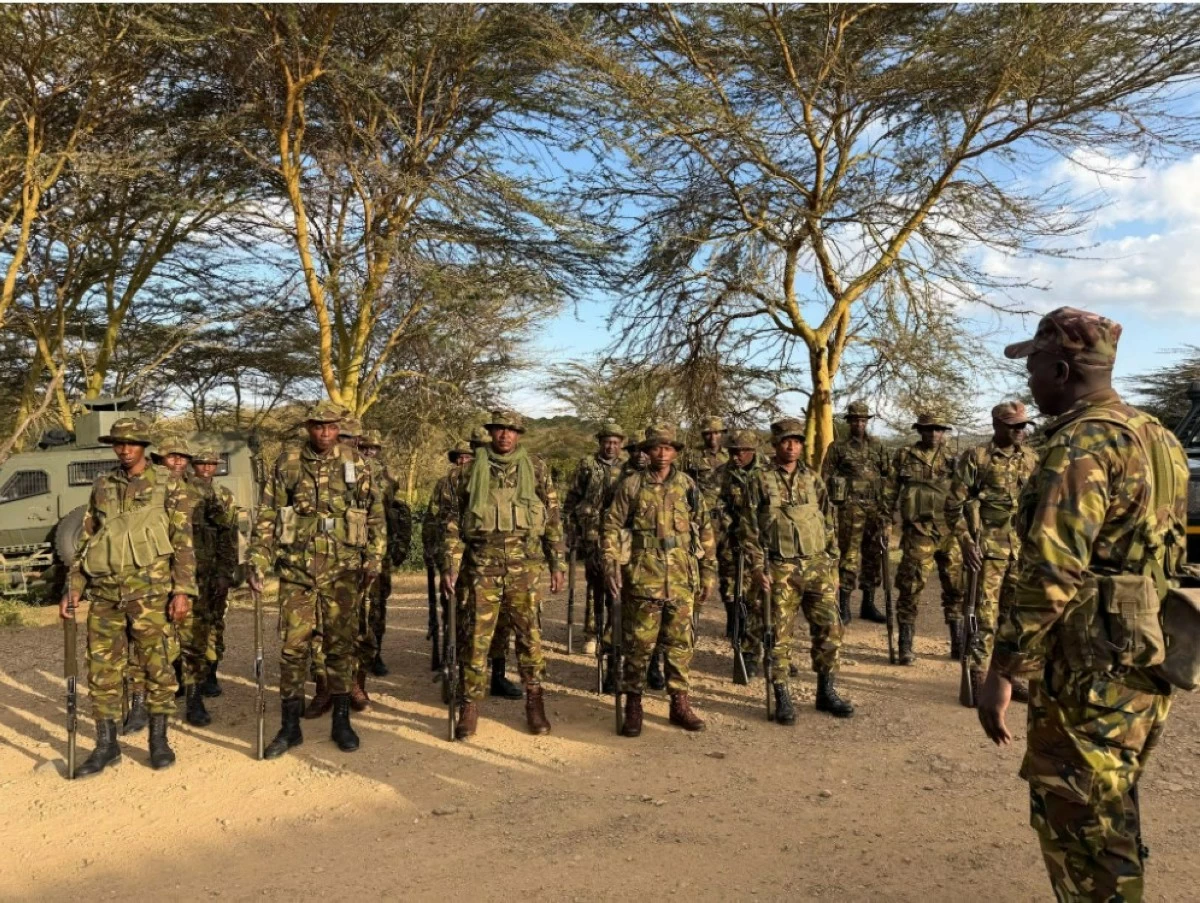
Anti-poaching ranger units patrol daily to protect endangered rhinos.
In many ways, Kenya's leading conservancies are the giraffes of conservation and tourism. They have spent decades refining systems, learning from experience, and demonstrating what is possible when conservation, community, culture, and commerce are brought together.
Working in conservation in the Philippines, I sometimes felt like one of those zebras—not because we lack our own strengths, but because there is wisdom in learning from those with a broader view of the landscape. Our circumstances are different, and not every solution can be transplanted wholesale. Yet there is tremendous value in observing what works, adapting those lessons to our own realities, and building something uniquely Filipino.
The goal is not to recreate Kenya or Africa. It is to build a model of conservation and tourism that reflects our own landscapes, cultures, and communities while drawing inspiration from global best practices.
There is always more to learn than any one landscape can teach us. By remaining open to new ideas, adapting what works, and building on our own strengths, we can create a uniquely Filipino model of conservation that future generations will be proud to inherit.
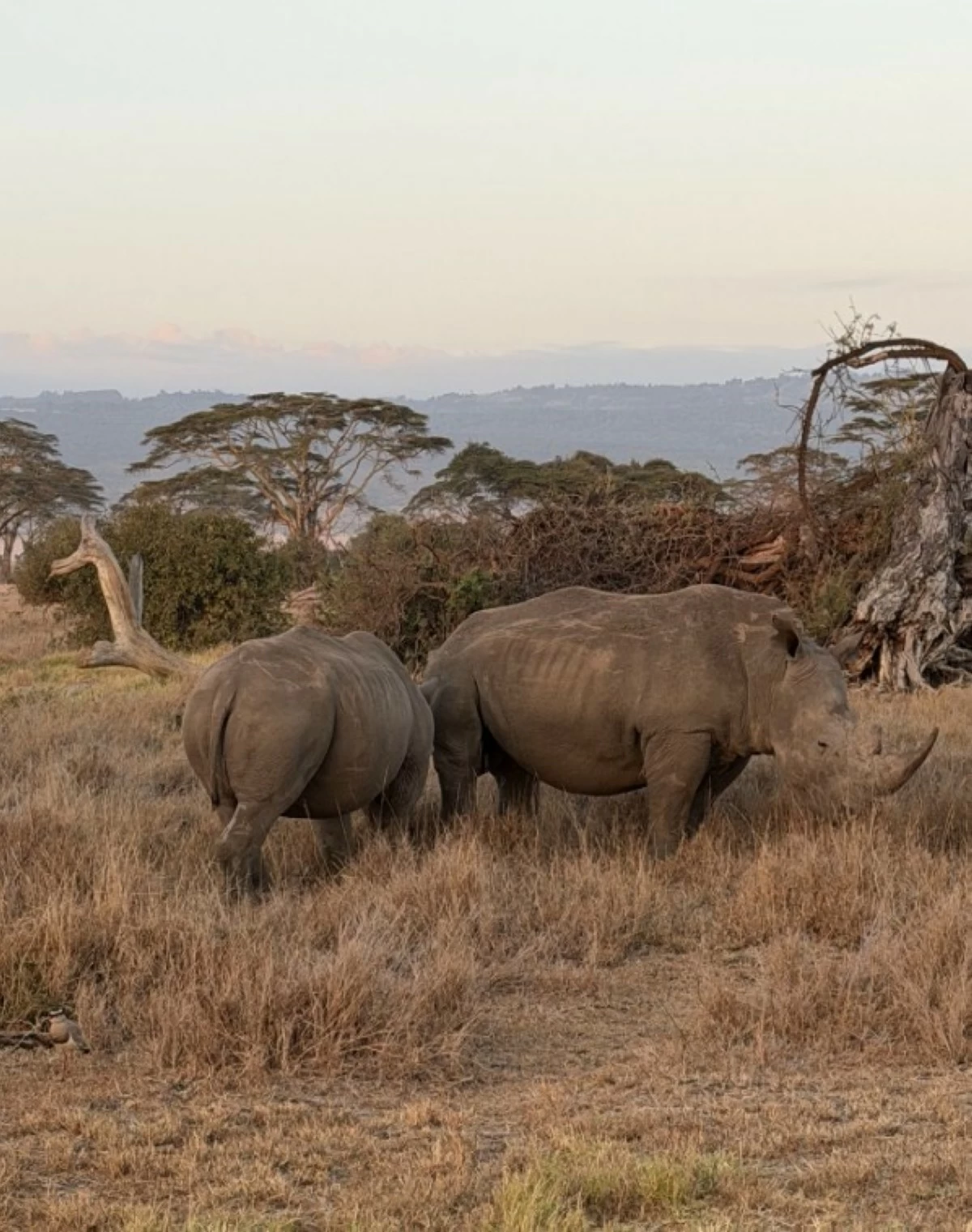
Borana Conservancy has recorded no rhino poaching incidents since 2014, reflecting the effectiveness of its ranger force and community-based conservation model.
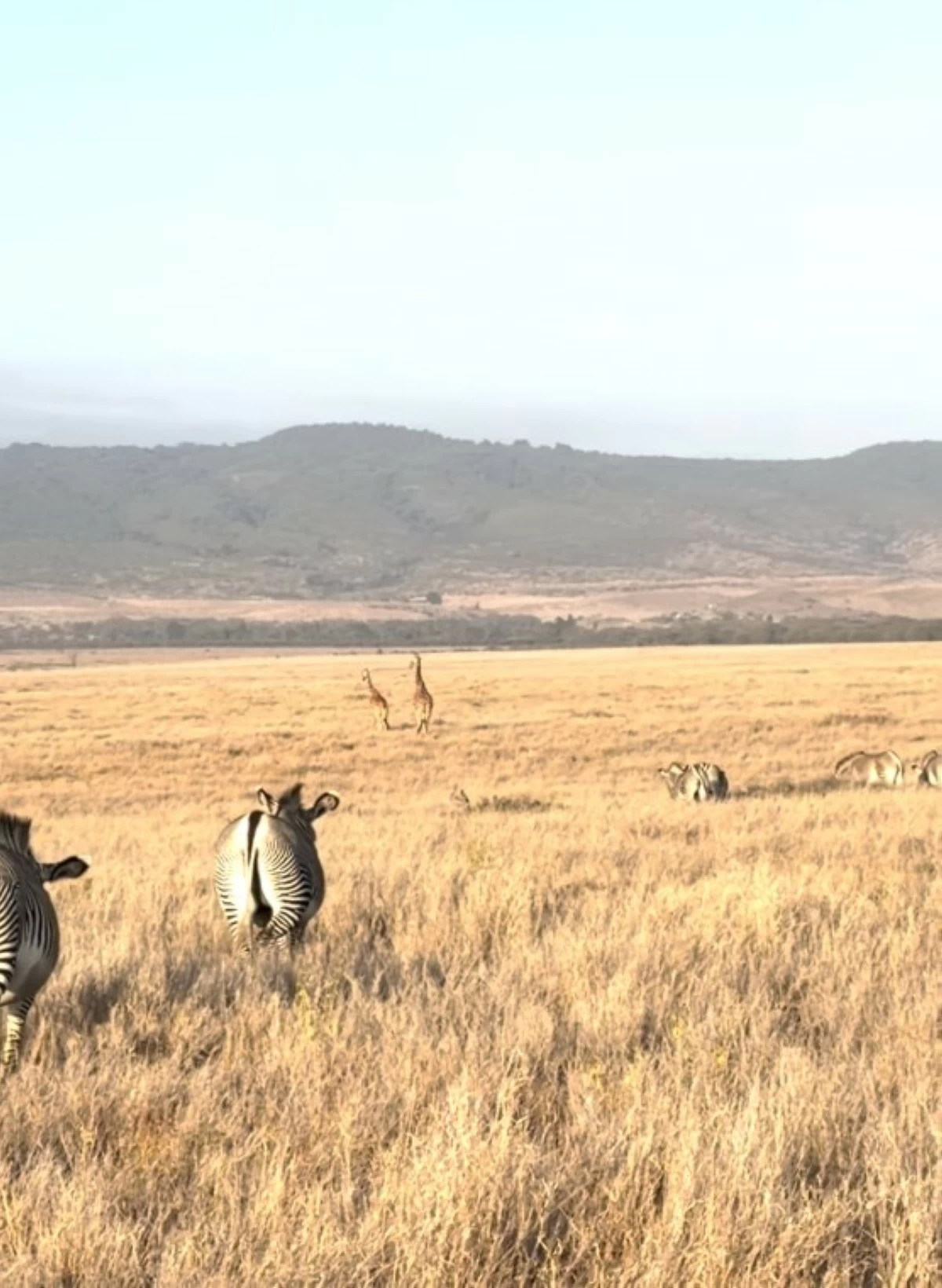
Zebras follow giraffes across the landscape, relying on their height to detect predators and provide an early warning of danger.
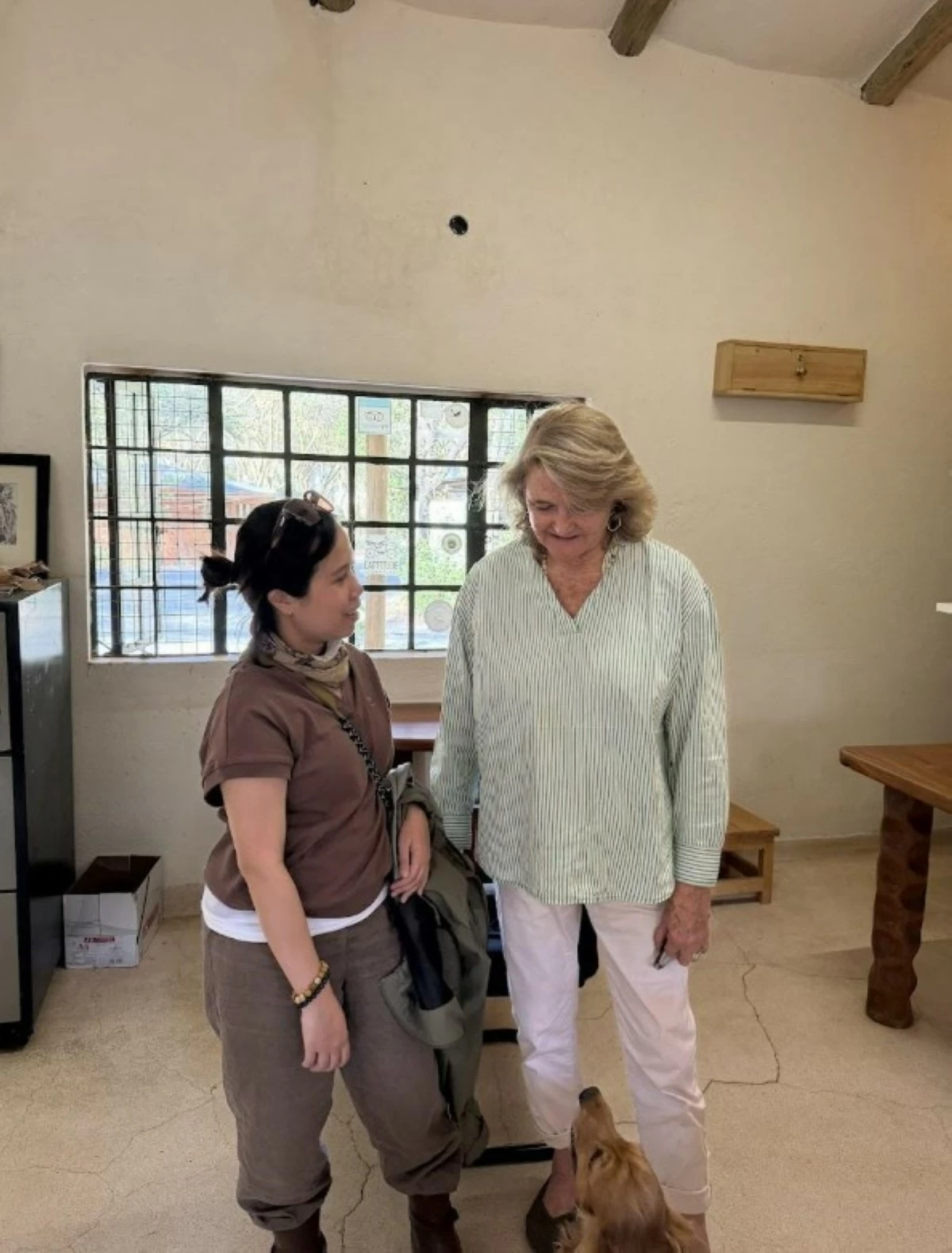
Sue Roberts (right) and her husband, Willie Roberts, founded Sirikoi Lodge in 2007, demonstrating how thoughtfully managed tourism can help support conservation.
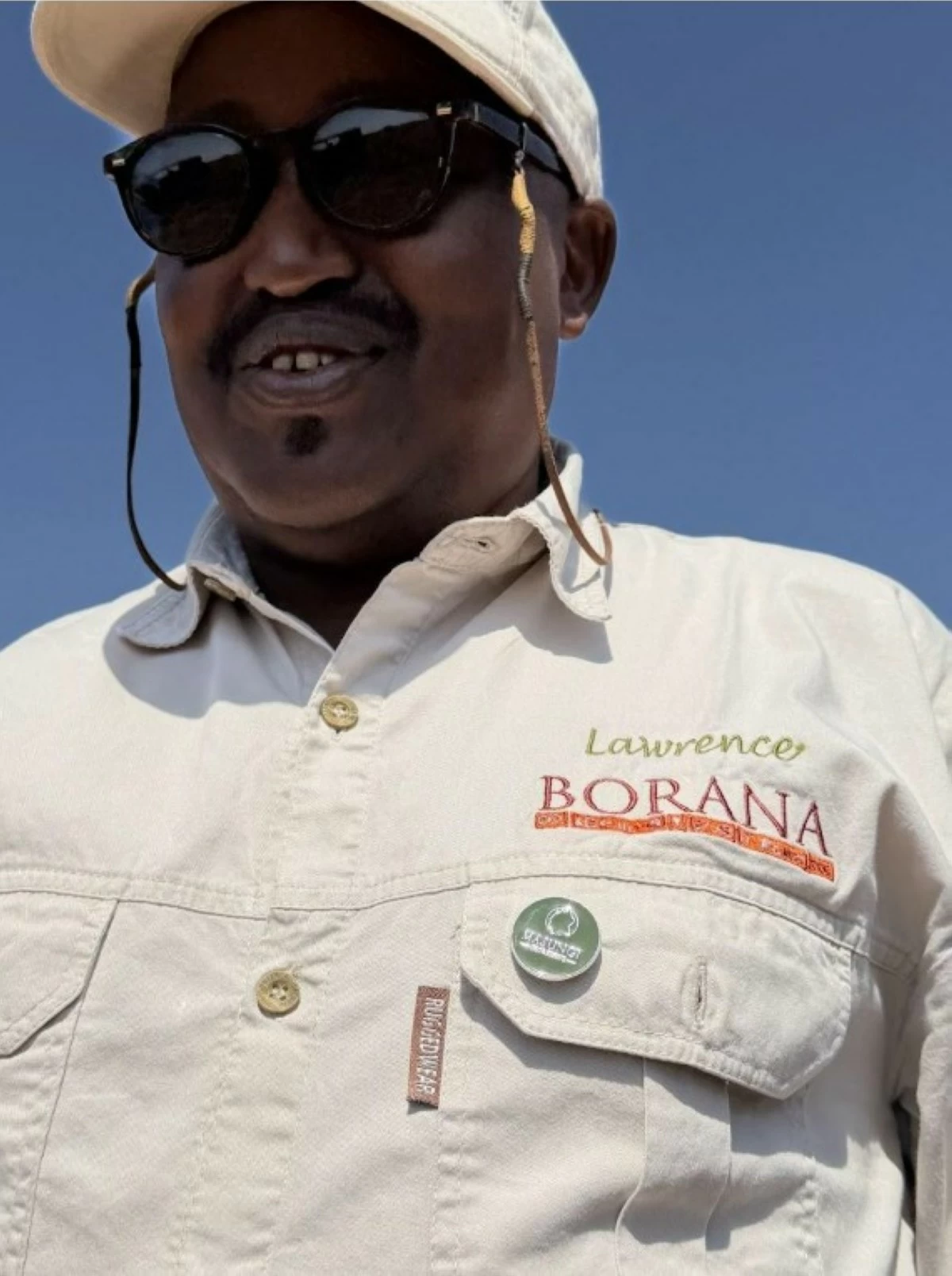
Lawrence, my guide at Borana Conservancy, shares a moment of birdwatching during one of our game drives.