






 Philippines
National
Threats to Strait of Hormuz endanger global trade, US remains open to diplomacy—Rubio
Philippines
National
Threats to Strait of Hormuz endanger global trade, US remains open to diplomacy—Rubio
Threats to Strait of Hormuz endanger global trade, US remains open to diplomacy—Rubio


At A Glance
- US Secretary of State Marco Rubio said Washington remains open to negotiations with Iran but warned it would protect its interests and allies if diplomacy fails.
- Rubio said attempts to control the Strait of Hormuz threaten freedom of navigation and could set a dangerous precedent for other regions, including Southeast Asia.
- ASEAN foreign ministers, meanwhile, called for restraint, an immediate cessation of hostilities, and the protection of freedom of navigation amid the escalating Middle East crisis.
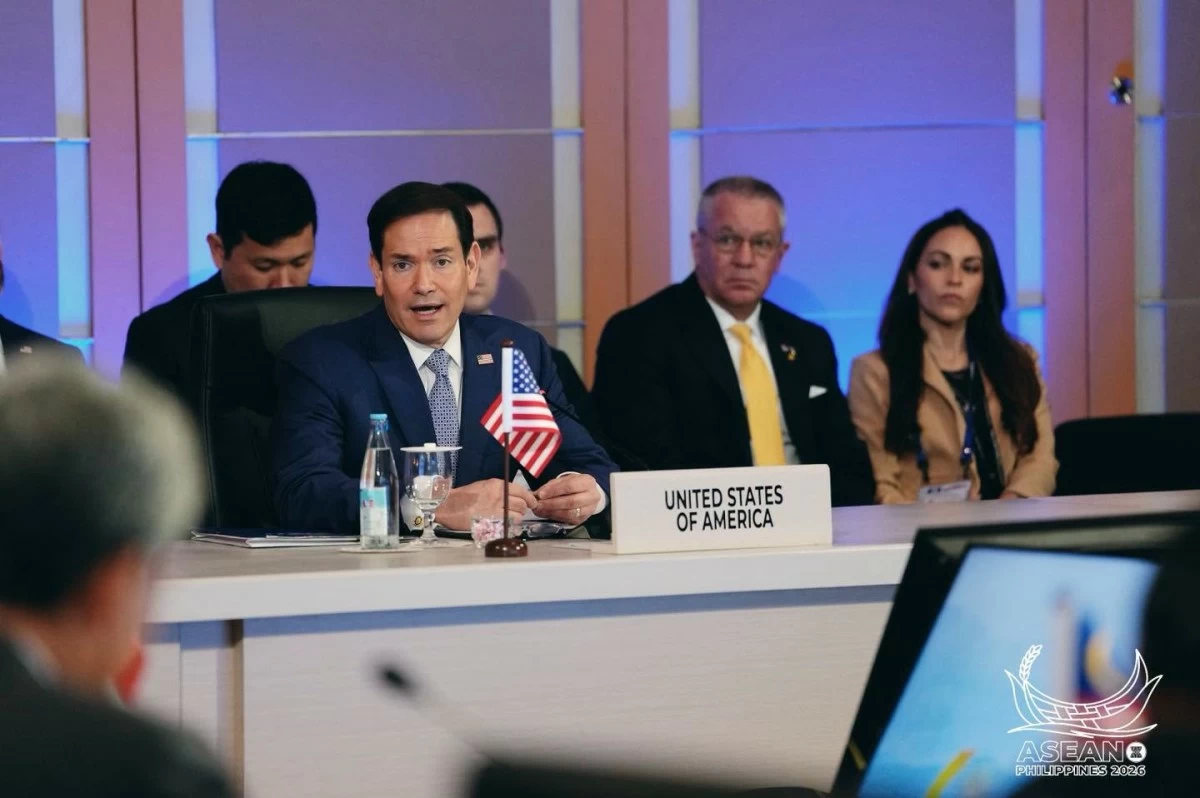
US Secretary of State Marco Rubio defended Washington's position on the escalating conflict with Iran, saying the United States remains open to diplomacy but will act to protect its interests and allies if Tehran fails to negotiate in good faith.
Speaking at the ASEAN Post-Ministerial Conference with the United States in Pasay City, Rubio said Iran had repeatedly sought talks with Washington but failed to honor previous commitments.
"Unfortunately, so far, even though we have reached agreements, they have not kept their commitments," he said on Wednesday, July 22.
"If they're serious, we're serious. If they're not, then we will do what is necessary to protect our interests and also the interests of our allies," he added.
Rubio said the issue extends beyond the current conflict, describing it as a test of the international principle of freedom of navigation.
He said Iran was asserting a right it does not possess under international law by seeking to control traffic through the Strait of Hormuz.
"This is an international waterway," Rubio said, adding that Southeast Asia understands better than most regions the importance of protecting freedom of navigation.
The US’ top diplomat warned that allowing a state to control an international shipping lane, collect tolls, or threaten commercial vessels would create "a very dangerous precedent" that could spread to other parts of the world, including Southeast Asia.
"So what is at stake here is not simply the issue of what's happening in the Straits of Hormuz. There's a very fundamental principle about freedom of navigation," he said.
"And if that is threatened, then I think the global economy is threatened and the rules which have underpinned 150 years of international trade and commerce are also threatened," Rubio added.
Rubio also warned that without consequences for violating international norms, a significant portion of global energy supplies could effectively be held hostage by a single state.
ASEAN calls for restraint
A day before the meeting, ASEAN foreign ministers expressed "serious concern” over the rapidly evolving situation in the Middle East, particularly the renewed hostilities involving the US and Iran.
The ministers said they were "deeply concerned" that the fighting severely undermines the ongoing efforts of key mediators and diminishes the prospects for a peaceful resolution through dialogue and diplomacy.
They called on all parties concerned to “exercise utmost self-restraint and avoid any acts that may further aggravate the situation," while stressing the need for "a complete and immediate cessation of hostilities across all fronts in the Middle East."
The ASEAN foreign ministers reaffirmed the importance of maintaining maritime safety and security and upholding freedom of navigation and overflight in and above straits used for international navigation, in accordance with international law, in particular the 1982 UNCLOS.
They likewise expressed "deep concern over any discriminatory or unilateral measures" that obstruct vessels transiting the Strait of Hormuz and called for the restoration of safe, unimpeded, and continuous transit for vessels and aircraft through the strategic waterway.
ASEAN also acknowledged that ongoing tensions could affect regional trade, energy markets, food security, and supply chains, underscoring the need for closer regional coordination to mitigate the crisis's impact.
The ministers further reaffirmed "the obligations of all States to resolve their differences through peaceful means," respect the sovereignty and territorial integrity of all nations, protect civilians during armed conflict, and strengthen coordination to assist ASEAN nationals affected by the crisis.