






Manila Bulletin
 Philippines
National
Palace summoning of Chinese envoy reflects PH's outrage over Ayungin clash, says Teodoro
Philippines
National
Palace summoning of Chinese envoy reflects PH's outrage over Ayungin clash, says Teodoro
Philippines
National
Palace summoning of Chinese envoy reflects PH's outrage over Ayungin clash, says Teodoro
Palace summoning of Chinese envoy reflects PH's outrage over Ayungin clash, says Teodoro
Published Jul 22, 2026 04:18 pm


At A Glance
- Department of National Defense Secretary Gilberto Teodoro Jr. said President Marcos' decision to summon Chinese Ambassador Jing Quan sent a strong message that China's actions in the recent Ayungin Shoal confrontation were "unacceptable."
- Teodoro accused the Chinese envoy of misrepresenting his meeting with Marcos, saying the President conveyed the Philippine government's position while reflecting the "collective anger" of Filipinos over China's actions in the West Philippine Sea.
- The Philippine Coast Guard backed the President's diplomatic approach, with Rear Adm. Jay Tarriela saying diplomacy remains the government's key tool in asserting Philippine rights and de-escalating tensions in the West Philippine Sea.
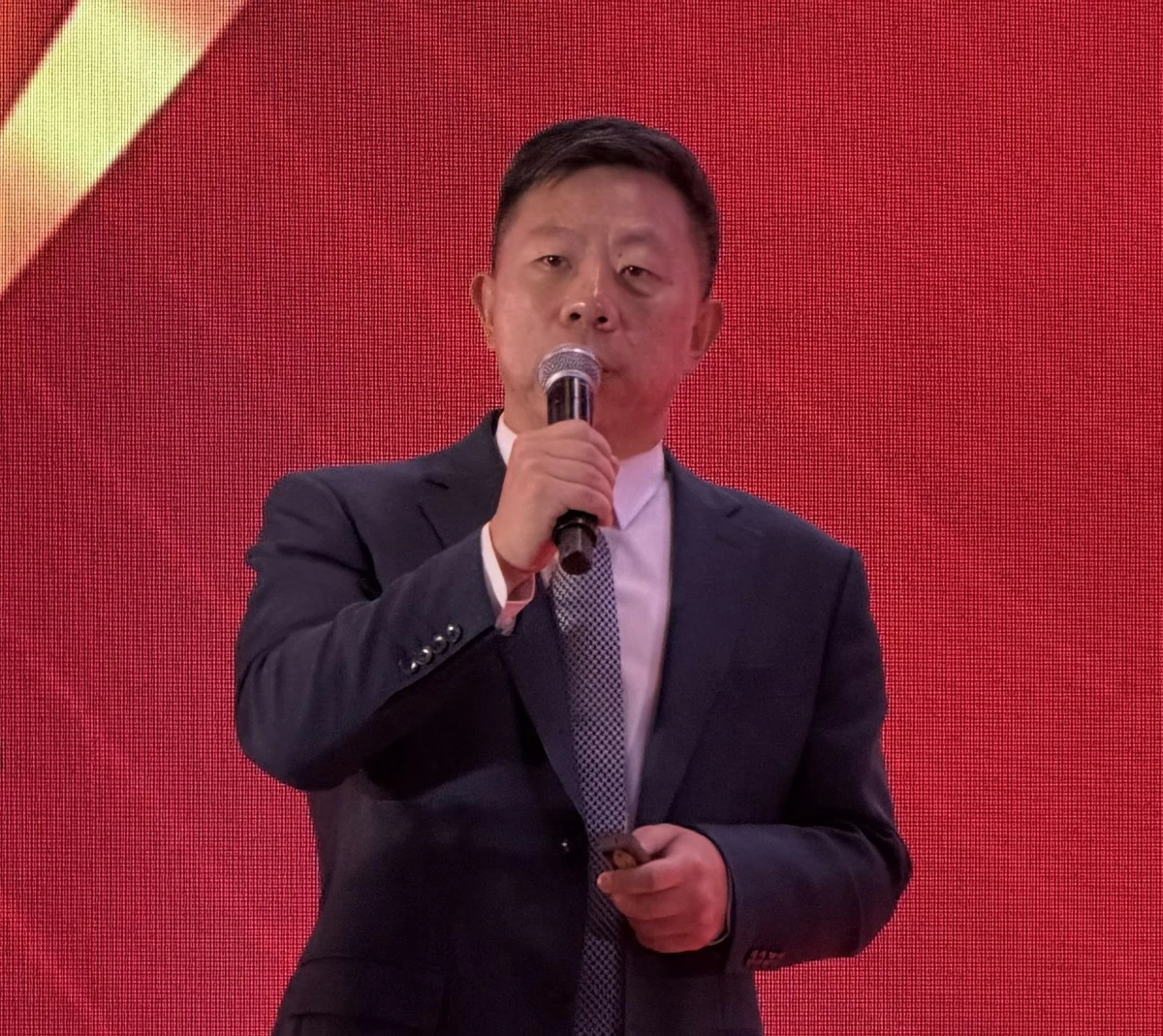
Ambassador of the People's Republic of China to the Philippines Jing Quan (File photo)
Department of National Defense (DND) Secretary Gilberto C. Teodoro Jr. on Wednesday, July 22, said President Marcos Jr.'s decision to summon Chinese Ambassador Jing Quan sent a clear message that the national government considers China's latest actions in Ayungin Shoal "unacceptable."
Teodoro said the President personally conveyed the country's position to the Chinese envoy following the violent confrontation between Philippine Navy (PN) personnel and the China Coast Guard (CCG) near Ayungin Shoal in the West Philippine Sea (WPS).
“Naturally, he conveyed the position of the Philippine government that what happened was unacceptable and that they should stop what they are doing,” Teodoro said.
Marcos summoned the Chinese ambassador on Tuesday, a day after the government denounced the latest incident in Ayungin Shoal where two Filipino sailors were injured during a confrontation with Chinese personnel.
Teodoro, however, accused the envoy of misrepresenting the meeting after leaving Malacañang.
After his meeting with Marcos, Jing said the Chinese forces noticed that the Filipino troops were allegedly doing construction work on BRP Sierra Madre, claiming it violated a 2024 provisional arrangement between Manila and Beijing to maintain status quo in the disputed waters.
“The problem is that this ambassador appears to have put his own version of what happened after he was reprimanded by our President, because our President still observed the respect required in diplomacy,” Teodoro said.
"But we have to remember that their diplomats are not just diplomats. They are agents. They will change the story,” he added.
The defense chief said the President's action carried greater weight because it reflected the sentiment of the Filipino people.
“It is not only a strong message because it came from the President. It is strong because the President carries the collective anger of the Filipino people over China's bullying,” Teodoro said.
The Department of Foreign Affairs has repeatedly filed diplomatic protests over China's actions in the WPS. However, Teodoro said the President's direct intervention underscored the seriousness of the latest incident.
“Normally, a head of state cannot publicly disclose everything he says in such meetings because of the proper conduct expected of a head of state. But if the story is changed afterward, then perhaps we need to set the record straight,” the defense chief said.
For the Philippine Coast Guard (PCG), Marcos’ move remains consistent with the government's policy of pursuing diplomacy while asserting the country's sovereign rights.
PCG spokesperson for the West Philippine Sea Rear Admiral Jay Tarriela said the Coast Guard would continue to support the national government's direction.
“For the Philippine Coast Guard, we are just one of many government agencies that the national government is using in asserting our rights in the West Philippine Sea," he said.
“If the guidance of the President remains to be on our diplomatic engagement, of course we support whatever the decision of the national government is,” he added.
Tarriela also stressed that diplomacy remains the country's primary means of addressing tensions with China.
“As a Coast Guard officer and as a Filipino, I think the diplomatic engagement of the national government remains to be our important tool in resolving our differences and de-escalating tension in the West Philippine Sea,” he said.