






Manila Bulletin
 Philippines
Metro Manila
Manibela begins 2-day strike over fuel hikes, pushes for P2 fare increase
Philippines
Metro Manila
Manibela begins 2-day strike over fuel hikes, pushes for P2 fare increase
Philippines
Metro Manila
Manibela begins 2-day strike over fuel hikes, pushes for P2 fare increase
Manibela begins 2-day strike over fuel hikes, pushes for P2 fare increase
By Trixee Rosel
Published Jul 22, 2026 09:27 am


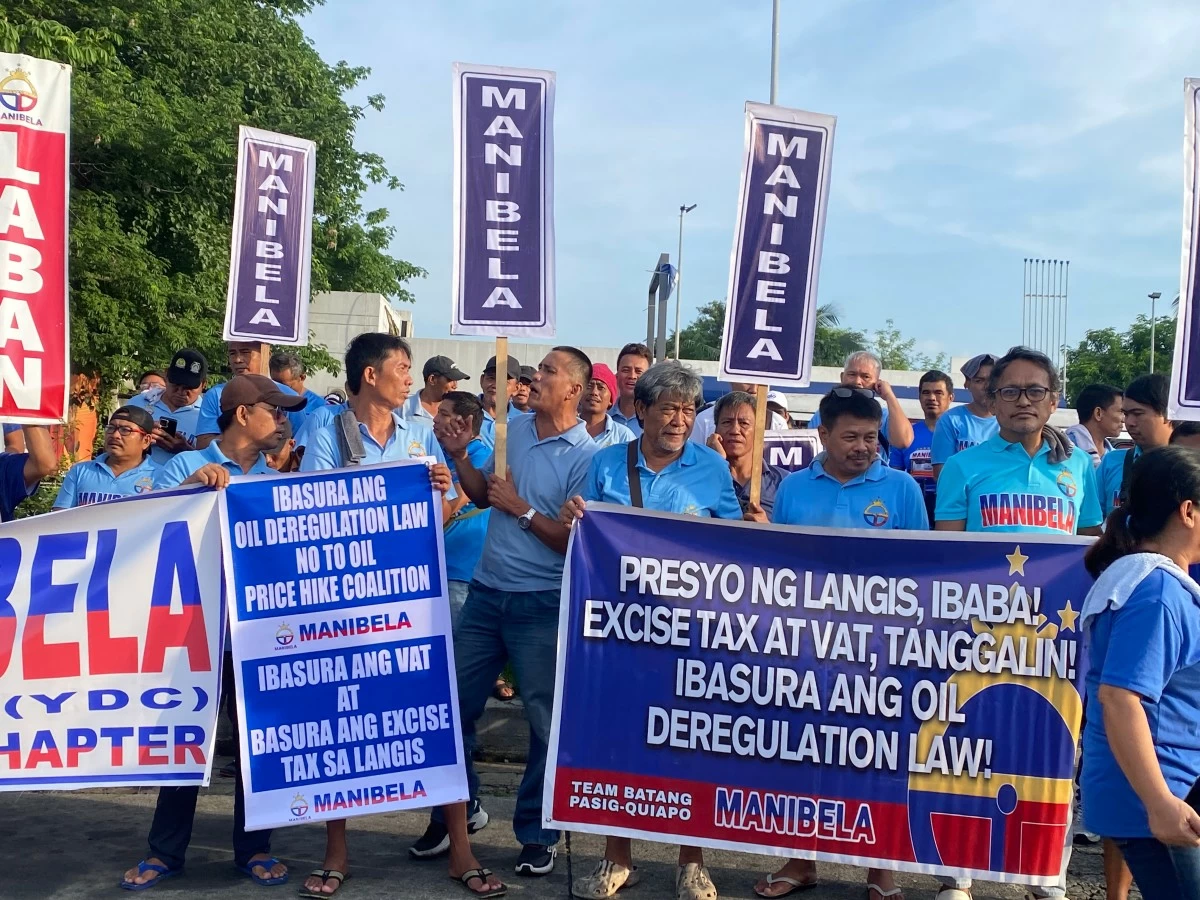
Members of transport group Manibela gather in Philcoa, Quezon City, on Wednesday morning, July 22, as the group stages a two-day nationwide transport strike. (Trixee Rosel/MANILABULLETIN)
Transport group Manibela began its two-day nationwide transport strike on Wednesday, July 22, to protest the latest double-digit fuel price increases and push for a P2 increase in the minimum jeepney fare.
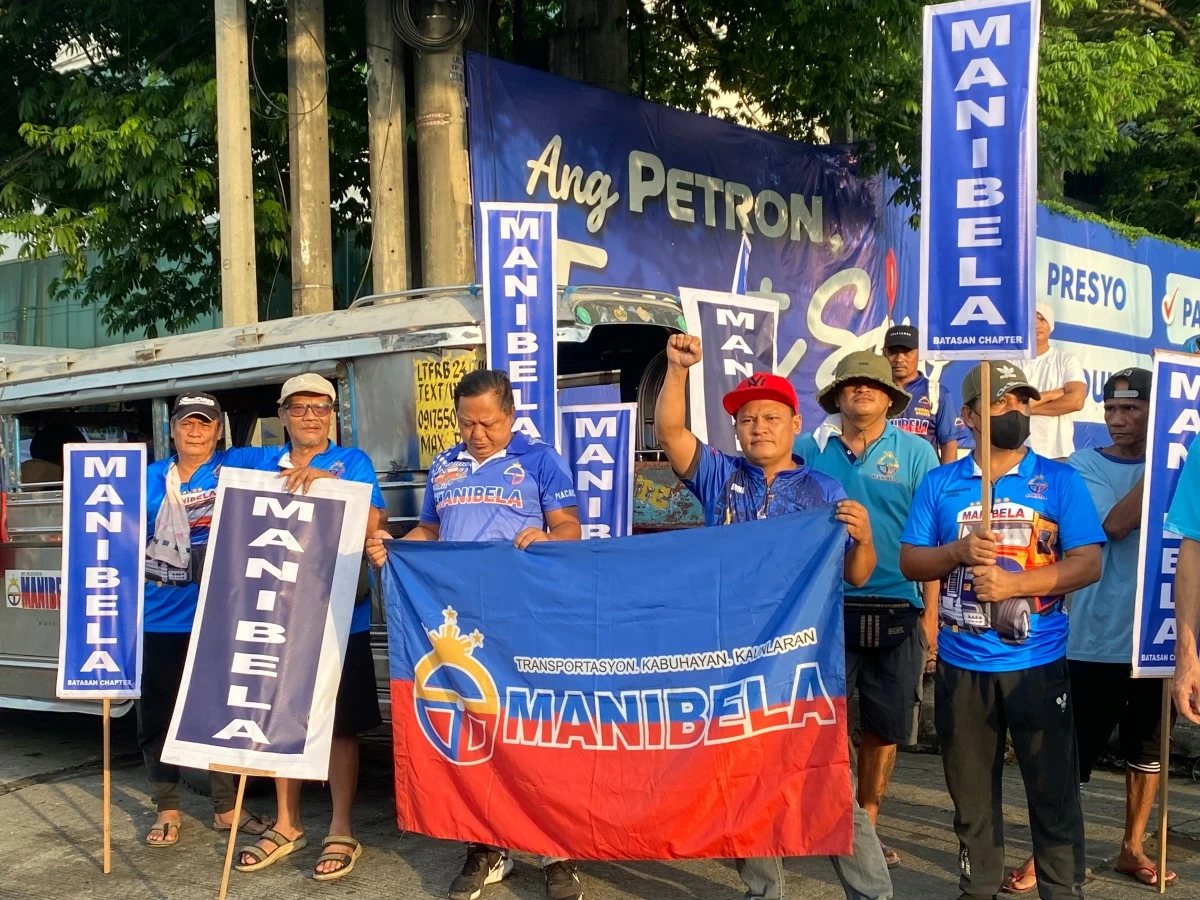
Members of transport group Manibela gather in Philcoa, Quezon City, on Wednesday morning, July 22, as the group stages a two-day nationwide transport strike. (Trixee Rosel/MANILABULLETIN)
Manibela said its drivers stopped operations at 5 a.m., while members began gathering at around 6:15 a.m. at the Philippine Coconut Authority (Philcoa) in Quezon City, where the group established its strike center and called on other public utility vehicle (PUV) operators to join the mass action.
The strike came a day after fuel companies implemented maximum price increases of P10.68 per liter for diesel, P3.65 per liter for gasoline, and P11.77 per liter for kerosene amid renewed hostilities in the Middle East.
Waving tarpaulins, Manibela members urged the government to remove excise and value-added taxes on fuel products to help bring down their prices.
Manibela president Mar Valbuena said the group would file a petition with the Land Transportation Franchising and Regulatory Board (LTFRB) on Wednesday to lift the suspension of the P1 jeepney fare increase and seek approval for an additional P1 increase, bringing the proposed total hike in the minimum fare to P2.
Valbuena said the fare increase would only help drivers and operators cope with rising vehicle maintenance and operating costs, noting that much of their earnings was already being spent on repairs.
“Although calling a transport strike is difficult for us, it appears the government waits for public attention to fade before allowing oil companies to impose another round of increases in petroleum prices,” Valbuena said.
He also criticized the Department of Energy (DOE) for allegedly failing to protect the transport sector and ordinary Filipinos from successive fuel price increases.
“The transport sector cannot remain silent while the Department of Energy is seemingly ignoring the consecutive increases in oil prices that are sinking the livelihoods of jeepney drivers and ordinary Filipinos,” Valbuena said.
Rather than simply accepting the prices imposed by oil companies, Valbuena said the DOE should strictly monitor the industry and hold fuel companies accountable.
Manibela called on drivers and operators of other PUVs, including UV Express services, buses, transport network vehicle services (TNVS), and motorcycle taxis, to join the strike.
Valbuena said five transport groups and cooperatives had committed to participate in the mass action, with at least 100,000 PUVs from various transport sectors expected to join.
He added that some motorcycle taxi operators and TNVS drivers had also expressed support for the protest.
The strike may be extended until Friday, July 24, Valbuena said.
Due to the transport strike, buses and jeepneys that continued to ply Commonwealth Avenue were full, while personnel of the Quezon City Traffic and Transport Management Department were deployed to manage traffic.
Commuters had mixed reactions to the strike, with some saying that even a P1 fare increase would greatly affect minimum wage earners, while others supported the transport sector's call for a fare increase.
Valbuena urged President Marcos to pursue long-term and concrete solutions to rising fuel and electricity prices and the increasing cost of basic goods instead of relying mainly on cash assistance.
He also pointed out that air and sea transport operators could immediately adjust their fares because they were not subject to the same regulations imposed on land-based transportation.