







IFC eyes affordable home lender with Asialink


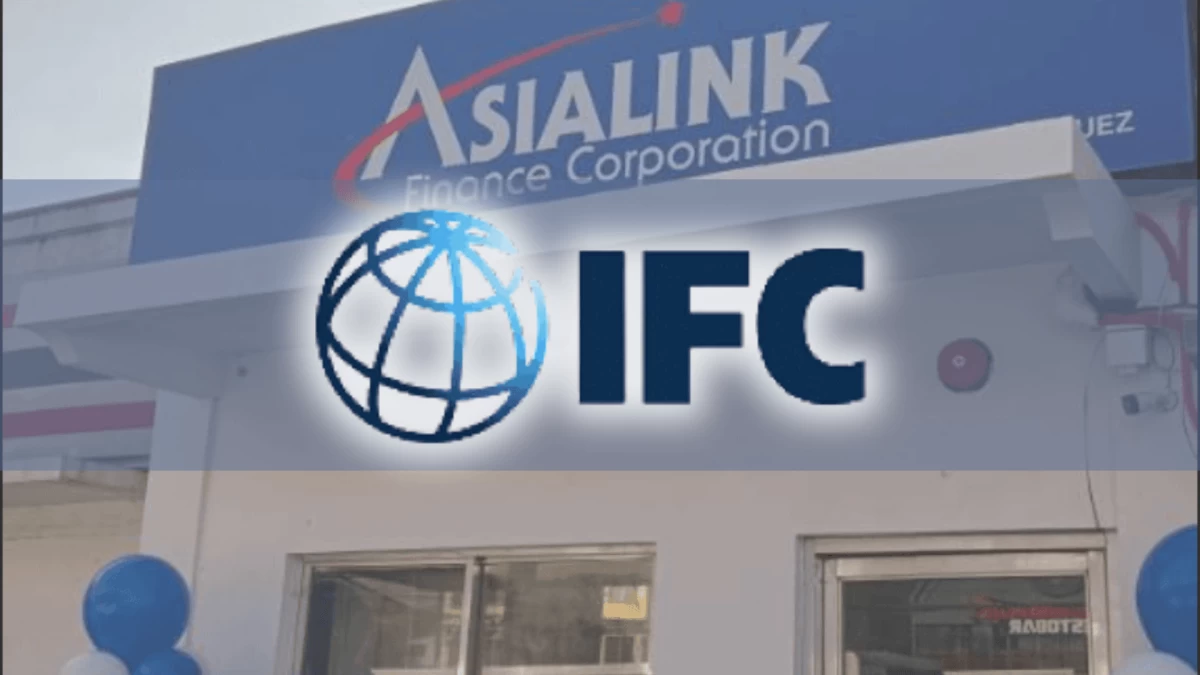
International Finance Corp. (IFC) is helping Asialink Finance Corp. explore the creation of a specialized affordable housing finance company (AHFC) to expand access to home financing for low-income and informal borrowers in the Philippines.
The World Bank Group’s (WBG) private-sector arm disclosed last Tuesday, July 21, that it is partnering with the non-bank financial institution to assess the feasibility of establishing an AHFC, which would focus on underserved market segments traditionally excluded from formal housing finance.
The advisory services project, approved by IFC last March 25 and scheduled to run until mid-November this year, has an estimated total budget of $150,000.
According to IFC, the engagement will include market research, institutional capacity building, peer-learning activities, and strategic planning. It will also examine successful AHFC models in other markets—particularly India—and explore how these can be adapted to the Philippine setting.
The project aims to identify viable housing finance products tailored to informal borrowers, strengthen Asialink’s capacity to design and launch inclusive housing finance solutions, as well as develop a strategic roadmap covering product development, operational readiness, and capital structuring.
IFC said the initiative also seeks to demonstrate the commercial viability of lending to informal borrowers as well as encourage broader participation from financial institutions and property developers in the affordable housing market.
The project is expected to contribute to financial inclusion, improve housing affordability, and support market development by creating new pathways to homeownership for underserved Filipinos, according to IFC.
Last year, Asialink secured a $130-million financing package from IFC to expand lending to micro, small, and medium enterprises (MSMEs), with at least 60 percent of the funding earmarked for women-led businesses. At the time, IFC said the investment could help create 16,600 to 23,800 jobs and expand Asialink’s SME loan portfolio to $575 million by 2029 from $150 million, while increasing its women-owned SME portfolio to $300 million from $76 million.