






Manila Bulletin
 Environment and Sustainability
World of Ajinomoto PH Factory Tour highlights sustainability at every step of food manufacturing
Environment and Sustainability
World of Ajinomoto PH Factory Tour highlights sustainability at every step of food manufacturing
Environment and Sustainability
World of Ajinomoto PH Factory Tour highlights sustainability at every step of food manufacturing
World of Ajinomoto PH Factory Tour highlights sustainability at every step of food manufacturing
Published Jul 21, 2026 06:07 pm


At Ajinomoto Philippines Corporation (APC), sustainability begins within the factory, long before its products reach consumers. Here, every process is guided by efficiency, responsibility, and a vision for lasting impact. This dedication to responsible manufacturing takes center stage as the world celebrates Umami Day on July 25. APC marks the occasion with a month-long festivity, recognizing umami as the very heart of its business and the backbone of its commitment to creating better food experiences.
As part of this observance, APC invites the public to discover how sustainability powers food production through the World of Ajinomoto PH Factory Tour in Guiguinto, Bulacan. The immersive experience highlights how environmental stewardship, food science, nutrition, and responsible innovation come together to produce products that Filipino families have trusted for over 65 years.
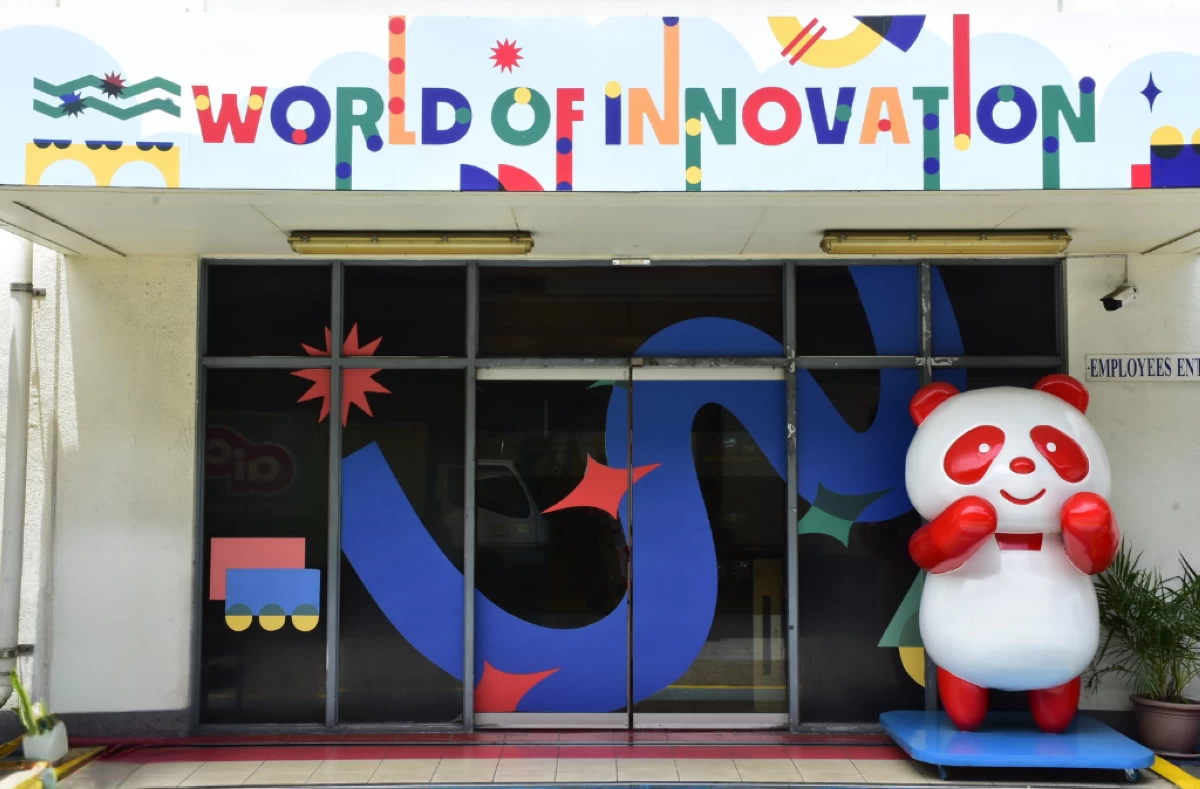
The entrance of the ‘World of Innovation’ at the World of Ajinomoto PH welcomes visitors to a firsthand look at the future of sustainable food manufacturing.
From energy use and logistics to waste recovery and community engagement, the guided tour allows students, educators, family, and industry partners to see how sustainability plays a significant role throughout APC’s everyday operations.
"While many see a factory as a place where products are made, we see this facility as a reflection of our commitment to continuous improvement and our dedication to helping Filipino families live healthier and happier lives," said APC President Daizaburo Koga.
The factory tour also reflects the company's contribution to the Ajinomoto Group's 2030 Roadmap, which aims to help extend the healthy life expectancy of one billion people while reducing environmental impact by 50 percent through sustainable business practices.
Building a More Sustainable Food Manufacturing Ecosystem
Throughout the tour, visitors can gain a closer understanding of how sustainability is integrated into APC's production systems without compromising product quality or food safety.
Among the facility's key milestones is its transition to 100 percent renewable electricity, a move that has helped prevent approximately 3,000 metric tons of CO2e (carbon dioxide equivalent) emissions annually since its implementation in 2024. The initiative demonstrates how cleaner energy can be instrumental in reducing the environmental footprint of food manufacturing while ensuring operational reliability.
Promoting greener logistics, the tour also highlights the use of APC’s pioneering 40-foot electric prime mover. This innovative mode of transportation supports lower emissions across its distribution network, while advancing more responsible transport solutions within the industry.
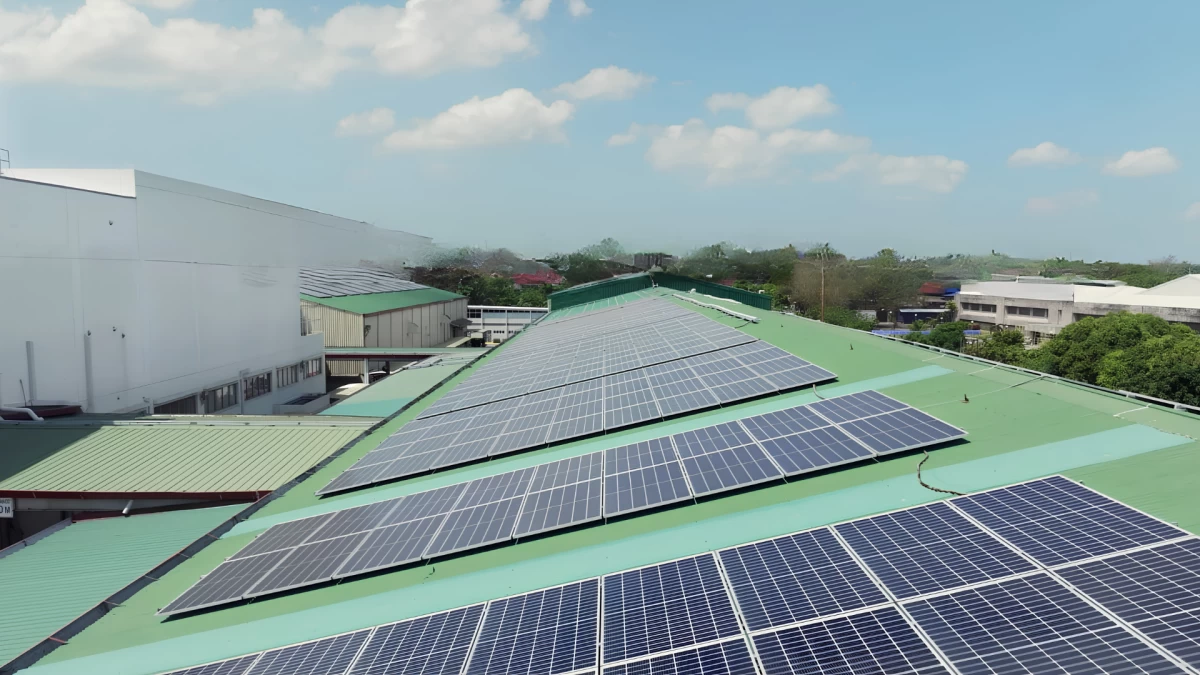
APF Bulacan’s transition to 100% renewable energy is sourced 30% from solar panels and the remaining from a renewable energy supplier.
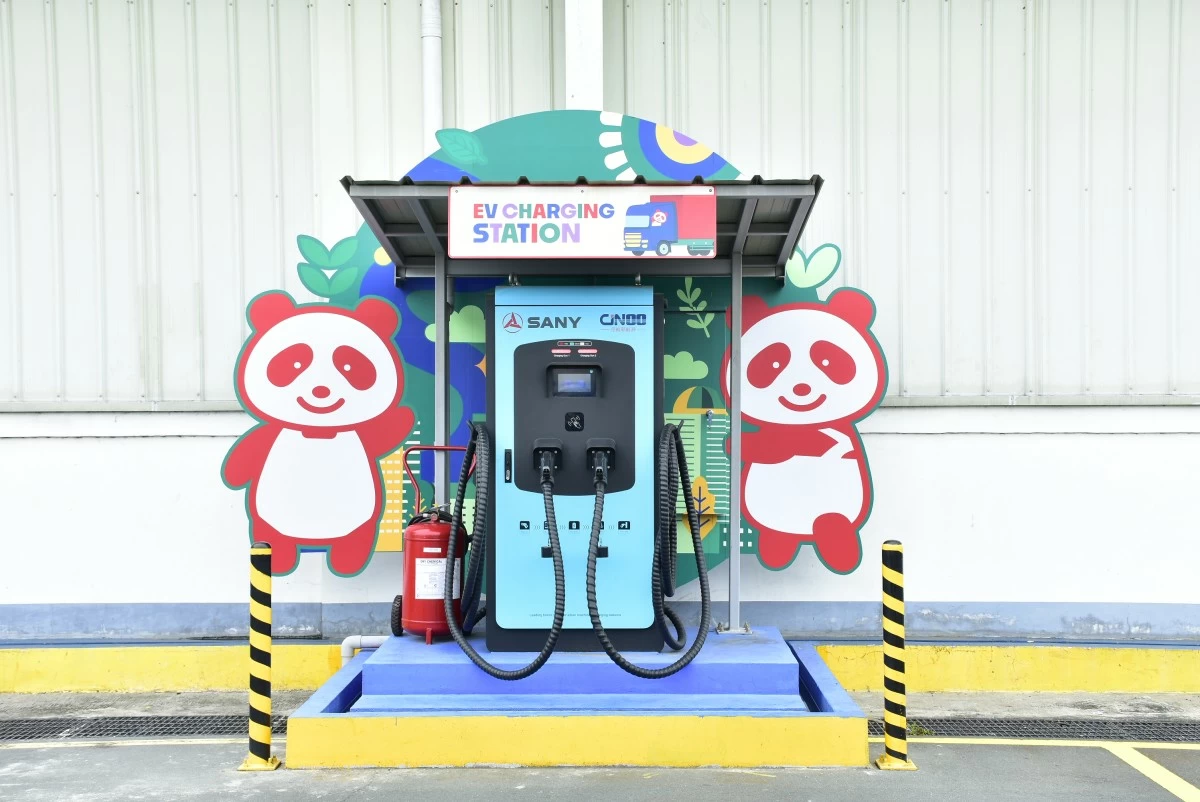
Responsible logistics initiatives include a dedicated EV charging station.
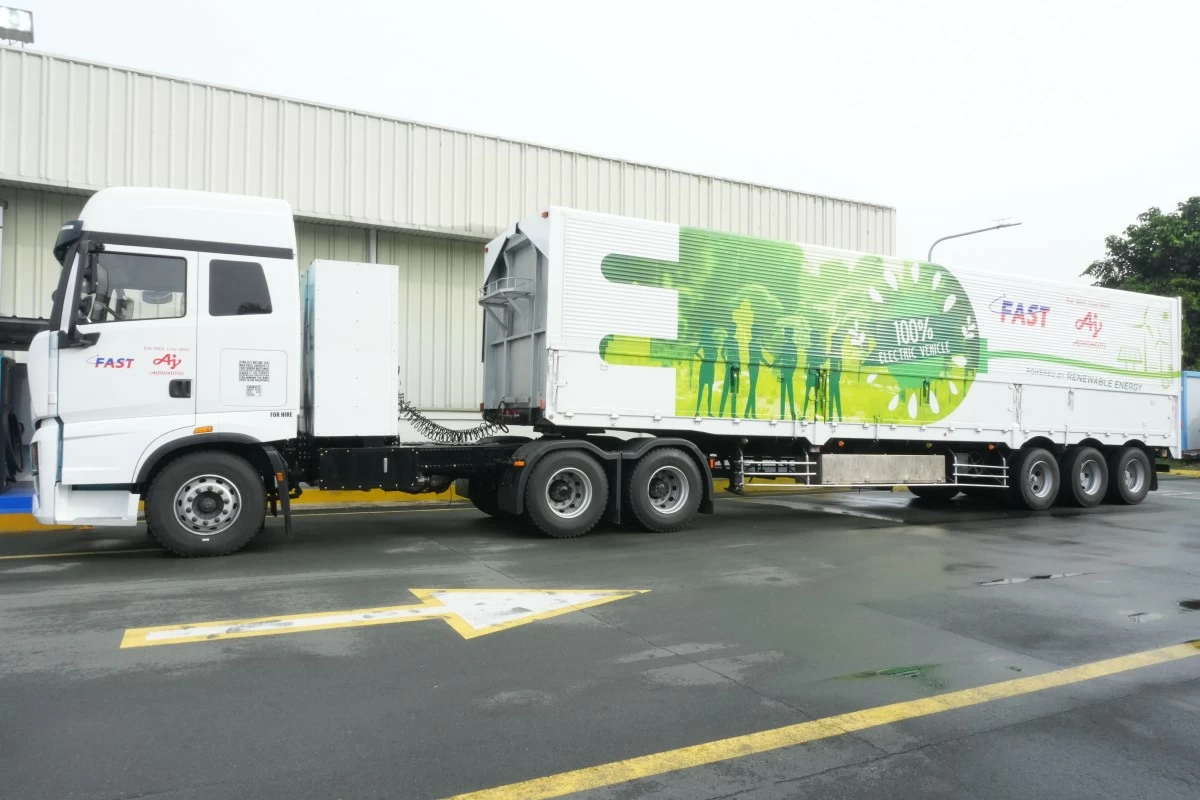
A pioneering 40-foot electric prime mover is part of the company’s responsible logistics push.
Visitors can also witness how safety and efficient operations remain central to responsible manufacturing. From designated pedestrian walkways and mandatory protective equipment to rigorous inspection systems, every process reflects a culture of accountability. These practices have contributed to the Bulacan facility maintaining a zero Lost Time Accident (LTA) record for more than 2,000 days over the past five years, demonstrating that environmental responsibility works hand in hand with workplace safety and operational discipline.
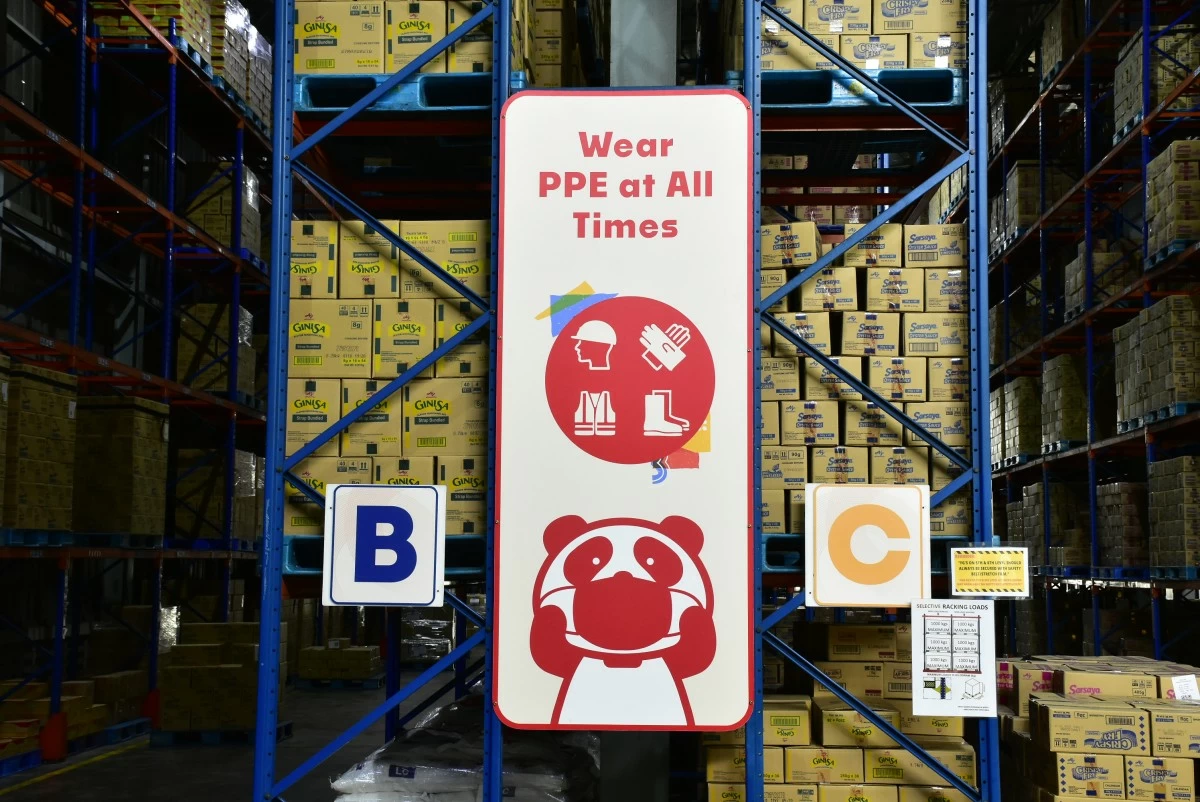
Highly visible safety guidelines and mandatory PPE protocols inside the Bulacan facility underscore a strict culture of workplace safety, contributing to over 2,000 consecutive days with zero Lost Time Accidents (LTA).
APC’s sustainability journey encompasses more than manufacturing excellence, extending its commitment to the various communities it serves. One of the major initiatives during the factory tour is SariCycle®, the company's plastic recovery program that empowers sari-sari stores and local communities to collect and recycle single-use plastics.
In 2026 alone, the said program has notably recovered 14.8 metric tons of plastic waste in Quezon City while welcoming 50 new participants, with expansion planned for more municipalities in the coming months.
The experience also introduces visitors to the company’s nutrition advocacy programs, including I Love Veggie-Licious®, which encourages increased vegetable consumption, and BawAsin®, an initiative that promotes reducing sodium intake without sacrificing flavor. Together, these programs illustrate how sustainability encompasses not only eco-conscious efforts but also healthier lifestyles and improved well-being.
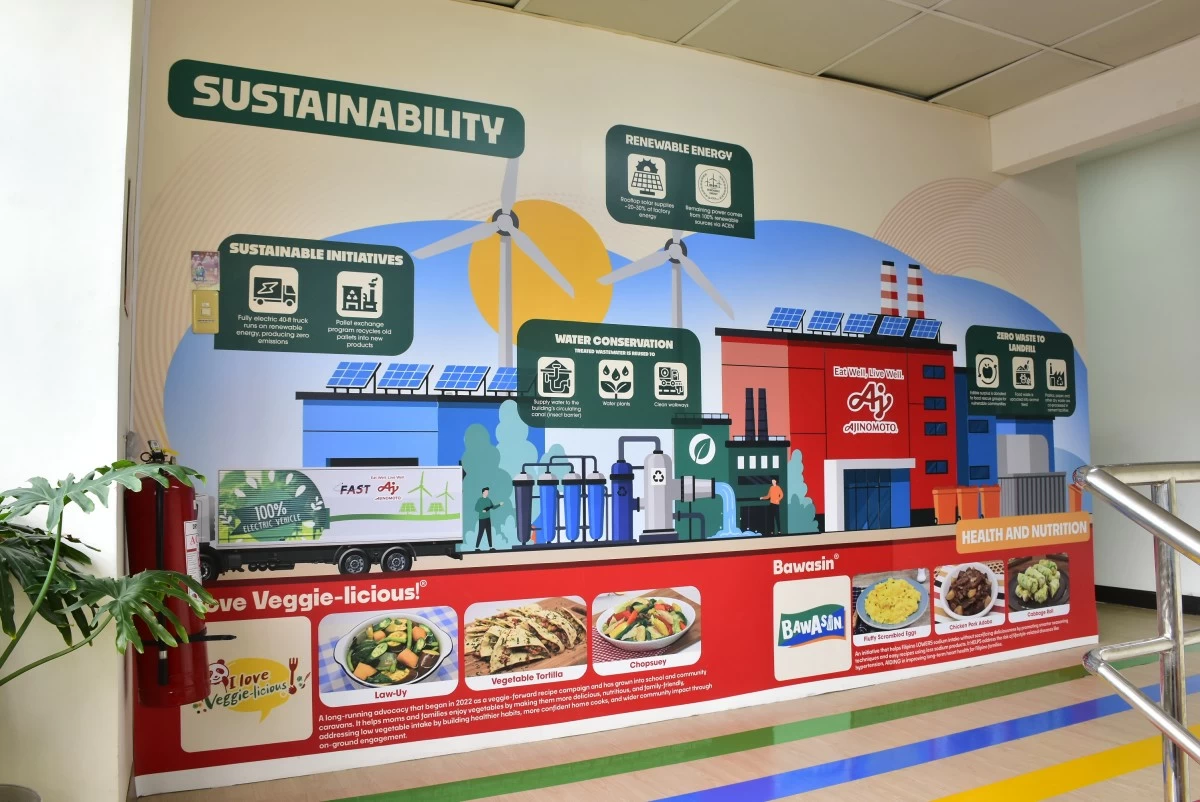
A vibrant mural inside the facility details how APC integrates environmental stewardship such as renewable energy and water conservation with life-enriching nutrition programs like I Love Veggie-Licious® and BawAsin®.
As environmental challenges continue to evolve, APC demonstrates that sustainability is built through consistent action. Through the World of Ajinomoto PH Factory Tour, visitors gain firsthand insight into how responsible manufacturing, renewable energy, circular initiatives, and nutrition advocacy work together to create a more sustainable future.
The tour is FREE and open to schools, organizations, and interested groups every Tuesday and Thursday, with guided sessions from 9:00 A.M. to 11:00 A.M. and 3:00 P.M. to 5:00 P.M. Those interested may reserve a slot through the World of Ajinomoto PH online booking page. Alternatively, please send an email to [email protected] or call 09171283858.