






Manila Bulletin
 Philippines
National
'Why arrest the teacher but not the VP?' Raffy Tulfo asks NBI chief
Philippines
National
'Why arrest the teacher but not the VP?' Raffy Tulfo asks NBI chief
Philippines
National
'Why arrest the teacher but not the VP?' Raffy Tulfo asks NBI chief
'Why arrest the teacher but not the VP?' Raffy Tulfo asks NBI chief
By Dhel Nazario
Published Jul 21, 2026 07:14 pm


Why was a schoolteacher arrested in 2020 without a warrant over an alleged death threat against former President Rodrigo Duterte, while Vice President Sara Duterte was not?
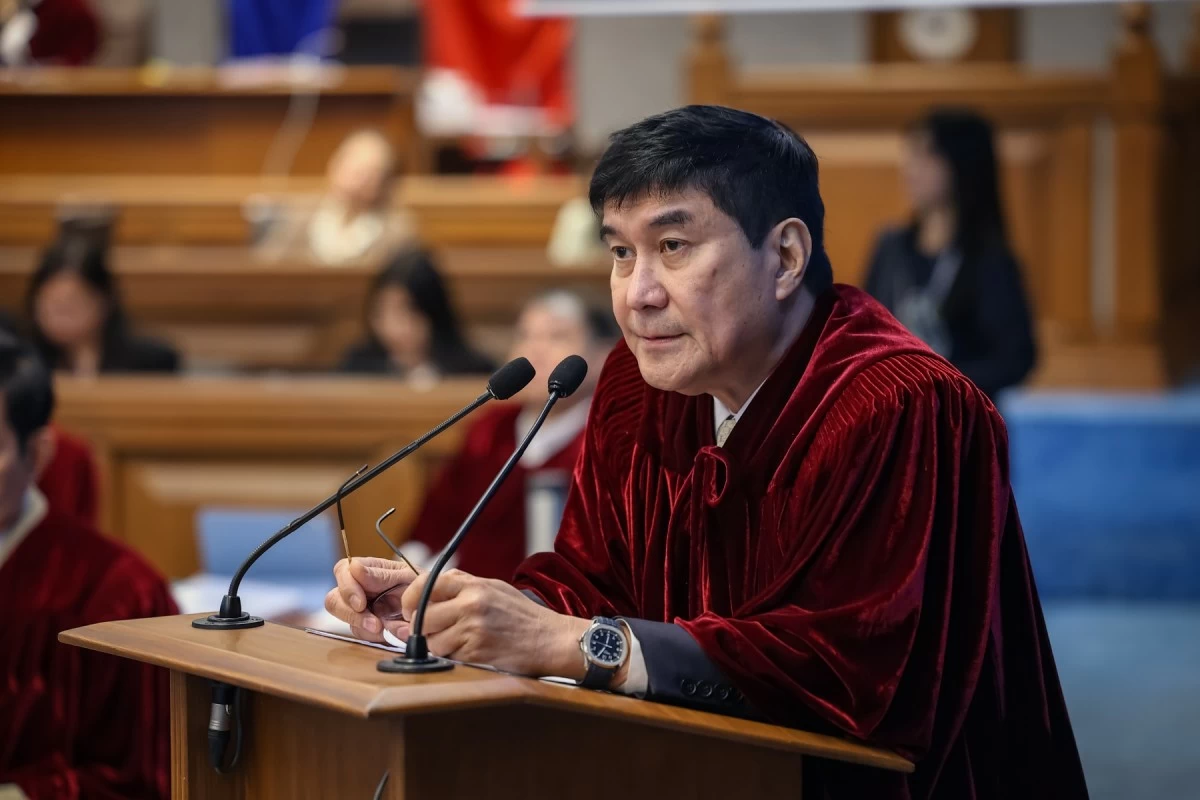
Senator-judge Raffy Tulfo (Senate PRIB photo)
This was the question posed on Tuesday, July 21, by Senator-judge Raffy Tulfo to National Bureau of Investigation (NBI) Director Melvin Matibag over what he described as the agency's differing treatment of the two cases during the impeachment trial.
Tulfo repeatedly compared the 2020 arrest of public school teacher Ronnel Mas—who allegedly offered a P50-million reward to anyone who would kill then-President Duterte—with the NBI's decision not to immediately arrest Vice President Duterte over her alleged threats against President Ferdinand Marcos Jr., one of the issues raised in the impeachment complaint.
Asked to recall the Mas case, Matibag said the teacher was arrested without a warrant by the NBI Regional Office 1 after authorities considered his statement a serious threat not only to the former president but also to national security.
Tulfo then asked why the bureau responded differently to the vice president's case.
"What difference is there between the two?" the senator-judge asked.
Matibag replied that one obvious distinction was that Mas was "a teacher," while Sara Duterte was the sitting vice president. However, he stressed that he could not explain the NBI's actions at the time because he was not yet with the bureau.
Drawing from discussions with foreign law enforcement counterparts, Matibag said that in some jurisdictions, a vice president who makes similar threats could immediately face detention and removal from office.
Tulfo argued that the contrasting treatment suggested the NBI had extended "special treatment" to the vice president.
Matibag, however, declined to characterize the bureau's previous actions, saying he could only speak about the current investigation. He added that the Ronel Mas case had become a lesson for the NBI after the charges were eventually dismissed because of procedural lapses arising from the warrantless arrest.
"The lesson from the Ronel Mas case is that if we make a warrantless arrest improperly, the case may be dismissed," Matibag said, explaining that investigators instead focused on conducting a continuing threat assessment and building a stronger case before filing charges.
Tulfo also questioned Matibag about statements made by Davao City Mayor Sebastian "Baste" Duterte, including remarks referring to President Marcos' head during a political gathering.
Matibag said the NBI considered the mayor's statements part of a broader assessment of threats against the president and national security. He explained that authorities no longer had legal grounds to make a warrantless arrest once the circumstances permitting such an arrest had passed, warning that doing so could itself constitute an illegal arrest.
When Tulfo again asked why Ronel Mas had been arrested while the vice president had not, Matibag said he could only "second-guess" that the difference may have stemmed from the procedures or the administration in power at the time.