ADVERTISEMENT

Samsung launches the the Galaxy Card in the US

Published Jul 21, 2026 12:32 pm
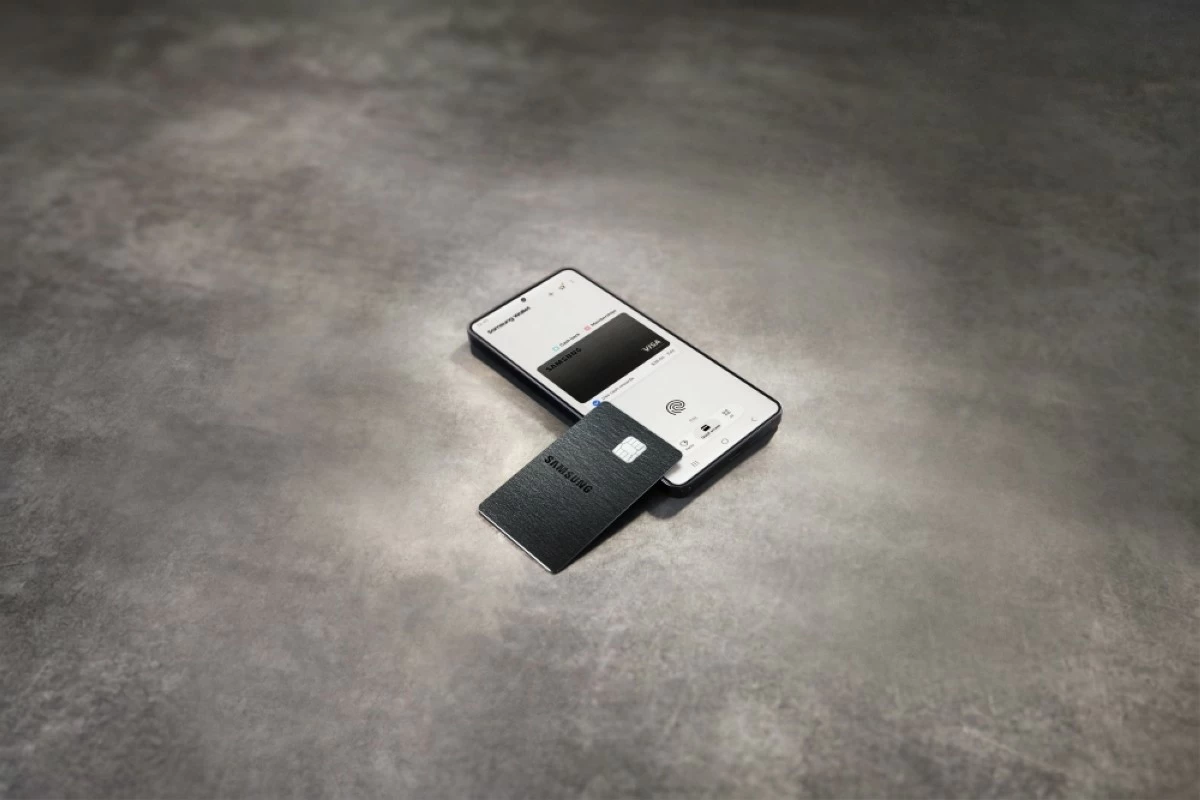
In the US, Samsung has entered the credit card business by unveiling the Samsung Galaxy Card.
Consider it a little teaser in what they will be announcing at the Galaxy Unpacked, which will be happening tomorrow at 9pm. In the US, the Galaxy Card is issued by Barclays US Consumer Bank and runs on the Visa network. It's designed to work as a more standard rewards card, it's built to integrate directly with the Samsung ecosystem, with rewards when shopping with Samsung itself, which includes the purchase of a new phone or renewing memberships.
As an added bonus, spending $2,000 within the first 90 days when opening an account, users are awarded with a $200 cashback. We should, inform you, should you ever get your hands on one, to not be pressured into spending $2,000 just to get that $200 cashback.
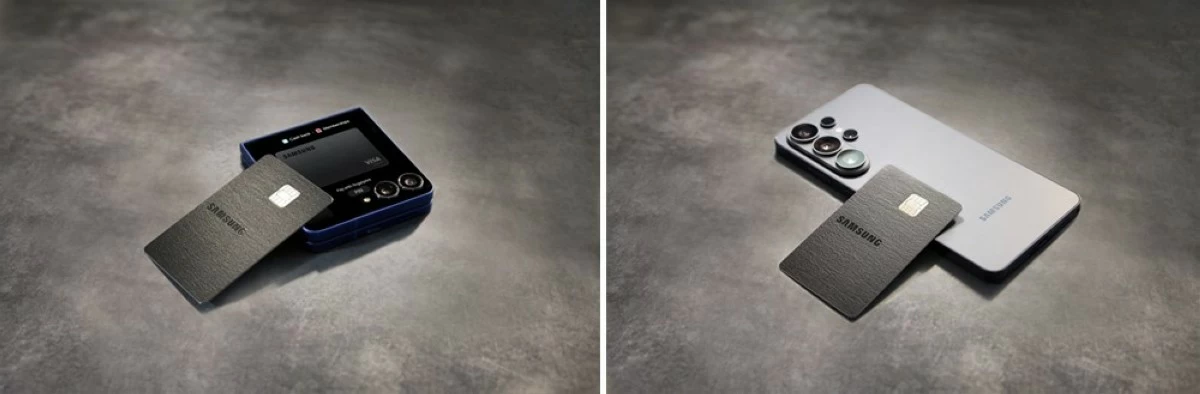
The card will be available in two formats: a virtual card for digital use and a premium metal physical card featuring a black Samsung logo.
Cash Rewards Breakdown
Samsung Galaxy Card offers a tiered cash rewards structure aimed at maximizing value for Samsung loyalists while still rewarding general spending:
5% cash rewards on purchases made directly through Samsung (Samsung.com, Samsung Experience Stores, the Shop App, Galaxy Store, Care+, Samsung Secure WiFi, Samsung Smart TV Store, and SmartThings Videos)
3% cash rewards on purchases made using Samsung Wallet
2% cash rewards on popular streaming subscriptions, including Netflix, Disney+, and Spotify
1% cash rewards on all other everyday purchases
20% off Samsung VIP Advantage membership, plus 5% cash rewards when purchasing or renewing that membership
Sign-Up Bonus and Launch Timeline
Starting July 22, 2026, customers in the US can apply for Samsung Galaxy Card online or in person at any U.S. Samsung retail store.
Built into Samsung Wallet and backed by Samsung Knox
One of the card's key selling points is its tight integration with Samsung Wallet, where users can store it alongside other compatible payment cards, digital IDs, passes, and digital keys for supported smart locks and vehicles. Samsung says the wallet experience is designed to keep essential items within reach while remaining open to trusted partner integrations over time.
Security is handled by Samsung Knox, the company's on-device, defense-grade security platform, giving cardholders an added layer of protection for transactions made through the wallet.
It's too early to tell if Samsung has any plans to bring their credit card business to the Philippines.

Related Tags

Samsung Galaxy Unpacked 2026 Galaxy Card fintech
ADVERTISEMENT
.most-popular .layout-ratio{ padding-bottom: 79.13%; } @media (min-width: 768px) and (max-width: 1024px) { .widget-title { font-size: 15px !important; } }

{{ articles_filter_1561_widget.title }}

.most-popular .layout-ratio{ padding-bottom: 79.13%; } @media (min-width: 768px) and (max-width: 1024px) { .widget-title { font-size: 15px !important; } }

{{ static_articles_1562_widget.title }}

.most-popular .layout-ratio{ padding-bottom: 79.13%; } @media (min-width: 768px) and (max-width: 1024px) { .widget-title { font-size: 15px !important; } }

{{ articles_filter_1563_widget.title }}

{{ articles_filter_1564_widget.title }}

.mb-article-details { position: relative; } .mb-article-details .article-body-preview, .mb-article-details .article-body-summary{ font-size: 17px; line-height: 30px; font-family: "Libre Caslon Text", serif; color: #000; } .mb-article-details .article-body-preview iframe , .mb-article-details .article-body-summary iframe{ width: 100%; margin: auto; } .read-more-background { background: linear-gradient(180deg, color(display-p3 1.000 1.000 1.000 / 0) 13.75%, color(display-p3 1.000 1.000 1.000 / 0.8) 30.79%, color(display-p3 1.000 1.000 1.000) 72.5%); position: absolute; height: 200px; width: 100%; bottom: 0; display: flex; justify-content: center; align-items: center; padding: 0; } .read-more-background a{ color: #000; } .read-more-btn { padding: 17px 45px; font-family: Inter; font-weight: 700; font-size: 18px; line-height: 16px; text-align: center; vertical-align: middle; border: 1px solid black; background-color: white; } .hidden { display: none; }
function initializeAllSwipers() { // Get all hidden inputs with cms_article_id document.querySelectorAll('[id^="cms_article_id_"]').forEach(function (input) { const cmsArticleId = input.value; const articleSelector = '#article-' + cmsArticleId + ' .body_images'; const swiperElement = document.querySelector(articleSelector); if (swiperElement && !swiperElement.classList.contains('swiper-initialized')) { new Swiper(articleSelector, { loop: true, pagination: false, navigation: { nextEl: '#article-' + cmsArticleId + ' .swiper-button-next', prevEl: '#article-' + cmsArticleId + ' .swiper-button-prev', }, }); } }); } setTimeout(initializeAllSwipers, 3000); const intersectionObserver = new IntersectionObserver( (entries) => { entries.forEach((entry) => { if (entry.isIntersecting) { const newUrl = entry.target.getAttribute("data-url"); if (newUrl) { history.pushState(null, null, newUrl); let article = entry.target; // Extract metadata const author = article.querySelector('.author-section').textContent.replace('By', '').trim(); const section = article.querySelector('.section-info ').textContent.replace(' ', ' '); const title = article.querySelector('.article-title h1').textContent; // Parse URL for Chartbeat path format const parsedUrl = new URL(newUrl, window.location.origin); const cleanUrl = parsedUrl.host + parsedUrl.pathname; // Update Chartbeat configuration if (typeof window._sf_async_config !== 'undefined') { window._sf_async_config.path = cleanUrl; window._sf_async_config.sections = section; window._sf_async_config.authors = author; } // Track virtual page view with Chartbeat if (typeof pSUPERFLY !== 'undefined' && typeof pSUPERFLY.virtualPage === 'function') { try { pSUPERFLY.virtualPage({ path: cleanUrl, title: title, sections: section, authors: author }); } catch (error) { console.error('ping error', error); } } // Optional: Update document title if (title && title !== document.title) { document.title = title; } } } }); }, { threshold: 0.1 } ); function showArticleBody(button) { const article = button.closest("article"); const summary = article.querySelector(".article-body-summary"); const body = article.querySelector(".article-body-preview"); const readMoreSection = article.querySelector(".read-more-background"); // Hide summary and read-more section summary.style.display = "none"; readMoreSection.style.display = "none"; // Show the full article body body.classList.remove("hidden"); } document.addEventListener("DOMContentLoaded", () => { let loadCount = 0; // Track how many times articles are loaded const offset = [1, 2, 3, 4, 5, 6, 7, 8, 9, 10]; // Offset values const currentUrl = window.location.pathname.substring(1); let isLoading = false; // Prevent multiple calls if (!currentUrl) { console.log("Current URL is invalid."); return; } const sentinel = document.getElementById("load-more-sentinel"); if (!sentinel) { console.log("Sentinel element not found."); return; } function isSentinelVisible() { const rect = sentinel.getBoundingClientRect(); return ( rect.top < window.innerHeight && rect.bottom >= 0 ); } function onScroll() { if (isLoading) return; if (isSentinelVisible()) { if (loadCount >= offset.length) { console.log("Maximum load attempts reached."); window.removeEventListener("scroll", onScroll); return; } isLoading = true; const currentOffset = offset[loadCount]; window.loadMoreItems().then(() => { let article = document.querySelector('#widget_1690 > div:nth-last-of-type(2) article'); intersectionObserver.observe(article) loadCount++; }).catch(error => { console.error("Error loading more items:", error); }).finally(() => { isLoading = false; }); } } window.addEventListener("scroll", onScroll); });

Sign up by email to receive news.