Manila Bulletin
 Environment and Sustainability
Photo exhibit captures Smokey Mountain's waste-to-energy fight
Environment and Sustainability
Photo exhibit captures Smokey Mountain's waste-to-energy fight
Environment and Sustainability
Photo exhibit captures Smokey Mountain's waste-to-energy fight
Photo exhibit captures Smokey Mountain's waste-to-energy fight
By Zabrina Hong
Published Jul 21, 2026 10:12 pm


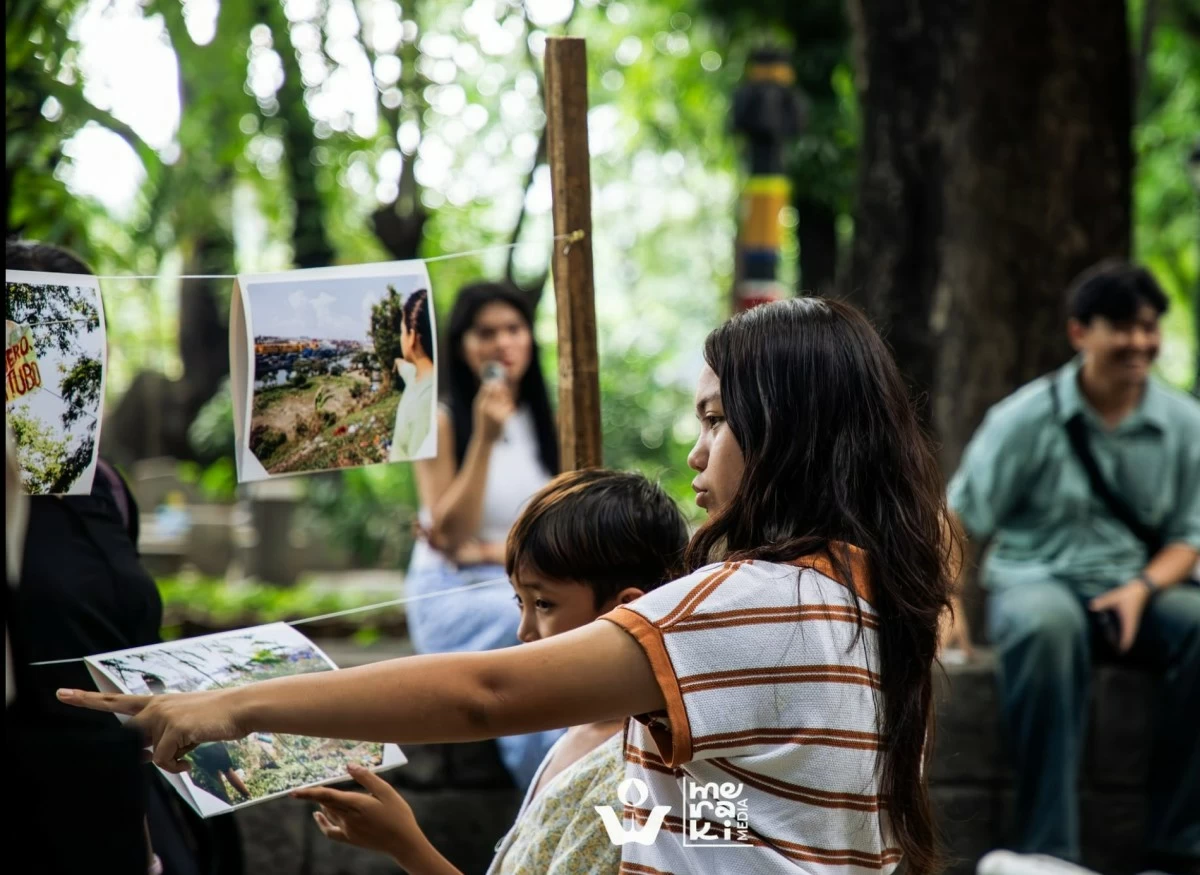
A documentary photo exhibition in Manila showcased the experiences and concerns of Smokey Mountain residents over the proposed P26.648-billion waste-to-energy (WtE) facility in Tondo, a project that government officials have promoted as part of Metro Manila’s waste management strategy but which has also drawn criticism from some residents and environmental groups.
The one-day exhibit, “Nothing About Us, Without Us,” held on July 4 at Kanlungan ng Sining in Rizal Park, featured photographs and stories from residents who questioned the proposed project and its potential environmental and public health impacts. The exhibition was free and open to the public.
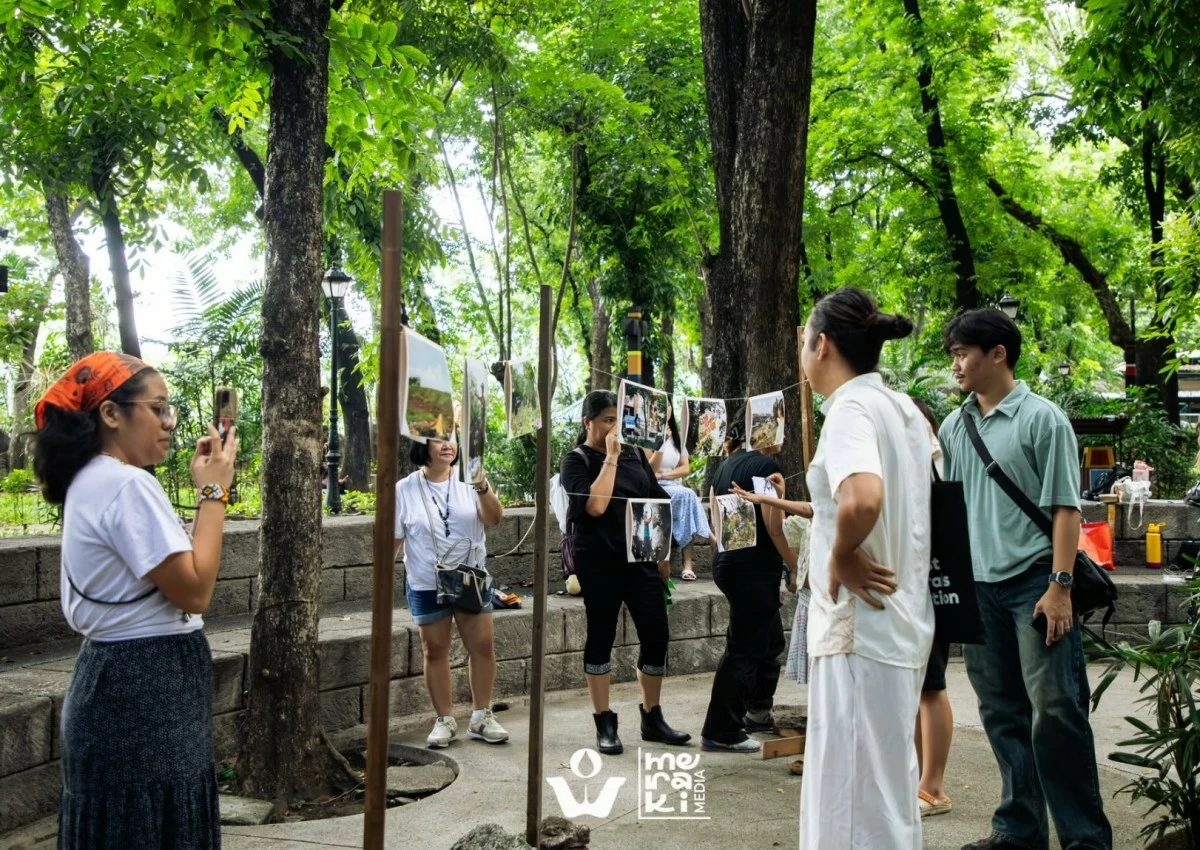
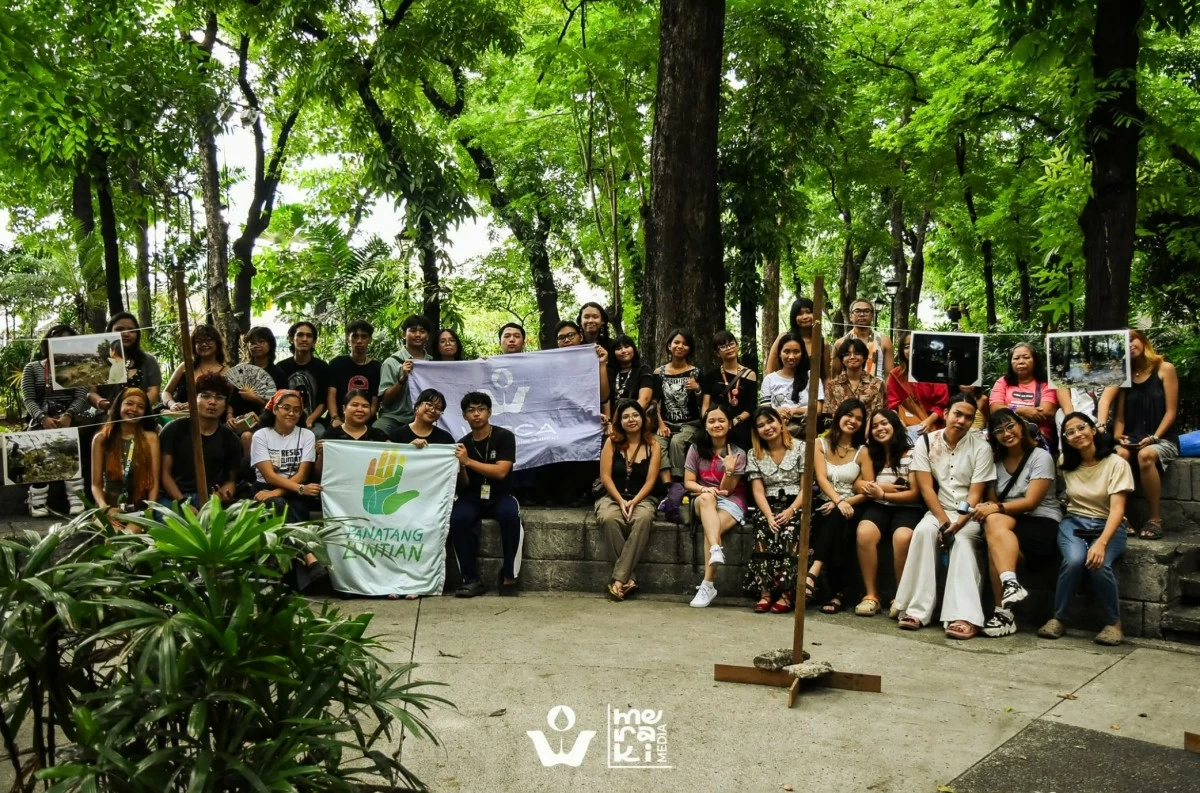
Documented by Meraki Media and presented by Women Innovating Culture, Change, and Advocacy (WICCA), in partnership with Smokey Mountain residents and environmental justice advocates, the exhibition, themed “Through the Lens of Survival: Climate Justice through the Eyes of Smokey Mountain Residents,” sought to highlight the perspectives of communities living closest to the proposed project.
Curated by Vijoh Fame Mora, head director of Meraki Media, the exhibition employed low-angle photography to challenge visual conventions that often portray marginalized communities as powerless. Rather than looking down on its subjects, the photographs portrayed residents at eye level, emphasizing their dignity, resilience, and agency.
“Kapantay ng baba nila sa lupa ang lente namin,” Mora shared during the exhibit. (“Our camera lens was at the same level as where they stood on the ground.”)
The photographs also retained natural lighting instead of the muted tones often associated with images of crisis. Mora said the visual approach reflected the belief that climate and environmental advocacy is rooted not only in resistance but also in the resilience of the communities involved.
The proposed project
The exhibition comes as the government moves forward with the proposed P26.648-billion, 100-megawatt waste-to-energy facility, first announced in 2025, as part of its response to Metro Manila's waste management challenges. Planned on a six-hectare site in Smokey Mountain, the project aims to process 3,000 tons of municipal waste daily and convert it into electricity.
Government officials have said the facility is intended to help address the region’s growing waste volume while generating power. During the exhibition, however, participating residents and environmental organizations expressed concerns over the project’s possible environmental and health implications.
The Global Alliance for Incinerator Alternatives (GAIA) said waste incineration produces hazardous ash and pollutants, including dioxins, which require long-term management and may pose risks to human health and the environment.
Research cited by GAIA Asia Pacific also noted that waste incineration generates bottom ash, fly ash, boiler ash, and wastewater. Health Care Without Harm has likewise discussed documented health risks associated with waste incineration technologies, including respiratory illnesses, impaired lung and brain development, certain cancers, and increased mortality.
Environmental organizations continue to call for stronger implementation of Republic Act No. 9003, or the Ecological Solid Waste Management Act, which prioritizes waste reduction, segregation, recycling, and materials recovery. Greenpeace has also urged policymakers to invest in reuse systems and renewable energy alternatives instead of waste-burning technologies.
Community concerns
Residents said that even before the proposed facility was announced, Smokey Mountain had undergone changes through urban gardening, recycling, and other community-led livelihood initiatives. What was once known primarily as a dumpsite has also become a source of food, income, and livelihood opportunities for many families.
Some residents said they believe those gains could be affected if the project proceeds. They also said they have sought dialogue with local officials while facing what they described as pressure to accept voluntary exit offers despite the absence of a clear relocation plan.
Speaking during the exhibition, resident Anora Madrid described what she said were repeated attempts by the community to seek a dialogue with city officials.
“Nagpasa na rin kami ng letter sa Office of the Mayor para makipag-diyalogo sa kanya, and then 'yung letter namin bumabalik sa aming kapitan. Kapag bumalik sa aming kapitan, aakyat ulit kami ng barangay at pinapatawag kami…” (We have already submitted a letter to the Office of the Mayor requesting a dialogue, but the letter keeps being returned to our barangay captain. When it goes back to the barangay, we are again asked to report to the barangay office…”)
Madrid said the issue goes beyond protecting homes, adding that residents are also concerned about preserving years of community-led environmental restoration, livelihoods built through recycling and urban farming, and the opportunity to participate in decisions affecting their community.
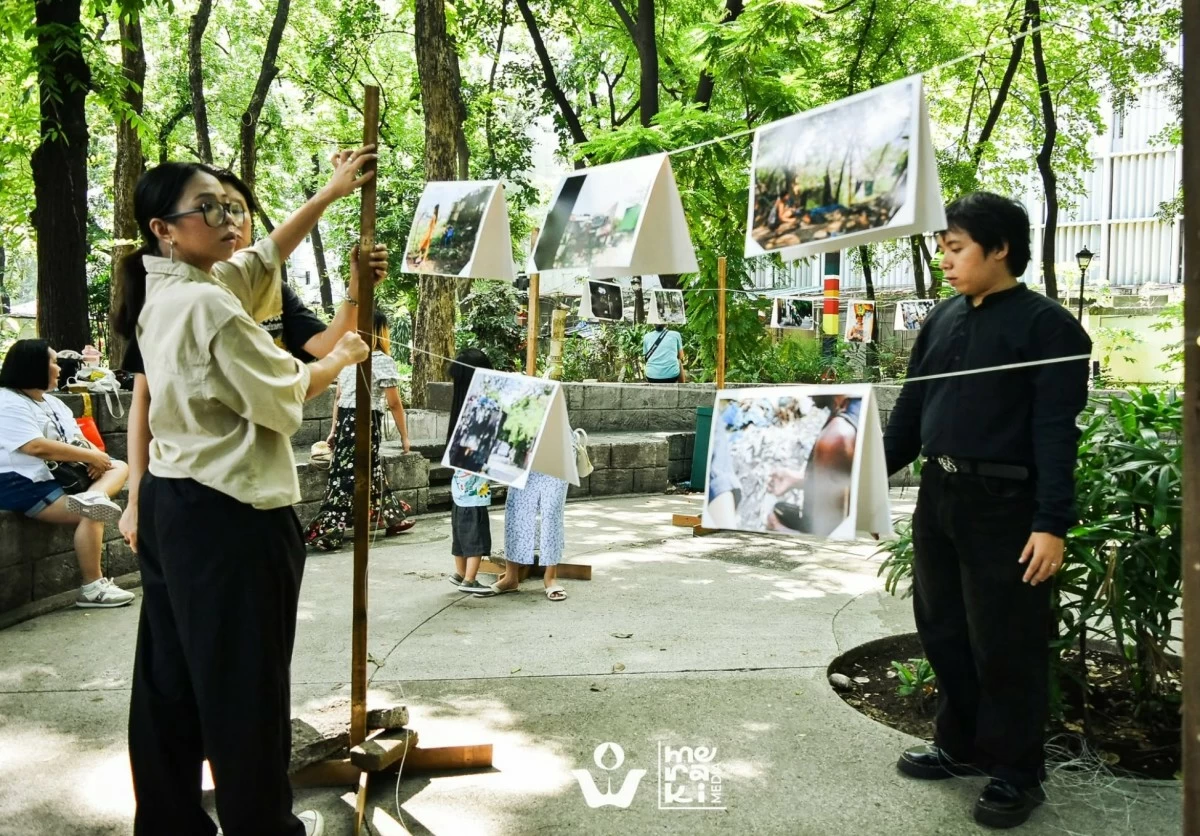
Beyond the photographs, “Nothing About Us, Without Us” highlighted what organizers described as the importance of community participation in discussions on development projects. Organizers said they hope the exhibit will encourage broader public dialogue on waste management, environmental protection, and the role of local communities in shaping decisions that affect them.
Following its July 4 launch, the exhibit was also presented on July 10 during the State of the Philippine Environment Forum 2026 at the University of the Philippines Diliman. WICCA said it also plans to bring “Nothing About Us, Without Us” to schools across Metro Manila as a mobile exhibition, with schedules and venues still being finalized.