






Manila Bulletin
 Lifestyle
Health and Wellness
How modern skin care is changing the way we think about aging
Lifestyle
Health and Wellness
How modern skin care is changing the way we think about aging
Lifestyle
Health and Wellness
How modern skin care is changing the way we think about aging
How modern skin care is changing the way we think about aging
Skin health is not a luxury
Published Jul 21, 2026 02:22 pm


For a long time, caring for your skin was framed as vanity—something extra, something you did once the real needs were met. That framing is quietly falling apart. More people now talk about their skin the way they talk about their heart or their teeth: as health, not indulgence. This Skin Awareness Month, a Galderma gathering made that shift its whole point, and I was fortunate to join two doctors I admire on the panel.
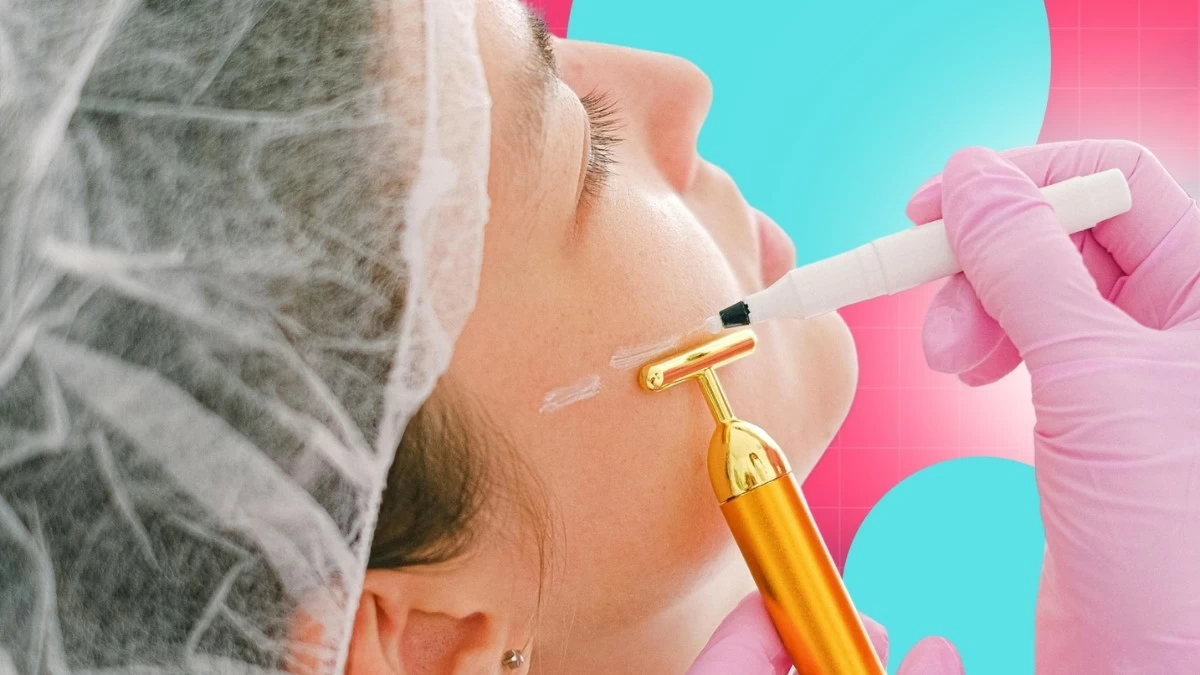
The theme was skin quality. It sounds like a beauty word, but it has a real definition—it refers to how your skin looks, feels, and performs, including an even tone, smooth texture, firmness, and a healthy glow. Not one of those alone. All of them together. And it matters more than we admit.
In a recent Galderma survey of more than 11,000 people across 11 countries, 85 percent said the quality of their skin affects their quality of life, and more than a third said it made them feel self-conscious or anxious. The Philippines wasn’t among the surveyed countries, but the feeling is familiar enough.
Dr. Jasmin Jamora, who now leads the Philippine Dermatological Society, set the tone with a line worth keeping: There is no health without skin health. She is a dermatopathologist—she reads skin under a microscope—and she has carried free care to islands that take a flight, a drive, and a three-hour boat ride to reach.
Her rule is the one every good doctor lives by: diagnosis before treatment. A cosmetic concern can sit on top of something that isn’t cosmetic at all. You have to look first.
Dr. Bryan Guevara, a dermatologist and dermatopathologist from Davao, made the same case from the acne angle. Clearing the pimple isn’t the finish line. In richly pigmented morena skin, inflammation often leaves lasting marks—dark spots, redness, and, in some cases, permanent scars that no cream will erase. Treating early and correctly is not vanity; it’s how you protect skin quality years down the line.
What both of them kept returning to is prevention. The wrinkle, the scar, the sagging—those are receipts. The bill was quietly accumulating years earlier.

That’s the heart of the preventive argument. Collagen, the scaffolding that keeps skin firm, declines slowly with age. The oft-quoted figure is about one percent a year from our mid-20s—and to be honest, that number traces to a single old study of forearm skin. But the direction isn’t in dispute. Women can lose roughly a third of their skin collagen in the five years after menopause. The foundation thins quietly, then fast.
Add where we live : A few degrees off the equator, an ordinary Manila noon pushes the UV index into “extreme,” and the sun becomes the leading driver of visible facial aging. Morena skin has more built-in protection, but more protection is not immunity. Daily sunscreen remains the cheapest preventive treatment we have.
When prevention needs help, two treatments came up—and they do different jobs. The first is hydration. Restylane Skinboosters place hyaluronic acid, the molecule the skin uses to hold water, into the skin itself, spread as fine microdroplets rather than to plump a single line.
In skin-model studies, hyaluronic acid did more than hydrate—it thickened the living layer of the skin and switched on genes tied to repair. On the face, improvements in hydration and texture generally last up to around a year. You’ll sometimes see “15 months” quoted; that figure came from a study on the back of the hand, so for the face, the more accurate figure is about 12 months.
The second job is structure, and here we get to regenerative biostimulators. Sculptra is made of poly-L-lactic acid. It doesn’t fill. It prompts your own cells to build new collagen over several months, then it dissolves. There’s biopsy evidence behind that. In one study, type I collagen—the skin’s main structural collagen—rose measurably at three and six months. It’s worth saying plainly that the study involved 14 people and was funded by the manufacturer. As much of this research is, a later, larger company-funded trial supported its use for cheek lines. The appeal is that the result is your own collagen, built gradually, rather than something poured in.
All three of us agreed on one thing above all: These are prescription procedures that should only be performed by doctors.
Earlier this year, the Philippine Dermatological Society warned the public about injectables administered by non-doctors after complications ranging from drooping eyelids and infections to skin death and blindness. Under Philippine law, a non-doctor injecting your face may be committing the illegal practice of medicine. Skin treatments done cheaply in a salon or a condo unit are not a bargain.
So here is the shift worth carrying beyond Skin Awareness Month. Good skin quality isn’t about looking 20 at 50, and it was never about looking whiter. Glow is not the same thing as being pale. It’s about skin that looks healthy because it is healthy, and about starting before the damage rather than chasing it afterward. Treat your skin as health, because it is. The best time to start is now.