ADVERTISEMENT

A decade on your wrist: How Samsung reinvents wellness with the Galaxy Watch

Published Jul 21, 2026 11:49 am
There was a time when a smartwatch was simply an extension of a smartphone, a convenient way to check notifications, answer calls, or glance at the time. Over the years, it has evolved into something far more personal: a companion that helps people better understand how they move, sleep, recover, and care for their overall well-being.
This shift reflects a broader change in how people approach health. As more people embrace healthier, more connected lifestyles, wearable technology has evolved beyond displaying notifications and tracking steps. Today’s smartwatch has become an intelligent wellness companion, supporting better sleep, encouraging consistent movement, guiding recovery, and helping users make more informed decisions about their health.
From Staying Connected to Living Better
For more than a decade, Samsung has been at the forefront of wearable innovation, continuously reimagining what people can expect from a smartwatch. What began with the Galaxy Gear in 2013 as a connected device for calls, notifications, and everyday convenience laid the foundation for something much bigger.
In 2018, Samsung ushered in the Galaxy Watch era, a shift that reflected the growing role of wearables as companions for health, fitness, and everyday life. Over the years, the Galaxy Watch lineup has continued to evolve with innovations such as heart rate monitoring, GPS, advanced sleep tracking, Electrocardiogram (ECG), blood pressure monitoring, Samsung’s BioActive Sensor, and the Samsung Health ecosystem, bringing users a more holistic view of their health.
Built for Every Journey, Powered by Galaxy AI
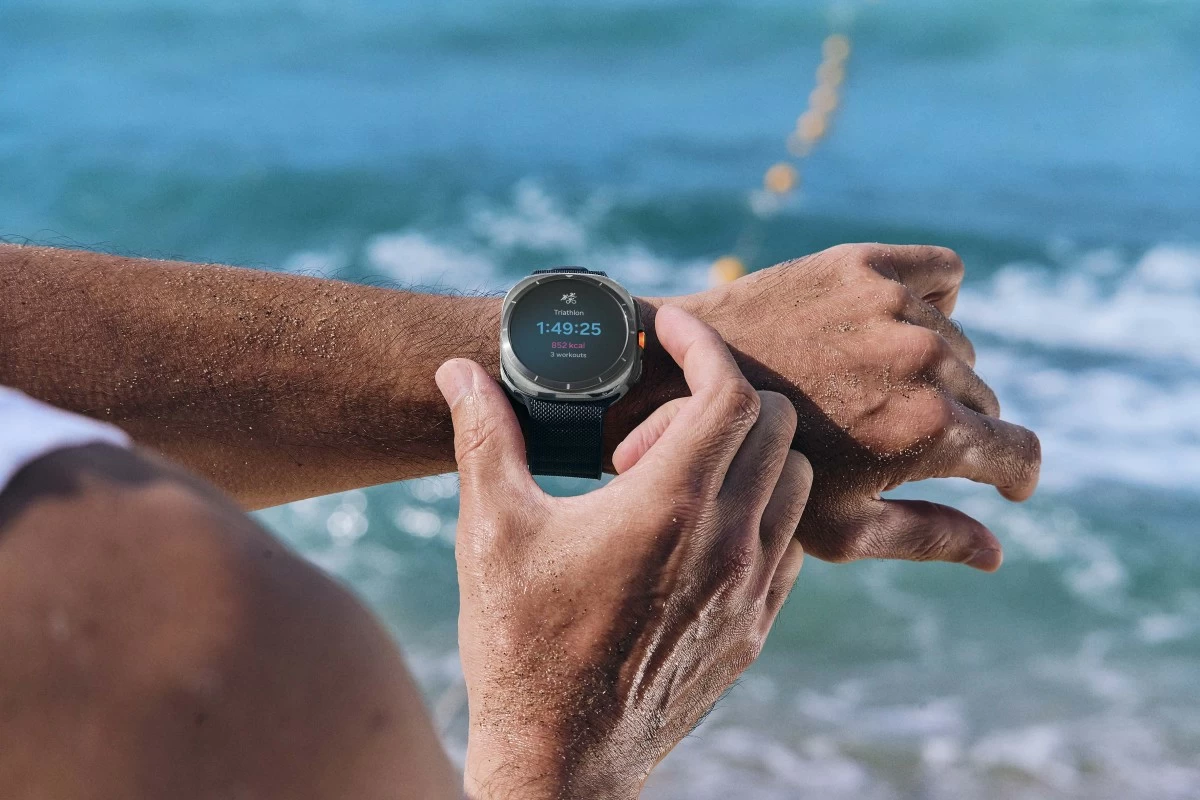
That journey reached another milestone in 2024 with the introduction of Galaxy Watch Ultra, Samsung’s most capable smartwatch designed for outdoor adventures, endurance training, and high-performance activities, while continuing to deliver intelligent health insights. Alongside it, the Galaxy Watch portfolio expanded to better support a wider range of lifestyles, fitness goals, and everyday wellness needs.
The next evolution arrived with Galaxy AI. Rather than simply recording health data, the Galaxy Watch now interprets it, delivering more personalized wellness insights, intelligent coaching, and proactive guidance tailored to each user’s unique lifestyle. Features like Energy Score, Bedtime Guidance, Running Coach, and Antioxidant Index represent a broader shift in wearable technology: from simply measuring health to helping people take meaningful action.
The Next Chapter Starts on Your Wrist
More than a story of technological advancement, the evolution of Galaxy Watch reflects how people’s expectations of wearables have changed over the past decade. What began as a way to stay connected has become a trusted companion that helps users better understand their bodies, build healthier routines, and navigate everyday life with greater confidence. As Samsung continues to innovate, Galaxy Watch continues to redefine what a smartwatch can be, bringing together intelligent technology, personalized wellness, and meaningful everyday experiences.
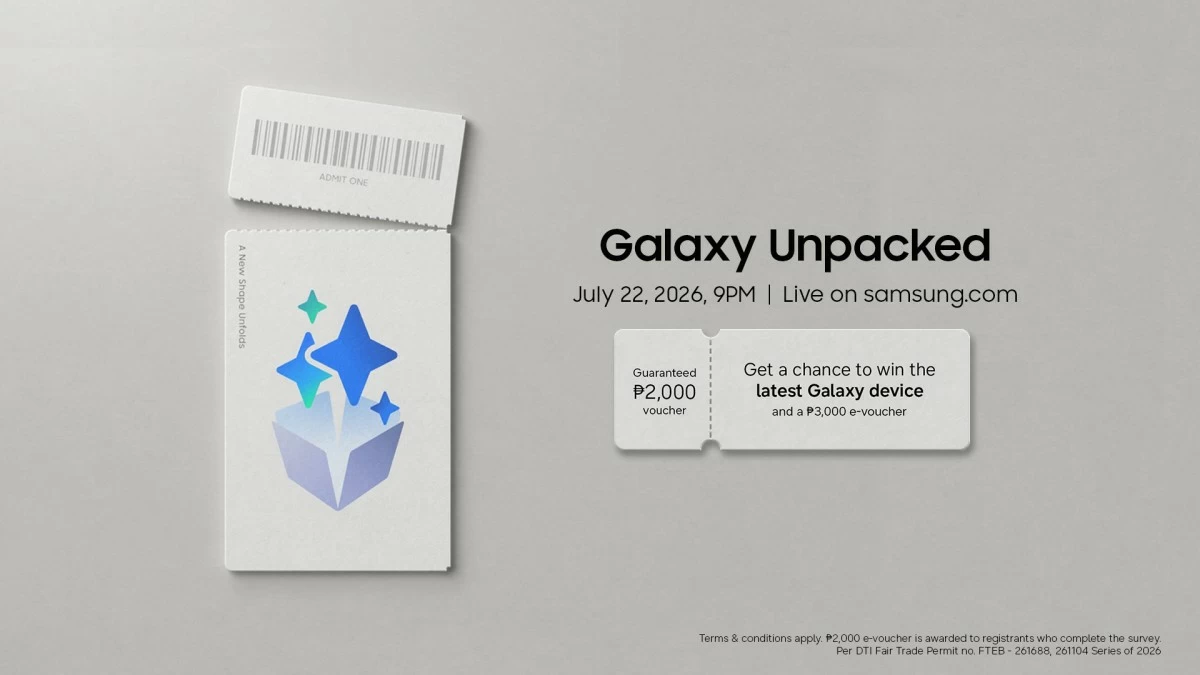
The journey continues at Galaxy Unpacked on July 22, where Samsung is set to unveil the latest additions to its Galaxy lineup and the next wave of AI-powered innovations. Tune in to the livestream at 9:00pm (Philippine Time) via Samsung.com, Samsung Newsroom, or Samsung's official YouTube or Facebook channels, and register in advance at samsung.com/ph/unpacked to receive a ₱2,000 e-voucher and a chance to win Samsung's newest Galaxy device.

Related Tags

Samsung Galaxy Unpack 2026 Galaxy Watch Galaxy Watch Ultra
ADVERTISEMENT
.most-popular .layout-ratio{ padding-bottom: 79.13%; } @media (min-width: 768px) and (max-width: 1024px) { .widget-title { font-size: 15px !important; } }

{{ articles_filter_1561_widget.title }}

.most-popular .layout-ratio{ padding-bottom: 79.13%; } @media (min-width: 768px) and (max-width: 1024px) { .widget-title { font-size: 15px !important; } }

{{ static_articles_1562_widget.title }}

.most-popular .layout-ratio{ padding-bottom: 79.13%; } @media (min-width: 768px) and (max-width: 1024px) { .widget-title { font-size: 15px !important; } }

{{ articles_filter_1563_widget.title }}

{{ articles_filter_1564_widget.title }}

.mb-article-details { position: relative; } .mb-article-details .article-body-preview, .mb-article-details .article-body-summary{ font-size: 17px; line-height: 30px; font-family: "Libre Caslon Text", serif; color: #000; } .mb-article-details .article-body-preview iframe , .mb-article-details .article-body-summary iframe{ width: 100%; margin: auto; } .read-more-background { background: linear-gradient(180deg, color(display-p3 1.000 1.000 1.000 / 0) 13.75%, color(display-p3 1.000 1.000 1.000 / 0.8) 30.79%, color(display-p3 1.000 1.000 1.000) 72.5%); position: absolute; height: 200px; width: 100%; bottom: 0; display: flex; justify-content: center; align-items: center; padding: 0; } .read-more-background a{ color: #000; } .read-more-btn { padding: 17px 45px; font-family: Inter; font-weight: 700; font-size: 18px; line-height: 16px; text-align: center; vertical-align: middle; border: 1px solid black; background-color: white; } .hidden { display: none; }
function initializeAllSwipers() { // Get all hidden inputs with cms_article_id document.querySelectorAll('[id^="cms_article_id_"]').forEach(function (input) { const cmsArticleId = input.value; const articleSelector = '#article-' + cmsArticleId + ' .body_images'; const swiperElement = document.querySelector(articleSelector); if (swiperElement && !swiperElement.classList.contains('swiper-initialized')) { new Swiper(articleSelector, { loop: true, pagination: false, navigation: { nextEl: '#article-' + cmsArticleId + ' .swiper-button-next', prevEl: '#article-' + cmsArticleId + ' .swiper-button-prev', }, }); } }); } setTimeout(initializeAllSwipers, 3000); const intersectionObserver = new IntersectionObserver( (entries) => { entries.forEach((entry) => { if (entry.isIntersecting) { const newUrl = entry.target.getAttribute("data-url"); if (newUrl) { history.pushState(null, null, newUrl); let article = entry.target; // Extract metadata const author = article.querySelector('.author-section').textContent.replace('By', '').trim(); const section = article.querySelector('.section-info ').textContent.replace(' ', ' '); const title = article.querySelector('.article-title h1').textContent; // Parse URL for Chartbeat path format const parsedUrl = new URL(newUrl, window.location.origin); const cleanUrl = parsedUrl.host + parsedUrl.pathname; // Update Chartbeat configuration if (typeof window._sf_async_config !== 'undefined') { window._sf_async_config.path = cleanUrl; window._sf_async_config.sections = section; window._sf_async_config.authors = author; } // Track virtual page view with Chartbeat if (typeof pSUPERFLY !== 'undefined' && typeof pSUPERFLY.virtualPage === 'function') { try { pSUPERFLY.virtualPage({ path: cleanUrl, title: title, sections: section, authors: author }); } catch (error) { console.error('ping error', error); } } // Optional: Update document title if (title && title !== document.title) { document.title = title; } } } }); }, { threshold: 0.1 } ); function showArticleBody(button) { const article = button.closest("article"); const summary = article.querySelector(".article-body-summary"); const body = article.querySelector(".article-body-preview"); const readMoreSection = article.querySelector(".read-more-background"); // Hide summary and read-more section summary.style.display = "none"; readMoreSection.style.display = "none"; // Show the full article body body.classList.remove("hidden"); } document.addEventListener("DOMContentLoaded", () => { let loadCount = 0; // Track how many times articles are loaded const offset = [1, 2, 3, 4, 5, 6, 7, 8, 9, 10]; // Offset values const currentUrl = window.location.pathname.substring(1); let isLoading = false; // Prevent multiple calls if (!currentUrl) { console.log("Current URL is invalid."); return; } const sentinel = document.getElementById("load-more-sentinel"); if (!sentinel) { console.log("Sentinel element not found."); return; } function isSentinelVisible() { const rect = sentinel.getBoundingClientRect(); return ( rect.top < window.innerHeight && rect.bottom >= 0 ); } function onScroll() { if (isLoading) return; if (isSentinelVisible()) { if (loadCount >= offset.length) { console.log("Maximum load attempts reached."); window.removeEventListener("scroll", onScroll); return; } isLoading = true; const currentOffset = offset[loadCount]; window.loadMoreItems().then(() => { let article = document.querySelector('#widget_1690 > div:nth-last-of-type(2) article'); intersectionObserver.observe(article) loadCount++; }).catch(error => { console.error("Error loading more items:", error); }).finally(() => { isLoading = false; }); } } window.addEventListener("scroll", onScroll); });

Sign up by email to receive news.