






 Opinion
70 years of Japan-Philippines ties — Japan and ASEAN 'Navigating Our Future, Together'
Opinion
70 years of Japan-Philippines ties — Japan and ASEAN 'Navigating Our Future, Together'
70 years of Japan-Philippines ties — Japan and ASEAN 'Navigating Our Future, Together'


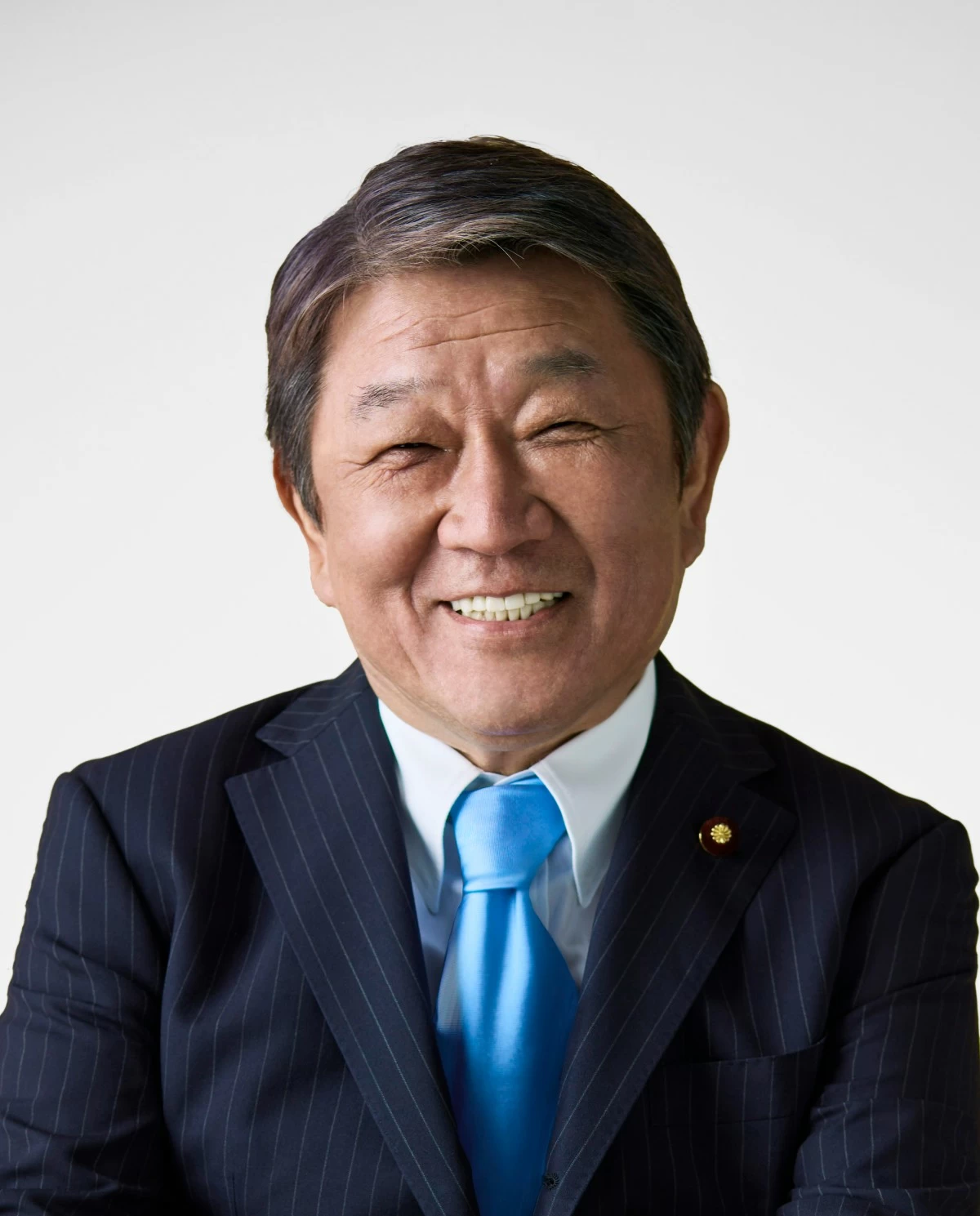
By JAPANESE FOREIGN MINISTER MOTEGI TOSHIMITSU
Amid the structural changes taking place in the world, I would like to express my deepest respect to the Government of the Philippines for its dedication to hosting the ASEAN-related Foreign Ministers’ Meetings under the theme of “Navigating Our Future, Together.” In this milestone year marking the 70th anniversary of the normalization of diplomatic relations between Japan and the Philippines, I am delighted to visit this country once again, following my visit in January. I extend my sincere gratitude to the people of the Philippines for their warm welcome.
The Philippines is one of Japan’s closest like-minded partners, sharing fundamental values and principles. Following the state visit of President Marcos to Japan in May, our bilateral relations were elevated to a “Comprehensive Strategic Partnership.” This reflects the strong determination of both countries to continue strengthening bilateral relations in a sustained and multilayered manner without being swayed by changes in the international environment.
In his speech delivered before the National Diet of Japan, President Marcos mentioned that former President Quirino’s choice of the path toward reconciliation after the war laid the foundation for the trust and friendship that endure to this day. I reiterate my profound respect to the countries of the region, including the Philippines, for choosing to move forward together hand-in-hand with Japan. It is a great honor that Japan has been selected as the most trusted partner in the ASEAN region for eight consecutive years since the inception of the State of Southeast Asia Survey Report, a prominent regional public opinion report. Building upon these accumulated achievements, we are committed to steadily deepening Japan-Philippines relations.
The free and open international order based on the rule of law that we have built has been shaken in other parts of the world, and is now facing various challenges in the Indo-Pacific region as well. In this context, ASEAN’s presence at the heart of the region, and its central role, are more vital than ever.
To ensure the prosperity and stability of this region, it is crucial to realize the ASEAN Community Vision 2045, guided by the ASEAN Outlook on the Indo-Pacific (AOIP) as a key pillar of this endeavor. Japan is fully committed to supporting efforts toward this goal.
The Free and Open Indo-Pacific (FOIP) vision proposed by Japan ten years ago aims to maintain and strengthen a free and open international order based on the rule of law, sharing the same direction and fundamental principles with the AOIP. The core of its implementation is precisely the ASEAN region, which values shared principles such as “openness,” “transparency,” and “inclusivity.”
In May, Japan announced its updated FOIP, building on the achievements of the previous FOIP. In this new iteration, we have emphasized support for regional partners to acquire resilience and capability to have freedom to decide for themselves. In this regard, we believe it is important to focus on the following three areas, in light of the current international situation.
First, each country has to possess the capability to defend its own territory and territorial waters.
Japan will seamlessly utilize and coordinate the full range of policy tools at its disposal—including Official Development Assistance (ODA), Official Security Assistance (OSA), and defense equipment transfers and related cooperation to contribute to strengthening the security and law enforcement capabilities of countries in the region.
Second is energy security and economic security, including critical minerals. Given that the current situation in the Middle East significantly affects Asian countries, Japan has launched the Partnership On Wide Energy and Resources Resilience in Asia (POWERR Asia). To enhance regional supply chain resilience, Japan is working on the immediate procurement of crude oil and petroleum products in Asia, alongside establishing stockpiling systems and diversifying energy sources. We will also develop the Asia Zero Emission Community (AZEC) by incorporating the perspectives of economic and energy resilience.
Third, the capacity to respond to rapid technological advancements and increasingly severe disasters is also indispensable. Japan will focus on developing both hard and soft infrastructure, which are necessary for the age of AI and data. Furthermore, drawing upon our own experience and expertise, we will work to address disasters, which are becoming more severe and frequent due to the impacts of climate change.
Through these initiatives, we aim to realize an Indo-Pacific where we can “become more resilient and prosperous together” with the region as a whole. To this end, Japan will cooperate with ASEAN countries, including the Philippines, to continue contributing to the peace, stability, and prosperity of the region. At the ASEAN-related Foreign Ministers’ Meetings as well, I look forward to exchanging views and joining in-depth discussions on ways to “Navigate Our Future, Together.”