







Why accountability matters to every Filipino
Published Jul 20, 2026 12:05 am
|
Updated Jul 19, 2026 03:53 pm


FROM THE MARGINS
Trust is one of the most valuable assets any institution can possess. Over the past four decades of working alongside poor communities, I have learned that trust is earned through accountability.
Families save because they trust financial institutions to safeguard what they have worked hard to earn. Borrowers repay their loans because they understand that accountability allows others to access the same opportunities. Organizations grow not simply because they have capable leaders, but because they practice transparency, stewardship, and responsibility. These same principles apply to public service.
Government exists because the people entrust public officials with authority to serve the common good. That authority is not a privilege but a responsibility to be exercised with integrity. Public office carries the obligation to remain transparent, accountable, and faithful to the Constitution and the laws of the land.
This is why accountability matters to every Filipino.
The ongoing impeachment trial in the Senate is more than a legal proceeding or a political event. It is a constitutional mechanism for ensuring that holders of high public office remain accountable to the people they serve. Regardless of our political beliefs or preferred leaders, every Filipino has a stake in seeing that this process is conducted fairly, transparently, and according to the rule of law.
The issue is larger than any one individual. It is about the strength of our democratic institutions, preserving public confidence, and maintaining the trust that binds citizens and government together.
As citizens, we often think that our role in democracy begins and ends at the ballot box. Voting is one of our most important civic responsibilities, but democracy does not end after election day. Good governance requires citizens who remain engaged — people who pay attention to public affairs, understand how decisions are made, and expect public institutions to uphold the principles they were created to protect.
This does not require blind loyalty to political leaders or automatic suspicion of those in public office. Rather, it calls for something more valuable: the discipline to seek facts before forming opinions, to listen before judging, and to evaluate issues based on evidence rather than emotion or political preference.
In today's digital environment, this responsibility has become even more important. Information spreads instantly, but accuracy does not always keep pace. Headlines, short video clips, and social media posts often present only fragments of complex issues, while misinformation can deepen divisions and weaken public trust.
For this reason, Filipinos should take time to follow the impeachment proceedings through credible and complete sources. Watching the hearings, reading official records, listening carefully to the arguments of both the prosecution and the defense, and understanding the constitutional issues involved enable citizens to form informed judgments rather than relying solely on commentary or online narratives.
This lesson is not unique to government. Throughout our work in financial inclusion and poverty alleviation, we have seen that communities flourish when people understand the institutions that they belong to and participate actively in their governance. Whether in a cooperative, a microfinance institution, a mutual benefit association, or a community organization, transparency fosters trust, and trust encourages participation.
Good governance cannot be achieved by public officials alone. It requires citizens who remain engaged, not only during elections or times of controversy, but throughout the life of our democracy. The Senate also carries a profound responsibility during this process. Whatever the outcome, the Filipino people must be assured that the proceedings were conducted with impartiality, integrity, respect for due process, and fidelity to the Constitution.
The poor are often the first to suffer when public institutions lose credibility. Weak governance discourages investment, slows economic opportunities, diverts scarce public resources, and erodes confidence in the institutions people depend upon. Accountability is not merely an abstract constitutional principle. It is a foundation for inclusive development, stronger institutions, and lasting poverty reduction.
Our democracy will be strengthened not because every citizen agrees on the outcome of a single trial, but because we uphold accountability through constitutional processes rather than misinformation or partisan politics.
The health of our nation depends not only on leaders of integrity but also on citizens of discernment. Each of us has a role to play. We may never sit in the Senate chamber or argue before the courts, but we can choose to remain informed, seek reliable sources, reject misinformation, engage in thoughtful conversations, and hold public officials to high standards while respecting the institutions that safeguard both accountability and fairness.
Democracy is something we strengthen every day through responsible citizenship. When we choose to be informed rather than indifferent, thoughtful rather than reactionary, and principled rather than partisan, we help preserve the public trust that makes good governance possible -- and build a nation where every Filipino has the opportunity to live with dignity, security, and hope.
* * *
"Good governance is perhaps the single most important factor in eradicating poverty and promoting development." – Kofi Anann
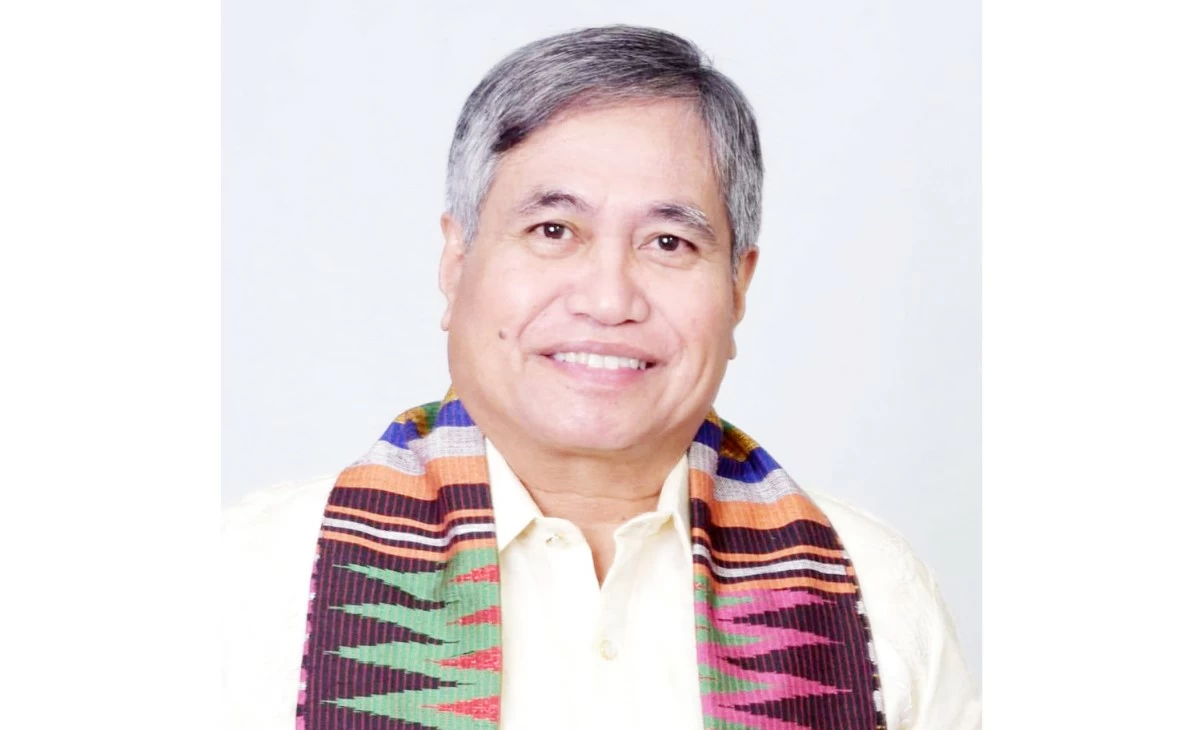
(Dr. Jaime Aristotle B. Alip is a poverty eradication advocate. He is the founder of the Center for Agriculture and Rural Development Mutually-Reinforcing Institutions (CARD MRI), a group of 23 organizations that provide social development services to 8 million economically-disadvantaged Filipinos and insure more than 27 million nationwide.)