







PSE shut out as Southeast Asia IPOs surge on mega deals
Published Jul 20, 2026 05:46 am


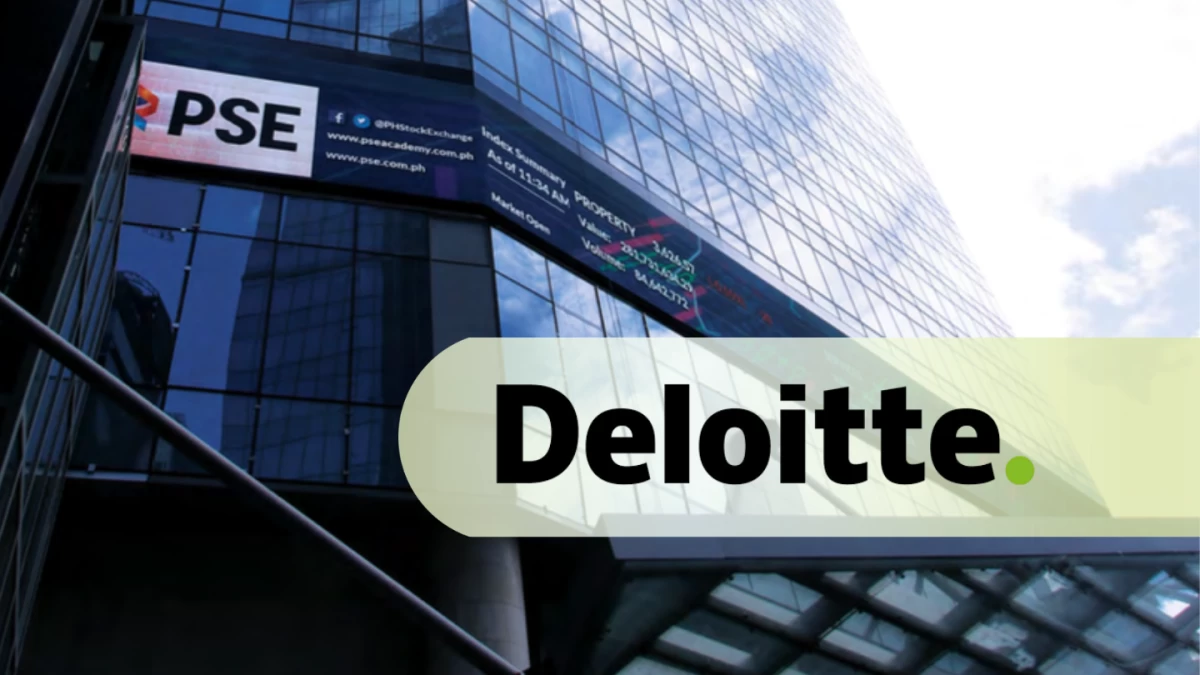
The domestic capital market ground to a complete halt in the first half of the year, failing to log a single initial public offering (IPO) even as Southeast Asian neighbors captured billions in blockbuster listings.
According to data from the Deloitte Southeast Asia Mid-Year IPO Snapshot 2026, the Philippines accounted for exactly zero percent of the region’s IPO proceeds and deal volume.
During the first half of 2025, the local market saw just one modest $12 million listing from Cebu-based fuel retailer Top Line Business Development Corp.
The local freeze stands in stark contrast to the broader regional trend favoring institutional “quality over quantity.” In total, Southeast Asian IPOs raised $3.07 billion in the first half of the year.
Malaysia dominated the activity with 36 listings raising $1.34 billion, fueled by large-scale deals like Sunway Healthcare Holdings Berhad’s $707 million debut. Meanwhile, Singapore secured $868 million from just five listings, averaging a hefty $174 million per deal.
“The market [Southeast Asia IPO] is likely to continue shift toward fewer but large, higher-quality deals,” noted Tay Hwee Ling, Deloitte Southeast Asia and Singapore capital markets services leader. “Market execution is expected to remain selective.”
Manila’s boardroom caution stems from a pricing standoff, Deloitte said. Local business owners remain highly sensitive to valuation expectations and dilution concerns in a restrictive interest rate environment, creating a disconnect with what public investors are willing to pay.
Deloitte observed that near-term Philippine pipeline momentum is now heavily dependent on “pricing discipline and investor confidence.”
Compounding issuer hesitation is regulatory uncertainty surrounding the Philippine Stock Exchange’s (PSE) proposed amendments to Minimum Public Ownership (MPO) rules. The proposed tiered framework would mandate a 33 percent public float requirement for smaller companies, scaling down to 15 percent or 12 percent for exceptionally large listings.
While intended to boost liquidity and investor protection, market experts warned the rules may be pricing out mid-sized corporations and inadvertently worsening the listing drought.
The structural gridlock has left the Philippines suffering from severe regional “FOMO: (fear of missing out) as international institutional capital bypasses Manila for more aggressive markets. Vietnam, for instance, engineered a dramatic economic bounce-back, jumping from zero IPOs in H1 2025 to four listings that garnered $6.93 billion in market capitalization.
Hanoi’s momentum has been fueled by market reforms, including the removal of pre-funding frictions, ahead of its official upgrade to FTSE secondary emerging market status starting in September 2026.