






Manila Bulletin
 Business
The Economy
Double whammy: Diesel jumps over ₱10 per liter as power bills threaten to spike
Business
The Economy
Double whammy: Diesel jumps over ₱10 per liter as power bills threaten to spike
Business
The Economy
Double whammy: Diesel jumps over ₱10 per liter as power bills threaten to spike
Double whammy: Diesel jumps over ₱10 per liter as power bills threaten to spike
Published Jul 20, 2026 03:17 pm
|
Updated Jul 20, 2026 01:35 pm


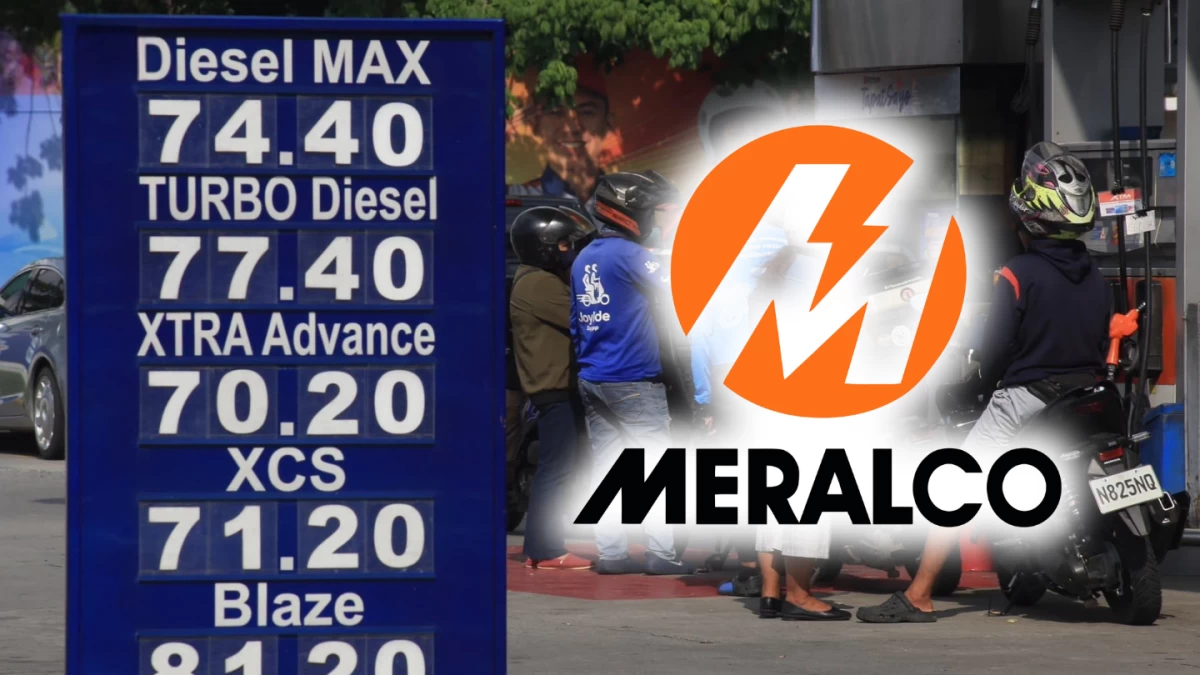
Filipino households face an imminent double whammy of rising energy costs as pump prices surge and power bills threaten to escalate further due to global supply disruptions.
Fuel retailers are scheduled to implement steep price increases effective Tuesday, July 21. Diesel prices will jump by ₱10.68 per liter, while kerosene will rise by ₱11.77 per liter. Gasoline will see a smaller increase of ₱3.65 per liter.
The Department of Energy (DOE) has already requested oil companies to stagger these price adjustments to cushion the immediate financial impact on motorists.
The price surge stems from escalating geopolitical conflict between the United States (US) and Iran rather than domestic factors, according to Energy Secretary Sharon Garin. Tensions near the Strait of Hormuz have disrupted tanker traffic and rattled regional energy supply chains.
ING Economics noted that alternative transit routes through Saudi Arabia remain vulnerable, heightening fears of sustained supply friction for Asian importers.
Despite the international volatility, domestic oil inventories remain comfortably above the legally mandated 30-day minimum threshold.
The Philippines currently holds approximately 45.77 days of total fuel reserves. Kerosene accounts for the largest buffer at 139.97 days, followed by diesel at 45.94 days and gasoline at 43.37 days. Liquefied petroleum gas inventory stands at 34.30 days.
Government officials have not initiated talks for emergency offshore procurements, citing adequate stock levels.
The pressure at the pump threatens to spill into monthly utility charges. Energy Undersecretary Rowena Guevara warned that electricity bills could remain elevated next month, depending on fuel price movements over the next eight weeks.
The energy department is urging distribution utilities to maximize cheaper fuel sources to contain generation costs.
The price warning comes as the Philippines already grapples with the highest electricity rates in Asia, recording a national average residential tariff of ₱12.24 per kilowatt-hour in June.
Regional rate disparities remain pronounced: Southern Leyte Electric Cooperative reported the nation's highest residential rate at ₱16.57 per kilowatt-hour, surpassing Manila Electric Co. (Meralco), the country's largest distributor, which charged around ₱14 per kilowatt-hour.
Meralco’s elevated rates were driven by higher generation charges linked to elevated wholesale electricity spot market prices. The spot market volatility was exacerbated by surging power demand, recurring grid yellow and red alerts, and regional transmission bottlenecks.
However, the upward pressure on Meralco's final billings was partially muted by lower transmission charges and ongoing customer refund mechanisms.
While official power price forecasts remain unconfirmed, energy officials are working alongside the Energy Regulatory Commission to maintain fair pricing standards. In the interim, authorities are urging residential and commercial consumers to practice energy conservation to curb peak demand spikes that drive market prices higher.