







Poland's growing appetite for the PH market
Published Jul 19, 2026 05:16 am


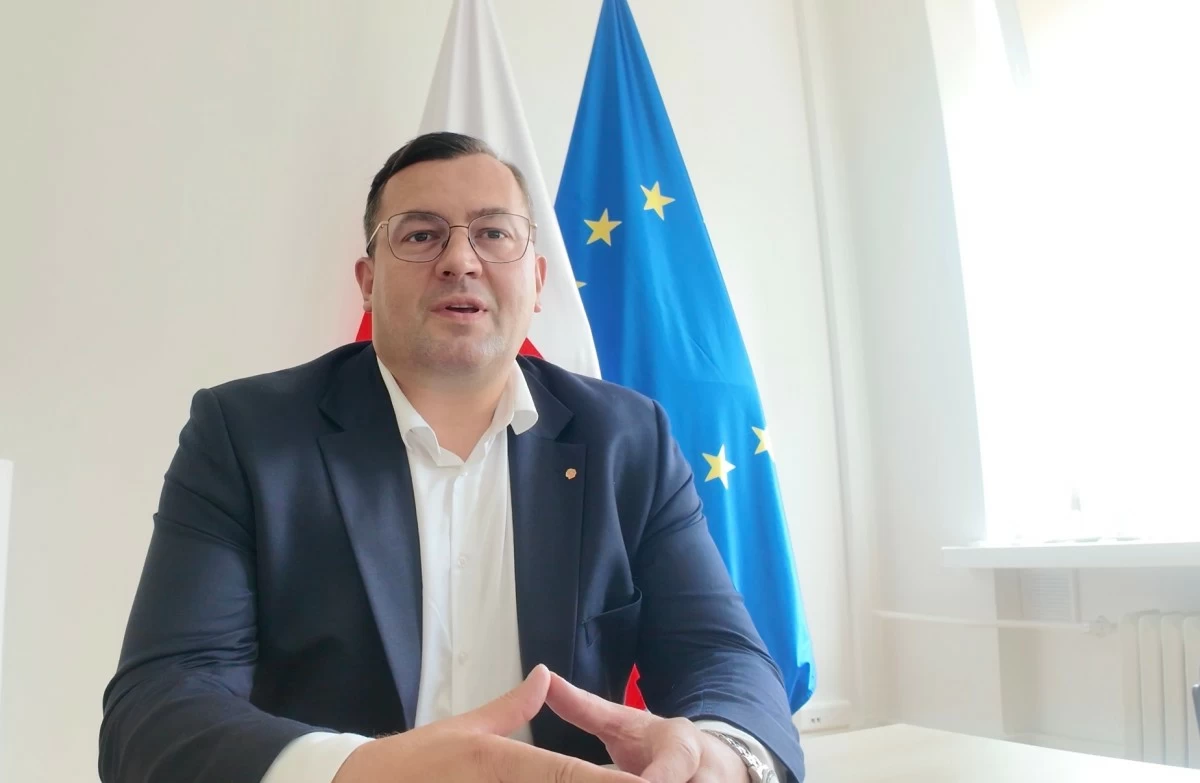
Poland’s Minister of Agriculture and Rural Development Stefan Karjewski tells journalists from the Philippines that he hopes to expand his country’s presence in the Philippines’ food industry through joining WOFEX (Photos: Carolyn Ramoran Hamilton/Manila Bulletin)
In a small village outside the historic Polish city of Sandomierz, 73-year-old cheesemaker Marius Michał Małkiewicz still makes cheese much the way generations before him have.
Among his creations is one of his most distinctive cheeses, inspired by the region’s famous striped flint. A light coating of wood ash gives the rind its gray, layered appearance, closely resembling the unique stone found in the Świętokrzyskie region. Like the flint itself, the cheese tells a story of place, tradition, and craftsmanship.
Until recently, products similar to Małkiewicz’ were unlikely to find their way to Filipino consumers.
That may soon change.
As Poland deepens its economic engagement with the Philippines, it is making one of its strongest pushes yet to introduce more of its food products to the local market. Later this month, Poland will mount its first-ever “Poland Tastes Good” National Pavilion at the World Food Expo (WOFEX) in Manila, bringing together some of the country’s largest food producers alongside family-owned businesses that represent Poland’s rich culinary heritage.
The initiative comes at a particularly timely moment. The Philippines and the European Union have recently concluded negotiations for a Free Trade Agreement, paving the way for what both sides hope will be expanded trade and investment once the agreement enters into force. For Poland—already one of Europe’s agricultural powerhouses—the Philippines is increasingly viewed as one of Southeast Asia’s most promising food markets.
“Our presence at WOFEX reflects our commitment to developing long-term partnerships and expanding access to high-quality Polish food products for Philippine consumers and businesses,” Polish Minister of Agriculture and Rural Development Stefan Krajewski said during a sit down with Filipino journalists in his office in Warsaw.
The numbers suggest that relationship is already gaining momentum. According to Polish government data, agri-food exports to the Philippines reached approximately $106 million in 2025, a 30.6 percent increase from the previous year. Dairy products and poultry continue to lead exports, while opportunities are also growing for pork, processed foods, confectionery, snacks.
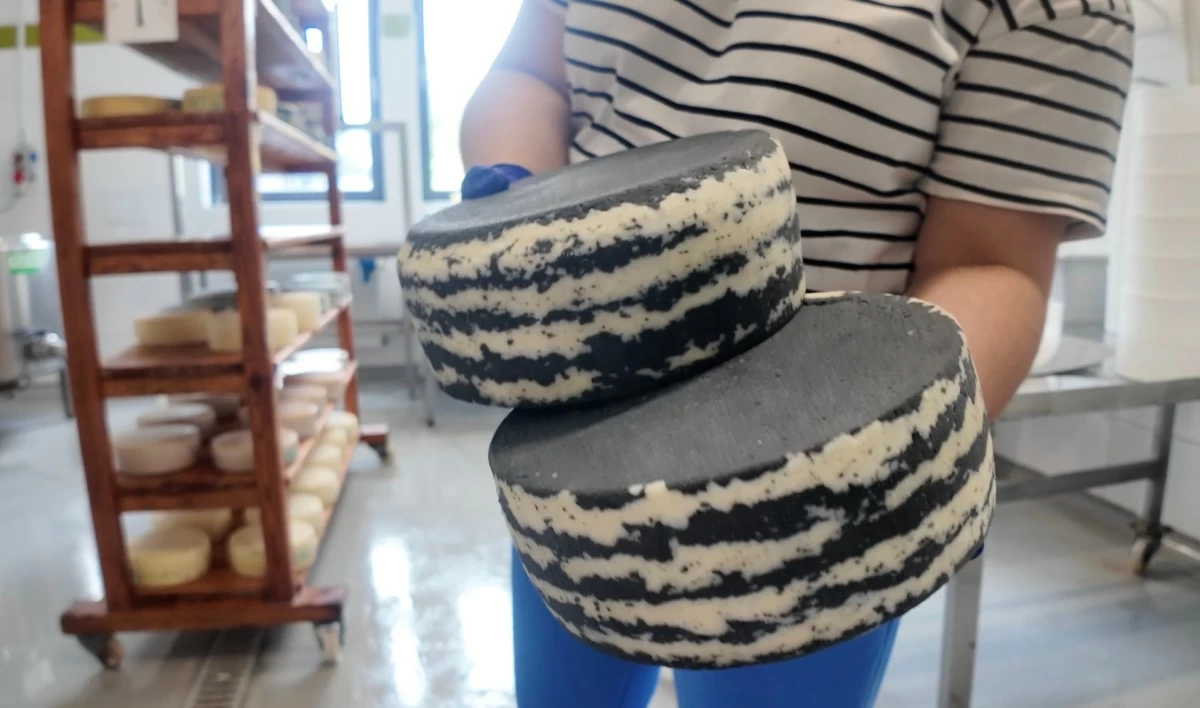
Meat and dairy are some of the main products Poland wishes to highlight at WOFEX, particularly the safety standards their products go through
Poland is also looking beyond dairy and meat.
Among the products it hopes to introduce to Filipino consumers are Polish apples, an industry for which the country has earned an international reputation. During a recent visit to the Sandomierz region—often regarded as one of Poland’s apple-growing heartlands—this writer saw firsthand how family-owned orchards combine generations of experience with modern agricultural practices.
One such company is SanGrow, a family-run business already exporting Polish apples to markets around the world. Walking through rows of meticulously maintained orchards, owner Krzysztof Gotfryd explained how every stage of production—from pruning and irrigation to harvesting and storage—is carefully managed to ensure consistent quality while minimizing waste and promoting sustainable farming practices.
The attention to detail is evident long before the fruit reaches consumers. Apples that fail to meet export standards are removed early, allowing the remaining fruit to develop more evenly while reducing unnecessary waste. It is a level of precision that has helped Polish apples compete successfully in markets across Europe, the Middle East, and Asia.
Now, the Philippines could become one of their next destinations.
“Definitely, we are planning to export our apples because we are famous for our apples both in the European Union and across the world,” Krajewski said. “All the preparations are in progress to make it happen.”
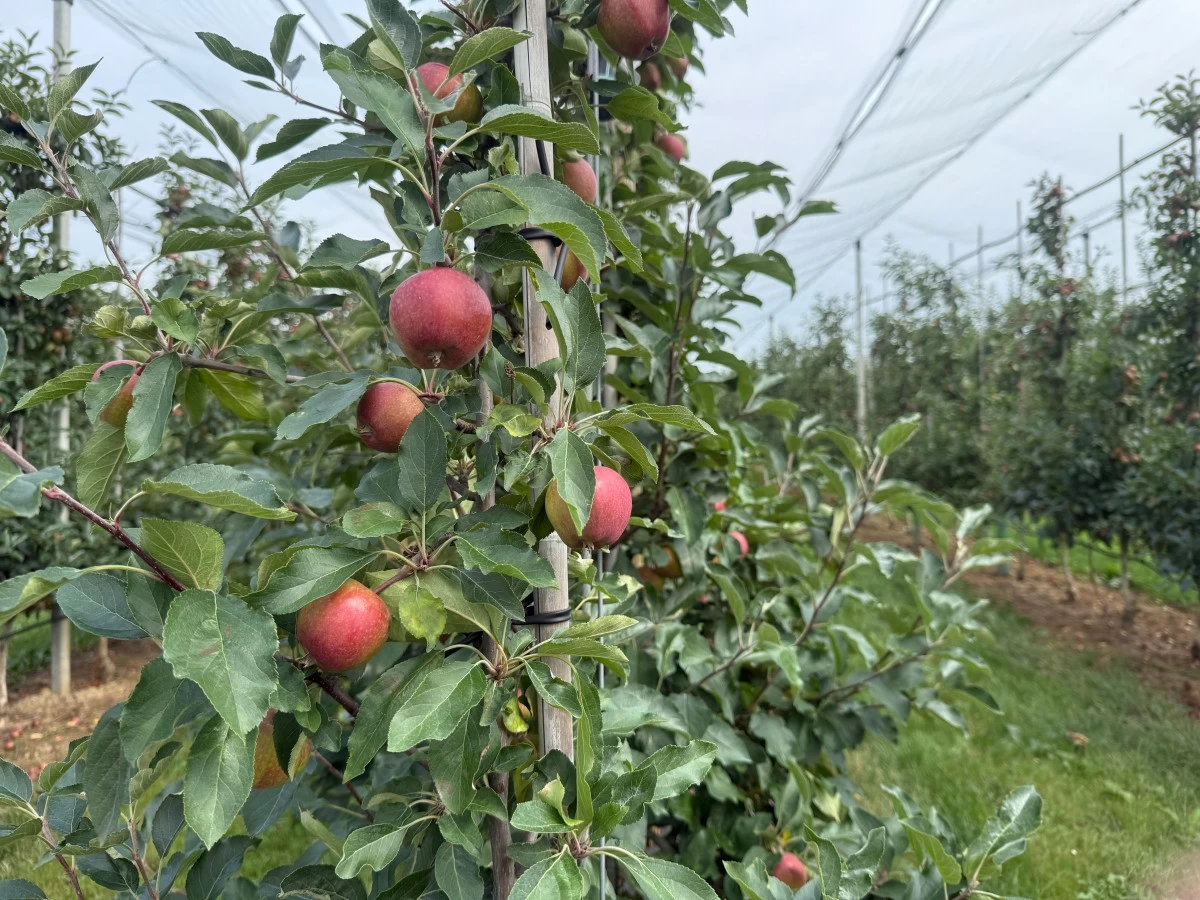
Polish apples are hoping to enter the Philippine market to compete in the current market dominated by Japan, China, US, and New Zealand. In the photo are young apples from SanGrow which will be ready for harvest in two months.
While apples are still undergoing market access procedures, visitors to WOFEX will already have the opportunity to discover many of the products that have established Poland as one of Europe’s leading food exporters.
Eleven Polish companies—including dairy cooperatives, meat producers, confectionery manufacturers, and snack makers—will showcase everything from milk powders and UHT milk to poultry, pork, chocolates, biscuits, wafers, and food ingredients. A live culinary demonstration led by a Polish chef will introduce visitors to traditional dishes such as “kotlet schabowy” (breaded pork cutlet), “bitki” (braised beef), and “rosół,” Poland’s iconic chicken broth.
Poland’s participation is significant for another reason. This year’s WOFEX marks the country’s first-ever national pavilion at the Philippines’ largest food and hospitality trade exhibition—a milestone that reflects Warsaw’s growing confidence in the Philippine market and its commitment to building long-term commercial partnerships.
“The Philippines is one of the most promising food markets in Southeast Asia and an increasingly important destination for Polish exports,” Krajewski said. “Our presence at WOFEX reflects our commitment to developing long-term partnerships and expanding access to high-quality Polish food products for Philippine consumers and businesses.”
That confidence is rooted in Poland’s reputation for food safety and quality.
Chief Veterinary Officer Paweł Meyer said Polish exporters are required to comply with both European Union regulations and international standards.
“We are obligated to comply with all EU standards in production of meat products, but we also comply with the highest international quality standards,” he said.
He added that Poland’s veterinary inspection system maintains strict oversight throughout the production process, helping ensure that food reaching export markets meets rigorous safety and quality requirements.
Food has long been one of diplomacy’s most effective ambassadors. Long before people visit another country, they often encounter its culture through what it serves at the table. A handcrafted cheese inspired by the striped flint of Sandomierz or an apple grown in a family orchard can tell stories of geography, history, and tradition just as effectively as any tourism campaign.
As Poland prepares for its biggest food promotion yet in the Philippines, the opportunity extends beyond expanding supermarket shelves. It is about creating new connections—between producers and buyers, between farmers and consumers, and ultimately between two countries whose relationship continues to grow.