






Manila Bulletin
 Lifestyle
Arts and Culture
Solenn Heussaff explores an emotional landscape in new abstract art series 'The Unseen Garden'
Lifestyle
Arts and Culture
Solenn Heussaff explores an emotional landscape in new abstract art series 'The Unseen Garden'
Lifestyle
Arts and Culture
Solenn Heussaff explores an emotional landscape in new abstract art series 'The Unseen Garden'
Solenn Heussaff explores an emotional landscape in new abstract art series 'The Unseen Garden'
By Rey Ilagan
Published Jul 18, 2026 10:08 am


For years, Solenn Heussaff has been recognized as an actress, entrepreneur, model, and television personality. But beyond the screen, she has quietly built another creative practice: one rooted in paint, canvas, and introspection.
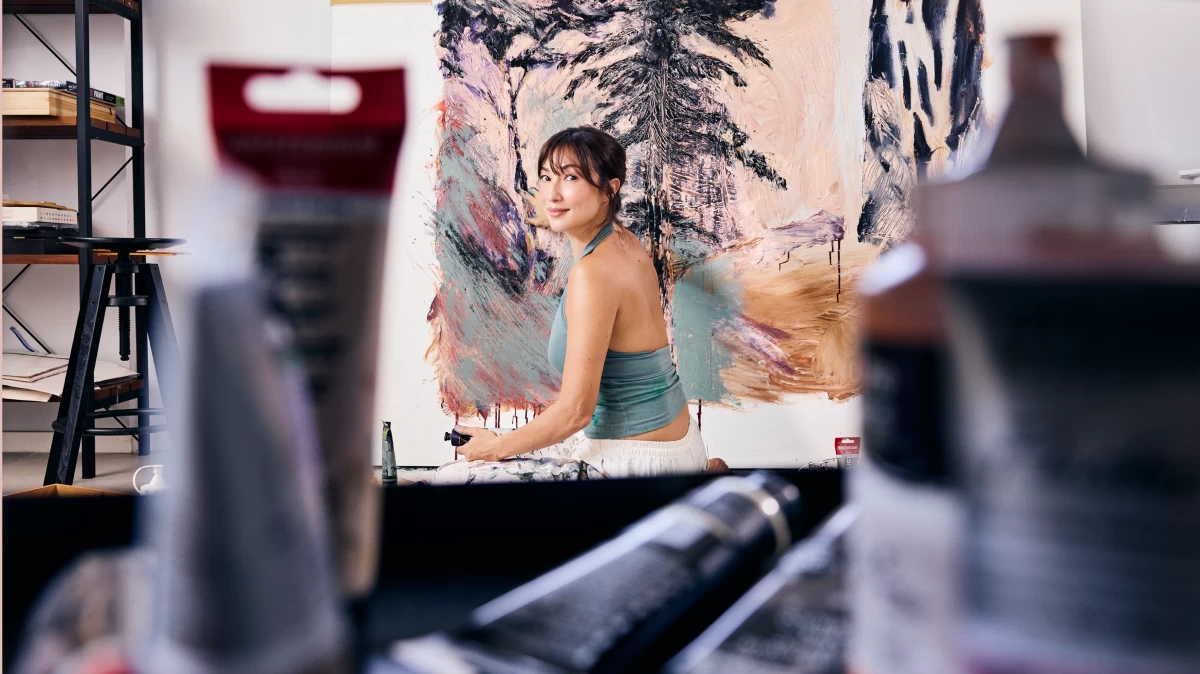
Solenn Heussaff (Photos: Provenance Art Gallery)
Two years after her last exhibition, Solenn returns with “The Unseen Garden,” a deeply personal body of work that marks a new chapter in her artistic journey. Presented at Provenance Art Gallery at Power Plant Mall in Makati, the exhibition moves away from the figurative works that first introduced audiences to her as a painter, embracing abstraction to explore the shifting emotional landscapes of life.
For Solenn, the collection is shaped by the many transitions she is experiencing today—from motherhood and watching her children grow, to caring for a father living with dementia, while navigating the joys and uncertainties that come with change.
"’The Unseen Garden’ is basically a merging of my last two exhibits," she says. Her debut exhibition, “Kundiman,” served as a love letter to the Filipino people, while “Vita” explored humanity's connection with nature. This latest series brings those ideas together, using nature itself as a visual language for transformation and growth.
The paintings are lush yet layered with emotion. Dense foliage, blooming flowers, and textured surfaces unfold across each canvas, creating dreamlike landscapes where beauty and melancholy exist side by side. Blurred forms suggest memories in motion and identities constantly evolving.
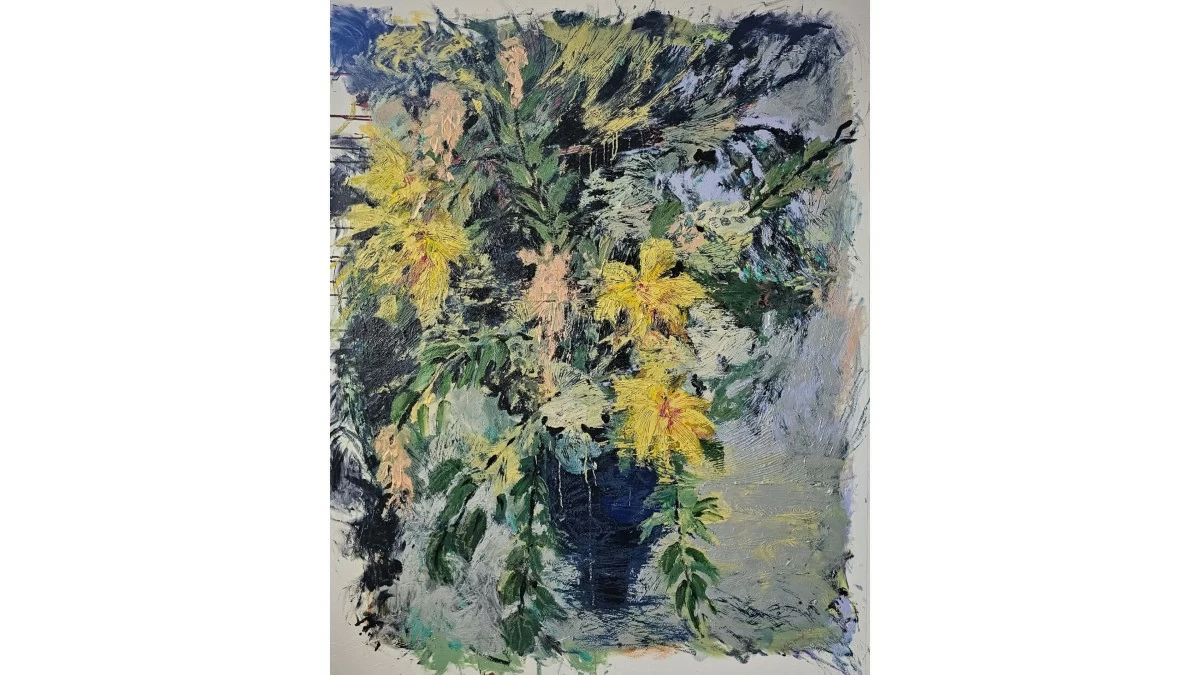
"The Persistence of Bloom"
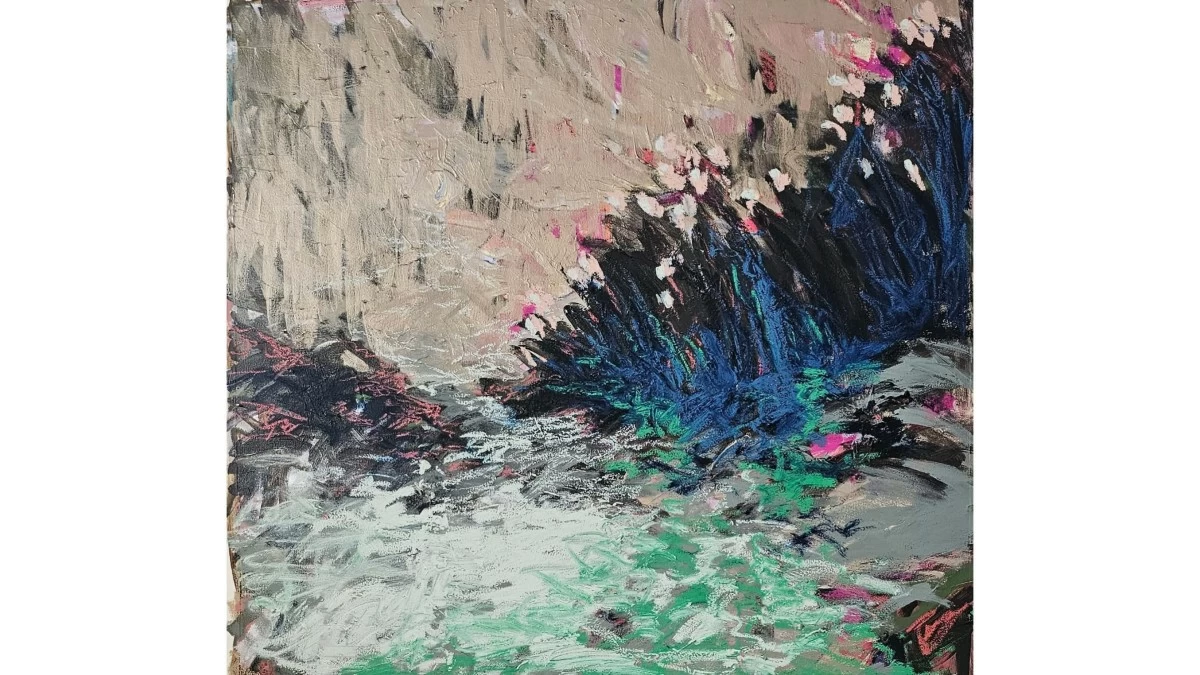
"Chromatic Ridge"
The exhibition also represents Solenn's most experimental work to date. For the first time, she traded her signature small brushes for her hands, allowing instinct and emotion to guide every gesture across the canvas.
Running until Aug. 30, 2026, “The Unseen Garden” is part of Provenance Art Gallery's group exhibition “Bridging the Gap 2,” bringing together contemporary Filipino artists whose diverse practices continue to push creative boundaries.
In an exclusive conversation with Manila Bulletin Lifestyle, Solenn reflects on discovering abstraction, finding healing through art, and why embracing change has become the central theme of both her paintings and her life.
Was there an image or idea that inspired this latest exhibition?
I'm going through a lot with my family. I'm also a mom, and seeing your children grow so fast while dealing with so many planned and unplanned things. My father is also very sick and is going through dementia. I'm happy and super sad at the same time. It's a mix of all of that.
A lot of the paintings are blurred because they're meant to show that everything is always shifting. The darker colors represent the quiet chaos we navigate within ourselves, while the blooming flowers represent moments of regeneration.
This exhibit feels like your most emotional and experimental.
I started painting with my hands because I've always been a brush person.
I felt more connected to the paintings. The emotion depended on the day I had or the music I was listening to. The strokes were always different.
I was a bit nervous because people know my work more for my figurative paintings, but I was happy with how people responded when they stood in front of the works.
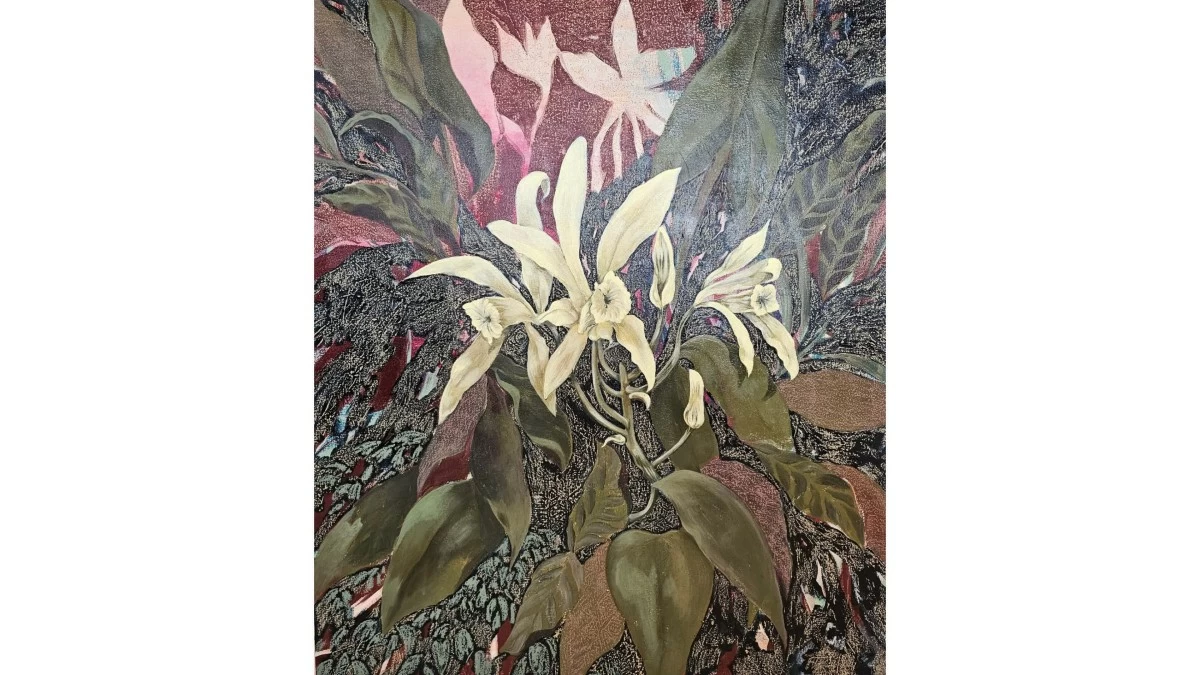
"Life Unfolding"
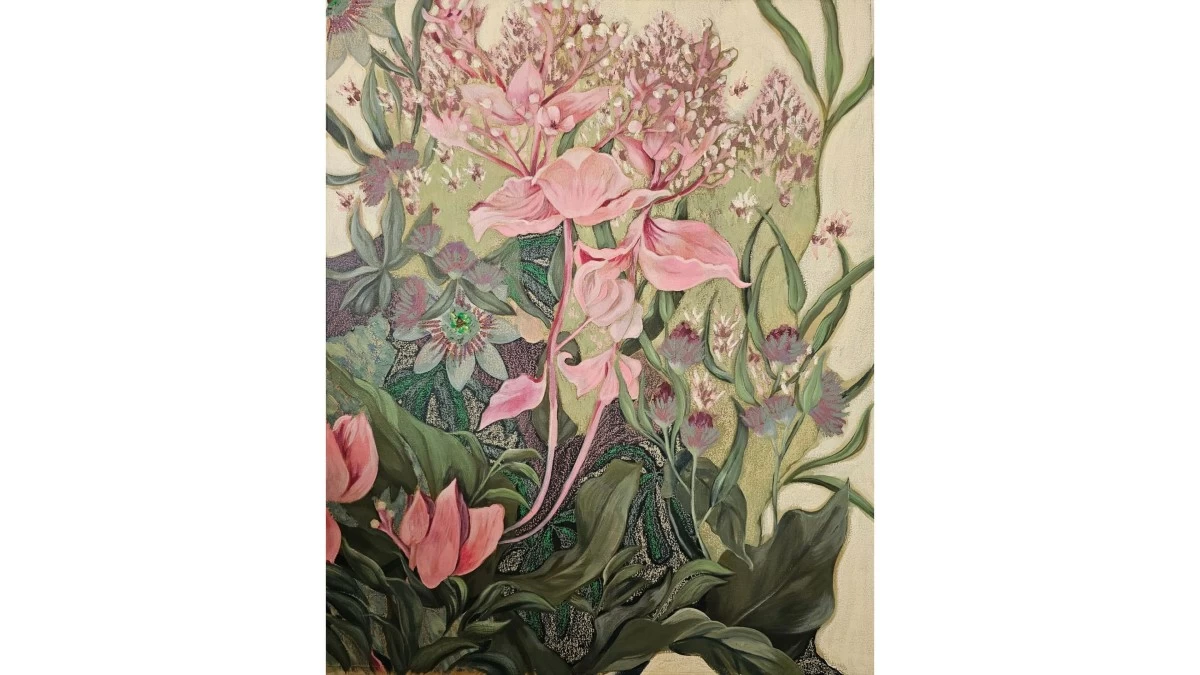
"Self Discovery"
Is there an emotion you'd like people to feel when they see your art?
That's why I love art so much. Someone will look at my painting and ask, "Is this what you were trying to say?" Sometimes it's completely different from what I intended, but then I realize they're right. I love that art creates conversations based on people's lived experiences.
I'm not the communicative type. If I feel something, I'm not the type to open up to someone or cry on someone's shoulder. So this is really how I do it. It's my outlet.
Was there a moment while you were painting when you surprised yourself?
Before I got into abstract art, I never really understood it. I used to think, "Parang kaya gawin 'yan ng anak ko. (My children could do that.)” That's the perception you have. Then I tried it, and my first attempt was terrible. I said, "Never again."
Later, I kept turning the canvas, painting over it, and starting again until something finally clicked.
I called Nico and said, "Babe, I just had a Eureka moment!" He said, "I prefer the ones with people." (Laughs.) I told him, "No, this is it. This is what's going to start the exhibit."
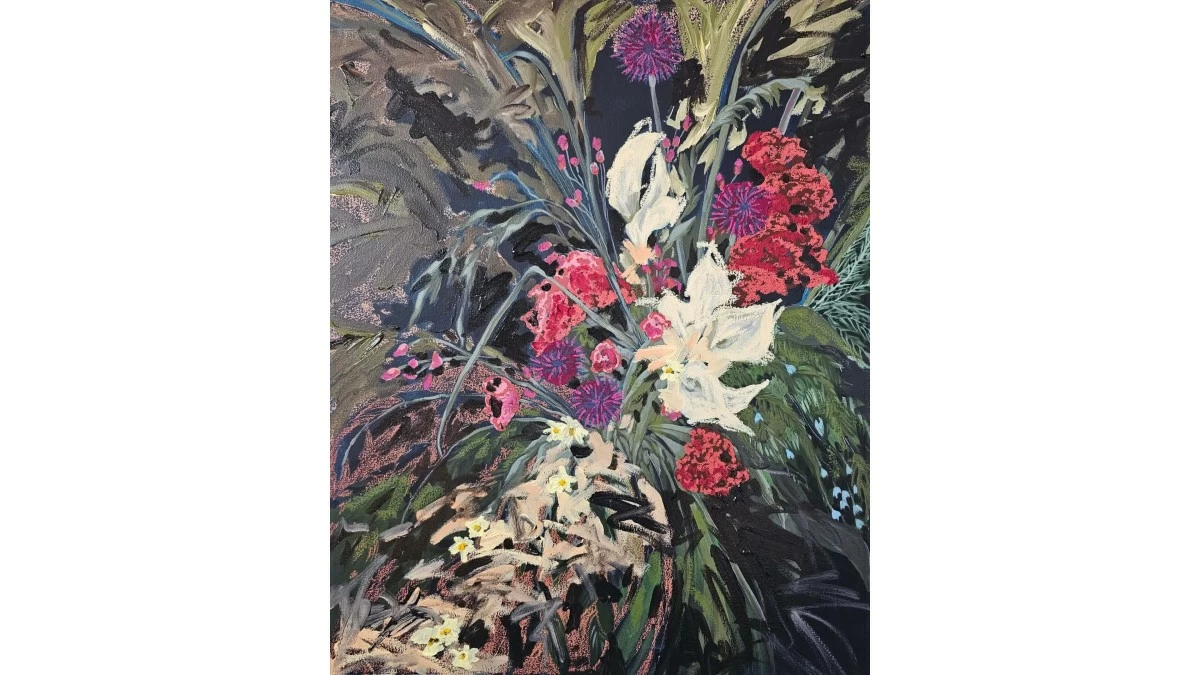
"Distant Memory"
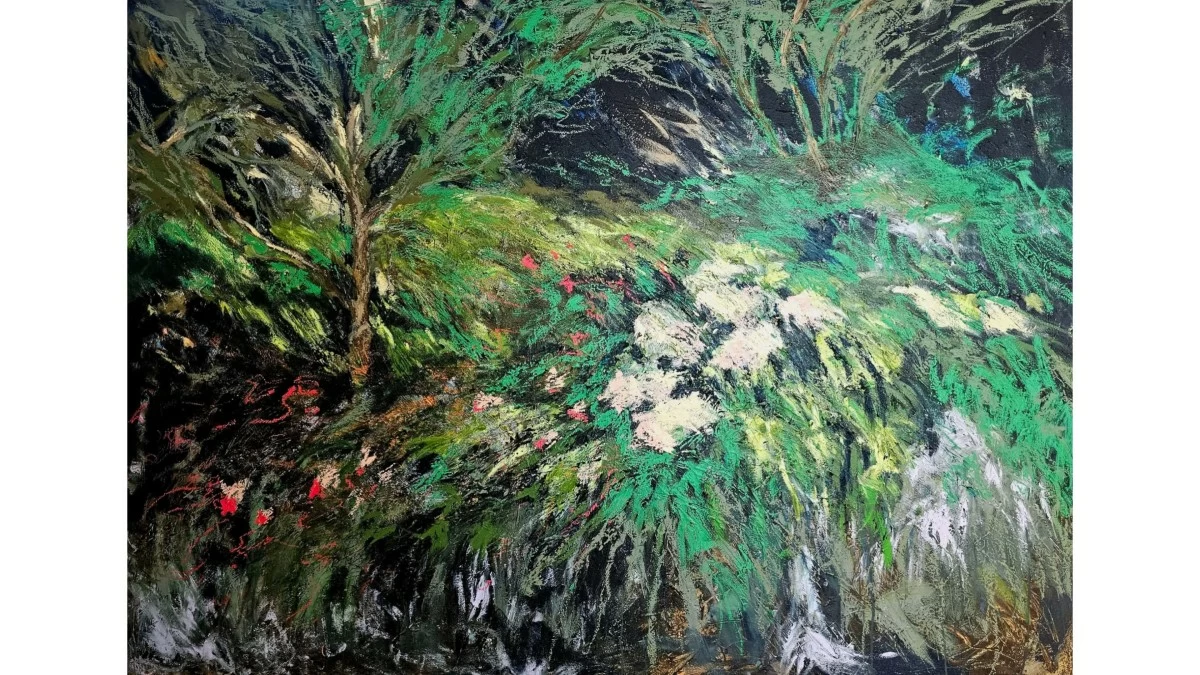
"Where the Hortensias Sing"
What do you enjoy about joining group exhibitions?
I love being part of exhibits like “Bridging the Gap” because they bring so many artists together.
I've never had formal training, so I learn from other artists.
During nights like these, I get to talk to people and ask questions. They're always so open and willing to share how they make their work. Then I go home, experiment, discover new things, and that's what I enjoy.
How has motherhood changed you?
Motherhood made me more present and gave me a slower-paced life, which also gives me more time. I'm going to try to focus on art, even if it's not going to be my main bread and butter.
I'm lucky to be able to take time to grow this side of me in my 40s.
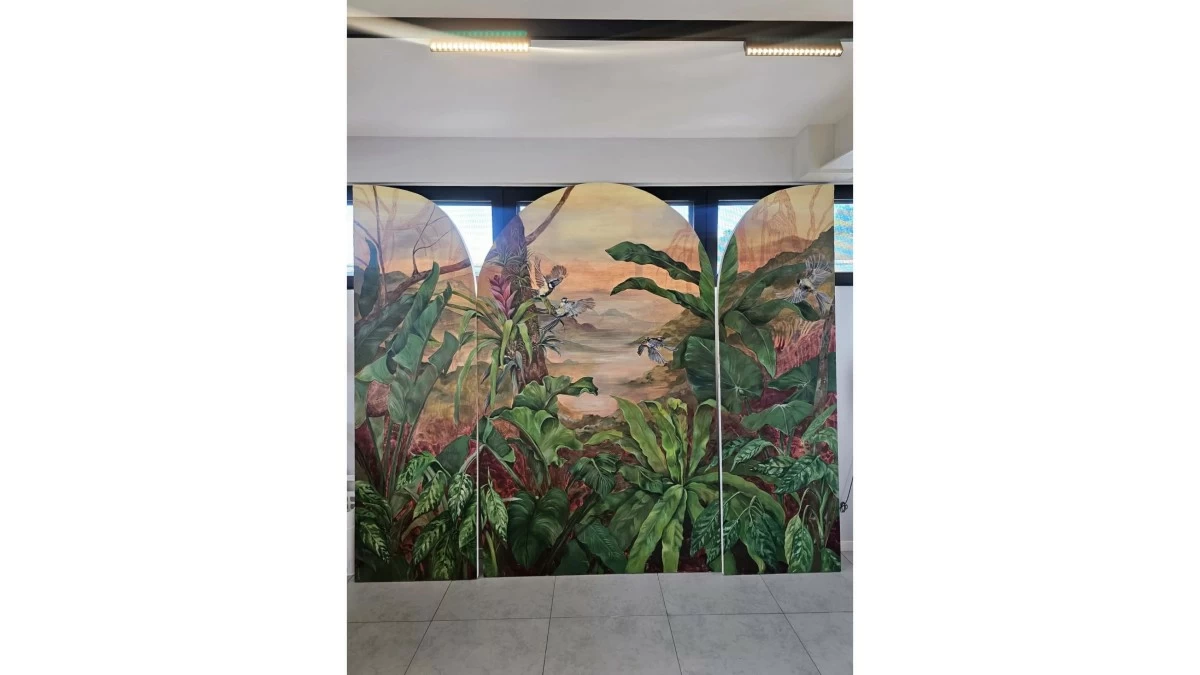
"Portal"
A closer look at "Portal"
You're an actress, entrepreneur, model, artist, and more. Which role resonates with you today?
I feel like it's art—but not just painting. It's being a creative in general.
I've been able to connect with so many people because of my crazy ideas. It's through those connections that I'm able to try new things and venture into new experiences.
At the end of the day, everything boils down to the people you surround yourself with and the people you meet. That's why I feel lucky that I'm doing several things because I've built good connections. There are not many, but that's enough.
What do you think is the state of the Philippine art scene today?
It's in a strange phase—there are ups and downs. But when it comes to talent, there's never been this much talent in the Philippines. I hope that one day the Philippines becomes a destination for foreigners to experience art—kind of like Art Basel—where people come to the Philippines because of the art.
Any advice for young artists who want to start their journey?
Do what makes you happy, while still being realistic about your responsibilities.
You don't have to quit your day job. Just keep making the work. But if you can go home and, instead of going out, stay home and do what you love—like painting—you can grow from there.
Once you have a few pieces, you can exhibit in a restaurant first and maybe reach out to a gallery. If it's something that truly makes you happy, you should be doing it.
Do you have a favorite piece in the exhibition?
The one dedicated to my dad. It's blurred because it represents how identity changes over time. But softer things emerge from it. Now I'm getting to know a calmer side of my father.
I feel like even though everything is moving so fast and everything is shifting, my dad is there, but he's not really there. He's alive, but I'm mourning him. It's so many emotions. That's why there's so much movement in the painting.
It still shows glimpses of positivity through some of the brighter colors because, in life, people are scared of change. Change is scary. But at the end of the day, the only constant in life is change. So you really just have to accept it.
Watch more of our conversation with Solenn below: