






Manila Bulletin
 Lifestyle
Arts and Culture
Ortigas Art Festival invests in the next generation of Filipino artists
Lifestyle
Arts and Culture
Ortigas Art Festival invests in the next generation of Filipino artists
Lifestyle
Arts and Culture
Ortigas Art Festival invests in the next generation of Filipino artists
Ortigas Art Festival invests in the next generation of Filipino artists
As the festival nears its first decade, it launches its first art grant, expands into literature and film, and champions the future of Philippine creativity
Published Jul 18, 2026 04:20 pm


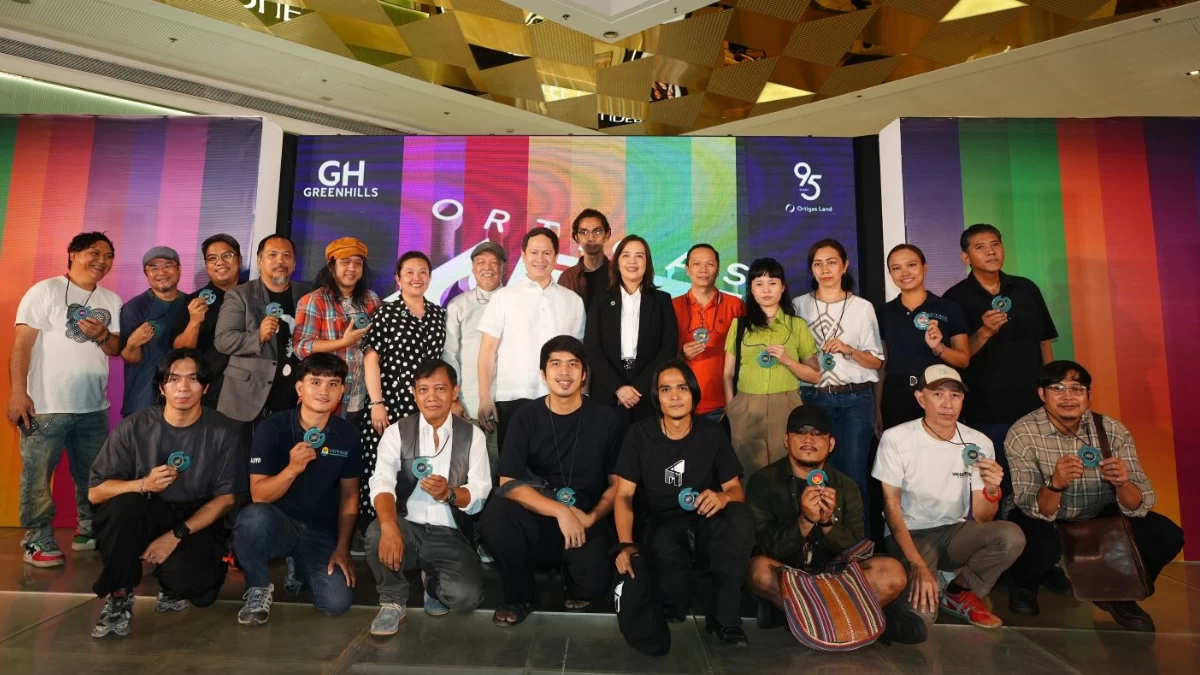
PASSING THE TORCH As part of its commitment to nurturing the next generation of artists, Ortigas Art Festival introduced the inaugural Ortigas Art Grant, an initiative that provides support beyond the exhibition. (Photos: Ortigas Art Festival)
The pillars of the Philippine art industry are not getting any younger, and for veteran artist and curator Renato Habulan, that reality comes with a responsibility.
As the Ortigas Art Festival approaches its first decade, this year's edition was designed not only to celebrate Filipino creativity but also to officially begin passing the torch to the next generation of artists.
The much-awaited Ortigas Art Festival 2026 officially opened on July 16 at GH Mall in Ortigas. Carrying the theme "Elevate," the festival reflects how it has steadily grown from a traditional exhibition of paintings into one of Metro Manila's most accessible and award-winning celebrations of Filipino creativity.
Guided by its long-running advocacy of "Art for All," this year's festival expands beyond visual arts into literature, film, theater design, and artist development, transforming the event into a multi-sensory celebration of creative expression.
The first Ortigas Art Grant
As it enters its ninth year, the festival also takes one of its biggest steps yet in securing the future of Philippine art through the launch of the inaugural Ortigas Art Grant, an artist development initiative that supports emerging talents beyond the exhibition itself.
Twenty-four artists from across the country have been shortlisted for the grant. Their works will be exhibited during next year's festival, after which one grantee will be selected for an opportunity to participate in Art Basel Hong Kong 2027, one of Asia's most prestigious international art fairs.
"As we approach the first decade of the Ortigas Art Festival, we are not only celebrating a milestone but also officially passing the torch to a new generation of artists who will help shape, nurture, and carry the Philippine art industry forward for generations to come," Renato said in Tagalog.
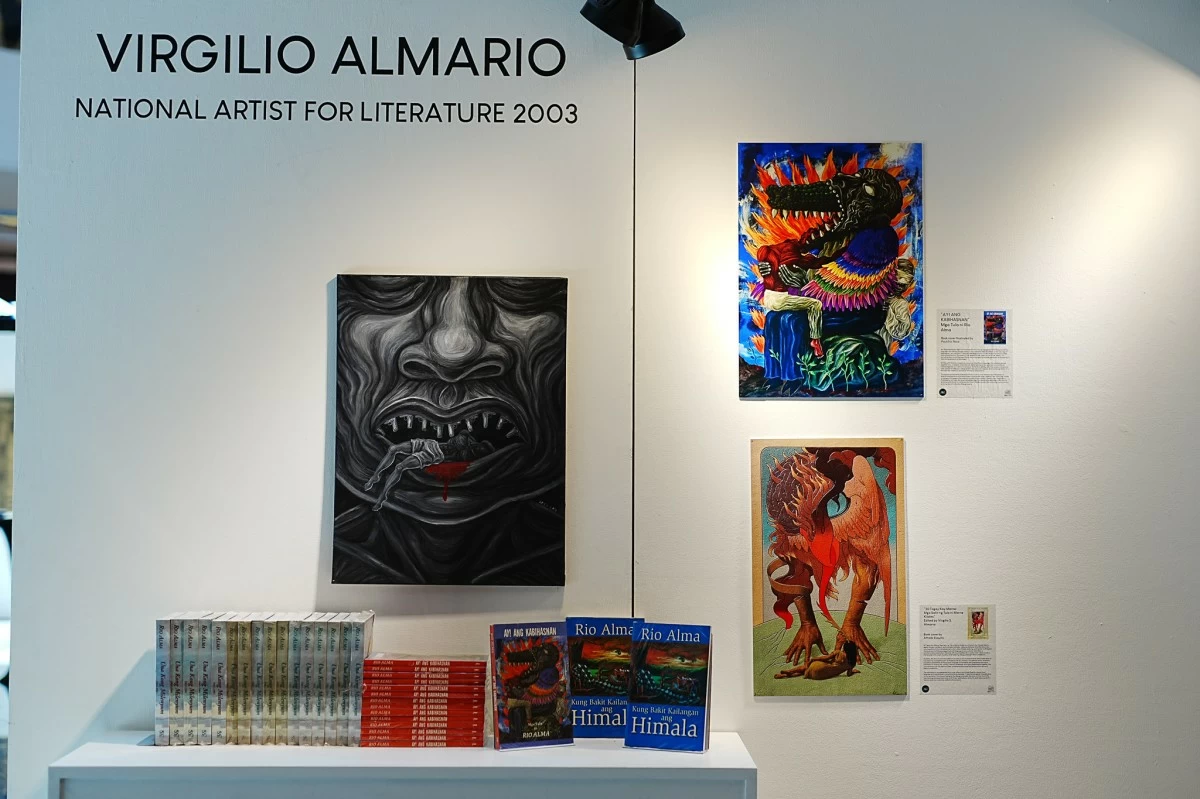
Bringing the arts together
Beyond the new grant, this year's festival broadens its scope by welcoming literature into the program for the first time. Visitors can explore the works of National Artist for Literature Virgilio S. Almario, better known as Rio Alma, while the legacy of National Artist for Theater Design Salvador Bernal is celebrated through a special exhibition mounted in partnership with the Cultural Center of the Philippines (CCP).
"We want to cover all the disciplines. It just so happened that our National Artist for Literature is so cooperative. He really wants to reach out to a wider audience," Renato told Manila Bulletin Lifestyle. "As artists, we recognize the power of words. We want to incorporate that spirit into the visual arts."
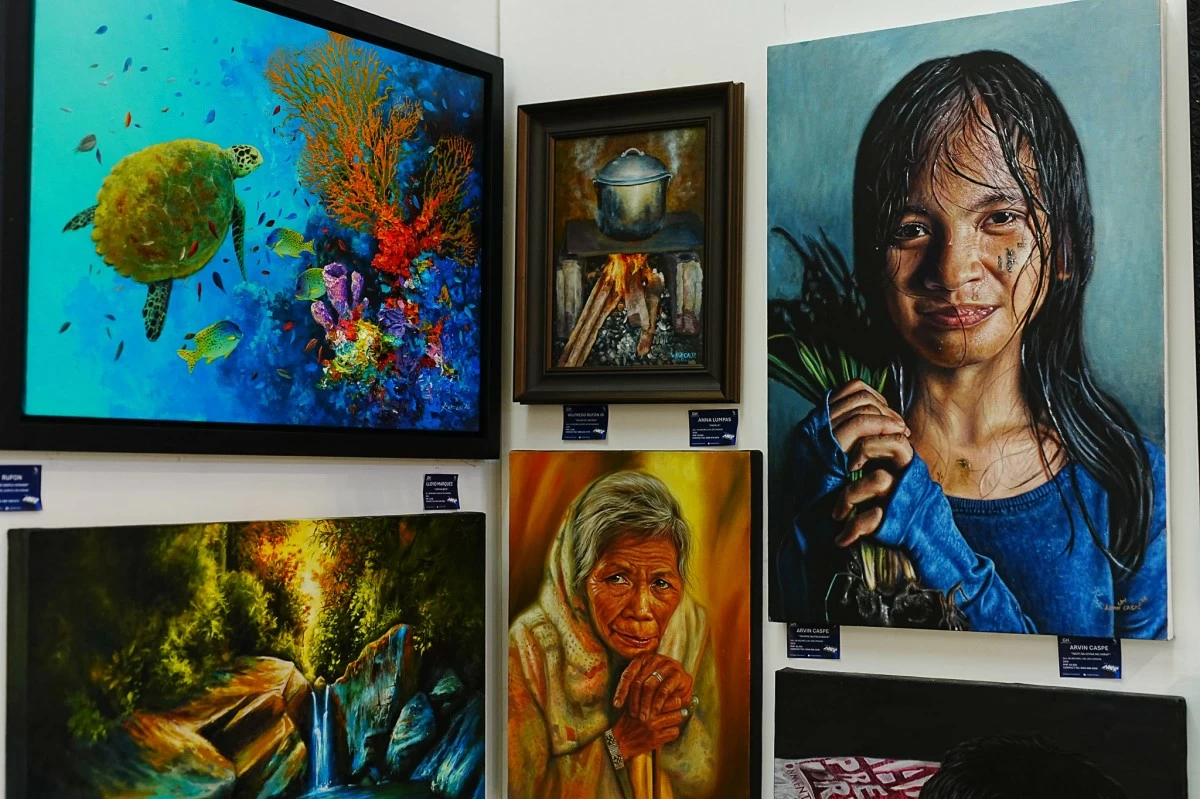
MULTIDISCIPLINARY From visual art and literature to film, Ortigas Art Festival 2026 celebrates different creative disciplines under one roof, reaching audiences beyond the traditional gallery space. (Photos: Ortigas Art Festival)
For Rio, bringing together different creative disciplines has become a deliberate effort among the country's cultural leaders.
"Ang ginagawa namin ngayon, pinagsasama namin ang mga [visual] artists at mga writers. Mahalaga ito para magkaroon ng palitan ng expression, ng kuro-kuro, nang sa gayon, ang art nila ay magkakaroon ng pagsasanib para mas malakas (We're bringing artists and writers together because it's important to create a space where they can exchange ideas, perspectives, and forms of expression. When their creative works intersect, they become stronger and more impactful)," he said.
Several of Rio’s books published by the University of the Philippines Press are available during the festival. Asked which titles he personally recommends, the National Artist pointed to "Doktrinang Anakpawis" and "Ang Makata sa Panahon ng Makina" as among his favorites.
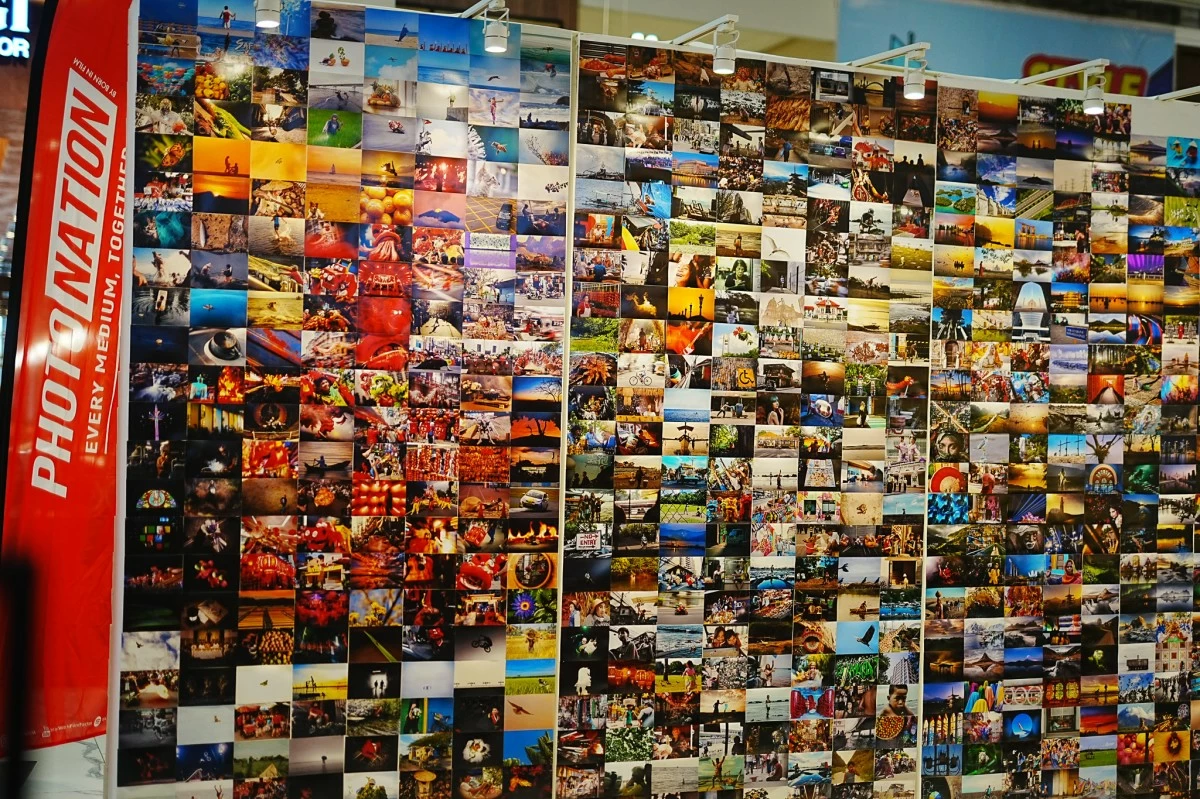
A festival beyond galleries
Cinema also takes a larger role in this year's festival through collaborations with the Film Development Council of the Philippines (FDCP) and the CCP, bringing a diverse lineup of full-length features, documentaries, and acclaimed short films to audiences.
Among the featured screenings are "Cinemartyrs" and "Alipato at Muog," alongside selections from CCP's Lakbay Sine, Gawad Alternatibo, and Cinemalaya programs.
The lineup also includes "That We May See," a documentary directed by Paul Morales that revisits the story of the artist collective Kaisahan on its 50th anniversary. Works by acclaimed filmmaker Sari Dalena further enrich the program, together with short films such as "I'm The Best Left Inside My Head" (2025) by Elian Idoma and "Pastil: Parehas Ra Ta'g Kan-on'g Ginakaon" (2025) by Andrei Francis "Franky" C. Arrocena. Advance online registration is required to secure tickets for the film screenings.
More than just an annual exhibition, this year's Ortigas Art Festival presents itself as a meeting ground for different art forms and generations. As it prepares to celebrate its 10th anniversary next year, the festival is making one thing clear: Preserving Philippine art means creating opportunities for the artists who will shape its future.