







Elevating socialized housing with more features and amenities
Citihomes Builder and Development answers the government's call for better socialized housing with private village standards
Published Jul 18, 2026 04:55 pm


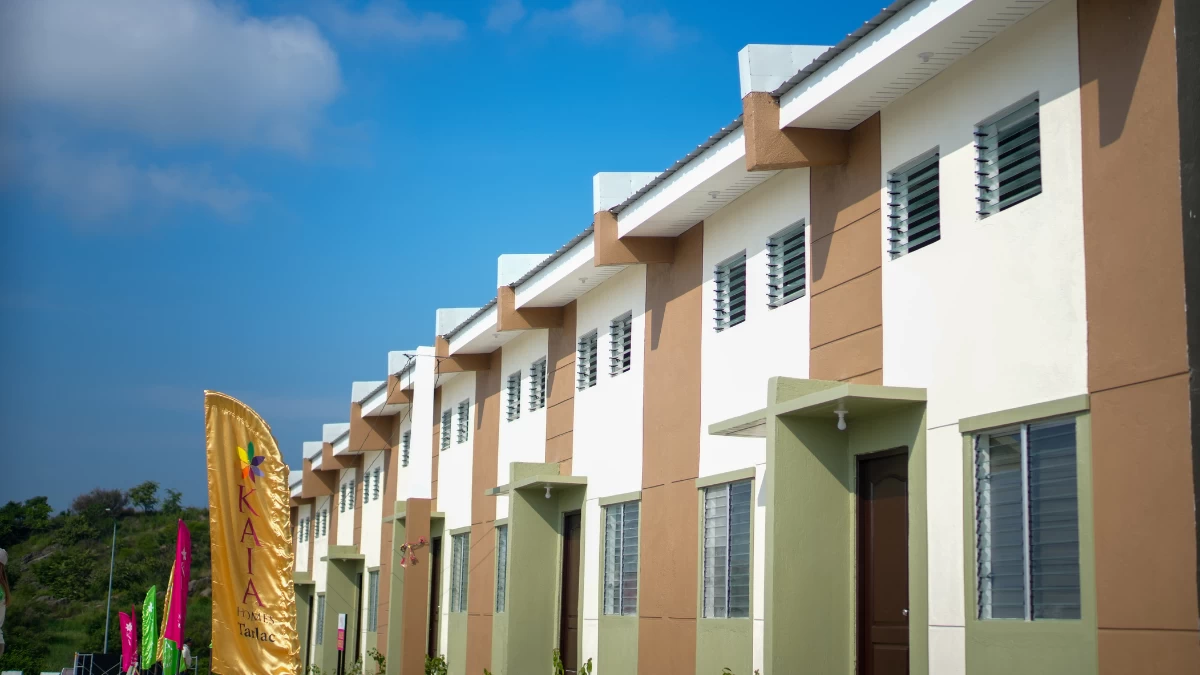
Naya Towhouse units at Kaia Homes Tarlac (Photo: CBDI)
For 12 years, Kaia Homes has pursued a singular objective: building homes that consistently exceed both industry practice and government requirements. With the grand launch of Kaia Homes Tarlac, the company unveiled the newest benchmark offering for socialized housing: a community that delivers affordability with the same quality, comfort, and dignity typically associated with private gated subdivisions.
For Citihomes Builder and Development, Inc. (CBDI) and its affiliate Kaia Homes Inc., the vision is simple. "This is not your typical socialized housing community," said Kaia Homes president John Philip Wang. "This is socialized housing thoughtfully elevated, a community that gives Filipino families more than just a house. It gives them a neighborhood they can proudly call home."
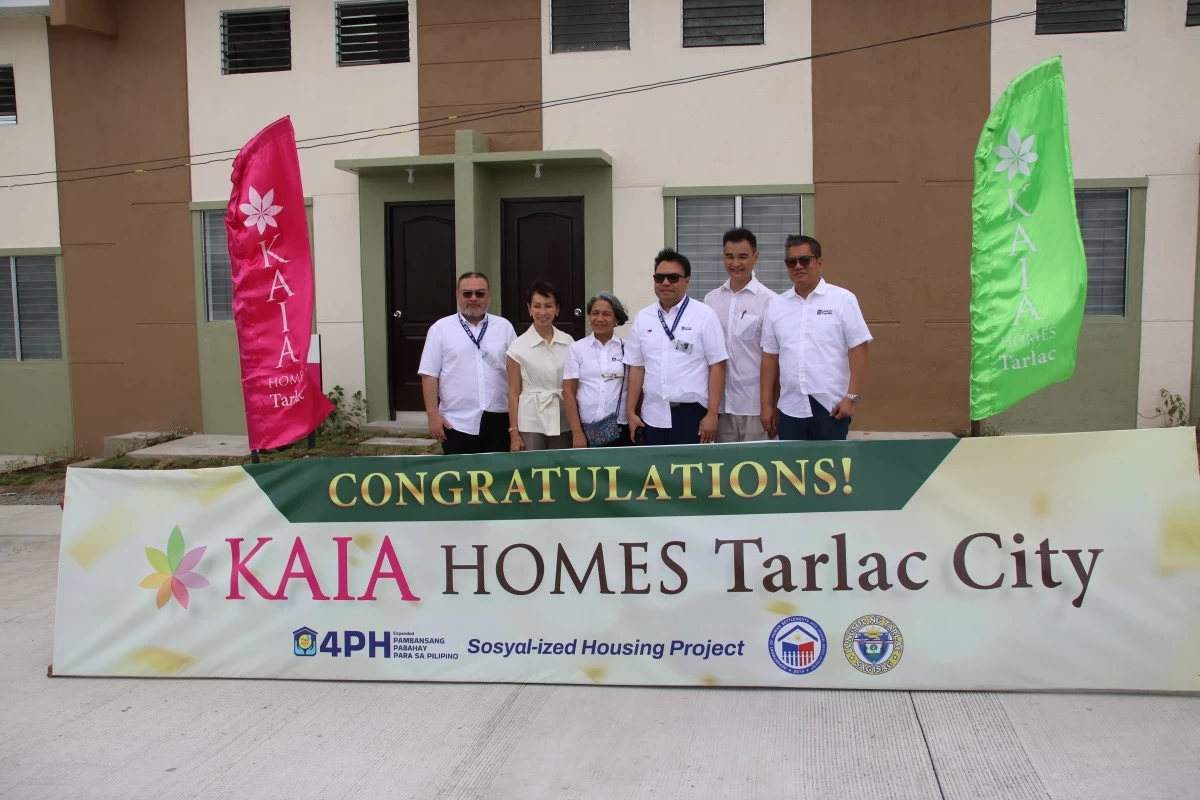
Department of Human Settlements and Urban Development (DHSUD) Undersecretary Eduardo Robles, Jr., Kaia Homes, Inc. (KHI) Chairperson Rosie Tsai, Pag-IBIG Fund CEO Marilene C. Acosta, DHSUD Secretary Jose Ramon “Ping” Aliling, KHI President John Phillip Wang, and Pag-IBIG Fund Deputy CEO of Marketing, Product Development and Sales Cluster Alexander Hilario G. Aguilar (Photo: CBDI)
Located in Tarlac City, Kaia Homes Tarlac covers a 48-hectare development, the developer’s third housing project and largest development to date. Thirty-nine hectares will be dedicated to the residential project and provide 7,066 homes.
Every Naya Townhouse unit offers a two-story home with a 32-sqm floor area, including the loft area, on a minimum 30-sqm lot. Designed for growing Filipino families, each unit comes with provisions for two bedrooms, a toilet and bath, a rear kitchen, and parking space for a motorcycle or e-bike.
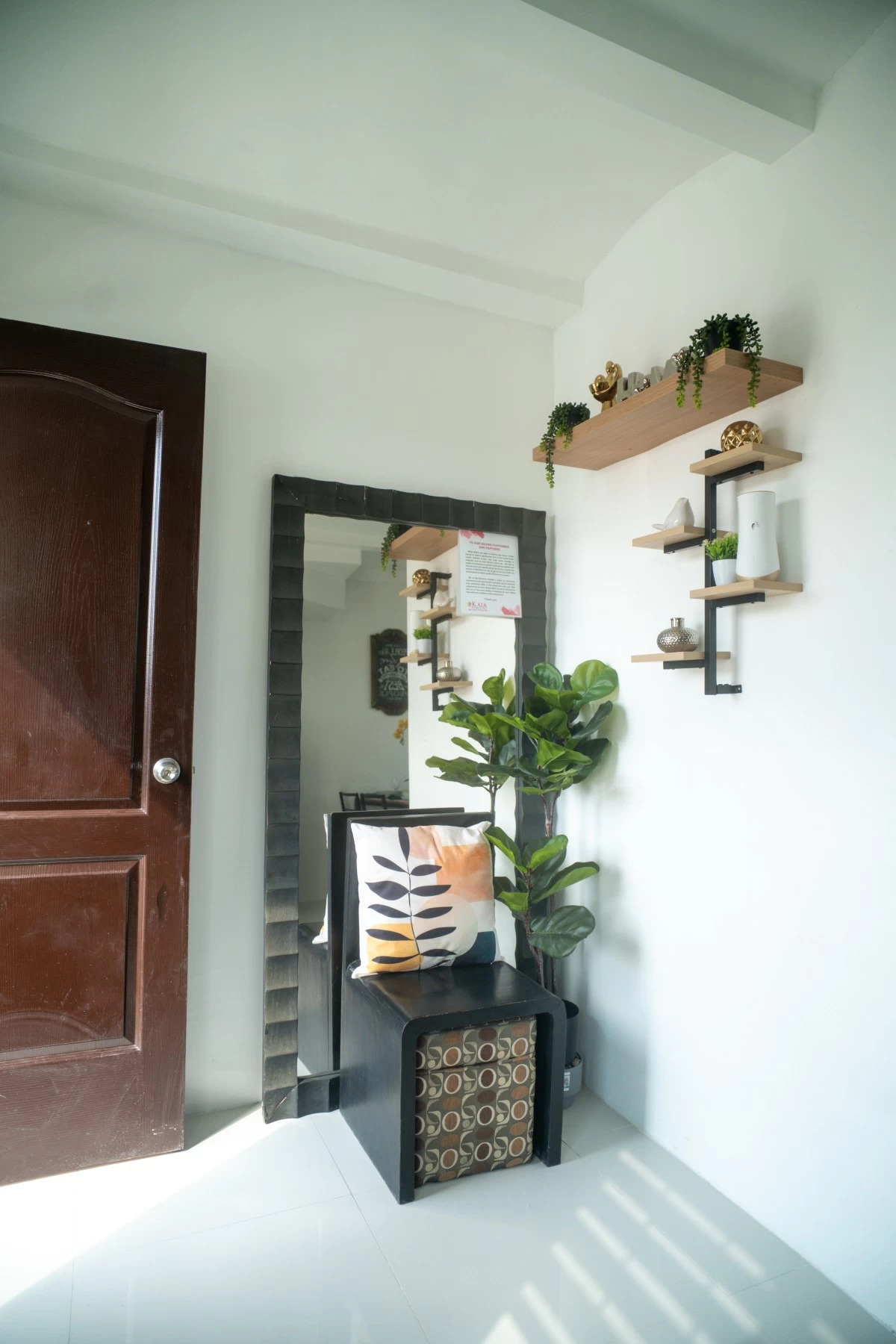
Main entrance (Photo: CBDI)
More importantly, Kaia Homes go well beyond the minimum standards, as prescribed under Batasang Pambansa 220's socialized classification.
"We studied what was possible, not just what was required. Kaia Homes Tarlac is the result of that study," added Wang.
All homes in Kaia Homes Tarlac will be fitted with astrofoil roof insulation to reduce indoor heat and ambient noise, painted ceilings and interior walls, window screens, durable steel rear doors, window grills, and lavatories. In addition, features refined from Kaia Homes' previous developments will be included, such as push-button water closets, telephone-type shower heads, and deadbolt security locks for both front and rear entrances.
These are features rarely associated with homes within the socialized housing category but were deliberately incorporated to improve comfort, security, and day-to-day living.
Receiving area (Photo: CBDI)
The community itself likewise reflects the company's long-standing development philosophy.
Instead of treating amenities as optional, Kaia Homes Tarlac has facilities commonly found in more premium residential communities: a covered basketball court/sports hub, two open basketball courts, two clubhouses, two multi-purpose halls, and playgrounds.
Yet despite the additional features and community amenities, Kaia Homes Tarlac remains firmly within the affordability objectives of the government's socialized housing program.
Through Pag-IBIG financing, qualified buyers may own a home for monthly amortizations starting at around P4,005, demonstrating that improved housing quality need not come at the expense of affordability for ordinary Filipino families.
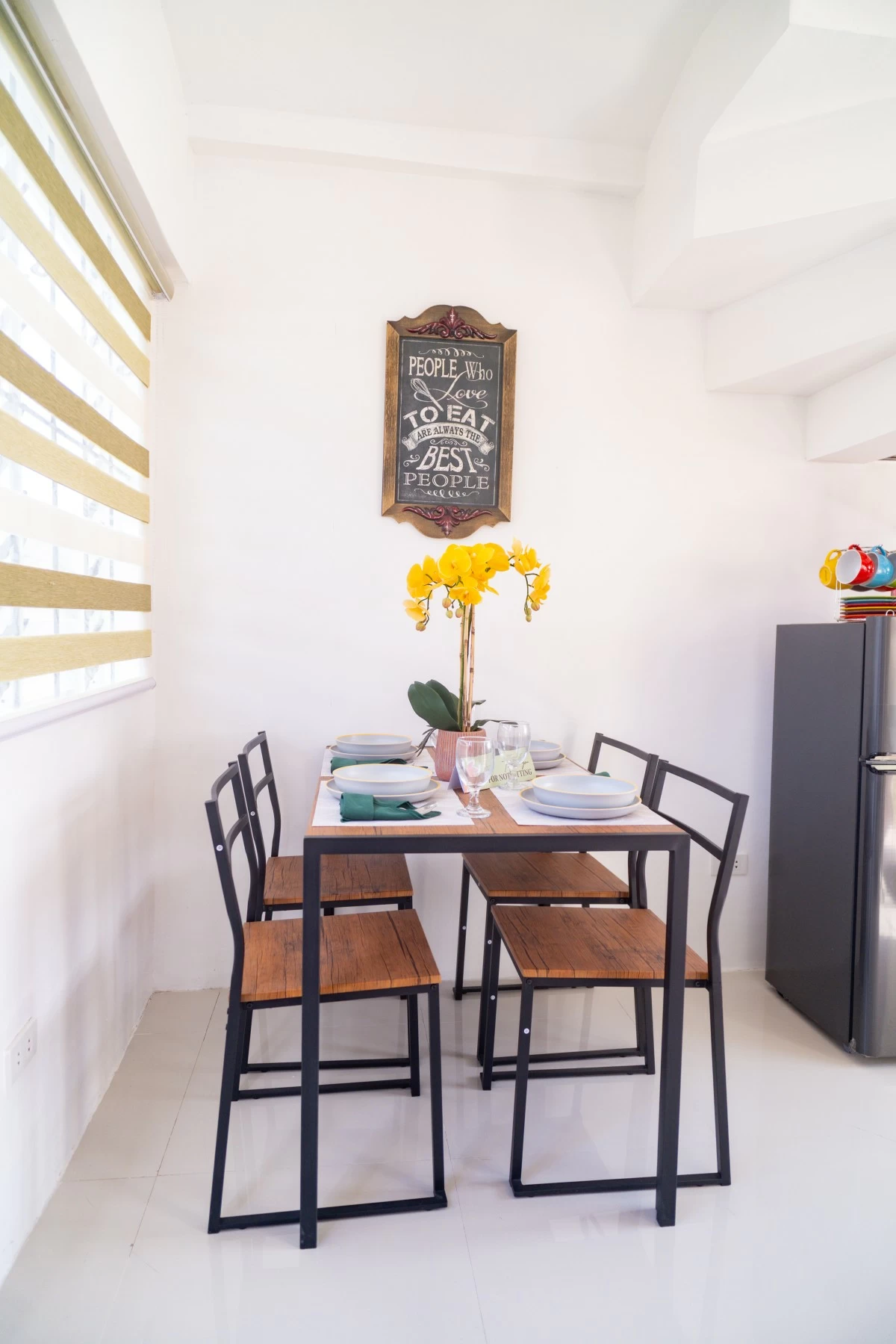
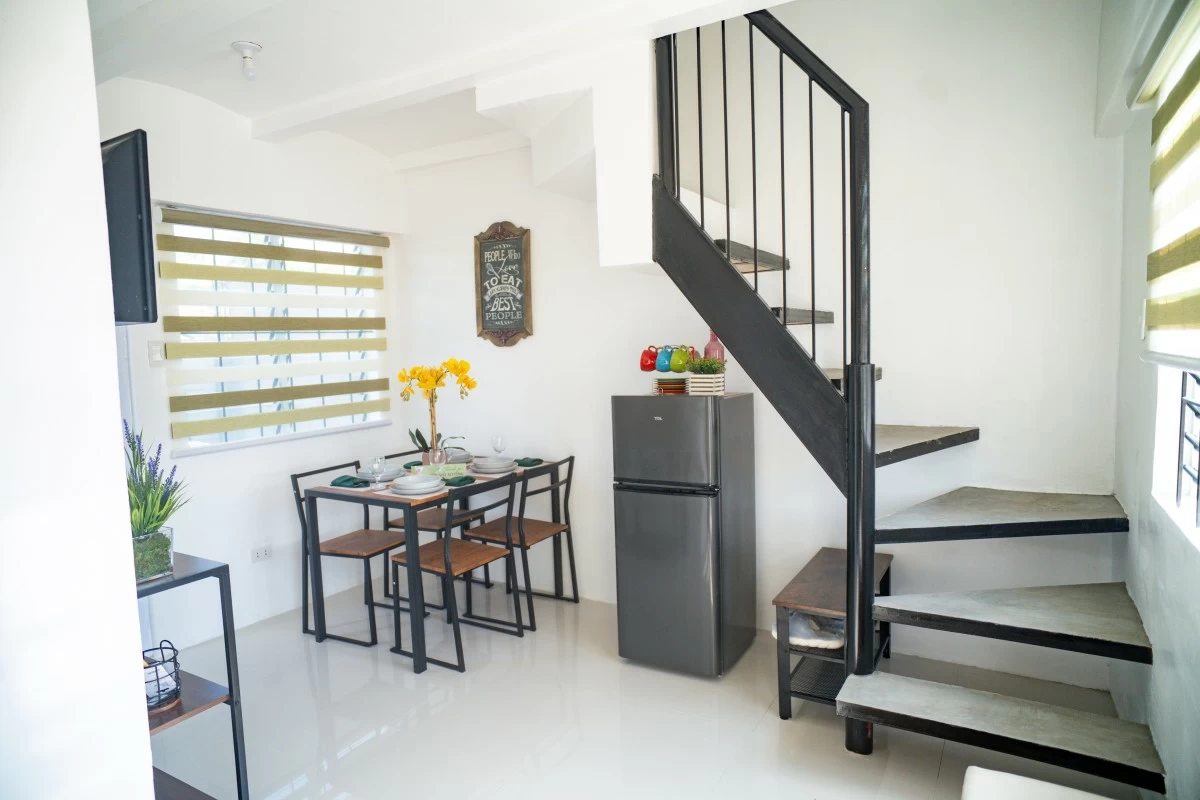
Dining area (Photo: CBDI)
The project was conceived following discussions with the Pag-IBIG Fund as the government expanded the Pambansang Pabahay para sa Pilipino (4PH) Program. Developers were encouraged to offer more than just the conventional socialized housing designs and instead deliver move-in-ready homes that families could proudly call their own, instead of specifications that meet the bare minimum required by law. The expanded program likewise opened opportunities for horizontal housing developments, reflecting the government's recognition that many Filipino families prefer house-and-lot communities.
When the national government challenged private developers to rethink what socialized housing should look like, CBDI and Kaia Homes took the challenge as more than a regulatory directive. It became an energizing endeavor in designing and developing socialized housing that Filipino families truly deserve.