






Manila Bulletin
 Business
Trade & Industry
Surging fuel prices threaten to vaporize airlines' hard-earned profits
Business
Trade & Industry
Surging fuel prices threaten to vaporize airlines' hard-earned profits
Business
Trade & Industry
Surging fuel prices threaten to vaporize airlines' hard-earned profits
Surging fuel prices threaten to vaporize airlines' hard-earned profits
Published Jul 17, 2026 12:23 pm


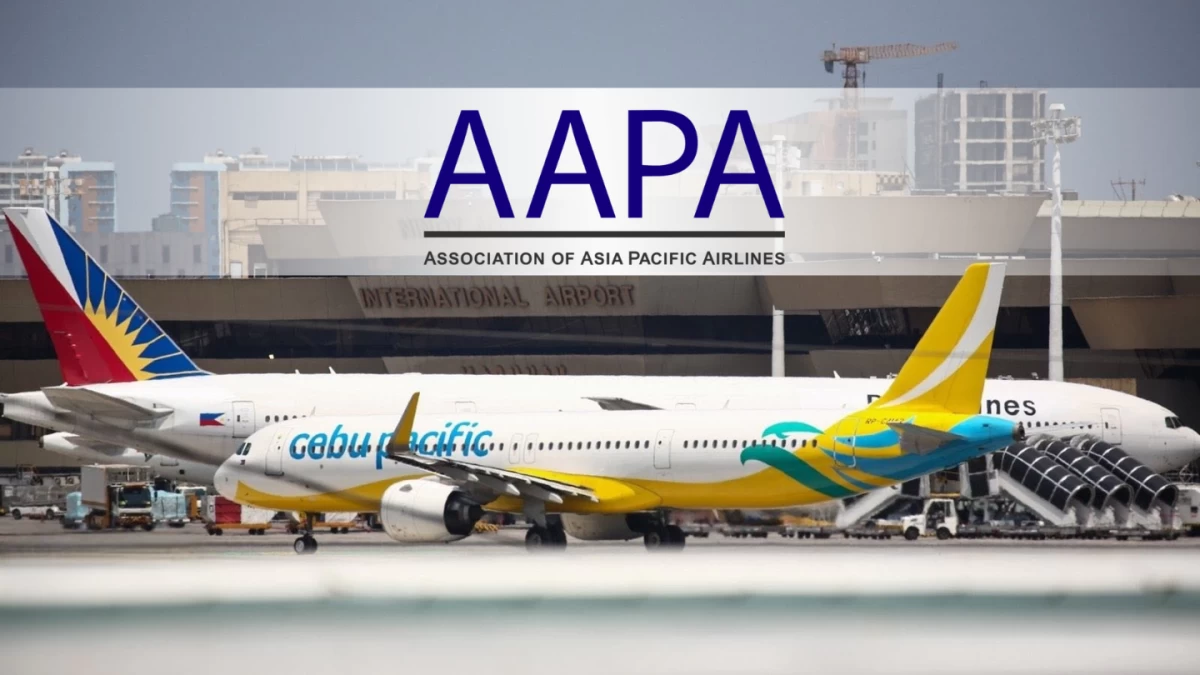
Airlines in the Asia-Pacific region recorded a nearly 70 percent surge in net profits in 2025 amid sustained demand for air travel, providing carriers with financial cushion to manage rising operational expenses this year.
In its latest report, the Association of Asia Pacific Airlines (AAPA) noted that the region’s carriers saw collective earnings climb to $12.1 billion last year from $7.2 billion in 2024.
The preliminary data is based on the combined financial results of AAPA's 27 member airlines, which include Philippine Airlines (PAL) and Cebu Pacific.
The Kuala Lumpur-based industry group reported that member airlines boosted total revenue by four percent to $223.7 billion in 2025. This growth successfully offset a matching four percent rise in operating expenses, which reached $209.4 billion, driven primarily by non-fuel costs.
Meanwhile, ongoing trade uncertainties and supply chain disruptions pushed non-fuel operating costs up, leading to a combined $151.1 billion expenditure on staff, aircraft leasing, maintenance, and airport charges.
On the other hand, spending on jet fuel fell by more than three percent to $58.3 billion, as global oil prices averaged a more manageable $88.8 per barrel. Consequently, fuel’s share of total operating costs dropped to 27.8 percent.
Despite these shifting cost dynamics, Asia-Pacific carriers delivered a solid operating margin of 6.4 percent in 2025—just a fraction below the 6.6 percent recorded the previous year. This resilience was fueled by highly favorable economic conditions in the region, which boosted passenger volume by nine percent to 390.47 million from 357.08 million.
AAPA Director General Wong Hong said the positive performance in 2025 is expected to provide the region’s carriers with the financial strength to confront one of the most volatile periods for the aviation sector this year.
“Although the region’s carriers remain on a solid footing, the challenging operating environment of the past few months shows no sign of abating,” Hong warned.
He pointed out that the ongoing conflict in the Middle East and broader geopolitical tensions are driving intense volatility in both oil and currency markets, placing severe pressure on airline margins. Fuel spending, already the industry’s heaviest financial burden, is expected to climb sharply.
At the peak of geopolitical tensions in April, jet fuel prices briefly skyrocketed to more than $200 per barrel—more than double the 2025 average. While prices have eased, they remain elevated; as of July 10, the global average price for jet fuel stood at $127.06 per barrel, or a 43 percent spike compared to last year’s average, according to the International Air Transport Association (IATA).
These escalating operational costs are already leaving a mark on local carriers. PAL recently reported that its first-quarter net income dipped to ₱4.28 billion, while low-cost rival Cebu Pacific swung to a net loss of ₱400 million for the same period.
Hong noted that mounting inflationary pressures could begin to weigh on consumer spending and business sentiment, potentially tempering travel demand in the coming months.
“Nevertheless, the outlook remains broadly positive, as passenger and air cargo markets are currently holding firm, supported by 4.4 percent growth in the region’s economy this year," Hong said.
To maintain this growth momentum, AAPA expects carriers to lean heavily on strict cost-control measures while steadily expanding their flight networks and service offerings.