






Manila Bulletin
 Philippines
National
Robin Padilla clarifies 'communism' remark referred to equality, not armed struggle
Philippines
National
Robin Padilla clarifies 'communism' remark referred to equality, not armed struggle
Philippines
National
Robin Padilla clarifies 'communism' remark referred to equality, not armed struggle
Robin Padilla clarifies 'communism' remark referred to equality, not armed struggle
By Dhel Nazario
Published Jul 17, 2026 11:47 am


At A Glance
- Sen. Robin Padilla clarified that his recent remarks on communism referred to principles of equality, brotherhood, and the sharing of resources, not to Marxist-Leninist or Maoist ideologies that advocate armed struggle.
- Padilla said he opposes violence and armed conflict, noting that armed communist movements have fueled decades of bloodshed in the Philippines and should not be confused with earlier traditions of communal cooperation.
- The senator cited early Christian communities and the Islamic Mu'akhat system as examples of his intended reference, emphasizing that genuine social change is achieved through unity, compassion, and peaceful cooperation rather than violence.
Senator Robinhood “Robin” Padilla on Thursday clarified his recent remarks about communism, saying he was referring to the principles of equality, brotherhood, and the sharing of resources—not the ideology of armed communist movements.
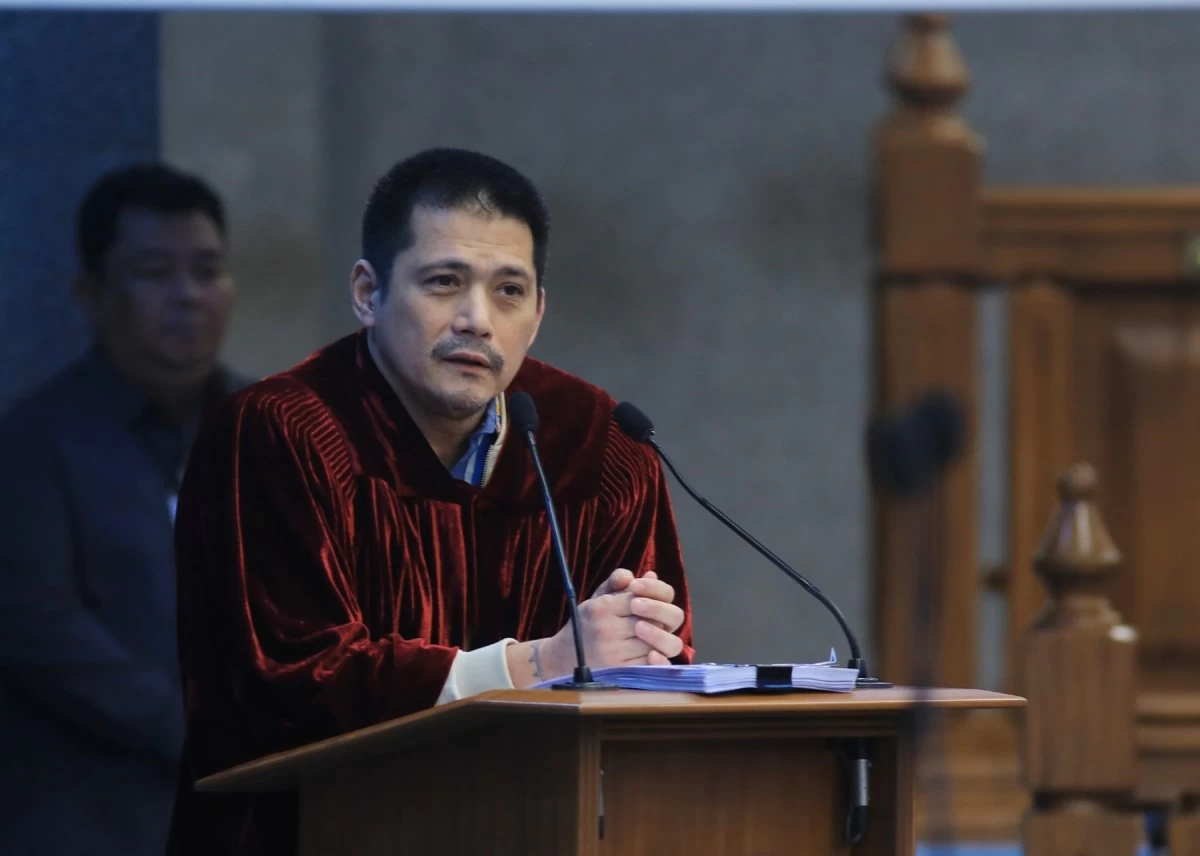
Senator-judge Robin Padilla (Senate PRIB photo)
In a statement, Padilla said his comments had been interpreted differently by some sectors and stressed that there is a significant distinction between the armed communist ideologies advanced by Vladimir Lenin and Mao Zedong and earlier systems based on mutual aid, fraternity, and equal sharing.
During the impeachment trial of Vice President Sara Duterte, Padilla told one of the witnesses he was questioning that he's a communist.
The senator said Marxist-Leninist and Maoist ideologies led to armed revolutions, civil wars, and widespread violence in different parts of the world. He added that this form of armed communism reached the Philippines and fueled more than five decades of armed conflict, claiming the lives of thousands of Filipinos, including many young people who were recruited into the movement.
Padilla emphasized that this was not the form of communism he was referring to.
Instead, he said he was speaking about the older concept of collective cooperation and equitable sharing of wealth, which he said could be seen in the practice of Christian Communism among early Christians and in the Mu'akhat system established by the Prophet Muhammad in Medina, where members of the community shared resources and supported one another as an expression of brotherhood.
"My position is against violence and armed struggle. What I am referring to is the spirit of brotherhood, compassion for others, and social justice that had long been practiced by early Christian and Muslim communities," Padilla said.
The senator also stressed that his views do not conflict with his Islamic faith, his duties as a reservist in the Philippine Army, or his continued support for peace and the resolution of the country's decades-long armed conflict.
For Padilla, genuine change cannot be achieved through violence but through unity, respect for life, and cooperation among Filipinos in building a just and peaceful society.
This statement was also made after Angel Locsin publicly criticized Padilla, taking to social media to question his silence during previous controversies involving her.
The actress also urged the senator to reassess his political position.