ADVERTISEMENT

Iranian strike damages a Kuwait desalination plant, exposing water vulnerability in dry Mideast

Published Jul 17, 2026 09:33 pm
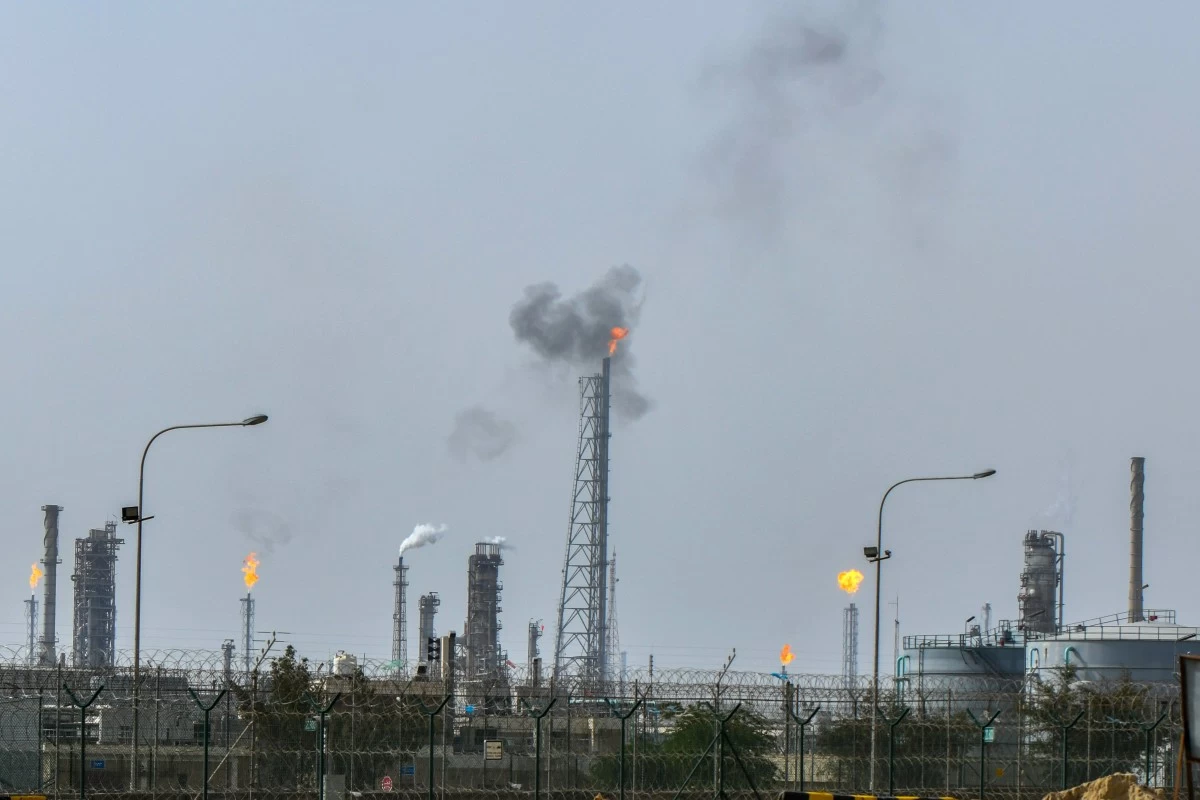
FILE - The Mina Al-Ahmadi oil refinery operates in Kuwait, March 20, 2026. (AP Photo, File)
Iranian strikes on Friday hit a power and water desalination plant in Kuwait, damaging one of the key sources of drinking water in the small desert nation.
It's the latest attack on essential infrastructure across the Middle East that have exposed extreme vulnerabilities in one of the world’s driest regions, which relies almost exclusively on technology to produce freshwater that sustains cities, hotels, industry and some agriculture.
Kuwaiti authorities said the strikes damaged a large number of power generation units and sparked a fire. They added that a fire has been contained, and that they activated emergency contingency plans.
In Kuwait, about 90% of drinking water comes from desalination, along with roughly 86% in Oman and about 70% in Saudi Arabia. The process removes salt from seawater, most commonly by pushing it through ultrafine membranes in a process known as reverse osmosis.
Hundreds of desalination plants sit along the Persian Gulf coast, putting systems that supply water to millions within range of Iranian missile or drone strikes. Without them, major cities could not sustain their current populations.
For people living outside the Middle East, the main concern of the Iran war has been the impact on energy prices. Fighting and attacks on ships in the Strait of Hormuz have upended world markets and pushed oil prices to record highs.
But the infrastructure that keeps Gulf cities supplied with drinking water are equally vulnerable.
Throughout the past few months, Iran has struck close to several desalination plants in the Gulf. Kuwait previously reported damage at the Doha West desalination plant early in the war, which resulted from debris from intercepted drones or attacks on the nearby port.
Iran accused the U.S. of striking Iranian desalination plants on Qeshm Island on March 8, cutting off water supplies for 30 villages, though Washington did not acknowledged the strike.
Yemen’s Houthi rebels have also targeted Saudi desalination facilities amid regional tensions in the past.
Many Gulf desalination plants are physically integrated with power stations as co‑generation facilities, meaning attacks on electrical infrastructure could also hinder water production. Desalination plants have multiple stages — intake systems, treatment facilities, energy supplies — and damage to any part of that chain can interrupt production.
Gulf governments and U.S. officials have long recognized the risks these systems pose for regional stability: if major desalination plants were knocked offline, some cities could lose most of their drinking water within days.
A 2010 CIA analysis warned attacks on desalination facilities could trigger national crises in several Gulf states, and prolonged outages could last months if critical equipment were destroyed.
More than 90% of the Gulf’s desalinated water comes from just 56 plants, the report stated, and “each of these critical plants is extremely vulnerable to sabotage or military action.”
The desalination plants are also vulnerable to climate change, including storm surges and extreme rainfall that can overwhelm infrastructure, as warming oceans increase the likelihood and intensity of cyclones in the Arabian Sea. __

Related Tags

world news
ADVERTISEMENT
.most-popular .layout-ratio{ padding-bottom: 79.13%; } @media (min-width: 768px) and (max-width: 1024px) { .widget-title { font-size: 15px !important; } }

{{ articles_filter_1561_widget.title }}

.most-popular .layout-ratio{ padding-bottom: 79.13%; } @media (min-width: 768px) and (max-width: 1024px) { .widget-title { font-size: 15px !important; } }

{{ static_articles_1562_widget.title }}

.most-popular .layout-ratio{ padding-bottom: 79.13%; } @media (min-width: 768px) and (max-width: 1024px) { .widget-title { font-size: 15px !important; } }

{{ articles_filter_1563_widget.title }}

{{ articles_filter_1564_widget.title }}

.mb-article-details { position: relative; } .mb-article-details .article-body-preview, .mb-article-details .article-body-summary{ font-size: 17px; line-height: 30px; font-family: "Libre Caslon Text", serif; color: #000; } .mb-article-details .article-body-preview iframe , .mb-article-details .article-body-summary iframe{ width: 100%; margin: auto; } .read-more-background { background: linear-gradient(180deg, color(display-p3 1.000 1.000 1.000 / 0) 13.75%, color(display-p3 1.000 1.000 1.000 / 0.8) 30.79%, color(display-p3 1.000 1.000 1.000) 72.5%); position: absolute; height: 200px; width: 100%; bottom: 0; display: flex; justify-content: center; align-items: center; padding: 0; } .read-more-background a{ color: #000; } .read-more-btn { padding: 17px 45px; font-family: Inter; font-weight: 700; font-size: 18px; line-height: 16px; text-align: center; vertical-align: middle; border: 1px solid black; background-color: white; } .hidden { display: none; }
function initializeAllSwipers() { // Get all hidden inputs with cms_article_id document.querySelectorAll('[id^="cms_article_id_"]').forEach(function (input) { const cmsArticleId = input.value; const articleSelector = '#article-' + cmsArticleId + ' .body_images'; const swiperElement = document.querySelector(articleSelector); if (swiperElement && !swiperElement.classList.contains('swiper-initialized')) { new Swiper(articleSelector, { loop: true, pagination: false, navigation: { nextEl: '#article-' + cmsArticleId + ' .swiper-button-next', prevEl: '#article-' + cmsArticleId + ' .swiper-button-prev', }, }); } }); } setTimeout(initializeAllSwipers, 3000); const intersectionObserver = new IntersectionObserver( (entries) => { entries.forEach((entry) => { if (entry.isIntersecting) { const newUrl = entry.target.getAttribute("data-url"); if (newUrl) { history.pushState(null, null, newUrl); let article = entry.target; // Extract metadata const author = article.querySelector('.author-section').textContent.replace('By', '').trim(); const section = article.querySelector('.section-info ').textContent.replace(' ', ' '); const title = article.querySelector('.article-title h1').textContent; // Parse URL for Chartbeat path format const parsedUrl = new URL(newUrl, window.location.origin); const cleanUrl = parsedUrl.host + parsedUrl.pathname; // Update Chartbeat configuration if (typeof window._sf_async_config !== 'undefined') { window._sf_async_config.path = cleanUrl; window._sf_async_config.sections = section; window._sf_async_config.authors = author; } // Track virtual page view with Chartbeat if (typeof pSUPERFLY !== 'undefined' && typeof pSUPERFLY.virtualPage === 'function') { try { pSUPERFLY.virtualPage({ path: cleanUrl, title: title, sections: section, authors: author }); } catch (error) { console.error('ping error', error); } } // Optional: Update document title if (title && title !== document.title) { document.title = title; } } } }); }, { threshold: 0.1 } ); function showArticleBody(button) { const article = button.closest("article"); const summary = article.querySelector(".article-body-summary"); const body = article.querySelector(".article-body-preview"); const readMoreSection = article.querySelector(".read-more-background"); // Hide summary and read-more section summary.style.display = "none"; readMoreSection.style.display = "none"; // Show the full article body body.classList.remove("hidden"); } document.addEventListener("DOMContentLoaded", () => { let loadCount = 0; // Track how many times articles are loaded const offset = [1, 2, 3, 4, 5, 6, 7, 8, 9, 10]; // Offset values const currentUrl = window.location.pathname.substring(1); let isLoading = false; // Prevent multiple calls if (!currentUrl) { console.log("Current URL is invalid."); return; } const sentinel = document.getElementById("load-more-sentinel"); if (!sentinel) { console.log("Sentinel element not found."); return; } function isSentinelVisible() { const rect = sentinel.getBoundingClientRect(); return ( rect.top < window.innerHeight && rect.bottom >= 0 ); } function onScroll() { if (isLoading) return; if (isSentinelVisible()) { if (loadCount >= offset.length) { console.log("Maximum load attempts reached."); window.removeEventListener("scroll", onScroll); return; } isLoading = true; const currentOffset = offset[loadCount]; window.loadMoreItems().then(() => { let article = document.querySelector('#widget_1690 > div:nth-last-of-type(2) article'); intersectionObserver.observe(article) loadCount++; }).catch(error => { console.error("Error loading more items:", error); }).finally(() => { isLoading = false; }); } } window.addEventListener("scroll", onScroll); });

Sign up by email to receive news.