






Manila Bulletin
 Lifestyle
Fashion and Beauty
Fashion's biggest maisons reminded the world why couture remains the pinnacle of design
Lifestyle
Fashion and Beauty
Fashion's biggest maisons reminded the world why couture remains the pinnacle of design
Lifestyle
Fashion and Beauty
Fashion's biggest maisons reminded the world why couture remains the pinnacle of design
Fashion's biggest maisons reminded the world why couture remains the pinnacle of design
Inside Paris Haute Couture Week fall-winter 2026–2027
By John Legaspi
Published Jul 17, 2026 09:16 am


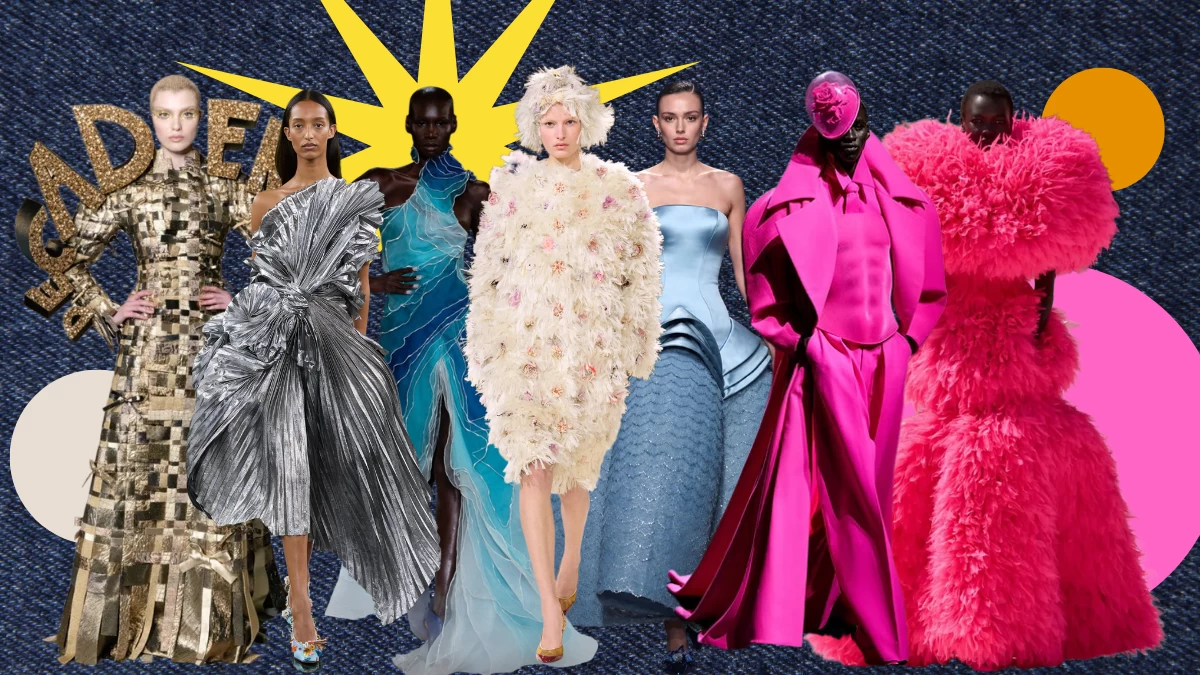
(Artwork: Nancy Marie Andam)
Twice every year, the fashion world turns its attention to Paris for Haute Couture Week. Organized by the Fédération de la Haute Couture et de la Mode, the event is the industry's highest celebration of craftsmanship, artistry, and innovation.
Unlike other fashion weeks driven by commercial collections, Haute Couture Week is where fashion houses showcase their most ambitious creations. Here, garments are meticulously handcrafted, traditional techniques are preserved, and designers are free to experiment beyond the limits of ready-to-wear. More than a showcase of luxury, couture serves as fashion's creative laboratory, with ideas that often shape the industry's future.
The fall-winter 2026–2027 season reflected couture's enduring relevance, as heritage houses and emerging visionaries explored themes ranging from history and fantasy to science, sustainability, and the human experience.
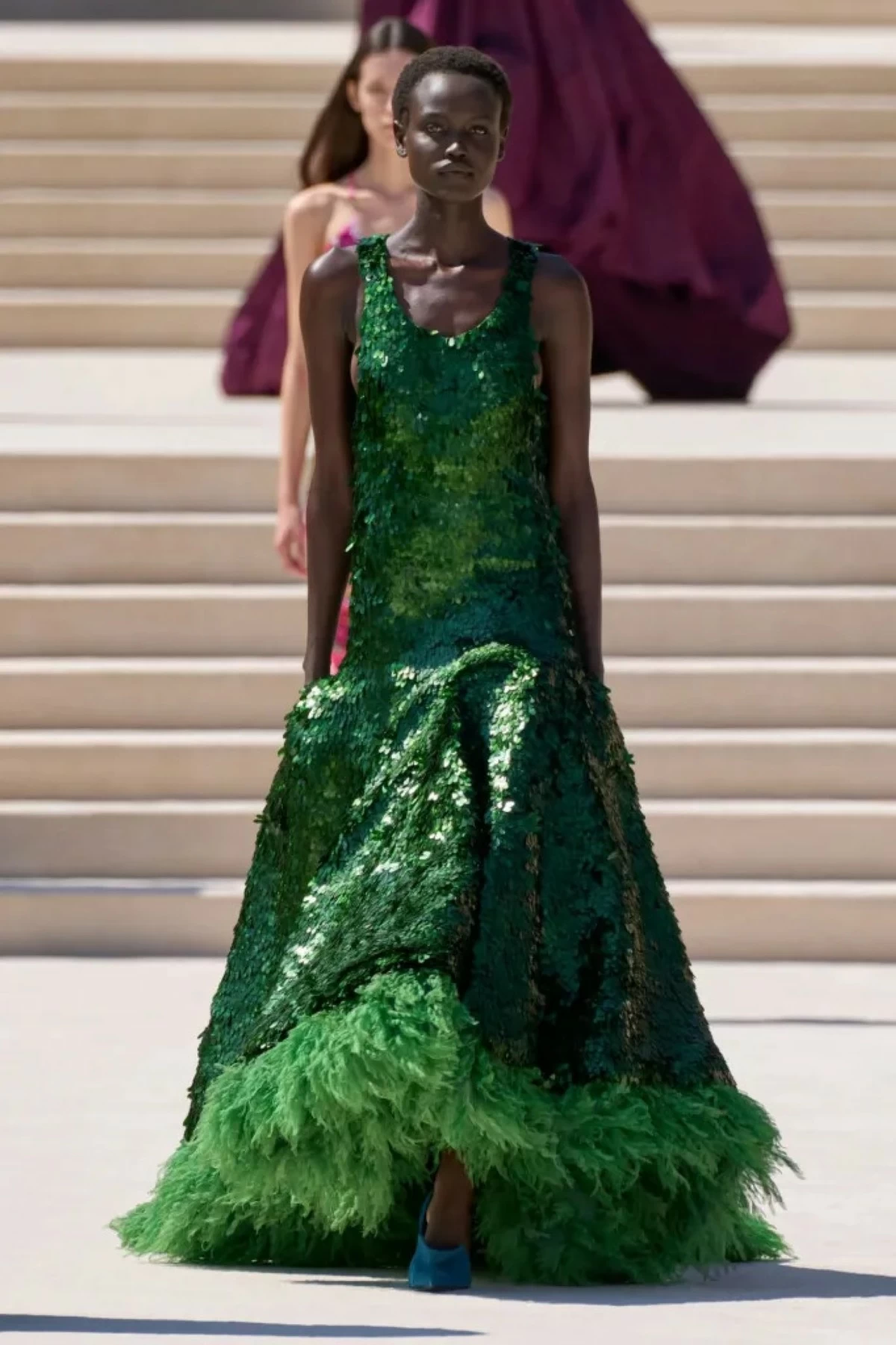
(Photo: Balenciaga)
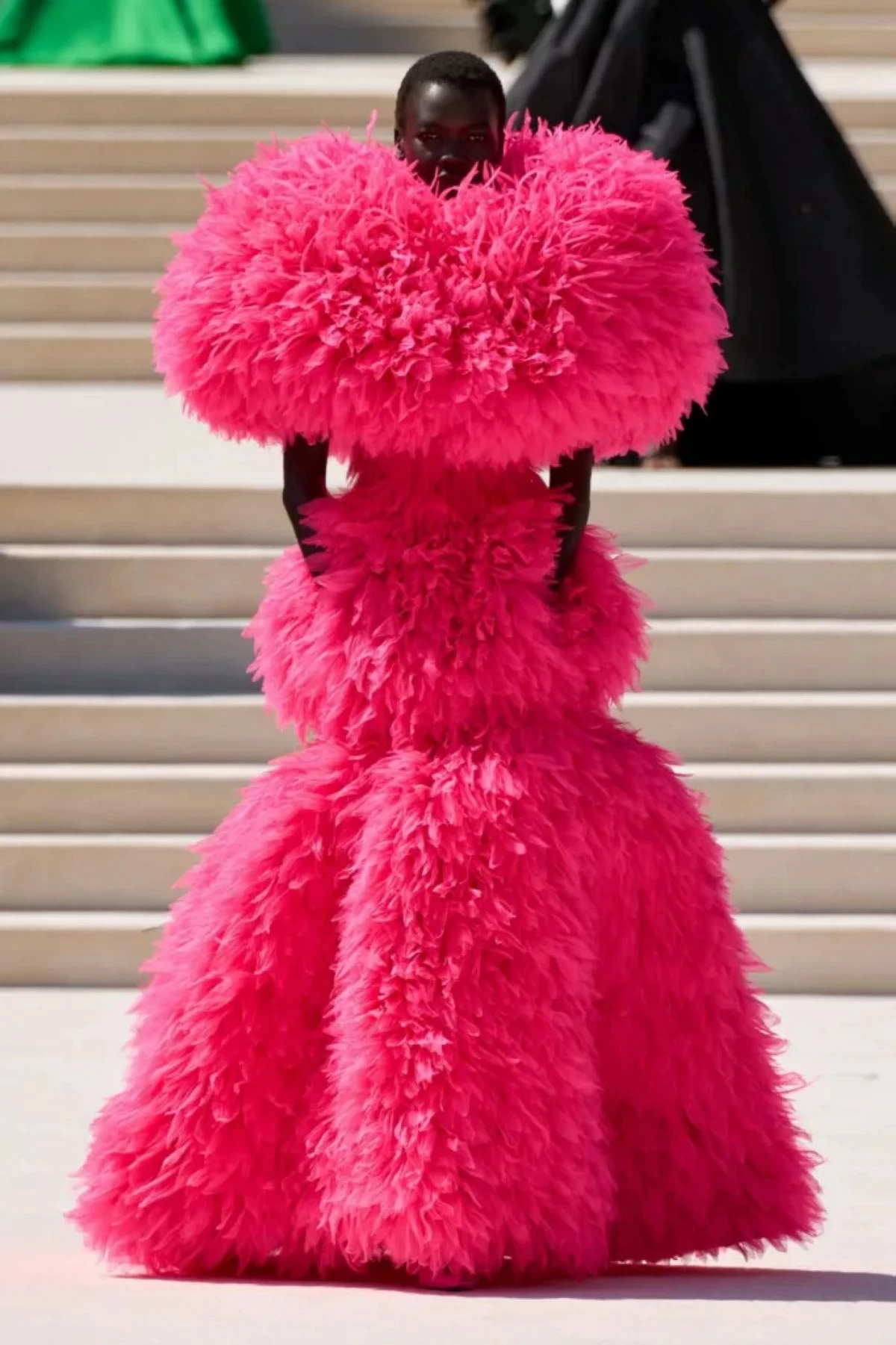
(Photo: Balenciaga)
One of the season's most anticipated presentations was Balenciaga, where creative director Pierpaolo Piccioli unveiled his first haute couture collection for the house. Widely regarded as a return to Cristóbal Balenciaga's legacy, the collection shifted away from provocation in favor of emotion, sculptural tailoring, and timeless elegance, reaffirming the house's reputation for exceptional craftsmanship.
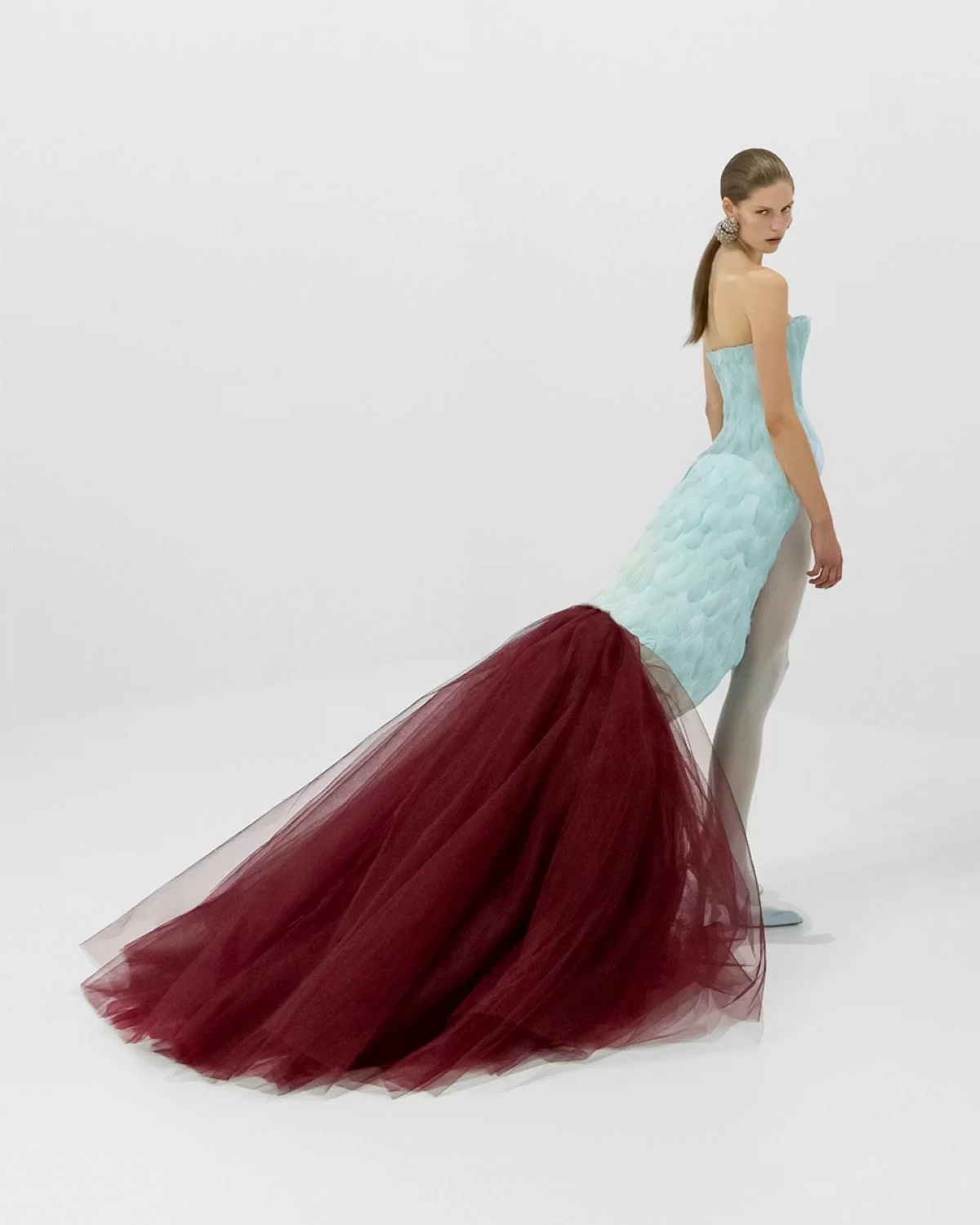
(Photo: Jean Paul Gaultier)
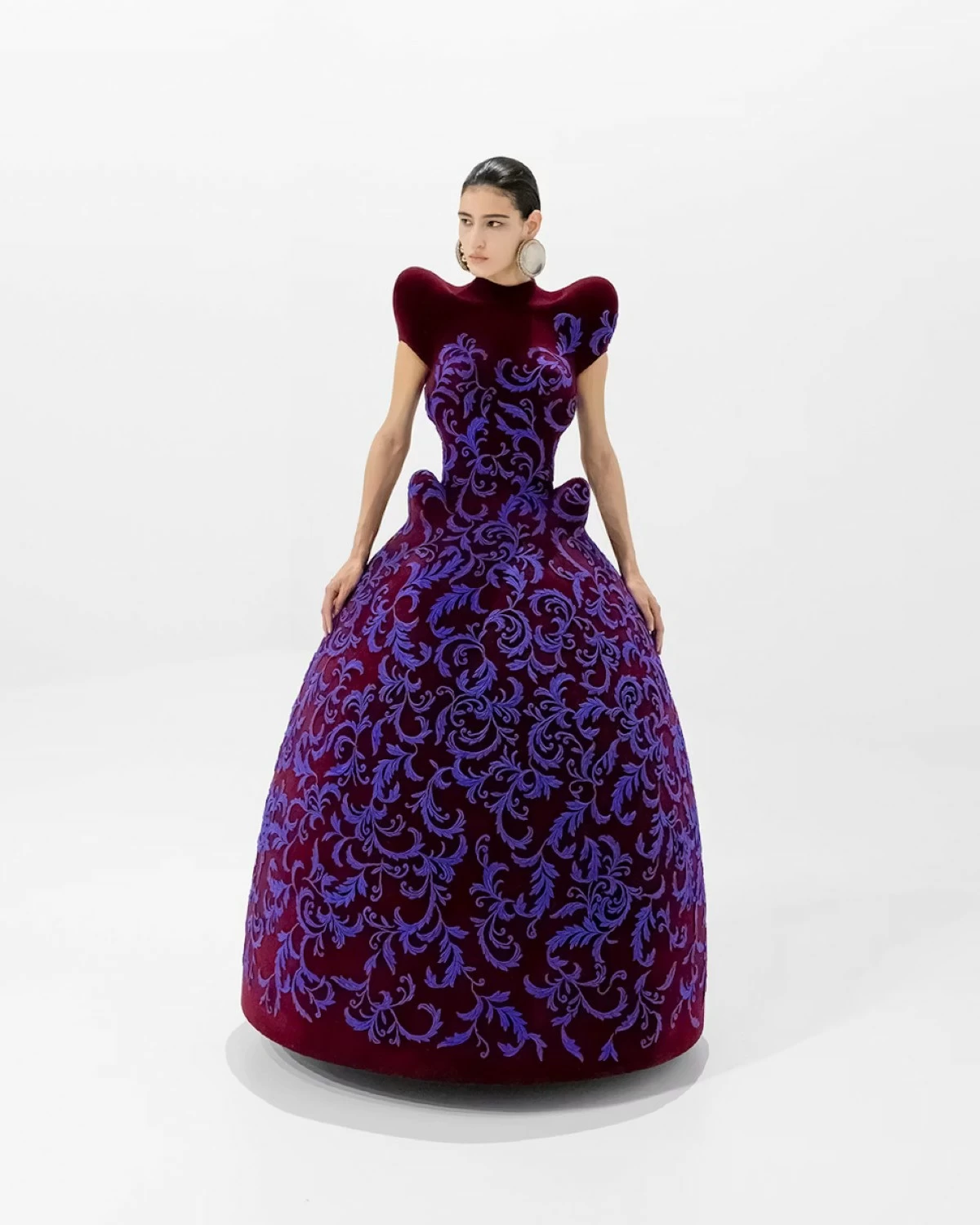
(Photo: Jean Paul Gaultier)
Another highly anticipated debut came from Duran Lantink at Jean Paul Gaultier. Marking his first haute couture collection as the house's permanent creative director, Lantink reimagined historical opulence through a contemporary lens, blending references to Louis XIV, Marie Antoinette, and Versailles with futuristic silhouettes, experimental construction, and Gaultier's signature irreverence.
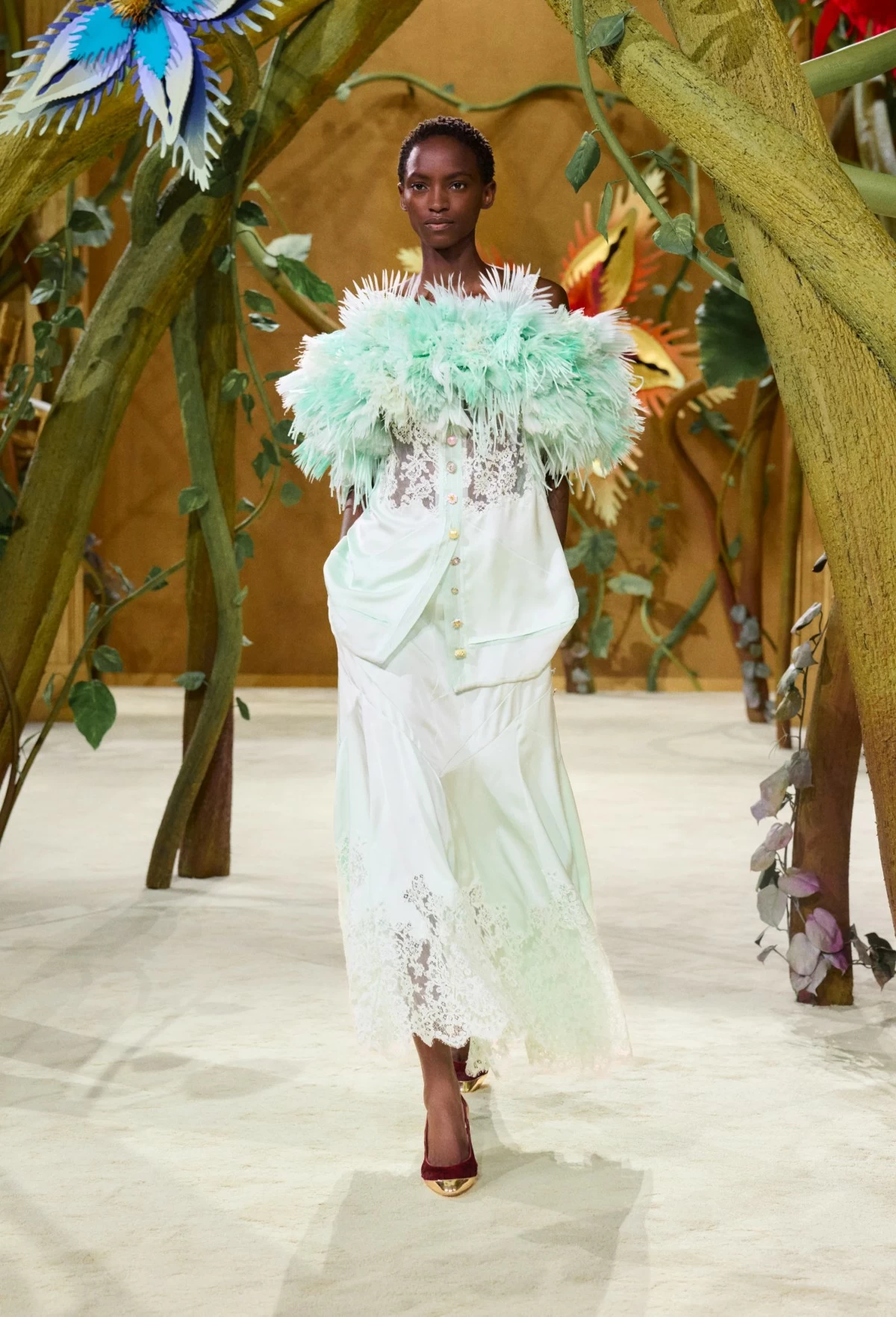
(Photo: Chanel)
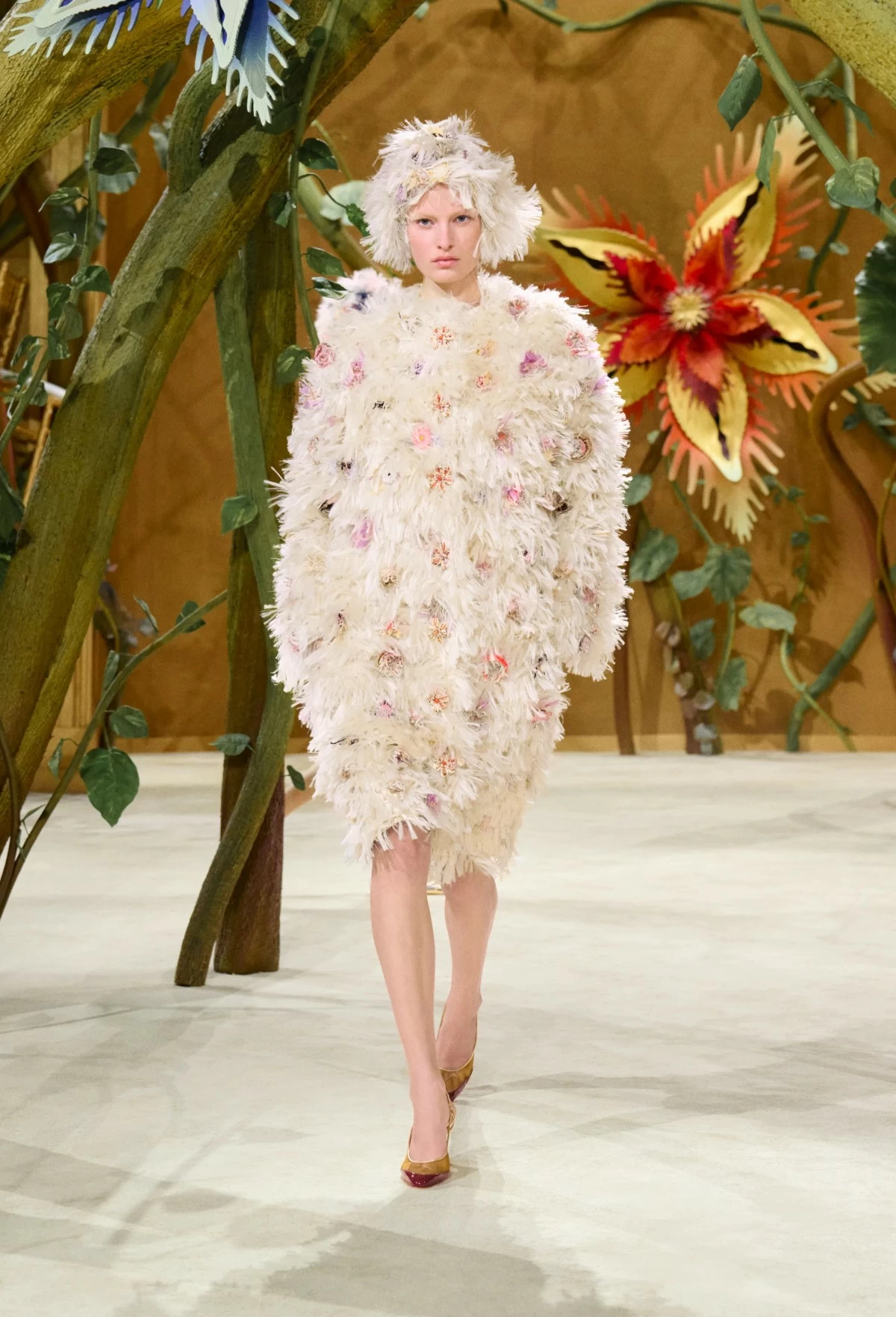
(Photo: Chanel)
At Chanel, creative director Matthieu Blazy delivered a collection that merged the fantasy of The Wizard of Oz with the maison's enduring codes. Tweed, raffia, and botanical motifs evoked the storybook landscape, while the house's heritage remained unmistakable through Blazy's refined interpretation of Gabrielle Chanel's signature neutral palette.
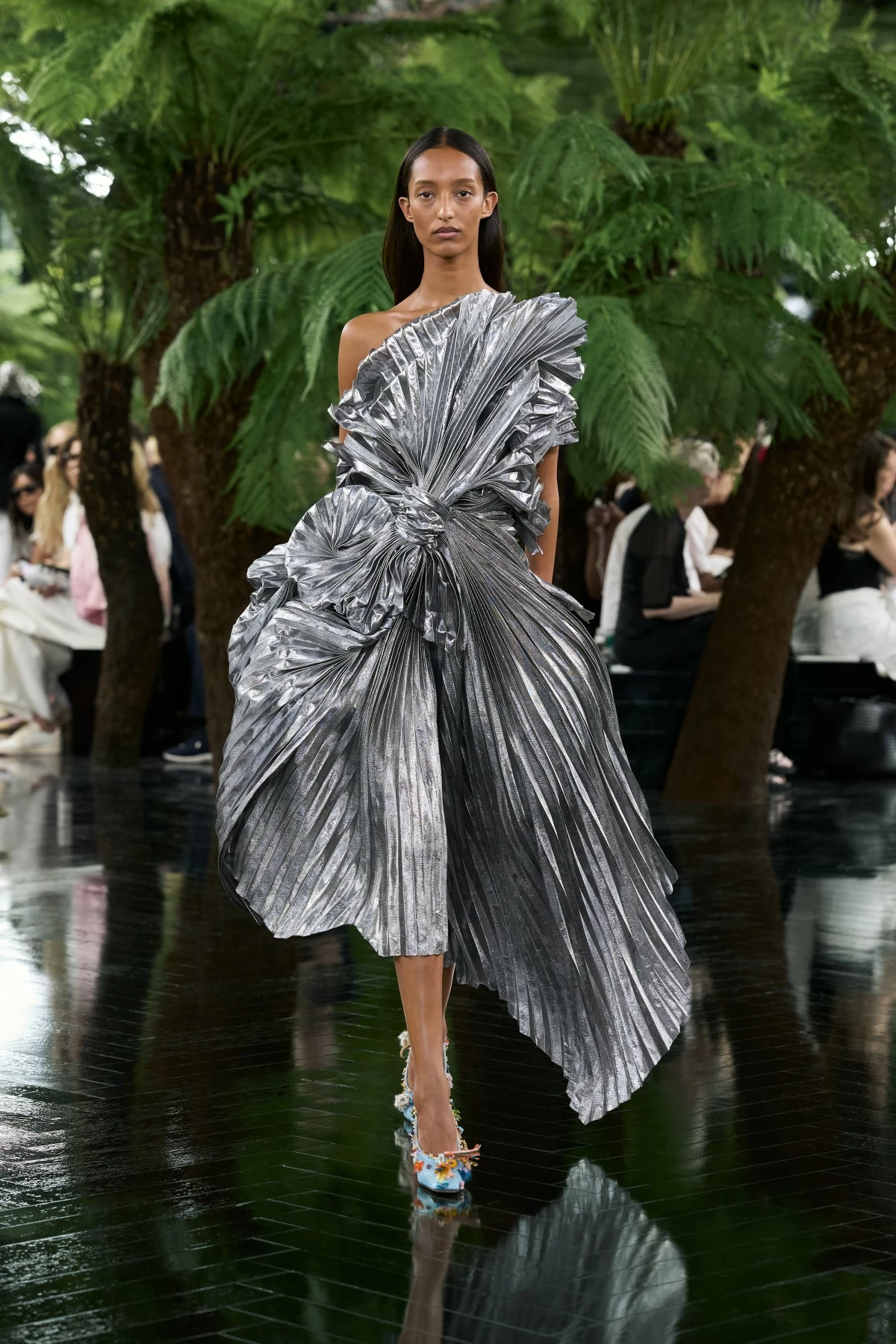
(Photo: Dior)
(Photo: Dior)
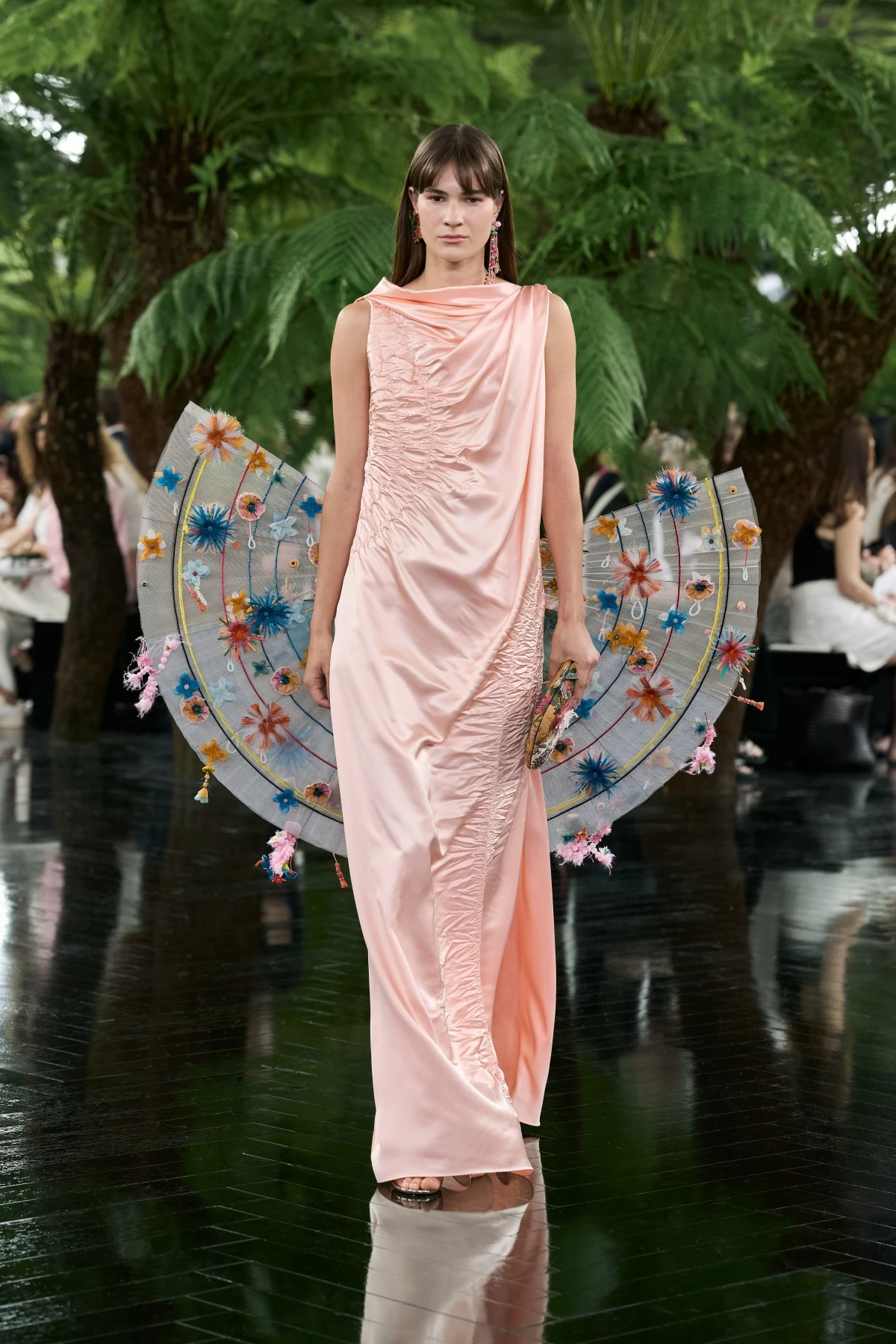
For Dior, Jonathan Anderson looked to the works of American sculptor Lynda Benglis, translating the artist's fluid forms into couture through intricate knotting, pleating, and drapery. The result was a collection that blurred the boundaries between sculpture and fashion, reinforcing couture's place as wearable art.
(Photo: Schiaparelli)
(Photo: Schiaparelli)
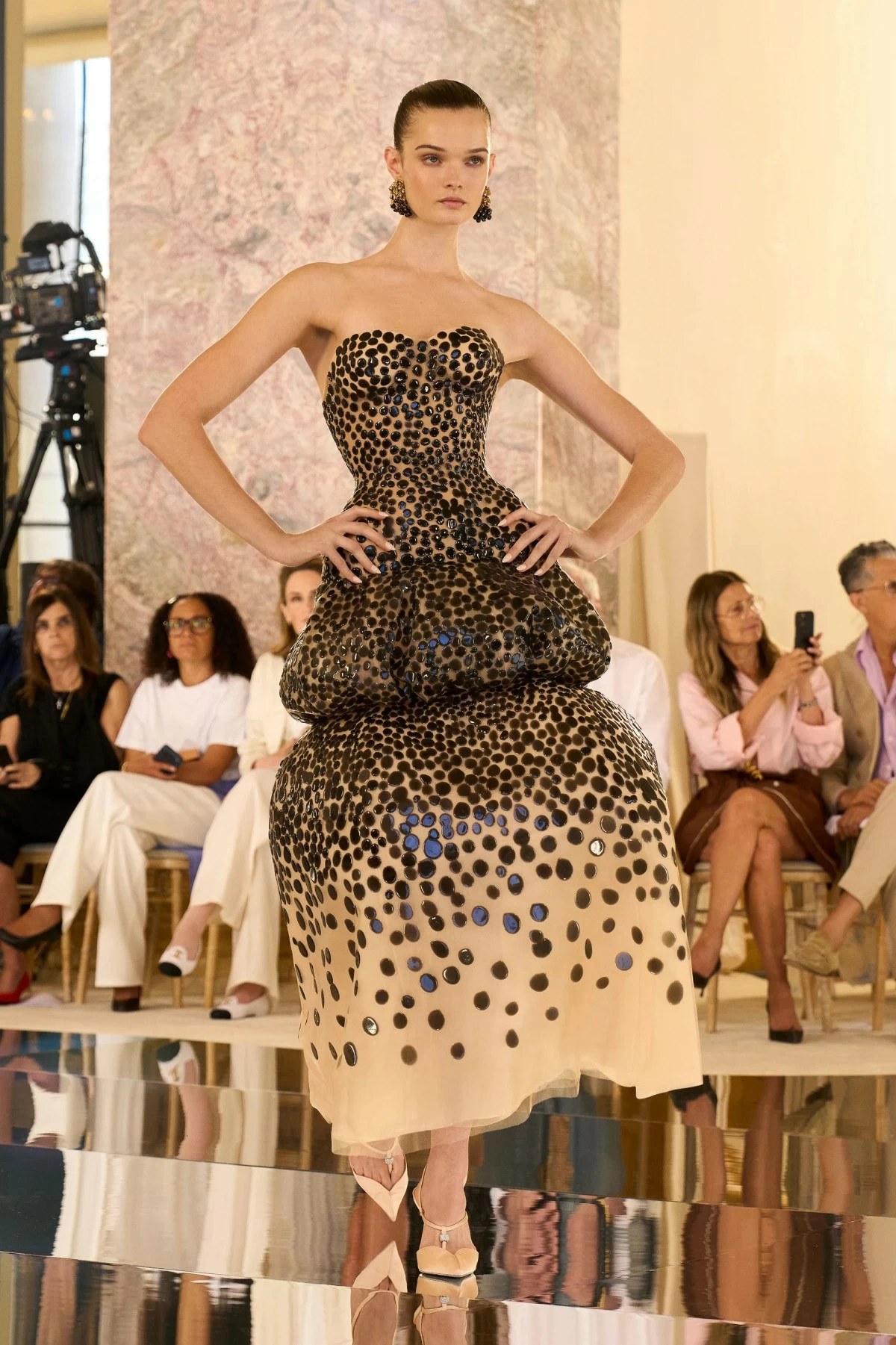
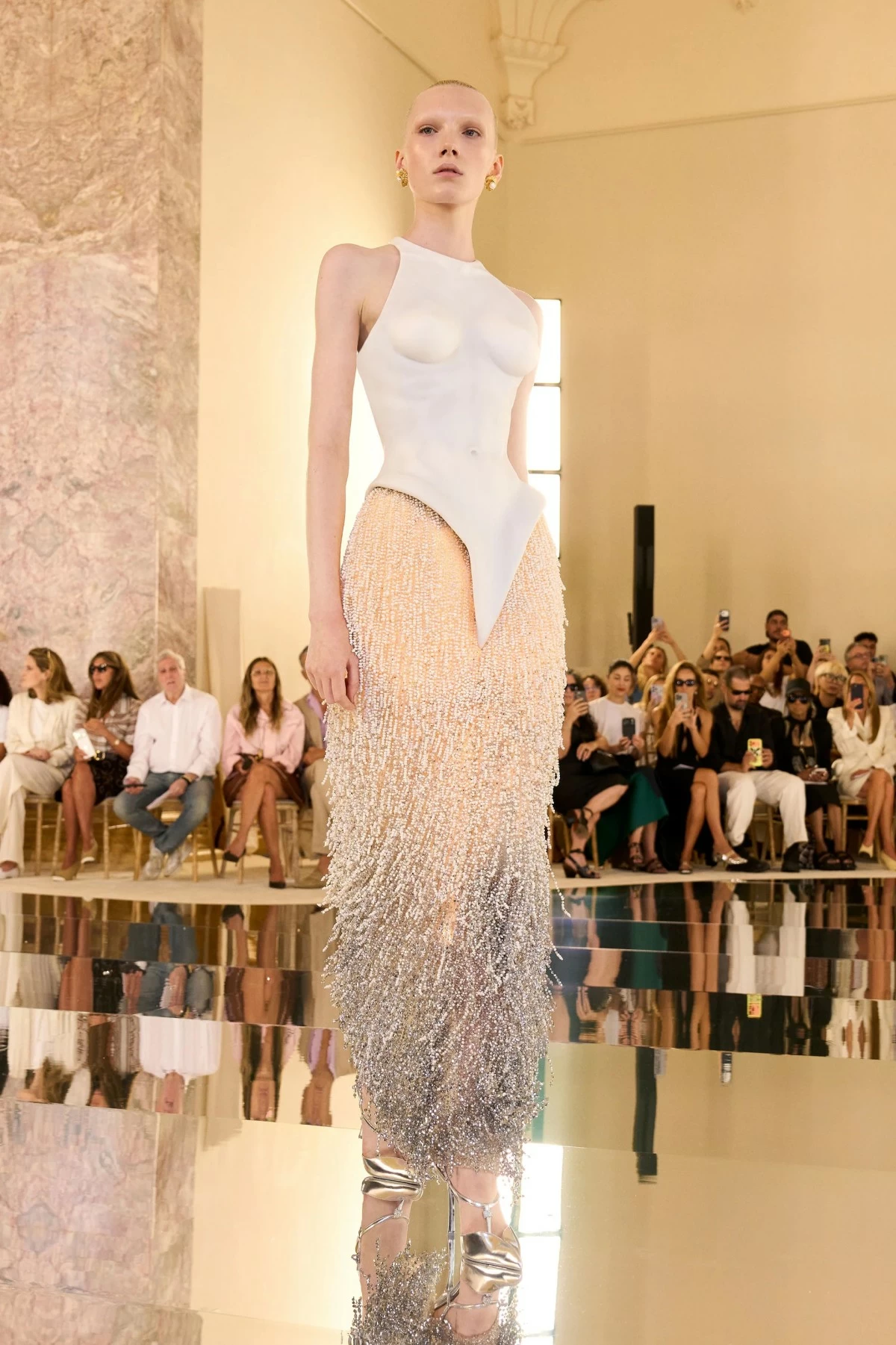
Daniel Roseberry continued Schiaparelli's surrealist legacy with "The Call of the Void," a collection that questioned whether beauty lies in precious materials or in the imagination that transforms them. Pairing traditional haute couture techniques with synthetic materials such as silicone and latex, Roseberry challenged long-held conventions while remaining faithful to the house's spirit of experimentation.
(Photo: Elie Saab)
(Photo: Elie Saab)
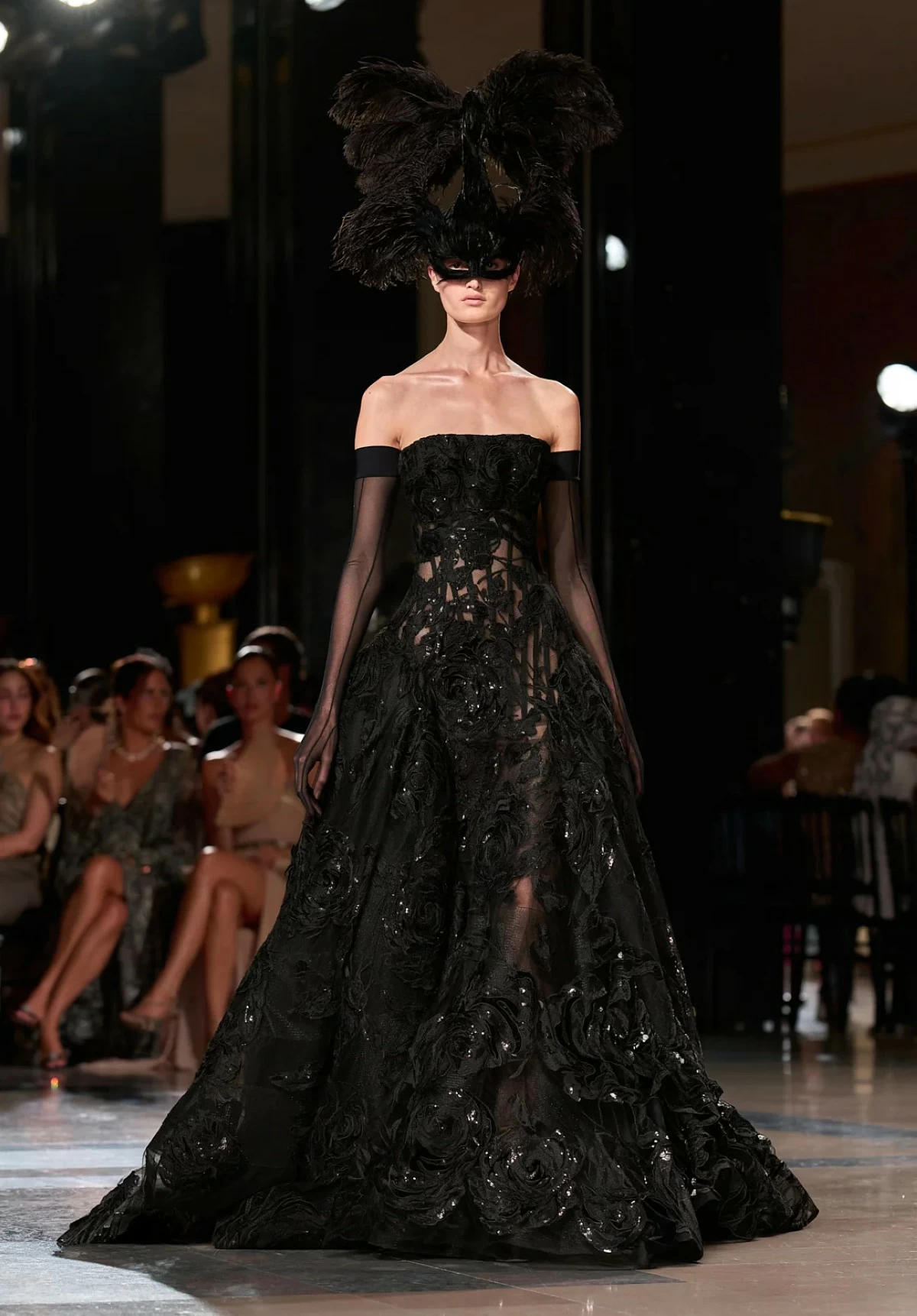
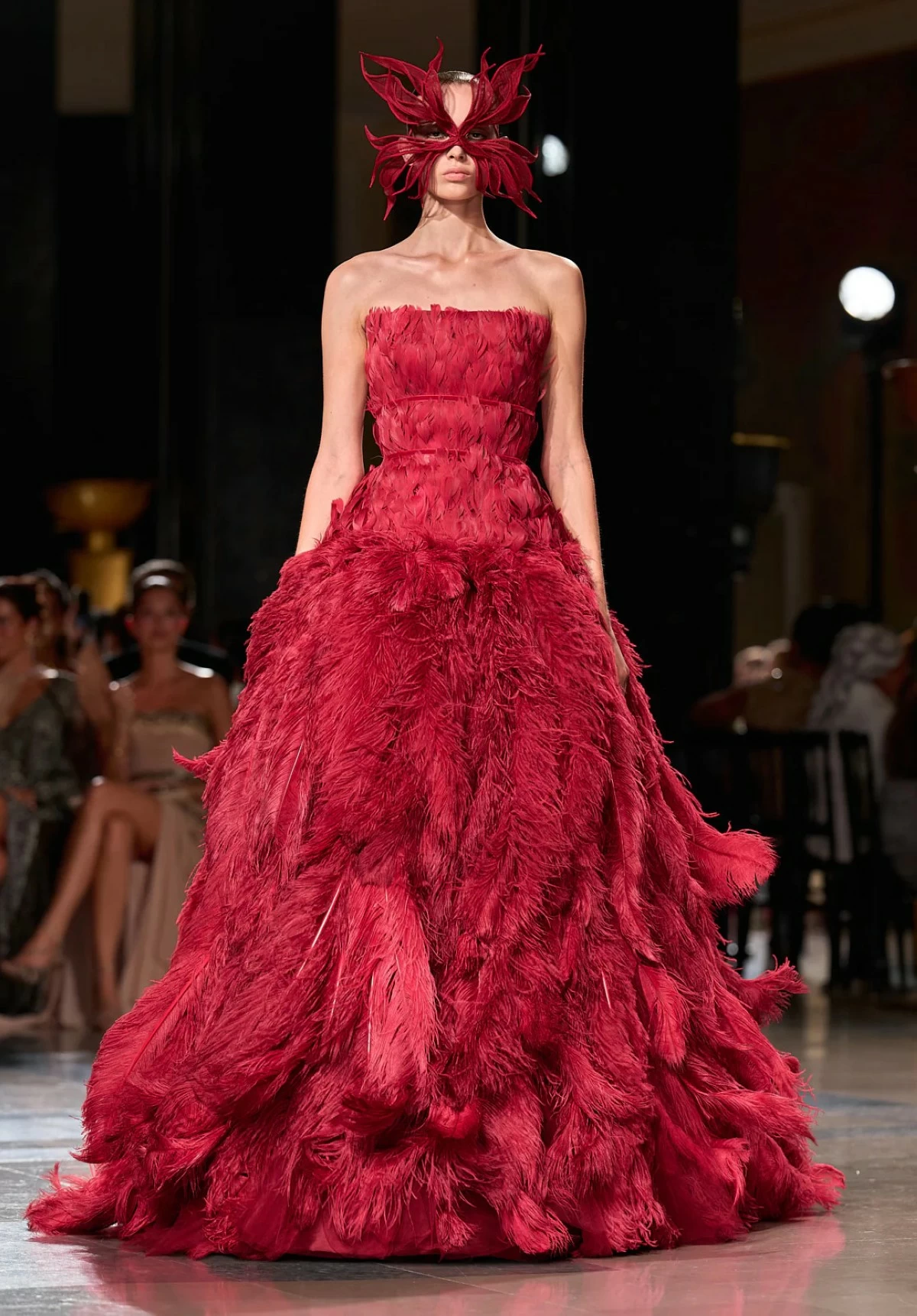
Meanwhile, Elie Saab invited audiences into "The Ball of Untamed Dreams," a fantastical masquerade where flowing goddess gowns, impeccably tailored tuxedos, and dramatic ball gowns embodied the maison's signature blend of romance and glamour.
(Photo: Georges Hobeika)
(Photo: Georges Hobeika)
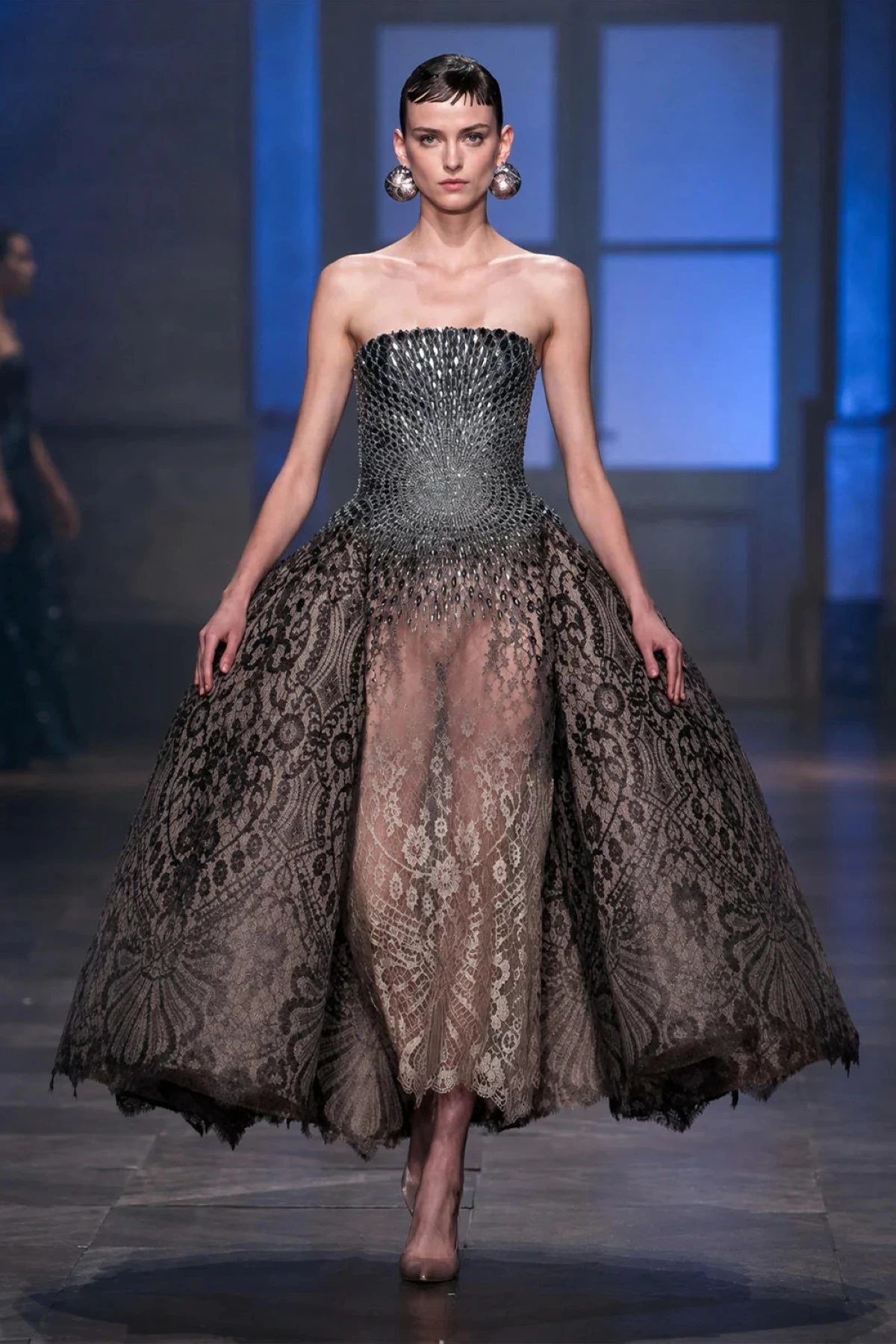
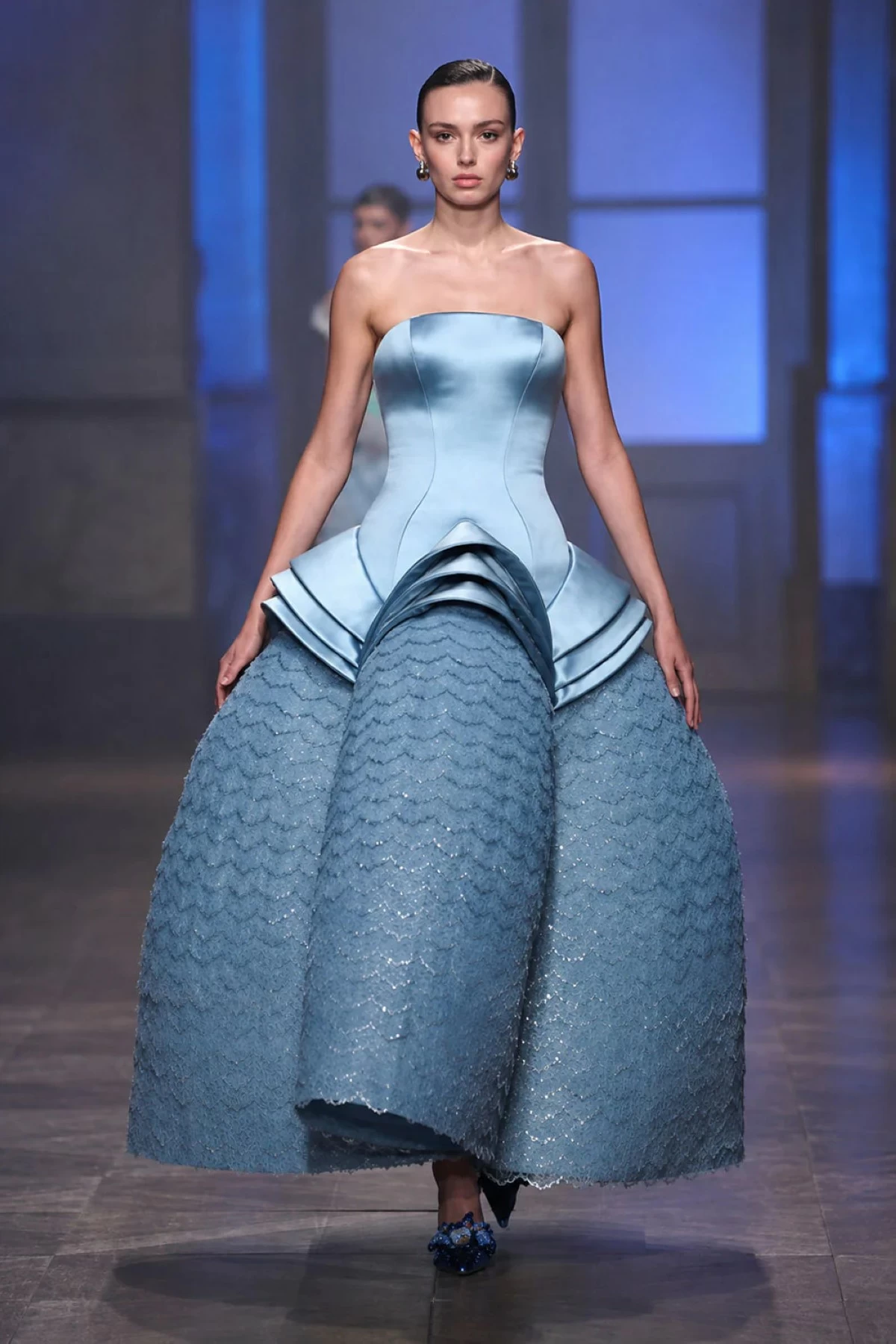
At Georges Hobeika, Georges and Jad Hobeika presented "The Visitor," an ode to wonder and mindfulness inspired by James McCrae's poem Instructions Before Visiting Earth. Through luminous embroidery, refined tailoring, and nature-inspired details, the collection encouraged viewers to rediscover beauty in everyday moments.
(Photo: Iris Van Herpen)
(Photo: Iris Van Herpen)
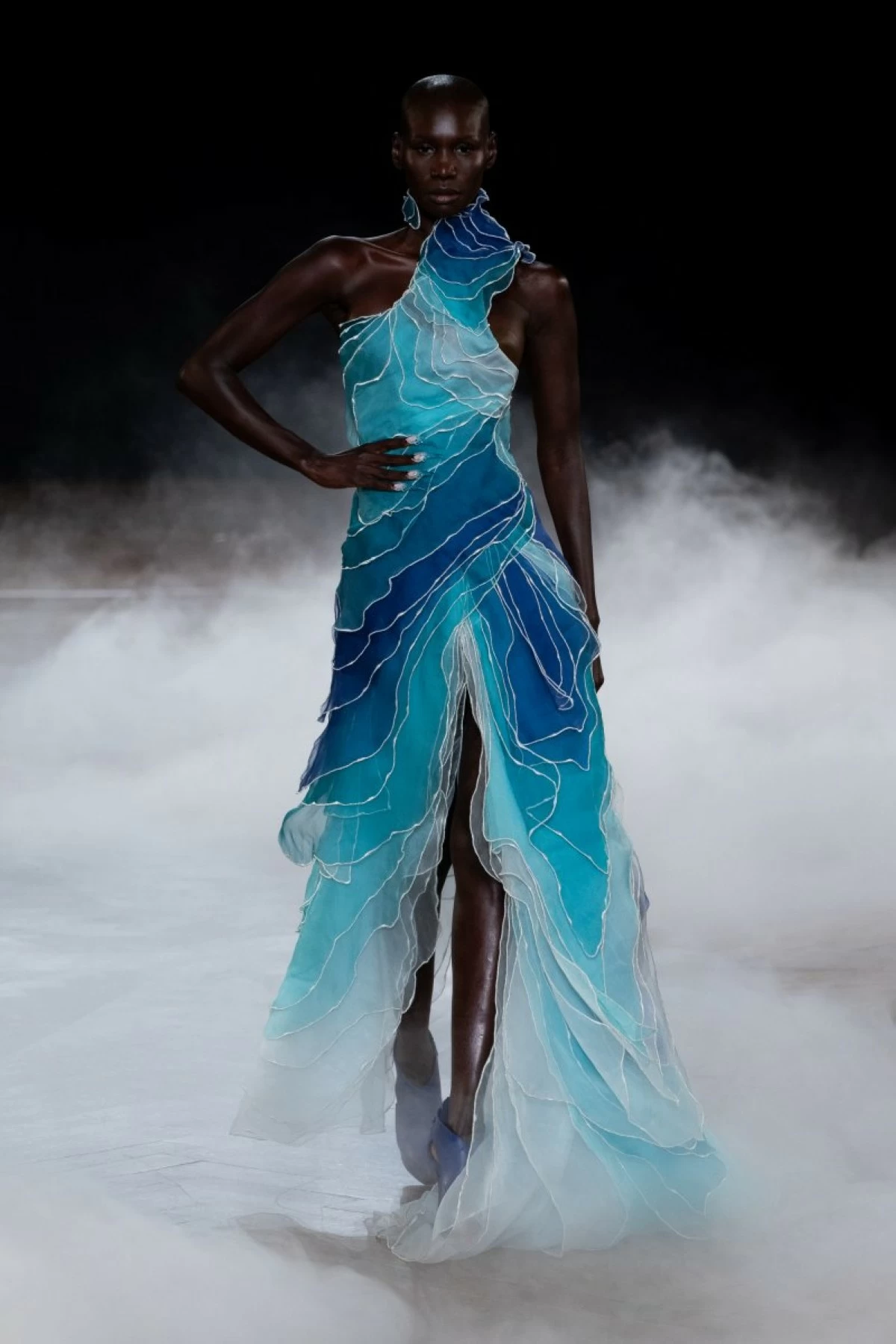
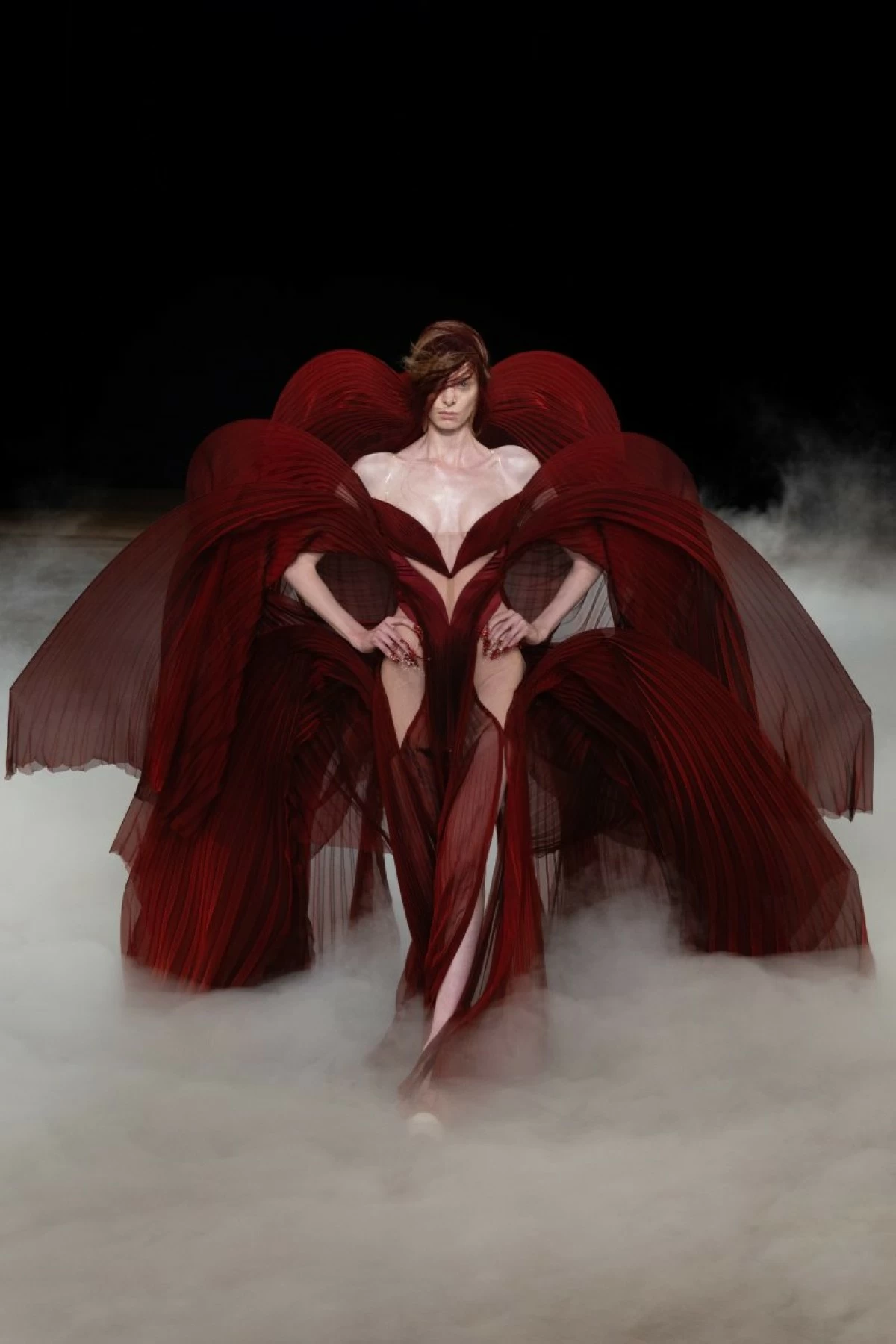
Known for merging science with couture, Iris van Herpen once again pushed creative boundaries with "Sonic Starquakes." Drawing inspiration from vibrating stars, exploding supernovae, spiral galaxies, and plasma turbulence, the collection transformed astrophysics into ethereal garments that appeared to float around the body, demonstrating how technology and craftsmanship can coexist in haute couture.
(Photo: Robert Wun)
(Photo: Robert Wun)
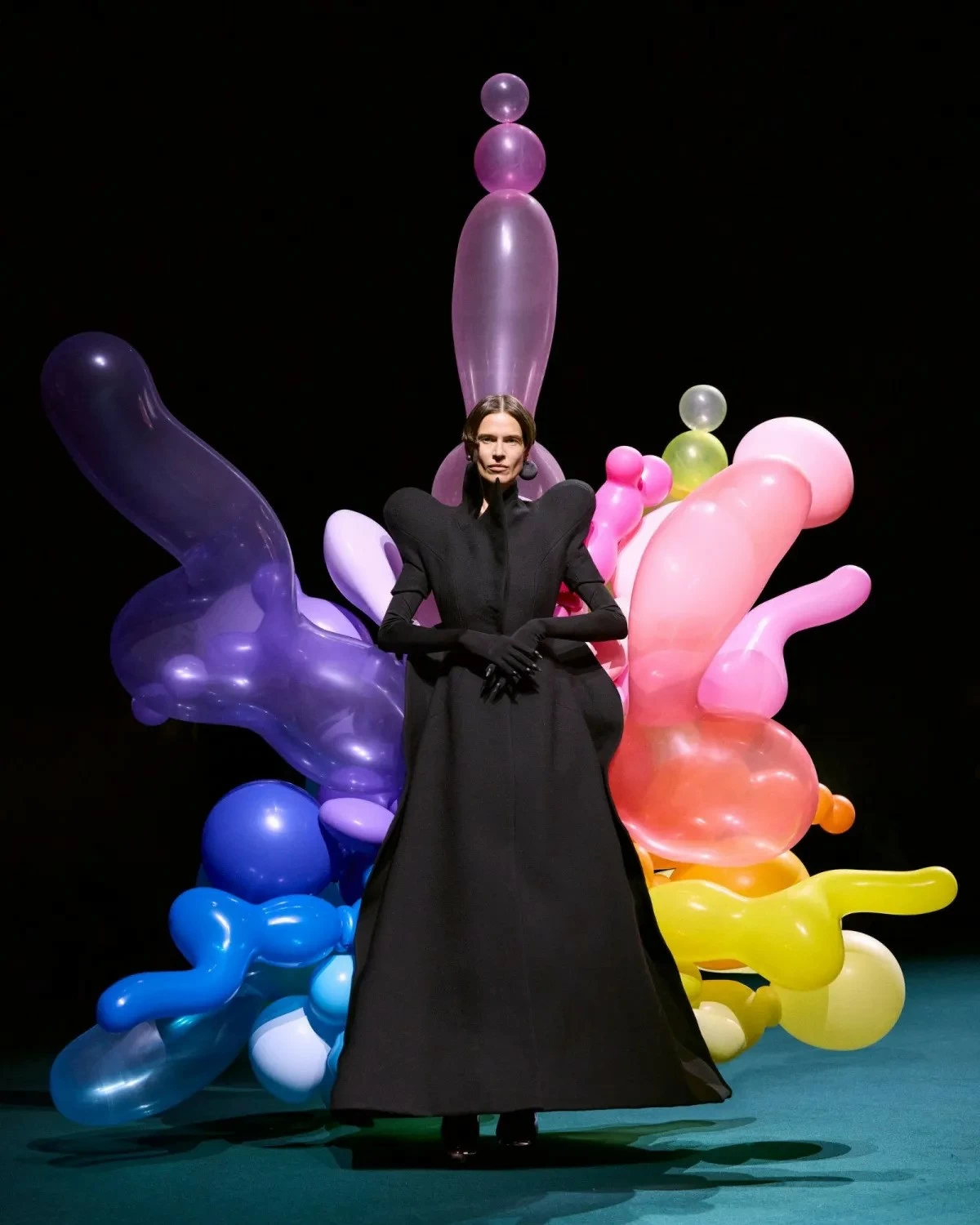
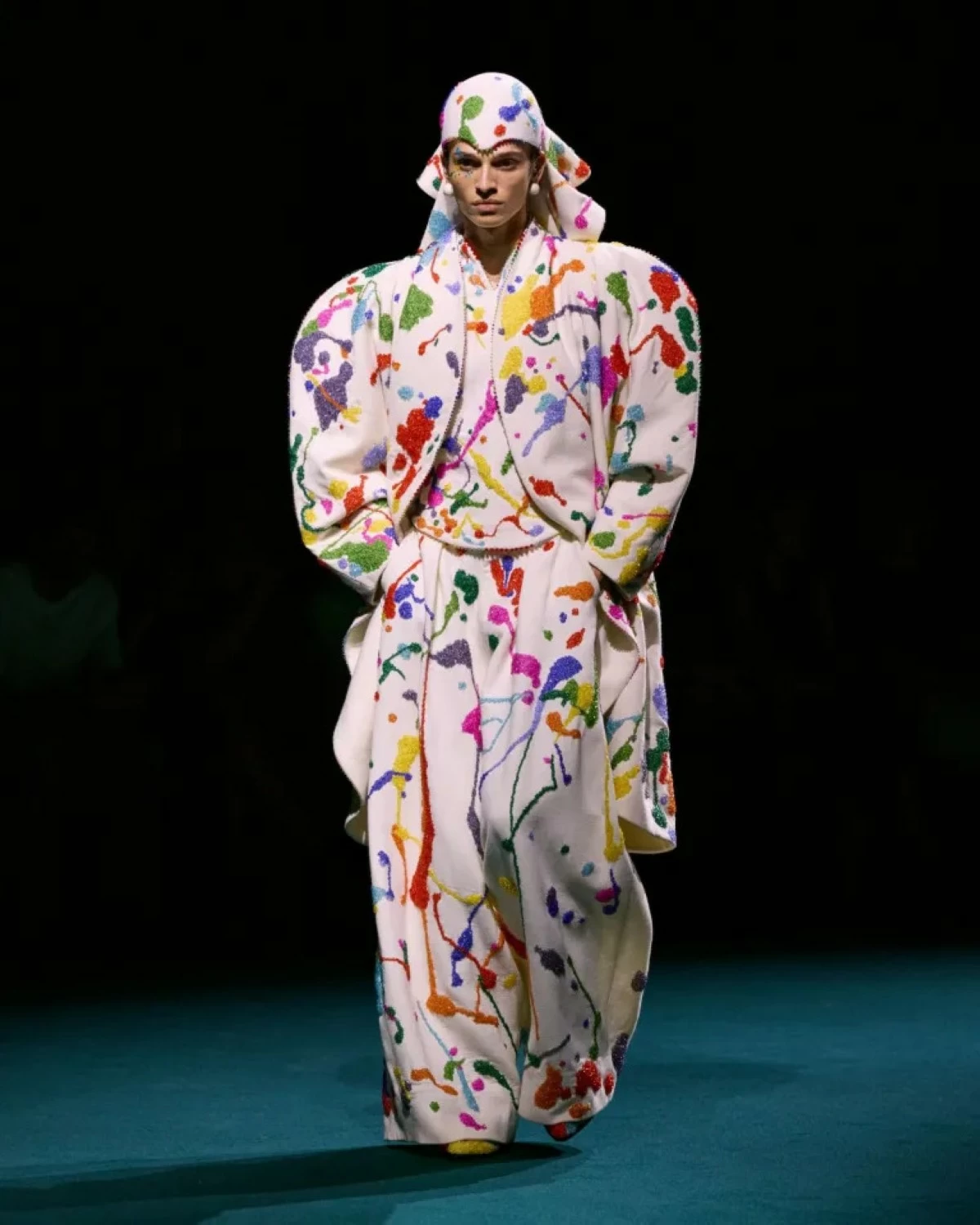
Hong Kong-born designer Robert Wun offered one of the season's most emotionally resonant collections with "Childsplay." Exploring innocence, fear, loss, and hope, the collection revisited childhood through theatrical silhouettes, paint-splatter effects, balloon-like structures, and fairy tale-inspired characters, reminding audiences that imagination remains one of couture's greatest strengths.
(Photo: Viktor and Rolf)
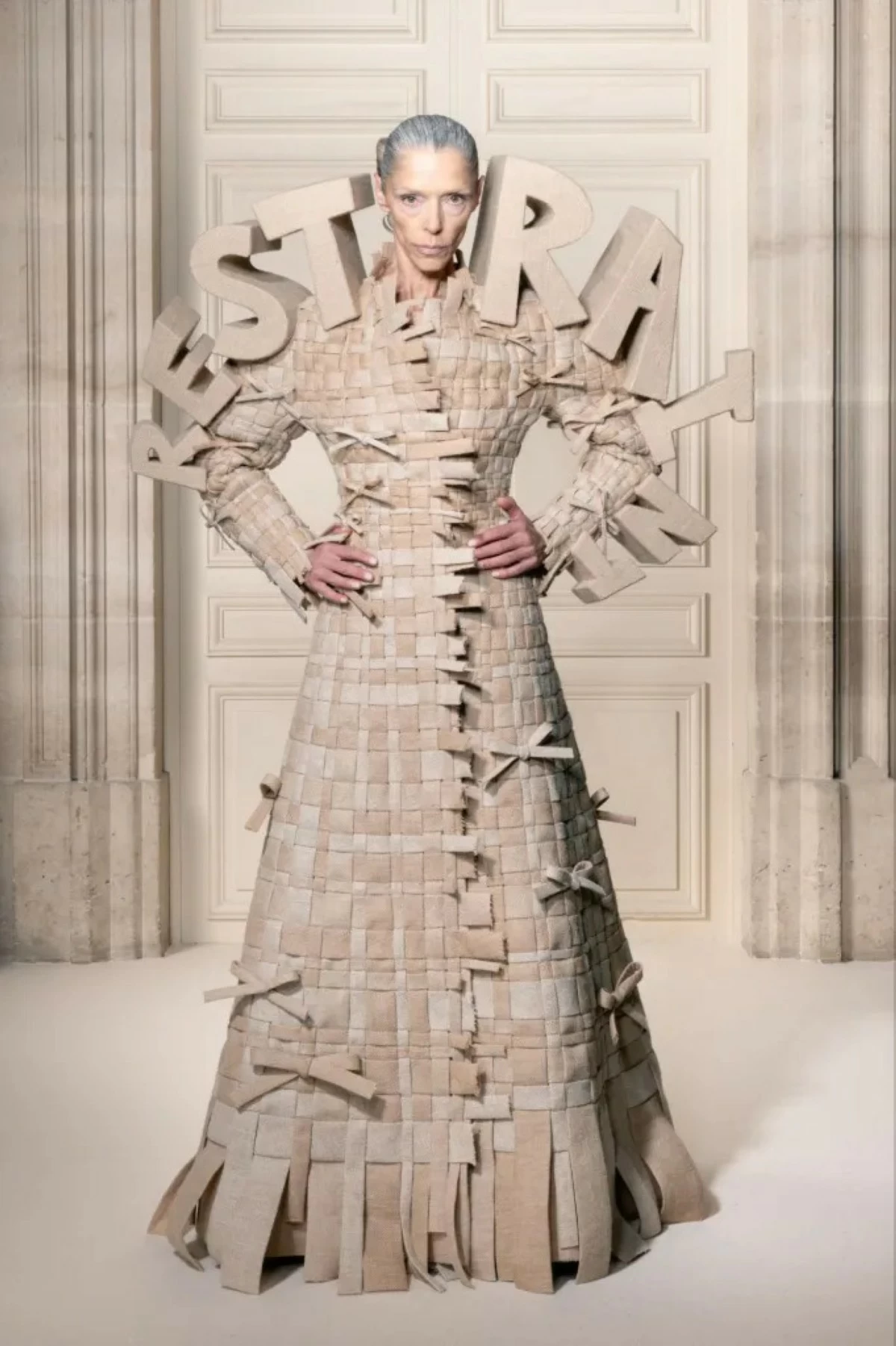
(Photo: Viktor and Rolf)
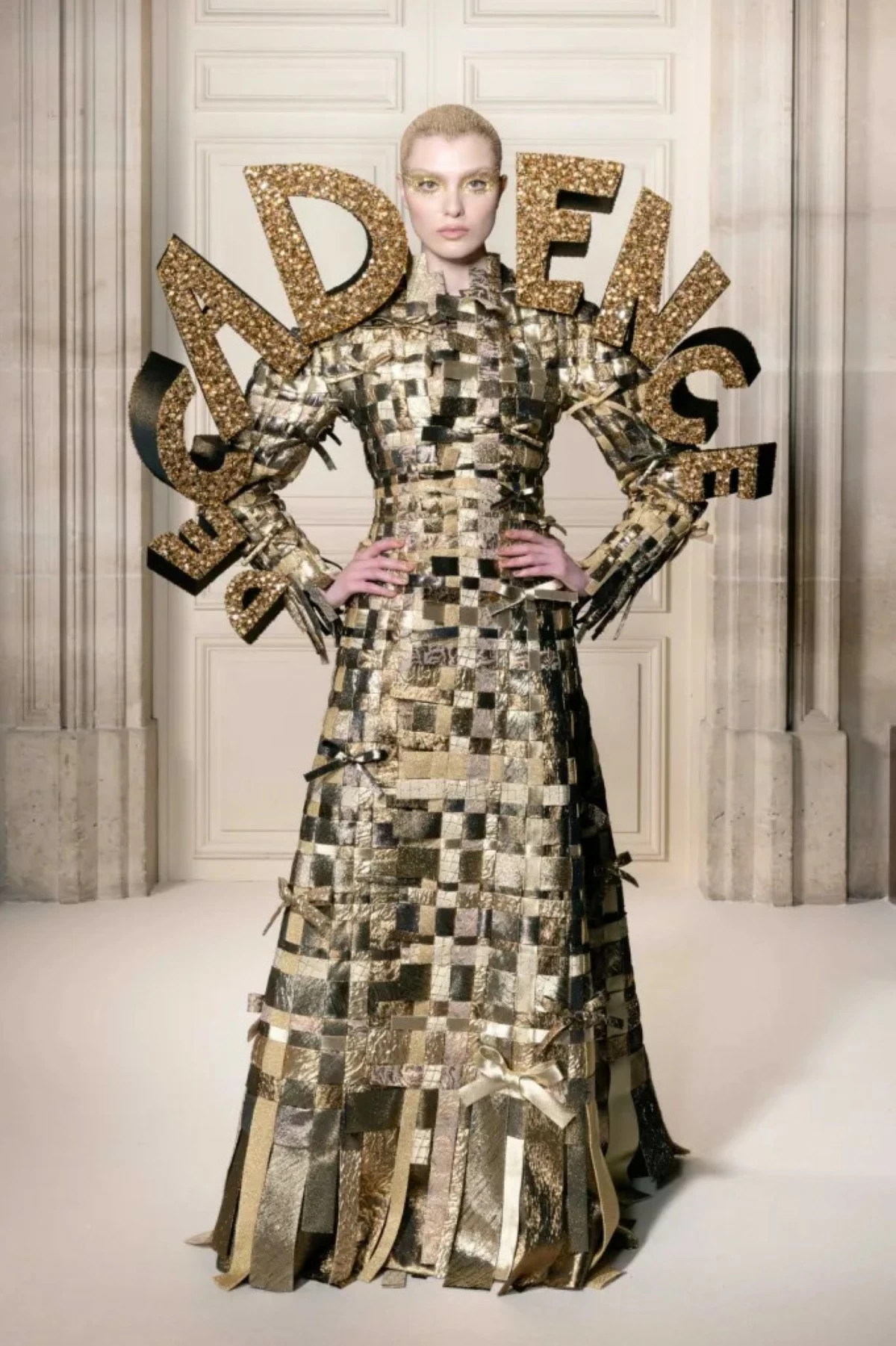
Finally, Viktor and Rolf continued their tradition of conceptual storytelling with "Gilded Age 2.0." Examining the tension between opulence and restraint, the designers presented paired garments that initially appeared identical but revealed subtle differences in texture, material, and construction upon closer inspection. The collection challenged conventional notions of luxury, proving that couture's true value lies not only in precious fabrics but also in craftsmanship, creativity, and perspective.
Together, these collections demonstrated why haute couture remains relevant today. In an era dominated by fast fashion and rapid trend cycles, couture continues to preserve exceptional craftsmanship while providing designers with a space to experiment, provoke thought, and redefine what fashion can be. Though created for only a select clientele, the ideas born on the couture runway continue to influence fashion, culture, and design far beyond Paris.