ADVERTISEMENT

Cyber scams evolve as syndicates outmaneuver Marcos POGO ban

Published Jul 17, 2026 06:30 pm
Organized criminal syndicates have proved resilient in the face of regulatory shifts in the Philippines, reinventing their operations to avoid shutdowns after a government purge dismantled many of their once-flourishing cyber scam hubs.
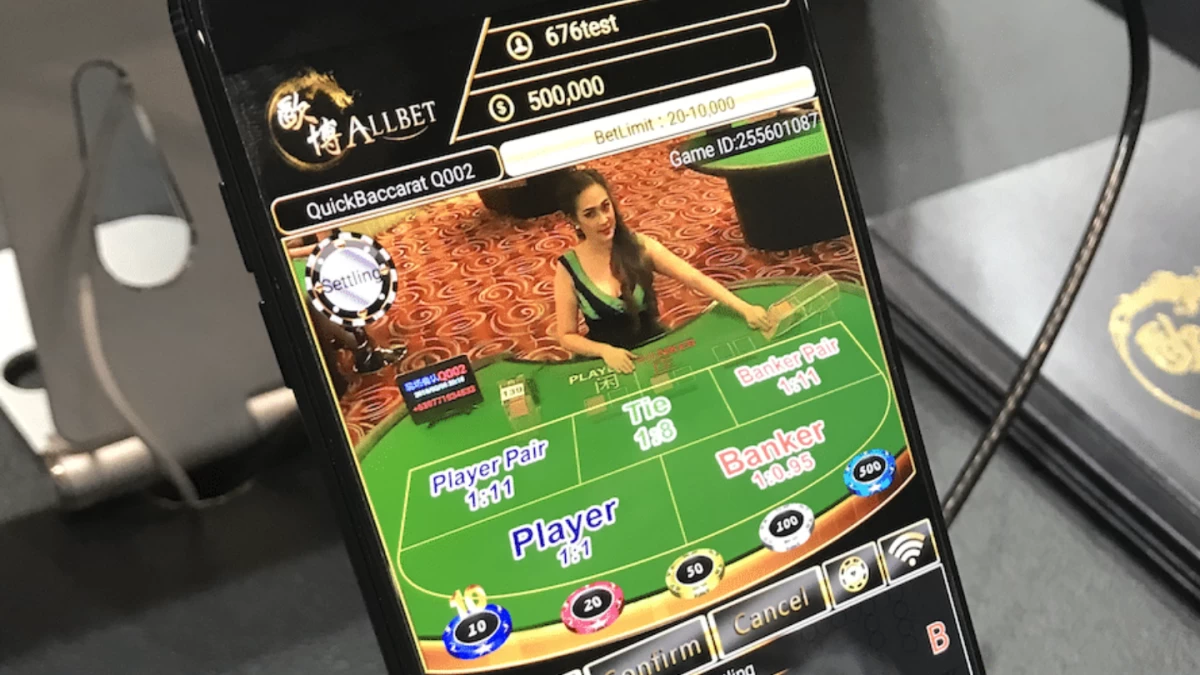
When the Philippines was grappling to survive through the end of the Covid-19 pandemic, criminal syndicates repurposed shuttered casinos and hotels, according to the Asia/Pacific Group on Money Laundering (APG) report published this July.
This was the period when lockdowns and border controls were tightened, leading to the collapse of Southeast Asia’s legal and illegal gambling industries.
To claw back lost income, these idle casinos and hotels were repurposed into cyber scam hubs. These facilities turned into places filled with human trafficking victims forced to conduct different kinds of scams and money laundering.
Domestically, these cyber scam hubs hid under the mask of offshore gaming. APG, a regional money-laundering watchdog, cited a case study revealing that Philippine Offshore Gaming Operators (POGOs) had trafficked not only Filipinos but also foreign nationals, including Cambodians, Vietnamese, and other Southeast Asians.
“Local e-money wallets were used as pass-through accounts for laundering low-value scam receipts from unwitting local or foreign individuals,” the case study detailed. “Some funds were also routed through online gaming platforms linked to the POGO license, masking illicit revenues as gambling winnings.”
This post-pandemic surge in illegal activities was occurring at such an unprecedented pace that a single raid on a POGO compound in Las Piñas in mid-2023 led to the rescue of over 2,700 individuals being coerced into conducting scams. Another mid-2024 raid on an illegal POGO rescued a comparable number of victims.
According to the report, President Ferdinand Marcos Jr.’s ban on “offshore gaming and related operations had a significant and immediate impact on the prevalence of cyber scam hubs in the Philippines.”
Significant impact, however, does not equate to eliminating these cyber scamming schemes. Criminal operations in the Philippines have adapted to the 2025 legislation by decentralizing and relocating to regulatory grey zones.
APG said the strategy involves breaking up large-scale operations into smaller, mobile units that are spread across different locations within cities or regions. These operations may be housed in hotel rooms, private homes, vacation rentals, or even entire floors of commercial buildings.
“By dispersing their activities, criminal syndicates are able to obscure operational footprints, complicate investigative efforts, and minimize the risk of large-scale enforcement actions,” it added.
Meanwhile, APG noted that cyber scam hubs “can operate at scale in regulatory grey zones, where state authority and oversight is weak.” This advantage allows large compounds to be relocated and rebranded when regulatory oversight tightens.
Data cited by APG show cyber scam hubs are located in special economic zones such as the “Clark Freeport Zone, Bamban in Tarlac, and Cebu in the Philippines.” Some are found in border areas, urban centers, and remote rural areas.

Related Tags

Cyber scam POGO Asia/Pacific Group on Money Laundering (APG)
ADVERTISEMENT
.most-popular .layout-ratio{ padding-bottom: 79.13%; } @media (min-width: 768px) and (max-width: 1024px) { .widget-title { font-size: 15px !important; } }

{{ articles_filter_1561_widget.title }}

.most-popular .layout-ratio{ padding-bottom: 79.13%; } @media (min-width: 768px) and (max-width: 1024px) { .widget-title { font-size: 15px !important; } }

{{ static_articles_1562_widget.title }}

.most-popular .layout-ratio{ padding-bottom: 79.13%; } @media (min-width: 768px) and (max-width: 1024px) { .widget-title { font-size: 15px !important; } }

{{ articles_filter_1563_widget.title }}

{{ articles_filter_1564_widget.title }}

.mb-article-details { position: relative; } .mb-article-details .article-body-preview, .mb-article-details .article-body-summary{ font-size: 17px; line-height: 30px; font-family: "Libre Caslon Text", serif; color: #000; } .mb-article-details .article-body-preview iframe , .mb-article-details .article-body-summary iframe{ width: 100%; margin: auto; } .read-more-background { background: linear-gradient(180deg, color(display-p3 1.000 1.000 1.000 / 0) 13.75%, color(display-p3 1.000 1.000 1.000 / 0.8) 30.79%, color(display-p3 1.000 1.000 1.000) 72.5%); position: absolute; height: 200px; width: 100%; bottom: 0; display: flex; justify-content: center; align-items: center; padding: 0; } .read-more-background a{ color: #000; } .read-more-btn { padding: 17px 45px; font-family: Inter; font-weight: 700; font-size: 18px; line-height: 16px; text-align: center; vertical-align: middle; border: 1px solid black; background-color: white; } .hidden { display: none; }
function initializeAllSwipers() { // Get all hidden inputs with cms_article_id document.querySelectorAll('[id^="cms_article_id_"]').forEach(function (input) { const cmsArticleId = input.value; const articleSelector = '#article-' + cmsArticleId + ' .body_images'; const swiperElement = document.querySelector(articleSelector); if (swiperElement && !swiperElement.classList.contains('swiper-initialized')) { new Swiper(articleSelector, { loop: true, pagination: false, navigation: { nextEl: '#article-' + cmsArticleId + ' .swiper-button-next', prevEl: '#article-' + cmsArticleId + ' .swiper-button-prev', }, }); } }); } setTimeout(initializeAllSwipers, 3000); const intersectionObserver = new IntersectionObserver( (entries) => { entries.forEach((entry) => { if (entry.isIntersecting) { const newUrl = entry.target.getAttribute("data-url"); if (newUrl) { history.pushState(null, null, newUrl); let article = entry.target; // Extract metadata const author = article.querySelector('.author-section').textContent.replace('By', '').trim(); const section = article.querySelector('.section-info ').textContent.replace(' ', ' '); const title = article.querySelector('.article-title h1').textContent; // Parse URL for Chartbeat path format const parsedUrl = new URL(newUrl, window.location.origin); const cleanUrl = parsedUrl.host + parsedUrl.pathname; // Update Chartbeat configuration if (typeof window._sf_async_config !== 'undefined') { window._sf_async_config.path = cleanUrl; window._sf_async_config.sections = section; window._sf_async_config.authors = author; } // Track virtual page view with Chartbeat if (typeof pSUPERFLY !== 'undefined' && typeof pSUPERFLY.virtualPage === 'function') { try { pSUPERFLY.virtualPage({ path: cleanUrl, title: title, sections: section, authors: author }); } catch (error) { console.error('ping error', error); } } // Optional: Update document title if (title && title !== document.title) { document.title = title; } } } }); }, { threshold: 0.1 } ); function showArticleBody(button) { const article = button.closest("article"); const summary = article.querySelector(".article-body-summary"); const body = article.querySelector(".article-body-preview"); const readMoreSection = article.querySelector(".read-more-background"); // Hide summary and read-more section summary.style.display = "none"; readMoreSection.style.display = "none"; // Show the full article body body.classList.remove("hidden"); } document.addEventListener("DOMContentLoaded", () => { let loadCount = 0; // Track how many times articles are loaded const offset = [1, 2, 3, 4, 5, 6, 7, 8, 9, 10]; // Offset values const currentUrl = window.location.pathname.substring(1); let isLoading = false; // Prevent multiple calls if (!currentUrl) { console.log("Current URL is invalid."); return; } const sentinel = document.getElementById("load-more-sentinel"); if (!sentinel) { console.log("Sentinel element not found."); return; } function isSentinelVisible() { const rect = sentinel.getBoundingClientRect(); return ( rect.top < window.innerHeight && rect.bottom >= 0 ); } function onScroll() { if (isLoading) return; if (isSentinelVisible()) { if (loadCount >= offset.length) { console.log("Maximum load attempts reached."); window.removeEventListener("scroll", onScroll); return; } isLoading = true; const currentOffset = offset[loadCount]; window.loadMoreItems().then(() => { let article = document.querySelector('#widget_1690 > div:nth-last-of-type(2) article'); intersectionObserver.observe(article) loadCount++; }).catch(error => { console.error("Error loading more items:", error); }).finally(() => { isLoading = false; }); } } window.addEventListener("scroll", onScroll); });

Sign up by email to receive news.