

ADVERTISEMENT

Philippines sees progress in South China Sea code of conduct talks

Published Jul 16, 2026 03:32 pm

At A Glance

  • The Philippines said negotiations on the ASEAN-China Code of Conduct (COC) in the South China Sea continue to make progress despite remaining contentious issues.
  • DFA Spokesperson on ASEAN Matters Dominic Xavier M. Imperial said ASEAN and China remain committed to concluding negotiations this year.
  • The progress comes ahead of next week's ASEAN Foreign Ministers' Meeting in Manila, where regional security issues are expected to be among the key topics.
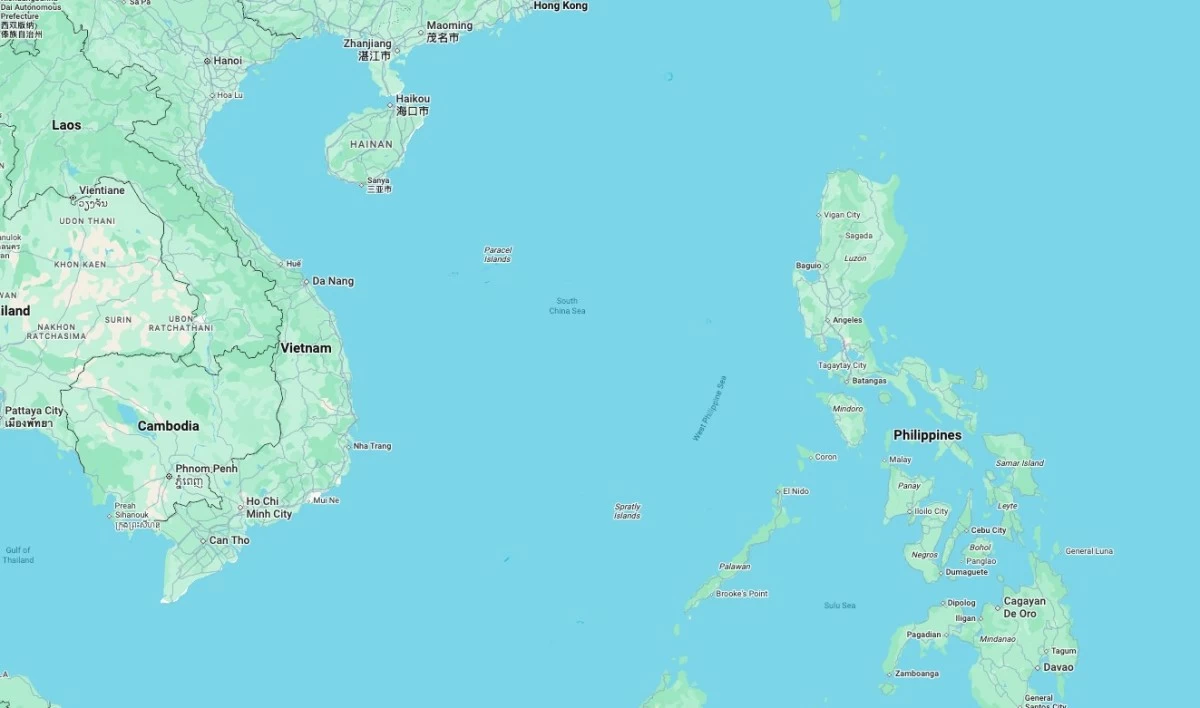
South China Sea (Google Maps)

The Philippines remains confident that negotiations on the long-awaited Code of Conduct (COC) in the South China Sea are making steady progress, with the Association of Southeast Asian Nations (ASEAN) and China maintaining their commitment to conclude talks within the year.

Department of Foreign Affairs (DFA) Spokesperson on ASEAN Matters Dominic Xavier Imperial said ongoing negotiations continue to advance despite the complexity of the issues under discussion ahead of next week's 59th ASEAN Foreign Ministers' Meeting (AMM) in Manila.

Speaking during a pre-AMM press briefing on Thursday, July 16, Imperial said recent meetings among negotiators have demonstrated continued momentum toward crafting a substantive and effective code.

He added that the latest round of COC negotiations was held in Vietnam, while the Philippines is also expected to host another negotiating session.

"We're happy to say that there is—we're confident that there is a continuing progress in terms of the number of meetings that have happened so far," Imperial said.

The DFA official said the continued scheduling of negotiations reflects the commitment of all parties to move the process forward.

"We see progress, and we still are confident that within the year we will see something coming out of these negotiations," he said.

According to Imperial, the target of concluding negotiations this year stems from a 2023 agreement among ASEAN foreign ministers to complete the COC within three years.

The ASEAN has since added more negotiating meetings to help achieve that timeline, he added.

Milestone issues remain

Imperial acknowledged that negotiators are still discussing what he described as "milestone issues," but stressed that this does not mean negotiations have stalled.

He explained that the remaining issues contain multiple elements that are being addressed individually as negotiators work toward consensus.

"When we say that there's progress, it's one by one we are able to address or get consensus of some of these elements," he said, but stopped short from providing further details as he is not part of the Philippine negotiating team.

Bilateral issues separate from negotiations

Asked whether China's continued rejection of the 2016 Arbitral Award and its criticism of the Philippines' position could affect negotiations, Imperial said participating countries remain focused on producing an effective COC.

He said national positions and bilateral issues are separate from the multilateral negotiations taking place under the ASEAN framework.

"I think, of course, it's their prerogative to raise this matter, especially bilaterally, if they will have engagements bilaterally," he said.

"But as regards to how this will impact the negotiations, we believe that so long as we have the commitment of all the parties, that will be different from how nations will discuss their bilateral issues together," he added.

Imperial declined to comment on China's accusation that the Philippines was creating obstacles in the negotiations by invoking the 2016 Arbitral Award, saying the issue would be more appropriately addressed by the country's negotiators.

The progress in the COC negotiations comes as Manila prepares to host the ASEAN Foreign Ministers' Meeting and related ministerial meetings next week, where regional security and developments in the South China Sea are expected to figure prominently in discussions among ASEAN members and their dialogue partners.

Related Tags

DFA South China Sea ASEAN Code of Conduct Dominic Imperial PH-China
ADVERTISEMENT
.most-popular .layout-ratio{ padding-bottom: 79.13%; } @media (min-width: 768px) and (max-width: 1024px) { .widget-title { font-size: 15px !important; } }

{{ articles_filter_1561_widget.title }}

.most-popular .layout-ratio{ padding-bottom: 79.13%; } @media (min-width: 768px) and (max-width: 1024px) { .widget-title { font-size: 15px !important; } }

{{ static_articles_1562_widget.title }}

.most-popular .layout-ratio{ padding-bottom: 79.13%; } @media (min-width: 768px) and (max-width: 1024px) { .widget-title { font-size: 15px !important; } }

{{ articles_filter_1563_widget.title }}

{{ articles_filter_1564_widget.title }}

.mb-article-details { position: relative; } .mb-article-details .article-body-preview, .mb-article-details .article-body-summary{ font-size: 17px; line-height: 30px; font-family: "Libre Caslon Text", serif; color: #000; } .mb-article-details .article-body-preview iframe , .mb-article-details .article-body-summary iframe{ width: 100%; margin: auto; } .read-more-background { background: linear-gradient(180deg, color(display-p3 1.000 1.000 1.000 / 0) 13.75%, color(display-p3 1.000 1.000 1.000 / 0.8) 30.79%, color(display-p3 1.000 1.000 1.000) 72.5%); position: absolute; height: 200px; width: 100%; bottom: 0; display: flex; justify-content: center; align-items: center; padding: 0; } .read-more-background a{ color: #000; } .read-more-btn { padding: 17px 45px; font-family: Inter; font-weight: 700; font-size: 18px; line-height: 16px; text-align: center; vertical-align: middle; border: 1px solid black; background-color: white; } .hidden { display: none; }
function initializeAllSwipers() { // Get all hidden inputs with cms_article_id document.querySelectorAll('[id^="cms_article_id_"]').forEach(function (input) { const cmsArticleId = input.value; const articleSelector = '#article-' + cmsArticleId + ' .body_images'; const swiperElement = document.querySelector(articleSelector); if (swiperElement && !swiperElement.classList.contains('swiper-initialized')) { new Swiper(articleSelector, { loop: true, pagination: false, navigation: { nextEl: '#article-' + cmsArticleId + ' .swiper-button-next', prevEl: '#article-' + cmsArticleId + ' .swiper-button-prev', }, }); } }); } setTimeout(initializeAllSwipers, 3000); const intersectionObserver = new IntersectionObserver( (entries) => { entries.forEach((entry) => { if (entry.isIntersecting) { const newUrl = entry.target.getAttribute("data-url"); if (newUrl) { history.pushState(null, null, newUrl); let article = entry.target; // Extract metadata const author = article.querySelector('.author-section').textContent.replace('By', '').trim(); const section = article.querySelector('.section-info ').textContent.replace(' ', ' '); const title = article.querySelector('.article-title h1').textContent; // Parse URL for Chartbeat path format const parsedUrl = new URL(newUrl, window.location.origin); const cleanUrl = parsedUrl.host + parsedUrl.pathname; // Update Chartbeat configuration if (typeof window._sf_async_config !== 'undefined') { window._sf_async_config.path = cleanUrl; window._sf_async_config.sections = section; window._sf_async_config.authors = author; } // Track virtual page view with Chartbeat if (typeof pSUPERFLY !== 'undefined' && typeof pSUPERFLY.virtualPage === 'function') { try { pSUPERFLY.virtualPage({ path: cleanUrl, title: title, sections: section, authors: author }); } catch (error) { console.error('ping error', error); } } // Optional: Update document title if (title && title !== document.title) { document.title = title; } } } }); }, { threshold: 0.1 } ); function showArticleBody(button) { const article = button.closest("article"); const summary = article.querySelector(".article-body-summary"); const body = article.querySelector(".article-body-preview"); const readMoreSection = article.querySelector(".read-more-background"); // Hide summary and read-more section summary.style.display = "none"; readMoreSection.style.display = "none"; // Show the full article body body.classList.remove("hidden"); } document.addEventListener("DOMContentLoaded", () => { let loadCount = 0; // Track how many times articles are loaded const offset = [1, 2, 3, 4, 5, 6, 7, 8, 9, 10]; // Offset values const currentUrl = window.location.pathname.substring(1); let isLoading = false; // Prevent multiple calls if (!currentUrl) { console.log("Current URL is invalid."); return; } const sentinel = document.getElementById("load-more-sentinel"); if (!sentinel) { console.log("Sentinel element not found."); return; } function isSentinelVisible() { const rect = sentinel.getBoundingClientRect(); return ( rect.top < window.innerHeight && rect.bottom >= 0 ); } function onScroll() { if (isLoading) return; if (isSentinelVisible()) { if (loadCount >= offset.length) { console.log("Maximum load attempts reached."); window.removeEventListener("scroll", onScroll); return; } isLoading = true; const currentOffset = offset[loadCount]; window.loadMoreItems().then(() => { let article = document.querySelector('#widget_1690 > div:nth-last-of-type(2) article'); intersectionObserver.observe(article) loadCount++; }).catch(error => { console.error("Error loading more items:", error); }).finally(() => { isLoading = false; }); } } window.addEventListener("scroll", onScroll); });

Sign up by email to receive news.