







NFA hikes wet palay buying price to ₱21 per kilo


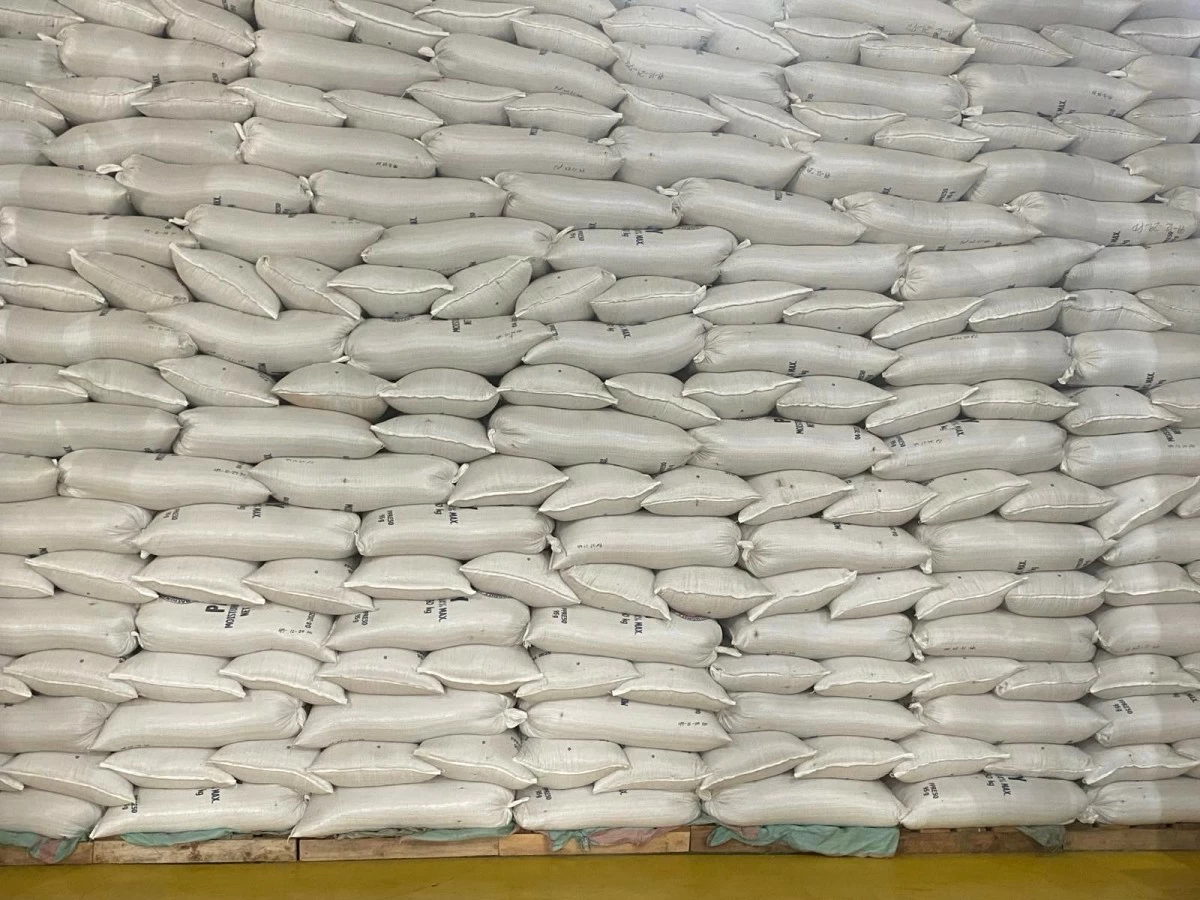
State-run National Food Authority (NFA) is raising its buying price for wet palay, or unmilled rice, to ₱21 per kilo in a bid to ease pressure on farmers’ margins during the wet harvest season, according to the Department of Agriculture (DA).
DA Secretary Francisco Tiu Laurel, who chairs the NFA Council, said the grains agency will raise the minimum buying price for wet palay to ₱21 per kilo from ₱17 per kilo starting in September.
Under NFA’s current price range scheme, the upper end of the buying price for wet palay is already set at ₱21 per kilo.
The higher buying price brings it closer to the minimum buying price for dry palay, which currently stands at ₱23 per kilo.
Tiu Laurel said the higher buying price will help ensure that farmers continue to earn a profit despite rising costs for fuel and other farm inputs, including fertilizers.
Higher production costs following the latest conflict in the Middle East earlier this year have further squeezed farmers’ already thin profit margins.
Last month, NFA Administrator Larry Lacson said the state grains agency intends to play a more active role during the coming harvest season to prevent farmgate prices from declining further.
Philippine Statistics Authority (PSA) data showed that the average nationwide farmgate price fell to ₱21.78 per kilo in June from ₱21.94 per kilo in May.
However, the latest price was more than a quarter higher than the average farmgate price of ₱16.99 per kilo a year ago.
Despite higher input costs, the country’s rice production is estimated to have increased by 5.7 percent to 4.63 million metric tons (MT) in the second quarter from 4.38 million MT in the same period last year, according to the PSA.
PSA data showed that the estimated harvest area from April to June may have expanded by six percent to 1.03 million hectares (ha) from 972,820 ha a year ago.
As of June 1, the bulk, or 89 percent, of the standing crop had been harvested, covering 916,860 ha, equivalent to 4.15 million MT of palay output.
As another measure to protect farmers, Tiu Laurel said he will impose a ban on the entry of imported rice through any port in Iloilo province beginning in mid-September until the end of November.
“That is what I can do to ensure that you would earn a decent return from your hard work,” he told farmers in the province.
It remains to be seen whether a similar policy will be implemented in other provinces or even nationwide.
At present, the DA is still awaiting the findings of the Tariff Commission (TC) on whether there is a need to impose a safeguard measure, such as quantitative restrictions (QR), to prevent further injury to the local rice sector.