ADVERTISEMENT

Electricity consumers should not pay costs of inefficiency

Published Jul 16, 2026 12:01 am  |  Updated Jul 15, 2026 05:04 pm
Access to affordable, reliable electricity is indispensable to economic growth, business competitiveness, and the daily lives of Filipino households. Yet for many consumers, the monthly electricity bill has become an increasing source of financial strain. The recurring experience of "bill shock," coupled with persistent questions over unexplained charges, disputed meter readings, and system loss charges, underscores the urgent need for a thorough review of how electricity costs are determined and passed on to consumers. Senator Panfilo Lacson’s call for a Senate inquiry into these issues therefore deserves broad public support.
The Philippines continues to have among the highest residential electricity rates in Southeast Asia. Data from the International Energy Agency and other regional energy market assessments consistently show that Filipino consumers pay substantially more for electricity than many of their counterparts in neighboring countries.
But the proposed Senate inquiry should move beyond the immediate issue of rising electricity prices. It should undertake a comprehensive examination of every component of the electricity bill, including generation, transmission, distribution, system loss, universal charges, taxes, and other regulatory fees. Such an inquiry is not intended to undermine the financial viability of power providers. Rather, it seeks to ensure that the allocation of costs among consumers, distribution utilities, generation companies, transmission operators, and other participants in the power sector remains equitable, transparent, and consistent with the public interest.
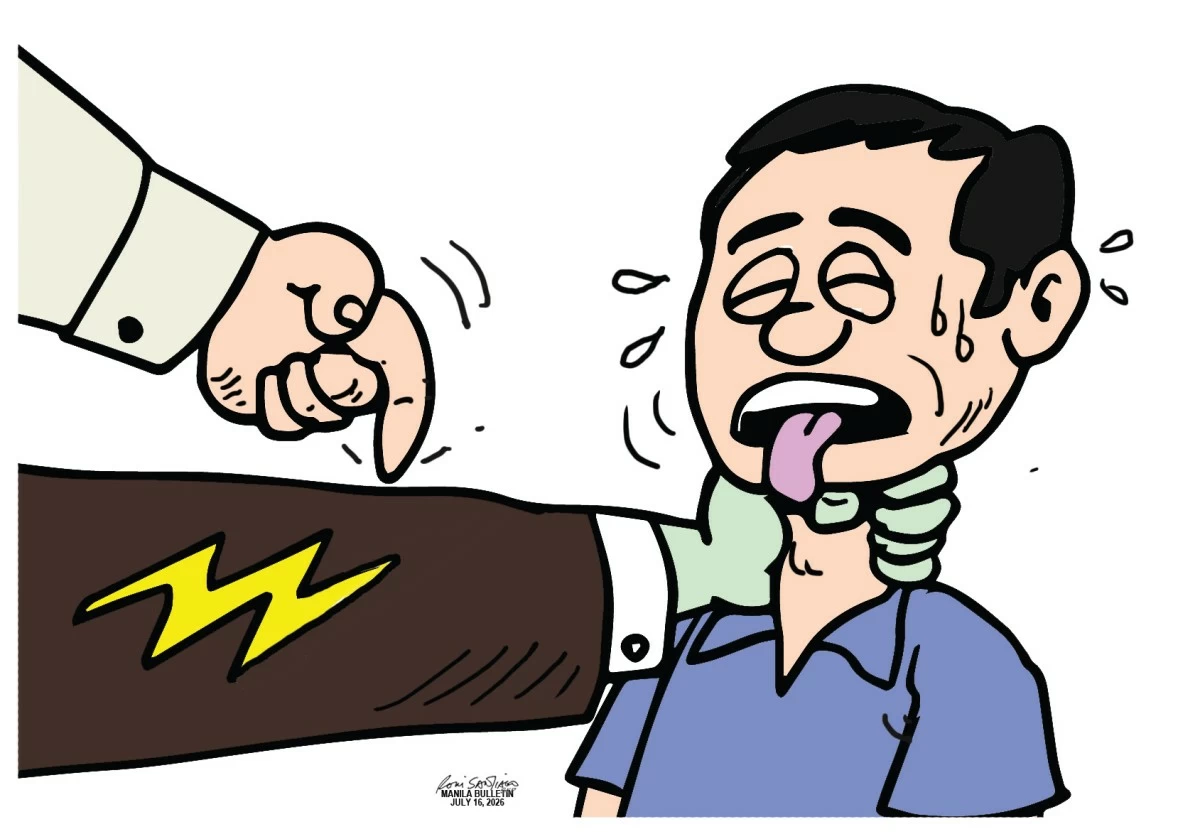
Among the issues warranting closer scrutiny are system loss charges. Technical losses arising from the transmission and distribution of electricity are an inherent characteristic of any power network. Non-technical losses, however, often result from electricity pilferage, illegal connections, meter tampering, and other unauthorized activities. While existing policies allow portions of these losses to be recovered from consumers, it is reasonable to ask whether law-abiding customers should continue to bear the costs arising from inefficiencies or unlawful acts committed by others.
This concern goes beyond monthly billing disputes. It raises a broader policy question about whether the current regulatory framework provides sufficient incentives for distribution utilities to invest in modern infrastructure, strengthen anti-pilferage measures, improve operational efficiency, and minimize avoidable losses. When recoverable losses become an accepted component of the billing structure, the incentive to eliminate them may be weakened. For why would distribution utilities invest to raise efficiency levels and boost measures to prevent pilferage when they can recover losses without doing anything.
For this reason, the Senate inquiry should also serve as an opportunity for Congress to revisit the Electric Power Industry Reform Act of 2001 (EPIRA). More than two decades after its enactment, the law merits a comprehensive assessment to determine whether its objectives of promoting competition, efficiency, and consumer welfare are being fully realized under present market conditions. Sound public policy requires periodic review, particularly when economic realities and technological developments have significantly evolved.
A modernized policy framework should strengthen consumer protection while preserving a stable investment environment for the power sector. It should encourage greater transparency in electricity pricing, require clearer disclosure of bill components, establish stronger performance standards for utilities, and ensure that operational inefficiencies are progressively reduced rather than routinely transferred to consumers.
In advancing meaningful reform, consumers are equally important stakeholders. Responsible electricity use, prompt reporting of illegal connections and meter tampering, active participation in public consultations, and sustained support for policies that promote accountability all contribute to a more efficient and equitable power sector.
Consumers should pay for the electricity they use, not for inefficiency that can and should be prevented. If the Senate inquiry leads to a fairer and more transparent power pricing system, it will have served not only consumers but the nation’s long-term economic interests as well.

Related Tags

EPIRA ELECTRIC POWER CONSUMERS
ADVERTISEMENT
.most-popular .layout-ratio{ padding-bottom: 79.13%; } @media (min-width: 768px) and (max-width: 1024px) { .widget-title { font-size: 15px !important; } }

{{ articles_filter_1561_widget.title }}

.most-popular .layout-ratio{ padding-bottom: 79.13%; } @media (min-width: 768px) and (max-width: 1024px) { .widget-title { font-size: 15px !important; } }

{{ static_articles_1562_widget.title }}

.most-popular .layout-ratio{ padding-bottom: 79.13%; } @media (min-width: 768px) and (max-width: 1024px) { .widget-title { font-size: 15px !important; } }

{{ articles_filter_1563_widget.title }}

{{ articles_filter_1564_widget.title }}

.mb-article-details { position: relative; } .mb-article-details .article-body-preview, .mb-article-details .article-body-summary{ font-size: 17px; line-height: 30px; font-family: "Libre Caslon Text", serif; color: #000; } .mb-article-details .article-body-preview iframe , .mb-article-details .article-body-summary iframe{ width: 100%; margin: auto; } .read-more-background { background: linear-gradient(180deg, color(display-p3 1.000 1.000 1.000 / 0) 13.75%, color(display-p3 1.000 1.000 1.000 / 0.8) 30.79%, color(display-p3 1.000 1.000 1.000) 72.5%); position: absolute; height: 200px; width: 100%; bottom: 0; display: flex; justify-content: center; align-items: center; padding: 0; } .read-more-background a{ color: #000; } .read-more-btn { padding: 17px 45px; font-family: Inter; font-weight: 700; font-size: 18px; line-height: 16px; text-align: center; vertical-align: middle; border: 1px solid black; background-color: white; } .hidden { display: none; }
function initializeAllSwipers() { // Get all hidden inputs with cms_article_id document.querySelectorAll('[id^="cms_article_id_"]').forEach(function (input) { const cmsArticleId = input.value; const articleSelector = '#article-' + cmsArticleId + ' .body_images'; const swiperElement = document.querySelector(articleSelector); if (swiperElement && !swiperElement.classList.contains('swiper-initialized')) { new Swiper(articleSelector, { loop: true, pagination: false, navigation: { nextEl: '#article-' + cmsArticleId + ' .swiper-button-next', prevEl: '#article-' + cmsArticleId + ' .swiper-button-prev', }, }); } }); } setTimeout(initializeAllSwipers, 3000); const intersectionObserver = new IntersectionObserver( (entries) => { entries.forEach((entry) => { if (entry.isIntersecting) { const newUrl = entry.target.getAttribute("data-url"); if (newUrl) { history.pushState(null, null, newUrl); let article = entry.target; // Extract metadata const author = article.querySelector('.author-section').textContent.replace('By', '').trim(); const section = article.querySelector('.section-info ').textContent.replace(' ', ' '); const title = article.querySelector('.article-title h1').textContent; // Parse URL for Chartbeat path format const parsedUrl = new URL(newUrl, window.location.origin); const cleanUrl = parsedUrl.host + parsedUrl.pathname; // Update Chartbeat configuration if (typeof window._sf_async_config !== 'undefined') { window._sf_async_config.path = cleanUrl; window._sf_async_config.sections = section; window._sf_async_config.authors = author; } // Track virtual page view with Chartbeat if (typeof pSUPERFLY !== 'undefined' && typeof pSUPERFLY.virtualPage === 'function') { try { pSUPERFLY.virtualPage({ path: cleanUrl, title: title, sections: section, authors: author }); } catch (error) { console.error('ping error', error); } } // Optional: Update document title if (title && title !== document.title) { document.title = title; } } } }); }, { threshold: 0.1 } ); function showArticleBody(button) { const article = button.closest("article"); const summary = article.querySelector(".article-body-summary"); const body = article.querySelector(".article-body-preview"); const readMoreSection = article.querySelector(".read-more-background"); // Hide summary and read-more section summary.style.display = "none"; readMoreSection.style.display = "none"; // Show the full article body body.classList.remove("hidden"); } document.addEventListener("DOMContentLoaded", () => { let loadCount = 0; // Track how many times articles are loaded const offset = [1, 2, 3, 4, 5, 6, 7, 8, 9, 10]; // Offset values const currentUrl = window.location.pathname.substring(1); let isLoading = false; // Prevent multiple calls if (!currentUrl) { console.log("Current URL is invalid."); return; } const sentinel = document.getElementById("load-more-sentinel"); if (!sentinel) { console.log("Sentinel element not found."); return; } function isSentinelVisible() { const rect = sentinel.getBoundingClientRect(); return ( rect.top < window.innerHeight && rect.bottom >= 0 ); } function onScroll() { if (isLoading) return; if (isSentinelVisible()) { if (loadCount >= offset.length) { console.log("Maximum load attempts reached."); window.removeEventListener("scroll", onScroll); return; } isLoading = true; const currentOffset = offset[loadCount]; window.loadMoreItems().then(() => { let article = document.querySelector('#widget_1690 > div:nth-last-of-type(2) article'); intersectionObserver.observe(article) loadCount++; }).catch(error => { console.error("Error loading more items:", error); }).finally(() => { isLoading = false; }); } } window.addEventListener("scroll", onScroll); });

Sign up by email to receive news.