






Manila Bulletin
 Philippines
National
'Daming requirements': Erwin Tulfo seeks to shield ambulant vendors from red tape
Philippines
National
'Daming requirements': Erwin Tulfo seeks to shield ambulant vendors from red tape
Philippines
National
'Daming requirements': Erwin Tulfo seeks to shield ambulant vendors from red tape
'Daming requirements': Erwin Tulfo seeks to shield ambulant vendors from red tape
By Dhel Nazario
Published Jul 16, 2026 02:35 pm


At A Glance
- Senator Erwin Tulfo criticized the confiscation of street vendors' carts and merchandise, saying it drives small entrepreneurs deeper into debt and discourages them from earning a living.
- MMDA Legal Counsel Victor Nunez said the agency's policy is to prioritize dialogue with vendors and impound only pushcarts obstructing public roads, not the merchandise itself.
- During discussions on the proposed Magna Carta for Ambulant Vendors, Tulfo called for simpler business permit requirements, raised concerns over alleged bribery in sidewalk vending, and pledged to support increased livelihood funding for the sector in the 2027 national budget.
Senator Erwin Tulfo on Thursday denounced the seizure of street vendors' carts and merchandise, saying the practice further burdens small livelihood earners who already struggle with limited capital and bureaucratic hurdles.
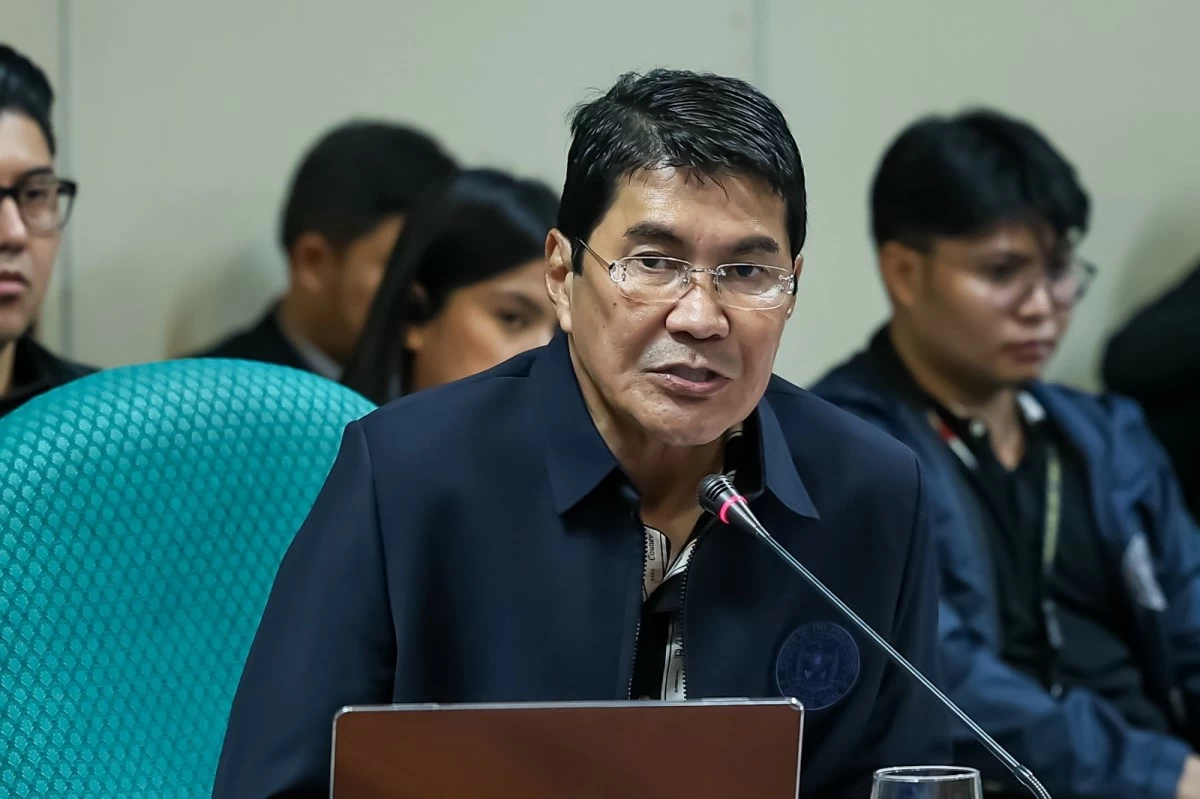
Senator Erwin Tulfo calls for stronger government protection for street vendors as the Senate Committee on Social Justice, Welfare, and Rural Development opened deliberations on measures seeking to establish a Magna Carta for Street Vendors. (Senate PRIB photo)
At the Senate Committee on Social Justice, Welfare, and Rural Development hearing, which he chairs, Tulfo underscored the challenges faced by ambulant vendors, pointing to insufficient government support, cumbersome permit requirements, and what he described as arbitrary enforcement against the informal sector.
“The problem is, our poor countrymen want to build a small business, but they are confronted by so many requirements and arbitrary confiscation. They borrow money just to secure a small capital for fish or vegetables. If their goods are seized, how are they going to recover that capital? They end up sinking deeper into debt,” Tulfo said, partly in Filipino.
“Many of them get discouraged by this constant harassment and tedious red tape,” he added.
In response, Metropolitan Manila Development Authority (MMDA) Legal Counsel Atty. Victor Nunez said the agency's policy is to avoid confiscating vendors' products, emphasizing that enforcement personnel are instructed to prioritize dialogue before taking action.
“Our Chairman’s order is that, as much as possible, we do not confiscate. First, we talk to them. On the second strike, we still dialog with them and ask them to move. While we impound pushcarts to clear public roads, we do not take their actual merchandise,” Nunez explained.
Tulfo also raised concerns over alleged corruption in the regulation of sidewalk vendors, claiming that some are allowed to continue operating only after making unofficial payments.
"What is happening on the ground right now is that vendors are arrested if they don't give bribes to hawkers, City Hall, or the local police station. But if they pay up, they are left alone to occupy the sidewalks. This system must be fair and equal," Tulfo pressed.
To reduce opportunities for extortion and make it easier for vendors to operate legally, Tulfo urged the Department of the Interior and Local Government (DILG) and local government units to simplify business registration by removing unnecessary and overlapping permit requirements, including repeated barangay clearances.
“We ask for too many requirements just to get a permit. They need clearances from the barangay, the city, and multiple other offices. By the time they comply, their small capital is already entirely depleted by fees. We must implement the ease of doing business for our smallest vendors,” Tulfo further argued.
The committee likewise examined the existing social protection programs available to informal workers. While members noted that PhilHealth provides automatic health insurance coverage and the Social Security System (SSS) requires self-employed workers to register, lawmakers said additional measures are needed to ensure more vendors are enrolled and able to access these benefits.
The hearing, which tackled the proposed Magna Carta for Ambulant Vendors, ended with expressions of support from the Department of Social Welfare and Development (DSWD) and the DILG. Tulfo also pledged to push for higher livelihood funding for the informal sector during deliberations on the proposed 2027 national budget.