







₱10 per liter diesel price hike looming next week
Published Jul 16, 2026 02:00 pm


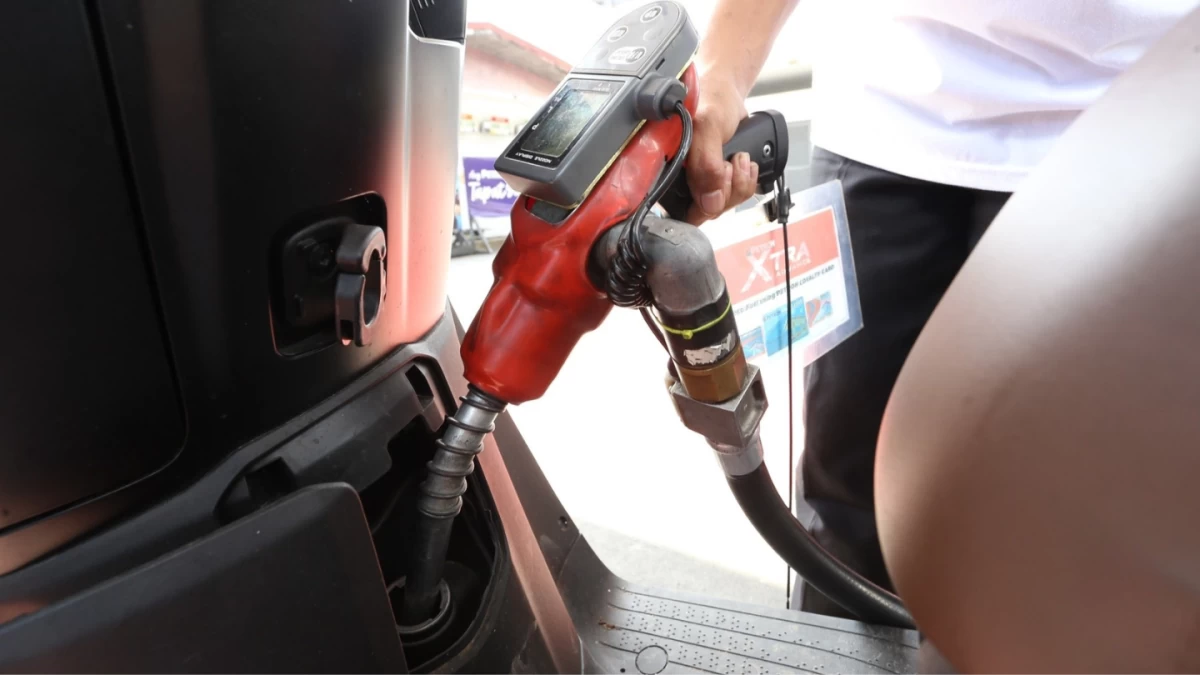
Sharp escalation of geopolitical friction in the Middle East is threatening to hit Filipino consumers at the pump next week, with early market indicators pointing to a return of double-digit fuel price hikes.
Based on the three-day trading Mean of Platts Singapore (MOPS) — the regional benchmark for petroleum pricing — domestic diesel retail rates could surge by ₱9 to ₱10 per liter. Meanwhile, gasoline is projected to climb by ₱3.50 to ₱4.50 per liter, according to industry calculations.
The Department of Energy (DOE) is scheduled to finalize the official retail price adjustments on Monday, July 20.
Speaking to reporters on Thursday, July 16, DOE Oil Industry Management Bureau Director Rino Abad warned that domestic markets are facing intense upward pressure.
He urged motorists to fill their tanks ahead of the scheduled weekly adjustment, noting that while the upcoming price spikes will be substantial, they are not expected to match the historic, chaotic peaks recorded last March.
Government regulators are also tightening their grip on how local oil firms pass these costs to the public. Under a national energy emergency framework, the DOE is moving forward with plans to implement a single, fixed pricing adjustment rather than a fluid range.
“[The single pricing adjustment] will be pursued,” Abad told reporters. “We will hold a meeting tomorrow to align our next steps.”
The DOE has already issued show-cause orders to several oil companies suspected of sluggishly applying price rollbacks or failing to comply with pricing guidelines.
Abad noted a widening operational gap between major oil conglomerates and smaller, independent retailers.
While the larger market players possess the capital cushions to easily absorb regulatory adjustments, smaller independent operators complain that high acquisition costs for their latest oil shipments prevent them from offering immediate relief to consumers.
The sudden domestic price spike was due to worsening security dynamics in the Middle East. Hopes for a diplomatic breakthrough between Washington and Tehran collapsed following recent United States (US) military strikes targeting vessels near the Strait of Hormuz.
Iran's foreign ministry has also indicated that peace talks with the US remain suspended, refueling market anxieties over protracted supply disruptions and sending global crude indices higher.