






Manila Bulletin
 Philippines
National
VP Sara trial: NBI witness explains what makes a statement a 'grave threat'
Philippines
National
VP Sara trial: NBI witness explains what makes a statement a 'grave threat'
Philippines
National
VP Sara trial: NBI witness explains what makes a statement a 'grave threat'
VP Sara trial: NBI witness explains what makes a statement a 'grave threat'
By Dhel Nazario
Published Jul 15, 2026 08:38 am


At A Glance
- Senator-judge Mark Villar asked National Bureauof Investigation (NBI) Regional Director Jeremy Lotoc how investigators determine whether a statement constitutes grave threats and whether certain factors are given greater weight before charges are filed.
- Lotoc said the NBI evaluates a combination of circumstances, including the delivery of the statement, its literal meaning, the nature of the alleged threat, and, in Vice President Sara Duterte's case, the allegation that she had already spoken to someone before making the purported kill threat.
- When asked whether those considerations are prescribed by law or left to investigators' discretion, Lotoc said the NBI's assessment is based on whether the facts satisfy the legal elements of the offense of grave threats.
Senator-judge Mark Villar on Tuesday, July 14, sought to clarify how the National Bureau of Investigation (NBI) determines whether a statement amounts to a grave threat.
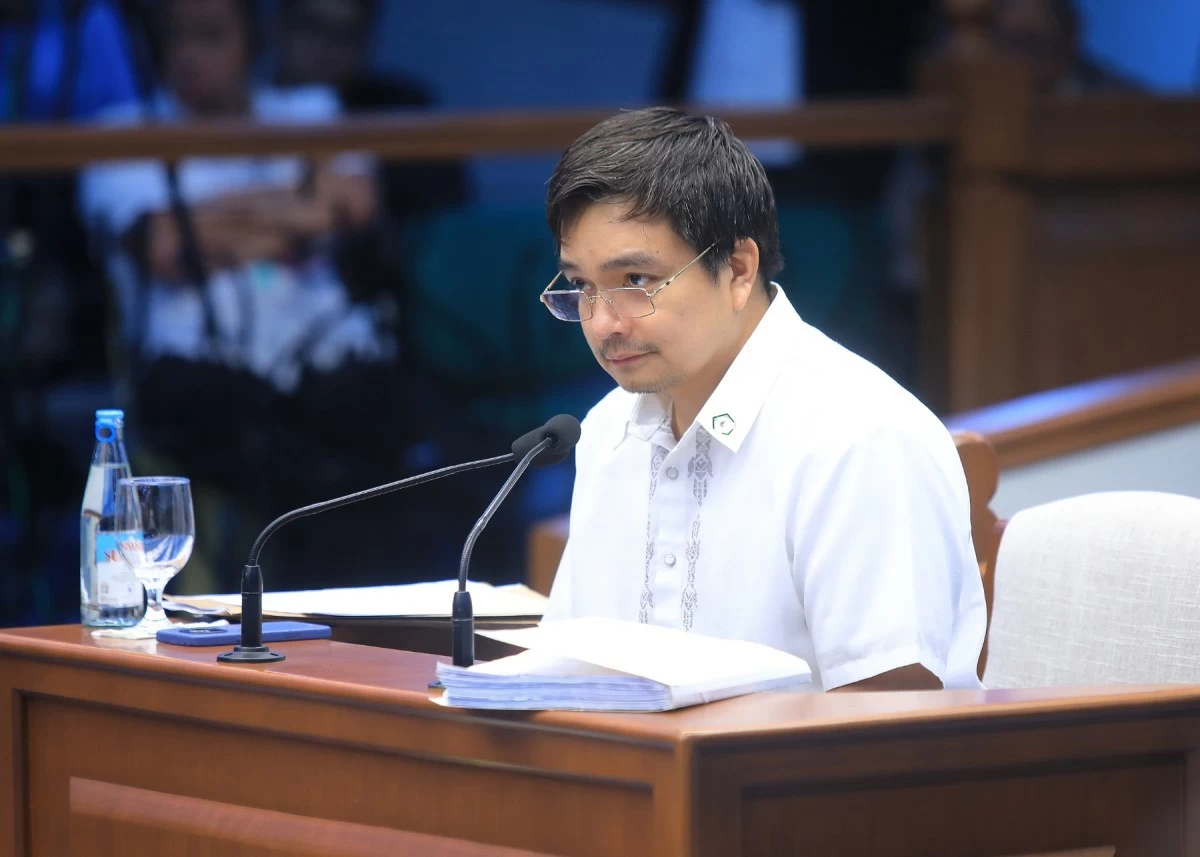
House prosecution witness NBI Regional Director Jeremy Lotoc (Senate PRIB photo)
During the impeachment trial of Vice President Sara Duterte, Villar asked NBI Regional Director for the Bangsamoro Autonomous Region in Muslim Mindanao (BARMM) Jeremy Lotoc whether investigators give greater weight to certain factors before deciding to file charges.
He also asked Lotoc whether investigators prioritize specific considerations, such as the nature of the threat or the identity of the person it was directed against.
Lotoc said the NBI evaluates a combination of circumstances in determining whether the elements of grave threats are present.
“We considered the delivery or manner in which the utterances were spoken,” Lotoc said.
In Duterte's case, Lotoc said investigators also took into account the literal meaning of the statements, the nature of the alleged threat, and the fact that the vice president had purportedly already spoken to someone before making the alleged kill threat against President Ferdinand Marcos Jr., the First Lady, and then-House Speaker Martin Romualdez during her November 2024 online press conference.
Villar then asked whether those considerations were specifically provided by law or were left to the discretion of investigators.
Lotoc replied that the NBI's assessment was anchored on whether the facts established the elements of the offense of grave threats.
Meanwhile, Senator-judge Francis "Kiko" Pangilinan asked the NBI to explain its standard procedure for investigating alleged threats, asking whether the bureau would have launched an inquiry had a witness come forward with information about the purported Operation Romanov targeting the Vice President.
Pangilinan asked Lotoc whether the bureau would have acted if a vlogger, identified as Princess Maui, had appeared before it and disclosed details of the alleged operation.
Maui had publicly claimed knowledge of Operation Romanov, an alleged plot against the Vice President and her family.
"On the issue of Princess Maui and the alleged investigation into the supposed threat against the Vice President, hypothetically, if Princess Maui were to come forward and explain the details of Operation Romanov, would the Cybercrime Division take action? What would you do with that kind of information?" Pangilinan asked.
Lotoc said the NBI would first validate the information.
Pangilinan noted that Maui never came forward to the NBI but asked about the bureau's standard operating procedure regarding reports of a threat.
Lotoc replied that investigators would first validate the information and, once it was confirmed, begin a case buildup.