






Manila Bulletin
 Spotlight Features
Visiting Sagada?: This beloved restaurant buys what farmers can't sell, turning it into specialty products
Spotlight Features
Visiting Sagada?: This beloved restaurant buys what farmers can't sell, turning it into specialty products
Spotlight Features
Visiting Sagada?: This beloved restaurant buys what farmers can't sell, turning it into specialty products
Visiting Sagada?: This beloved restaurant buys what farmers can't sell, turning it into specialty products
By AJ Gomez
Published Jul 15, 2026 05:16 pm



THE GULIAN FAMILY — Alyssa Mari Gulian and Jocke Rivvy Gulian with their five-year-old daughter.
By AJ GOMEZ
Along Besao Road in Sagada, Mountain Province stands Log Cabin Sagada, a charming restaurant and lodge that has long welcomed travelers with its rustic charm, Cordilleran-inspired flavors, and cozy mountain ambiance. Over the years, it has earned a reputation as one of the town’s must-visit dining destinations.
Established in 1991, Log Cabin Sagada was originally founded by husband-and-wife Dave and Janice Gulian as a small coffee shop serving coffee and freshly baked bread. At a time when Sagada was still a quiet mountain town receiving fewer visitors than it does today, the café became a familiar refuge for travelers seeking warmth and comfort after long journeys through the Cordilleras.
For more than two decades, the couple nurtured the business and built its reputation among locals and tourists alike. The business entered a new chapter in 2016 when the couple passed the restaurant on to their son, culinary graduate and professional chef Jocke Rivvy Gulian, who took charge of the kitchen, and his wife, Hotel and Restaurant Management graduate Alyssa Mari, who helped with cooking and took charge of product development.
“When we took over, we transformed the café into a full restaurant and started producing value-added products in 2017,” Alyssa shared.
Turning seasonal harvests into specialty products
Beyond serving guests, Log Cabin found a way to preserve the abundance of Sagada’s seasonal harvests by transforming them into shelf-stable products. The idea was simple: when crops were plentiful, they could be processed into products that could be enjoyed long after the harvest season ended.
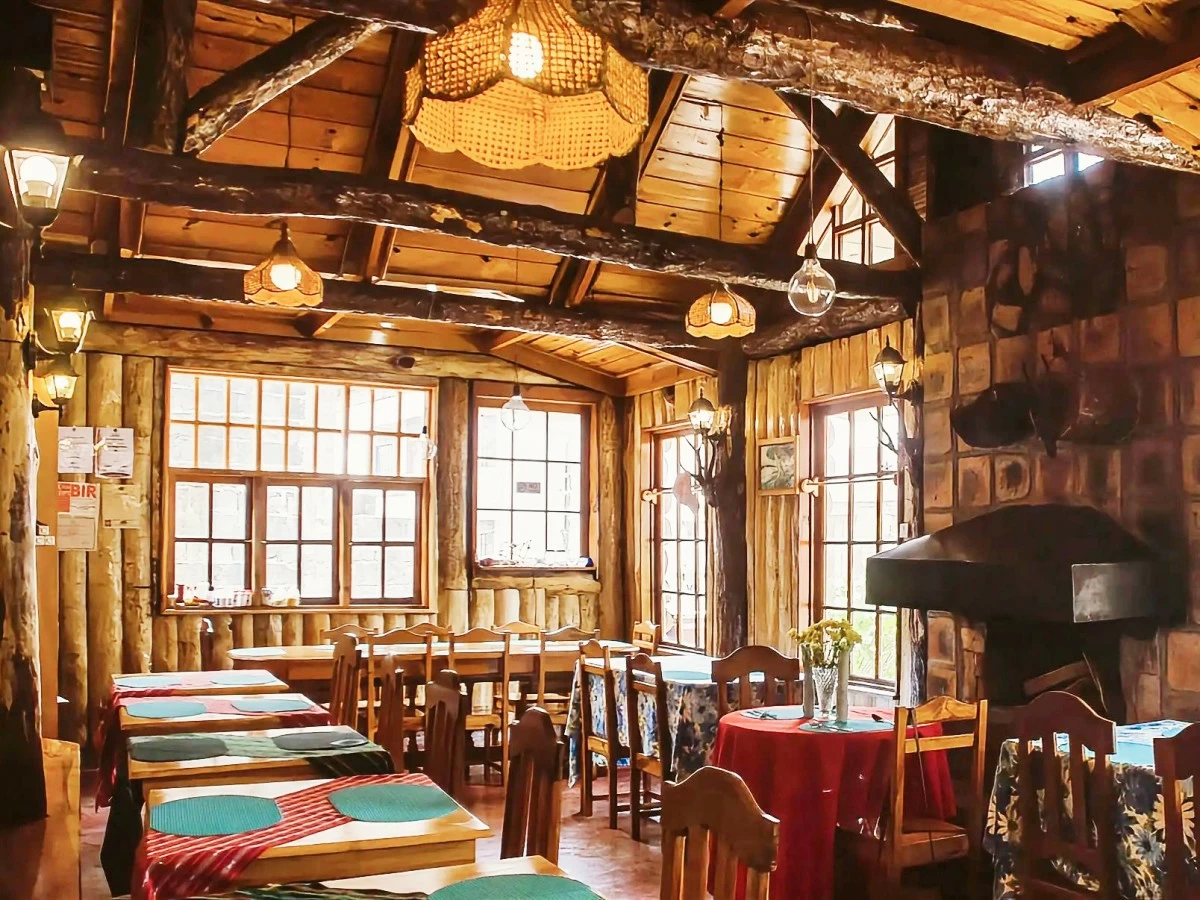
LOG CABIN SAGADA’s warm, rustic interiors.
The restaurant’s menu itself reflects this philosophy. Diners can enjoy dishes that blend Cordilleran traditions with continental-inspired cooking, from smoked and cured meats and wild mushroom specialties to homemade pastas, breakfast plates, and café favorites.
Behind these offerings is a deeper commitment to supporting local agriculture. “Since we live in Sagada, farm-to-table is really practiced here. We have strawberries, tomatoes, honey, cabbage, and many other crops. We turn them into different products,” Alyssa said.
Today, Log Cabin produces an extensive line of value-added products, including ketchup, hot sauces, pickled vegetables, tomato powder, dried tomatoes in olive oil, tomato sauce, and tomato-basil sauce.
Processing crops into products is not simply a business strategy but a practical solution to the challenges faced by farmers dealing with highly perishable produce.
Tomatoes, for example, can spoil quickly when there is an oversupply. Rather than allowing harvests to go to waste, Log Cabin transforms them into sauces and other products with a longer shelf life.
One of their most popular products is their tomato-basil sauce made using tomatoes sourced from nearby farms. Hundreds of kilos of tomatoes are purchased each year and processed into sauce for use in pasta, pizza, soups, stews, and other dishes.
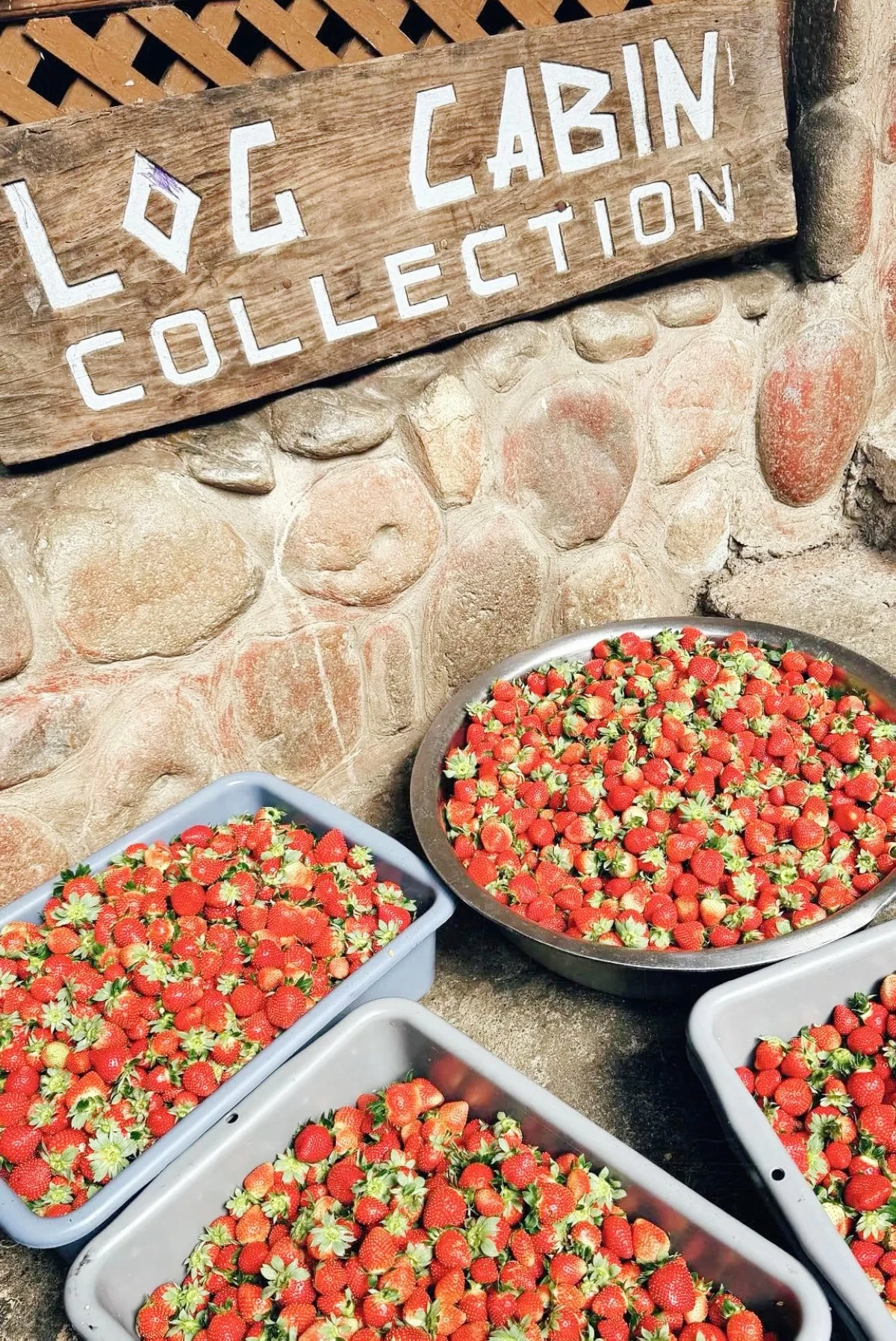
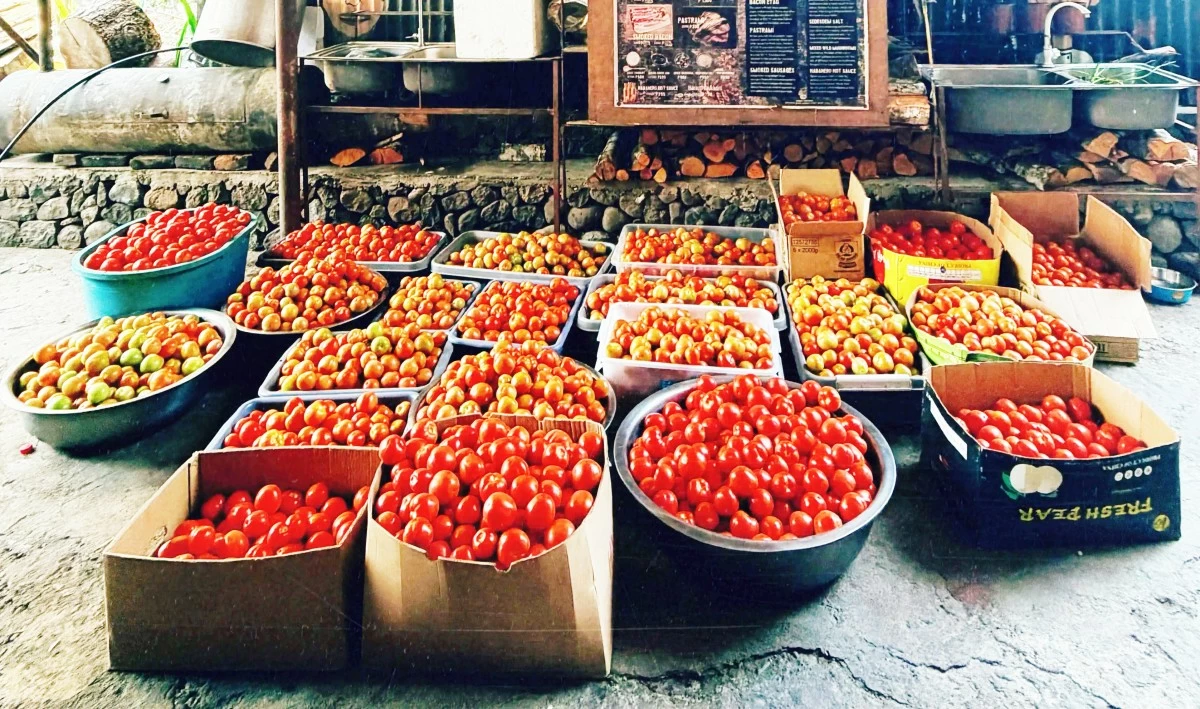
Other best-selling creations are fermented habanero hot sauces blended with strawberries and tomatoes. By fermenting red and yellow habaneros with locally grown fruits, they can preserve seasonal harvests and make them available year-round.
“For our strawberries, we don’t just make the usual jams. We even incorporate them into our hot sauces, which is one of our most unique products,” she said.
One of Log Cabin’s earliest products was fermented sauerkraut made from locally grown cabbage. The cabbage is salted and fermented for about three weeks, resulting in a tangy side dish that reflects the restaurant’s appreciation for traditional preservation techniques.
Introducing these products to a wider market, however, came with challenges. Unlike traditional Filipino pantry staples, many of Log Cabin’s offerings drew inspiration from Western preservation methods and Cordilleran ingredients, making them unfamiliar to many consumers.
“It was difficult to market our products because our fusion of Cordilleran and Western cuisine was still unfamiliar to many Filipinos,” Alyssa said. “But because tourists from Manila and Cebu get to taste our products here, word-of-mouth has helped us grow.”
Beyond marketing, financing the venture was another challenge, especially with the high cost of packaging and production. Despite the hurdles, Alyssa and her team continue to develop products that showcase Sagada’s harvests.
Preserving the mountains’ wild mushrooms
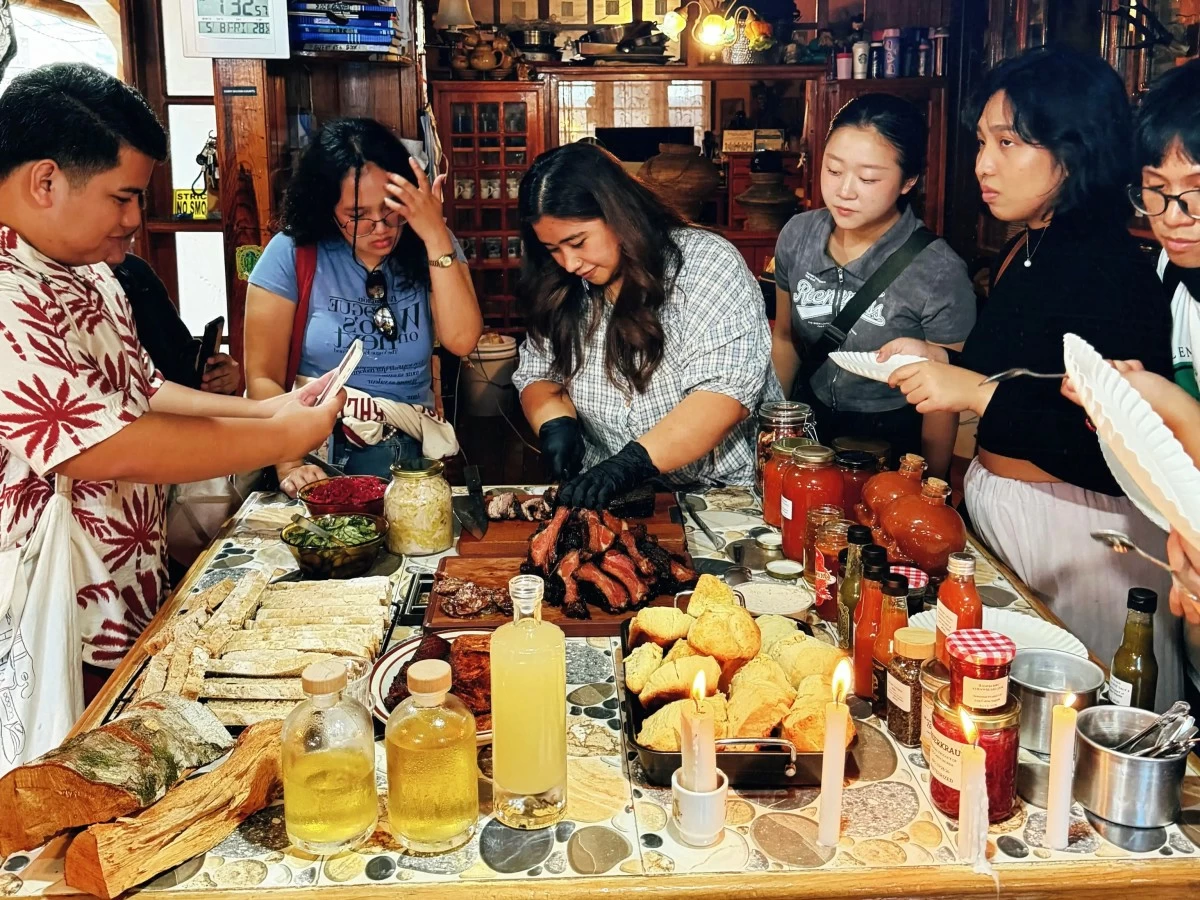
CORDILLERAN FOOD CULTURE — Alyssa Mari Gulian conducts a cooking demonstration for Gastronomy students from the Center for International Studies at UP Diliman.
Another ingredient synonymous with Log Cabin is wild mushrooms gathered from Sagada’s forests. “Collecting mushrooms from the mountains is a tradition here. Almost every household goes out during mushroom season,” Alyssa said.
Because residents know mushrooms play an important role in the restaurant’s menu, many gatherers bring their harvest directly to Log Cabin.
Recognizing the opportunity to extend the shelf life of these seasonal ingredients, Alyssa developed mushroom-based products like dried mushrooms and mushroom paste. Today, the restaurant processes more than 500 kilos of mushrooms into value-added products, allowing visitors to take a piece of Sagada’s mountain harvest home.
Growing together with local farmers
The success of Log Cabin’s value-added products is deeply rooted in its relationships with local farmers. Although the family previously maintained its own farm, they currently source most of their ingredients from neighboring communities.
Since launching their product line in 2017, they have worked closely with a core group of farmers who supply strawberries, cabbage, chilies, and tomatoes. “We have close relationships with four main farmers. If their harvest isn’t enough, they encourage other farmers to bring produce to us as well,” Alyssa explained.
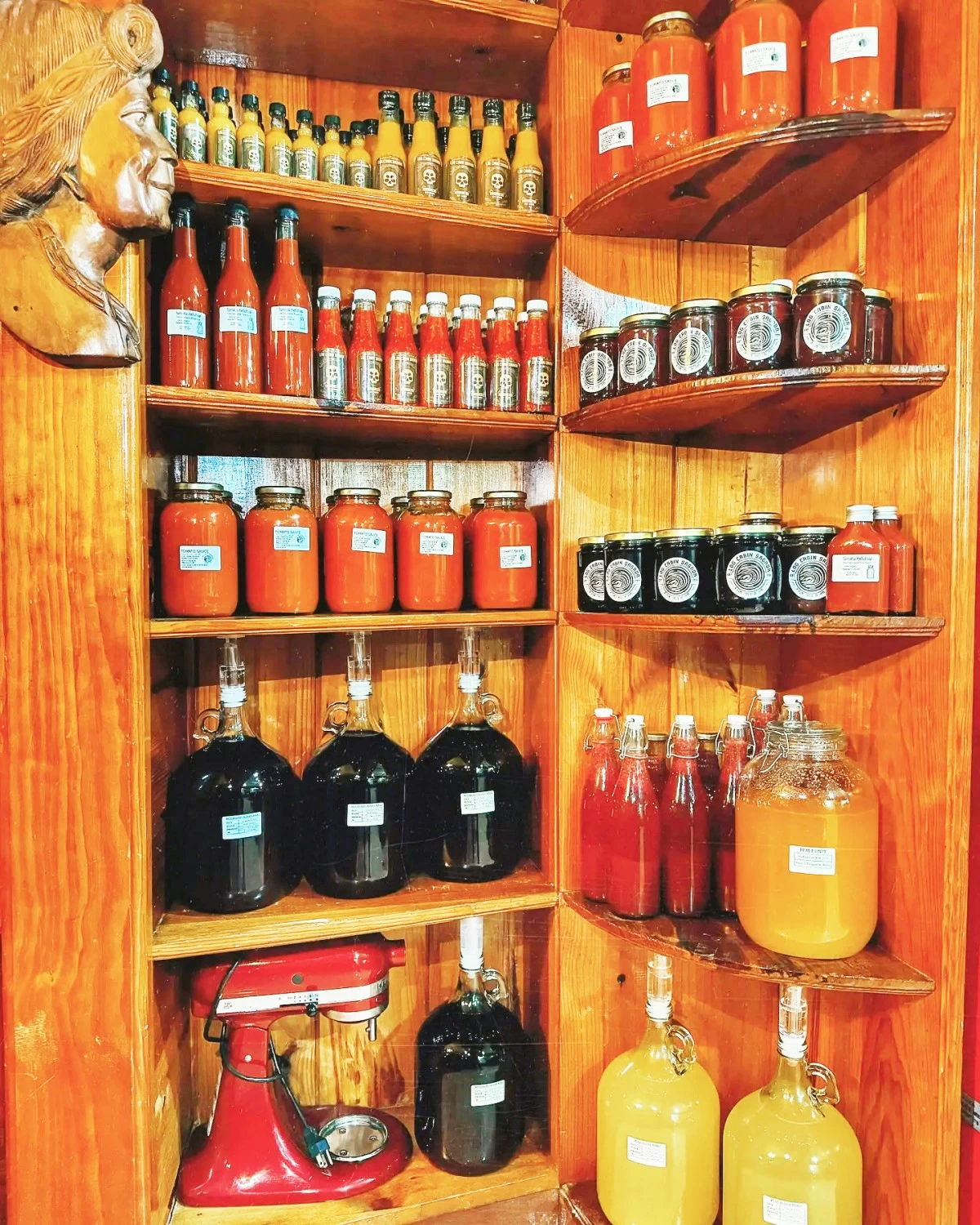
VALUE-ADDED — Homemade products lined up on shelves at Log Cabin Sagada.
Rather than setting strict quotas, Alyssa purchases whatever farmers can supply, including produce that may no longer be marketable elsewhere. “I tell them to bring whatever they can, especially produce that may be difficult to sell. We buy everything we can use,” she said.
During peak tomato season alone, Log Cabin can source as much as 500 kilos of tomatoes from partner farmers, with 300 kilos being their minimum volume in a season.
The relationship goes beyond simple business transactions. “Sometimes when I forget to place an order, they still bring produce for me and give some of it for free. That’s how much they support us, especially after years of buying large volumes from them,” Alyssa shared.
Looking beyond Sagada
At present, Log Cabin’s products are primarily sold through its restaurant, although customers from other parts of the country can place orders. “We have a small cold-storage facility in Manila. We bring some products there and schedule deliveries for our customers,” Alyssa said.
The venture represents more than just a business. It is also about building a stronger local food system where farmers and entrepreneurs support one another. “We’re not just helping farmers—they’re helping us too,” she said. “We buy their produce, transform it into products, and earn from it together. It’s really a win-win situation.”
“Our income is enough to sustain the venture and support the people working with us,” she added.
Looking ahead, one of their biggest dreams is to introduce the flavors of Sagada to a wider audience, particularly in Manila. “As a tourist town, Sagada relies heavily on tourism. But tourism has slowed down, so we’re looking for ways to bring our products to customers outside the province,” Alyssa said.
And with its deep roots in local agriculture, Log Cabin Sagada hopes that one day the distinct flavors of the mountains will find a permanent place on dining tables far beyond the Cordilleras. (Photos courtesy of Alyssa Mari Gulian)