






 Philippines
National
Saudi Vision 2030 opens new opportunities for Philippine businesses, says executive
Philippines
National
Saudi Vision 2030 opens new opportunities for Philippine businesses, says executive
Saudi Vision 2030 opens new opportunities for Philippine businesses, says executive


At A Glance
- A business executive said Saudi Vision 2030 creates opportunities for Philippine firms beyond overseas employment.
- Potential growth areas include food security, renewable energy, education, digital services, logistics, and agribusiness.
- Goitia urged stronger private sector collaboration to complement long-standing labor ties between the Philippines and Saudi Arabia.
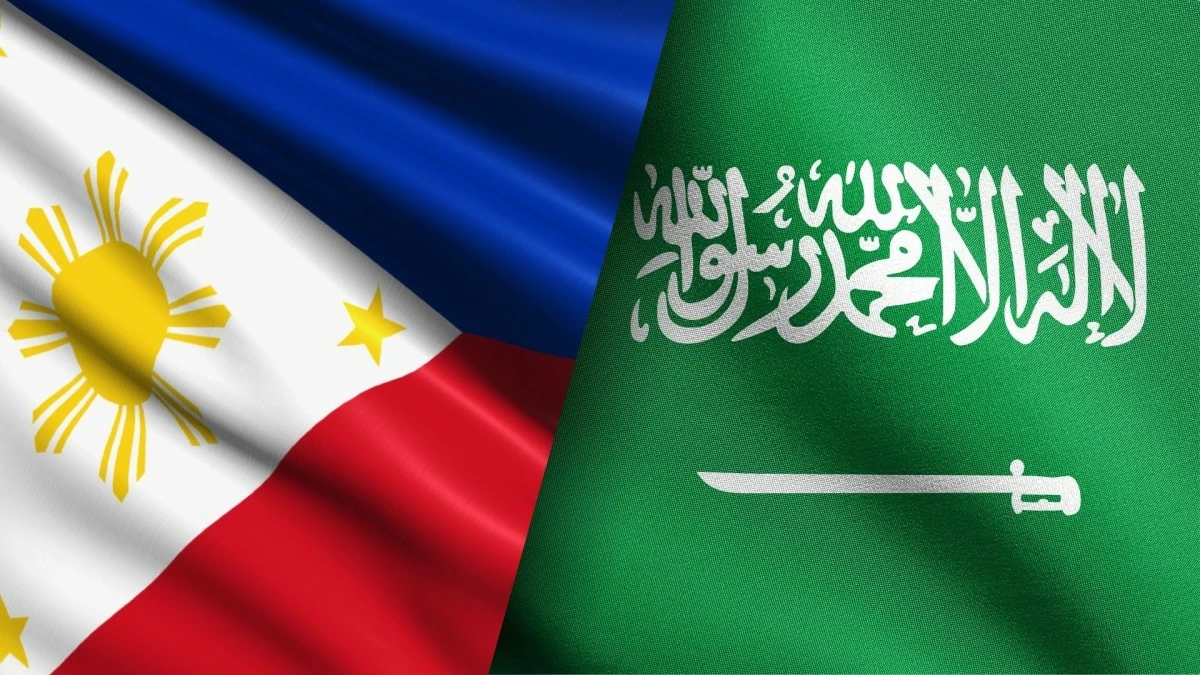
Saudi Arabia's Vision 2030 presents new opportunities for Philippine businesses to expand beyond overseas employment as the Kingdom transforms into a global hub for investment, innovation, tourism, renewable energy, logistics, healthcare, and digital services, a Filipino business executive said.
Dr. Jose Antonio Ejercito Goitia, chairman and president of JACCG Holdings Inc., said the longstanding relationship between the Philippines and Saudi Arabia should evolve from one centered on labor deployment into broader cooperation in investment, services, food security, renewable energy, and human capital development.
"There's a version of this partnership where the Philippines only ever sends workers," Goitia told Saudi Arabian newspaper Okaz.
"I think we can do more than that through our businesses, our institutions, our entrepreneurs, alongside the people who are already there," he added.
Launched in 2016 by Saudi Crown Prince and Prime Minister Mohammed bin Salman, Vision 2030 is the Kingdom's long-term national transformation program aimed at diversifying its economy beyond oil, increasing private sector participation, attracting foreign investments, generating new industries and jobs, and positioning Saudi Arabia as a leading global investment and logistics hub.
The initiative has driven major investments in renewable energy, smart cities, tourism, entertainment, digital technology, healthcare, transportation, manufacturing, and infrastructure, while opening more opportunities for international partnerships and foreign businesses.
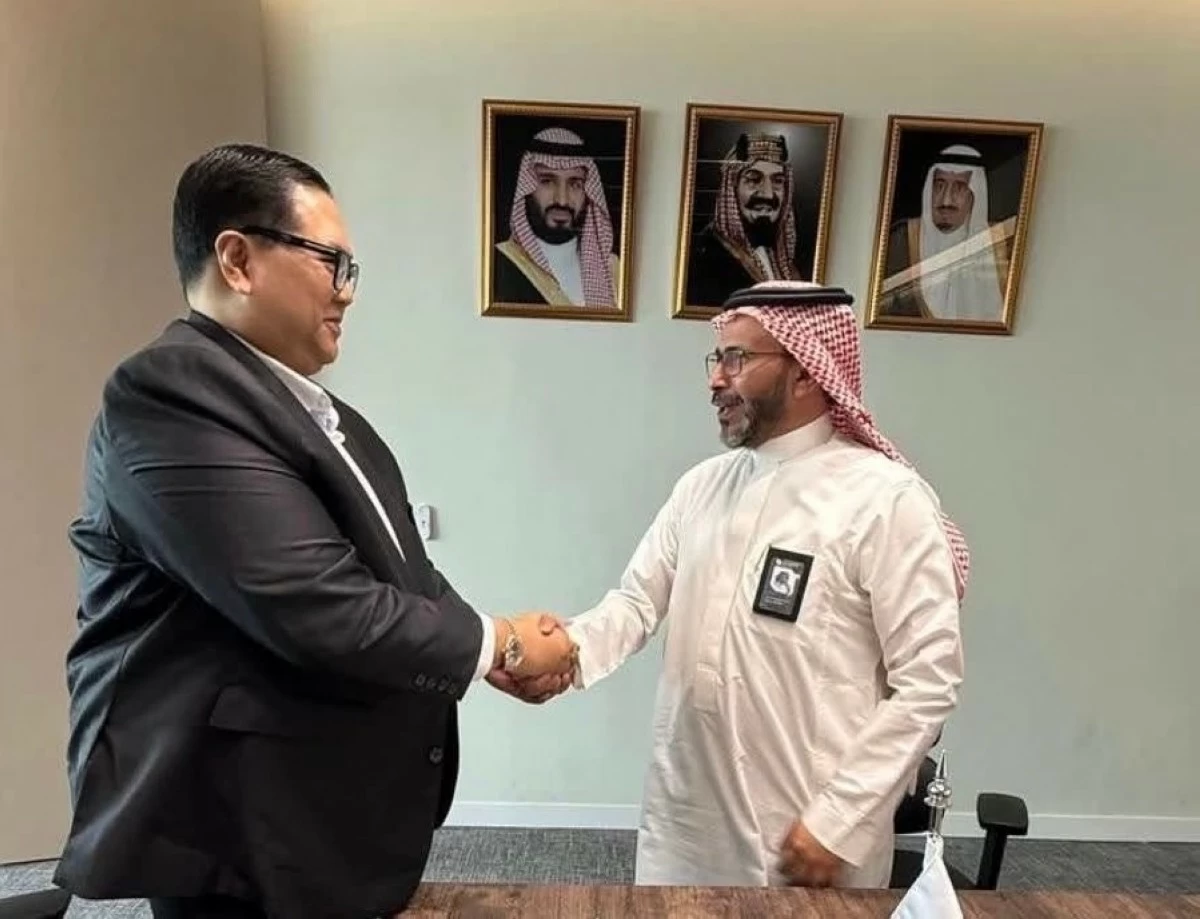
Goitia said the Philippines is well-positioned to benefit from these reforms, citing opportunities for Filipino entrepreneurs, educational institutions, service providers, agribusinesses, and small and medium-sized enterprises to participate in the Kingdom's expanding economy.
He identified food security, renewable energy, advanced technologies, education, and professional services as among the sectors with the greatest potential for long-term collaboration between the two countries.
According to Goitia, stronger engagement between the Philippine and Saudi private sectors should complement existing diplomatic relations to translate decades of goodwill into sustainable business partnerships.
He noted that the relationship between the two countries has long been strengthened by the contributions of hundreds of thousands of Filipinos working in Saudi Arabia across healthcare, engineering, education, construction, hospitality, and other industries.
"Employment built the trust between our two countries, but trust was always the real foundation of this relationship," Goitia said.
He said both countries should now focus on preserving their people-to-people ties while expanding economic and investment cooperation aligned with the goals of Vision 2030.
"We already have the trust. What we need now is to turn that trust into actual projects, things both countries can point to," he said.