







In this space, fashion speaks of culture
At Karrivin Studios, WHYNoT gathered designers and creatives to explore how fashion intertwines with art and other visual disciplines
By John Legaspi
Published Jul 15, 2026 07:31 am


It is hard not to see fashion as a creative expression these days. While the debate over whether it is art continues among people both within and outside the fashion industry, there is little disagreement that clothing has become a powerful medium for storytelling, identity, and culture.
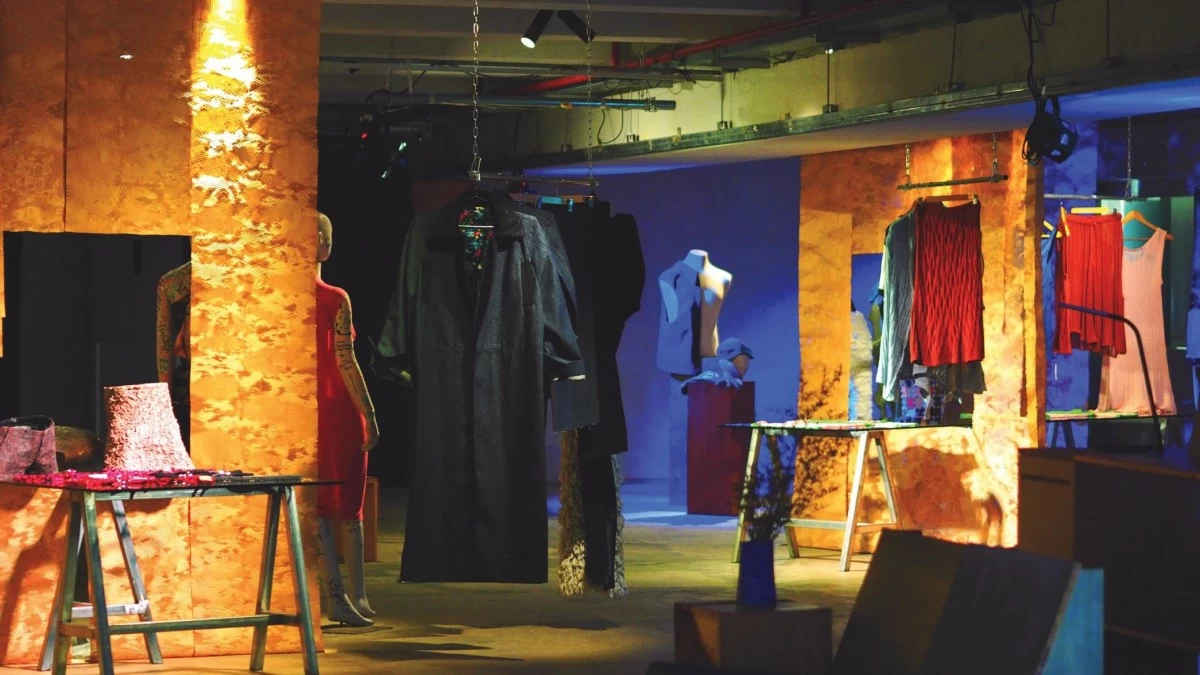
“Skin: A Sensory Perception” (Photos: WHYNoT)
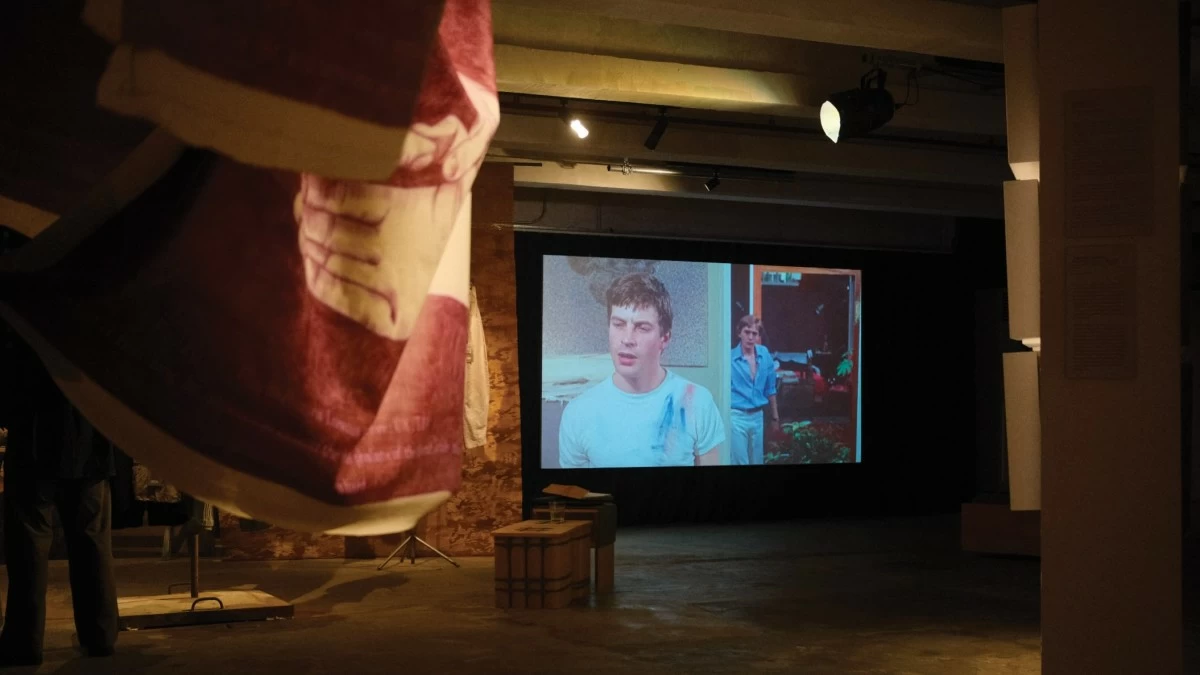
That’s what WHYNoT, an arts and culture hub based at Karrivin Studios in Makati City, presented through its event “Skin: A Sensory Perception,” which ran from June 27 to July 6. A fashion market and transdisciplinary gathering, it put the spotlight on fashion, visual art, installations, material experiments, literature, film, moving image, sound, music, and photography—not as separate disciplines, but as intersecting languages of surface and sensation inhabiting a shared space.
To showcase this, the hub tapped homegrown designers and brands Construction Layers, Rod Malanao, Leby Le Morìa, Ziv Rei Alexi, Jos Mundo, Serena San Jose of Kasakdalan, Seine Ventura of Seine Studio, and Angela Reyes of Choola. Their latest explorations of Filipino style were presented alongside the works of artists Isabel and Alfredo Aquilizan, Amihan Aquilizan, Marina Cruz, Patricia Perez Eustaquio, Therese Regalado, and Juan Alcazaren, as well as writer Conchitina Cruz. The result was a series of creative dialogues that gave fashion another layer beyond simply covering the body.
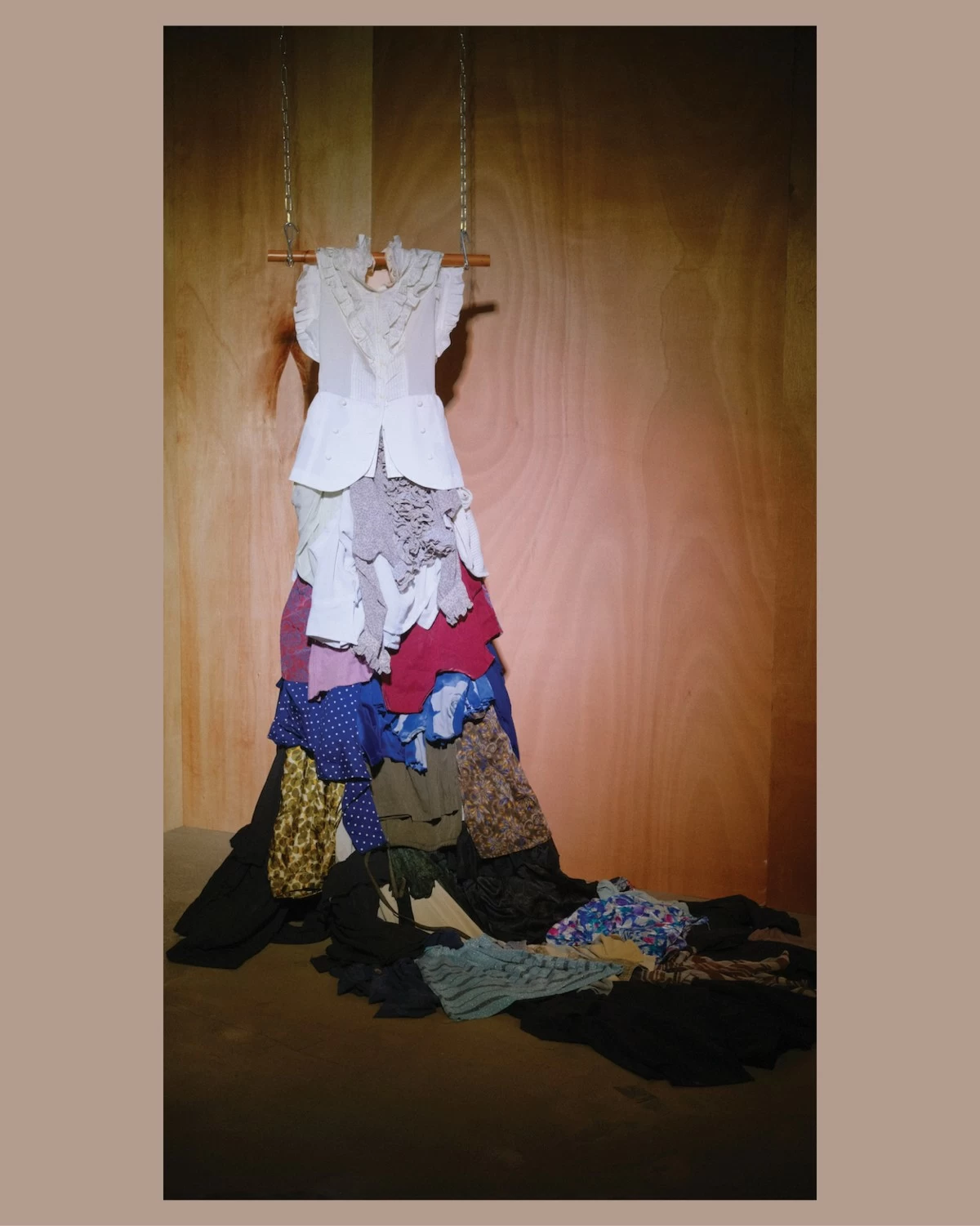
Patricia Perez Eustaquio's “All Dressed Up”
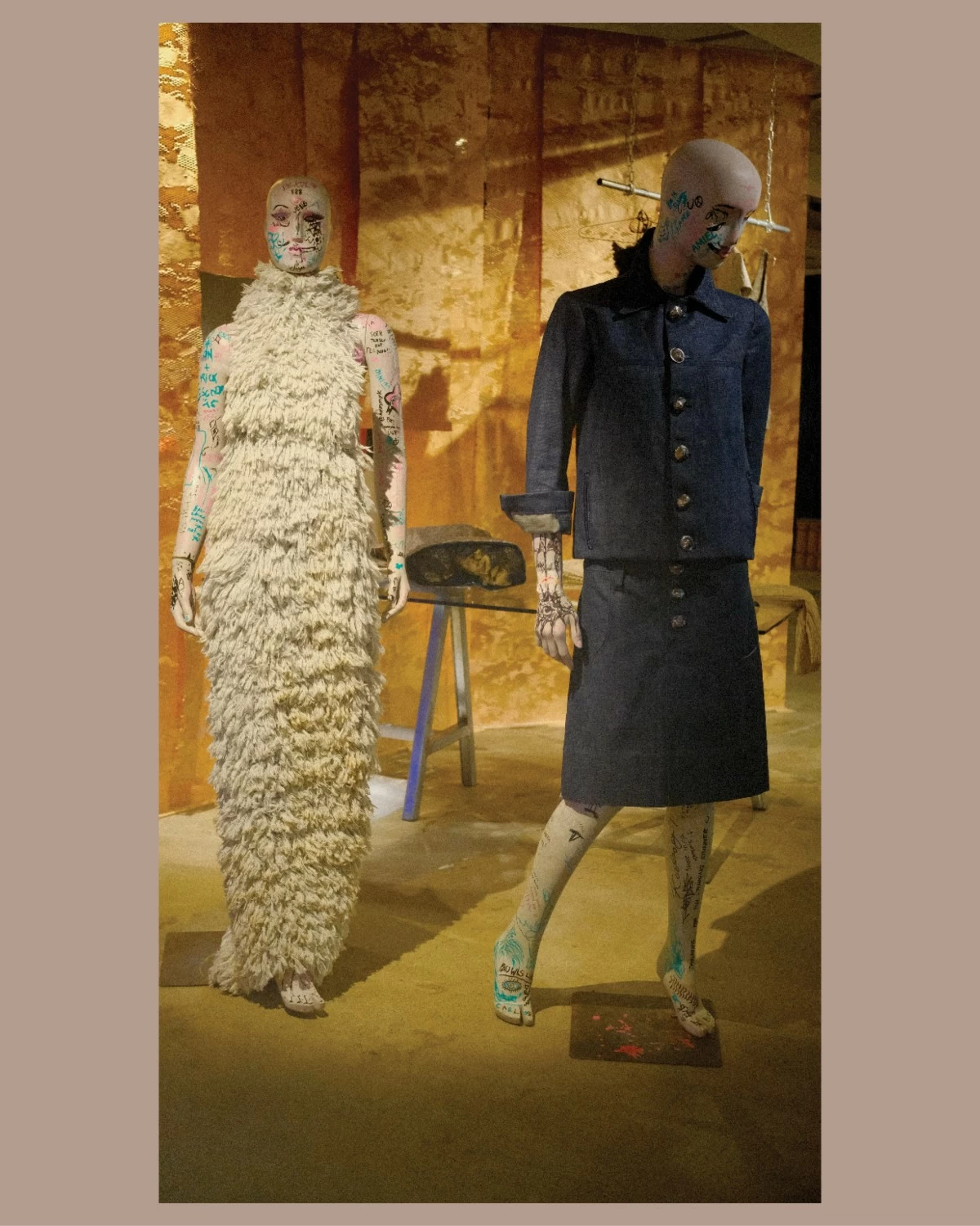
Ziv Rei Alexi pieces
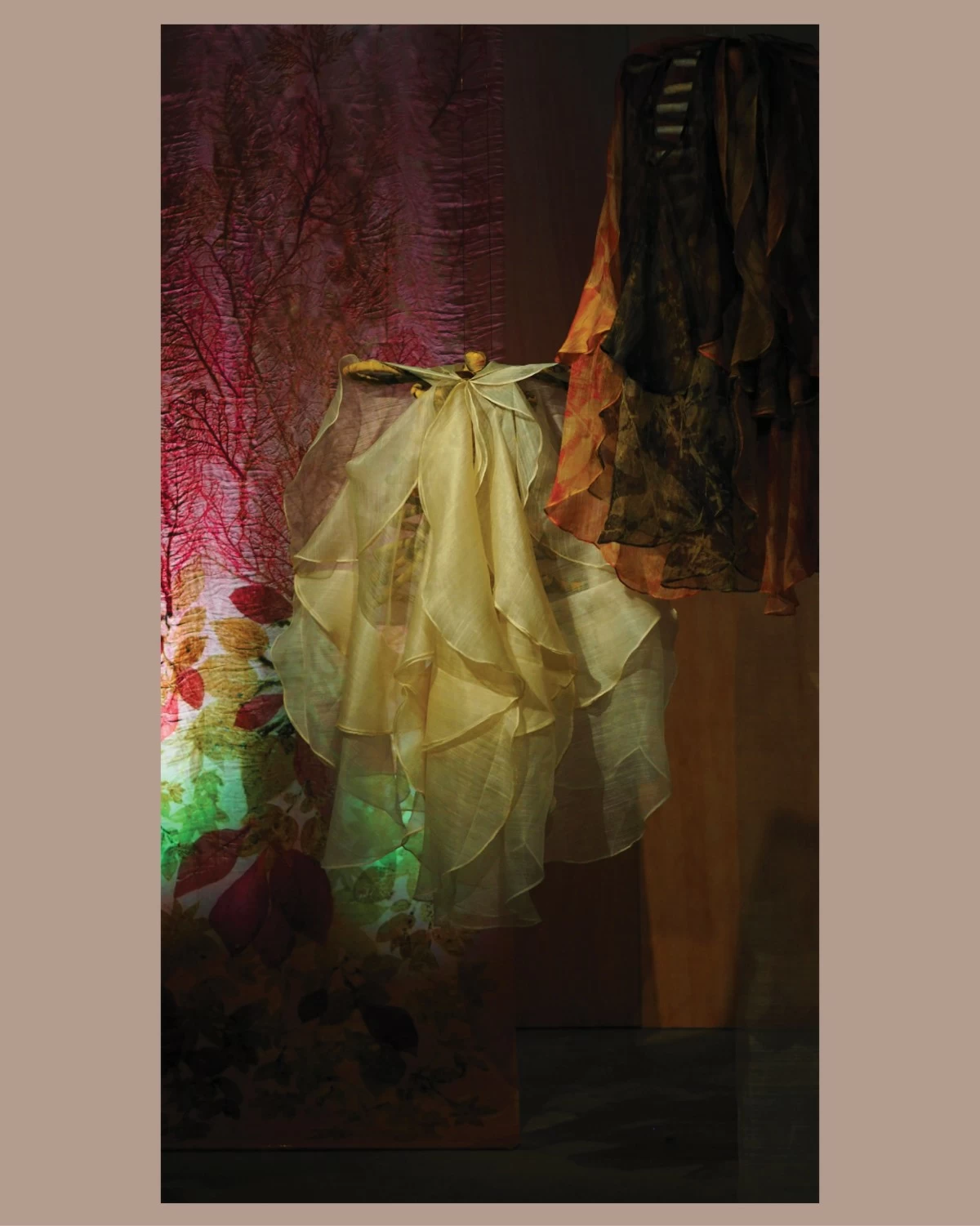
“Two Dermes: Textile as Skin on Bones” by Idyllic Summers
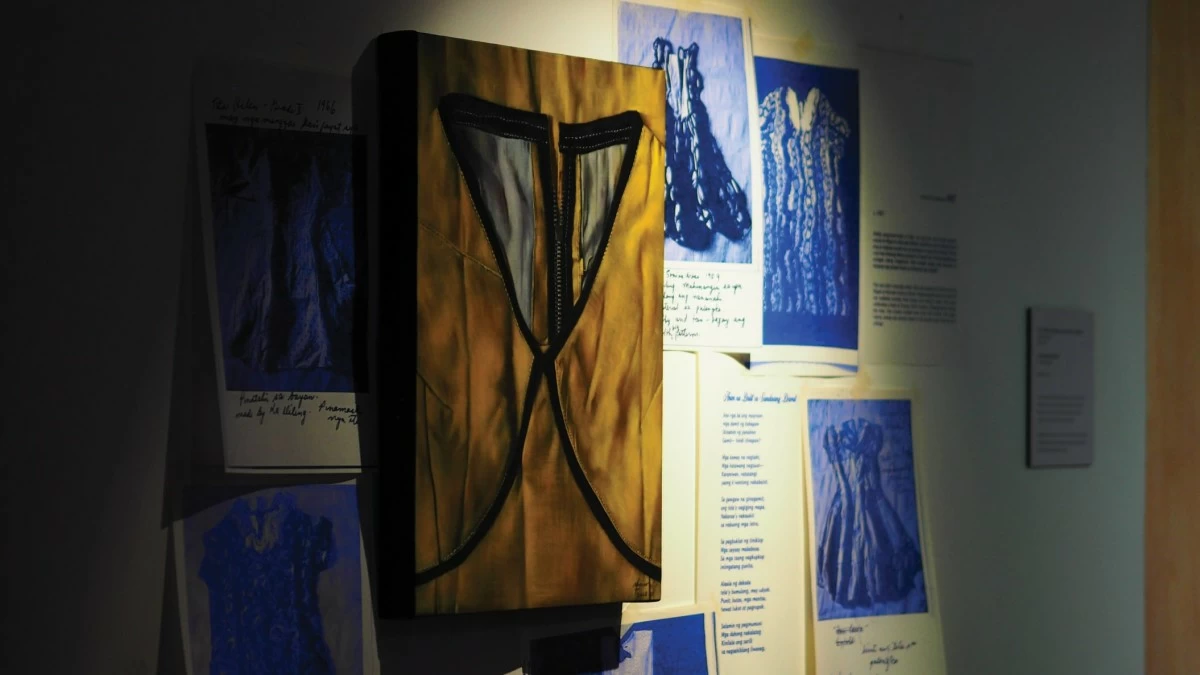
This conversation between fashion and art could be seen in works such as Patricia Perez Eustaquio's “All Dressed Up,” an installation composed of 100 pieces of ukay-ukay garments, transforming discarded clothing into a meditation on consumption, memory, and value. Nearby, “Two Dermes: Textile as Skin on Bones” by Idyllic Summers used locally woven textiles as canvases for artist Geraldine Javier's ecoprints, emphasizing how fabric can serve not only as material but also as a site for artistic intervention.
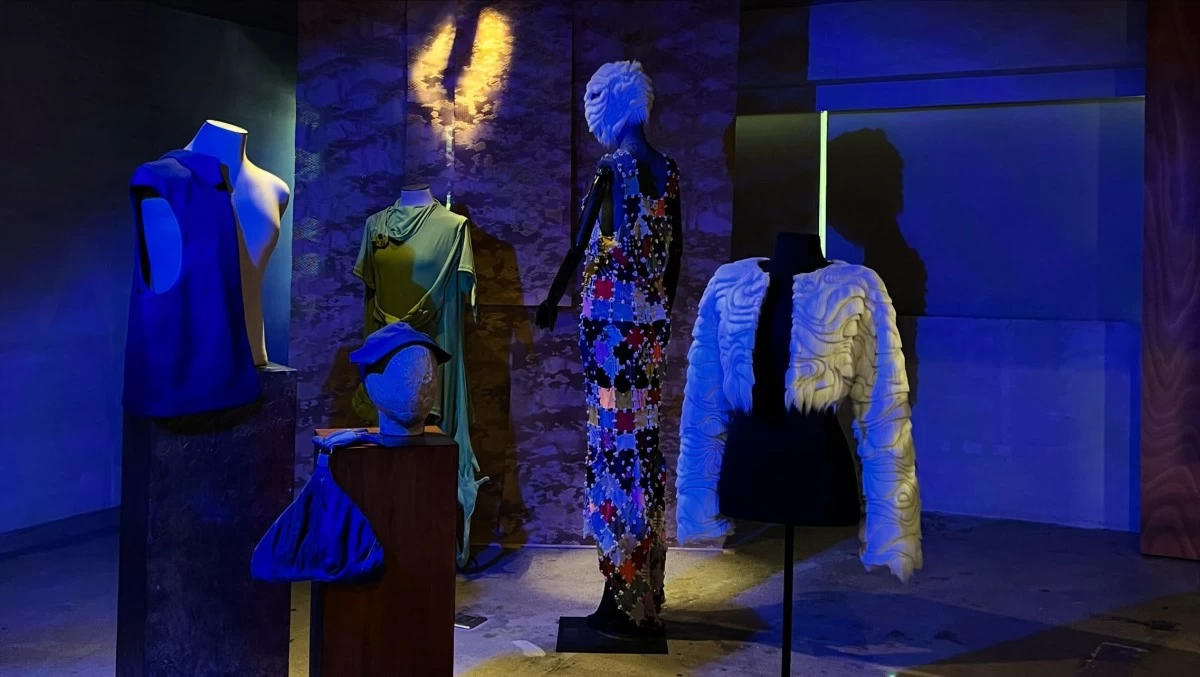
The exchange also worked in the opposite direction, with artistic techniques finding their way into wearable pieces. Leby Le Morìa's “Skin's skin, remember?” featured geometric square units connected in a modular system, allowing the wearer to build, dismantle, and reshape the garment according to movement and preference. Ziv Rei Alexi, meanwhile, experimented with texture through a crackled T-shirt and layered denim manipulated to resemble fur, demonstrating how familiar materials can be transformed through unconventional construction.
Adding to the immersive experience were fashion slideshows featuring the works of photographers Regine David, Colin Dancel, and Neal Oshima, alongside selected editorial spreads from WHYNoT's extensive reading room, including the Getty Museum exhibition catalog Icons of Style, curated by Paul Martineau. These references situated the local works within a broader conversation on fashion history, photography, and visual culture.
(Photo: WHYNoT)
(Photo: WHYNoT)
Leby Le Morìa pieces
More than a marketplace or exhibition, “Skin: A Sensory Perception” invited visitors to slow down and reconsider the relationship between the body and the objects that adorn it. Garments became sculptures, textiles became canvases, and photographs became extensions of the clothes they documented. The exhibition suggested that fashion is not merely about trends or commerce, but about material, memory, and the many ways people construct identity through what they choose to wear.
In a cultural landscape where fashion is often viewed through the lens of retail or celebrity, WHYNoT's gathering offered a refreshing reminder that clothing can also be a site of artistic inquiry. By placing designers and artists in conversation rather than in separate categories, the exhibition blurred the boundaries between disciplines—and in doing so, made a compelling case that fashion is perhaps most meaningful when it is experienced not just as something to wear, but as something to see, feel, and think about.