






Manila Bulletin
 Philippines
National
Ex-Duterte spokesman supports Trump administration's anti-ICC campaign
Philippines
National
Ex-Duterte spokesman supports Trump administration's anti-ICC campaign
Philippines
National
Ex-Duterte spokesman supports Trump administration's anti-ICC campaign
Ex-Duterte spokesman supports Trump administration's anti-ICC campaign
Salvador Panelo backs the U.S. anti-ICC campaign, saying the tribunal infringes on the sovereignty of non-member states such as the Philippines
Published Jul 14, 2026 04:27 pm


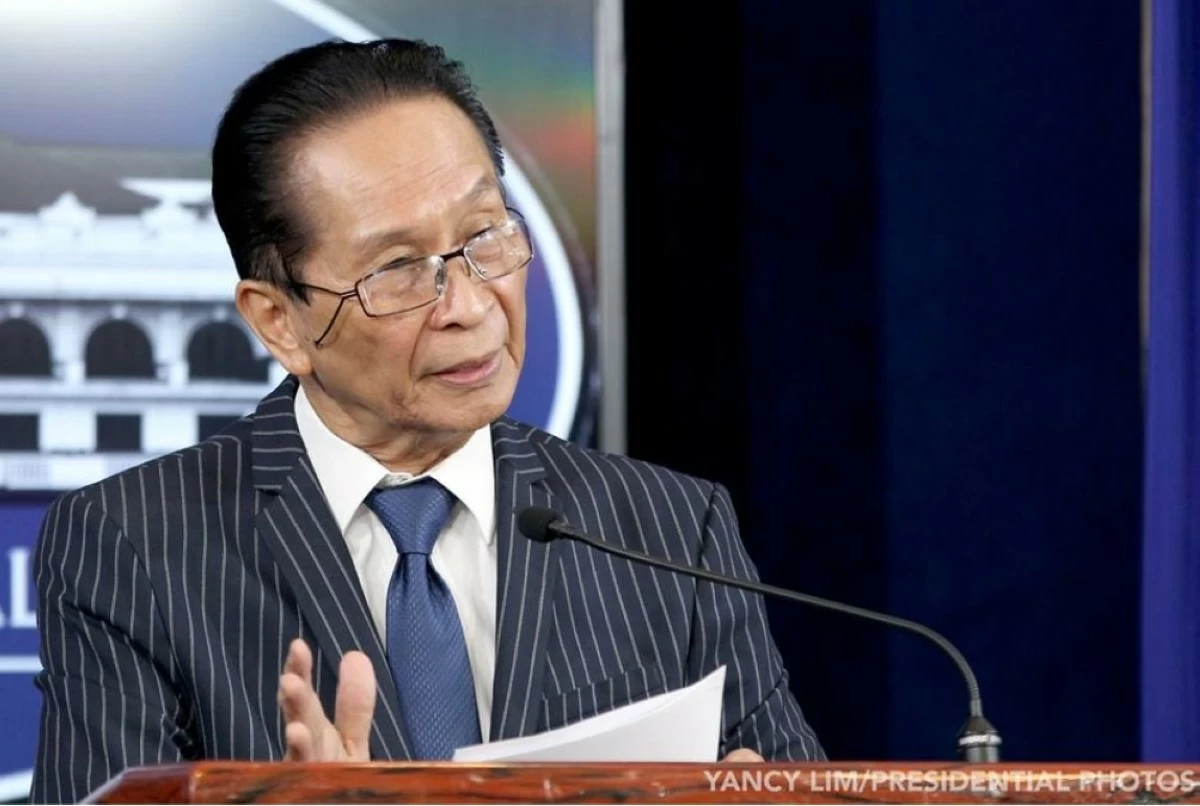
Former presidential spokesperson Salvador Panelo (file)
Former presidential spokesperson Salvador Panelo expressed support for the Trump administration's newly launched campaign against the International Criminal Court (ICC), describing the move as "long in coming" and accusing the tribunal of unlawfully interfering in the affairs of countries that are not parties to the Rome Statute.
In a statement, Panelo welcomed the U.S. government's decision to pursue a whole-of-government campaign aimed at curbing the ICC's operations, saying the tribunal has repeatedly violated the sovereignty of non-member states.
"The Trump administration's launching of a government-wide campaign against the International Criminal Court (ICC), vowing to pressure countries to withdraw from the tribunal and accusing it of threatening U.S. sovereignty, as well as the sovereignty of other countries such as the Philippines, Russia, and Israel, is long in coming," Panelo said.
"It is about time the bullying of the ICC stopped," he said. "The withdrawal of countries from the ICC will result in its well-deserved obliteration," he added.
Panelo also cited the arrest and detention of former president Rodrigo Duterte in connection with the ICC's investigation into alleged crimes against humanity linked to his anti-illegal drug campaign.
"The illegal and unforgivable incarceration of former President Rodrigo Roa Duterte, which intruded into our country's sovereignty with the cooperation of the Marcos Jr. administration, is a classic example of the ICC's unlawful intrusion into countries that are not members of the tribunal," he said.
"The ICC, by its intrusive and illegal actions against non-members, must be stopped at all costs," Panelo added.
His statement came after U.S. Secretary of State Marco Rubio announced on July 13 that the Trump administration had launched a sweeping diplomatic campaign to counter what Washington described as the ICC's threat to American sovereignty.
According to the U.S. State Department, the campaign seeks to "systematically disable" the ICC's ability to investigate or prosecute American military personnel and government officials.
The initiative includes diplomatic efforts urging countries to withdraw from the Rome Statute, increased scrutiny of nations that continue to support the ICC while benefiting from U.S. assistance, calls for non-member states to oppose the tribunal's jurisdiction, and possible visa restrictions, travel bans, and expanded sanctions against ICC officials and affiliated organizations.
The United States has long maintained that the ICC has no jurisdiction over U.S. citizens because Washington is not a party to the Rome Statute, the treaty that established the tribunal.
The Philippines withdrew from the Rome Statute in 2019 during the Duterte administration. However, the ICC has maintained that it retains jurisdiction over alleged crimes committed while the country was still a member of the court.
The ICC's investigation into Duterte's anti-drug campaign remains one of the most closely watched international legal cases involving the Philippines.