






 Entertainment
Celebrities
The unexpected reason an American left everything for the Philippines
Entertainment
Celebrities
The unexpected reason an American left everything for the Philippines
The unexpected reason an American left everything for the Philippines
By Neil Ramos


Millions of Filipinos know him simply as "Kuya Kurt." He's the American who speaks Tagalog with ease, eats at neighborhood carinderias, chats with jeepney drivers and somehow turns everyday encounters into videos watched by millions.
What many don't know is that before the viral fame, Kurt Harris was wrestling with a question that has become all too familiar in the age of artificial intelligence.
Would his career still have a future?
By 2023, Harris was working in the software industry in the United States when the rapid rise of AI left him uncertain about where his profession was headed.
"Walang kasiguraduhan ang trabaho ko," he recalled in a recent interview. "Nangamba ako kung magiging relevant pa ba ang profession ko dahil sa pag-alagwa ng artificial intelligence."
It was a crossroads that many workers can relate to today.
As he searched for his next step, Harris realized there was one passion that had been with him since he was a child.
"Buong buhay ko... mahilig talaga ako sa content creation," he said. "Bata pa lang ako, gumagawa na ako ng home movies."
Then one memory came rushing back.
"Doon naalala ko ang pinakamasayang panahon ng buhay ko dito sa Pilipinas."
That single thought changed everything.
Long before he became an online personality, Harris had spent two years in the Philippines as a Mormon missionary, living in Abra, La Union and Pangasinan. He learned Tagalog, immersed himself in Filipino culture and built friendships that stayed with him long after he returned to America.
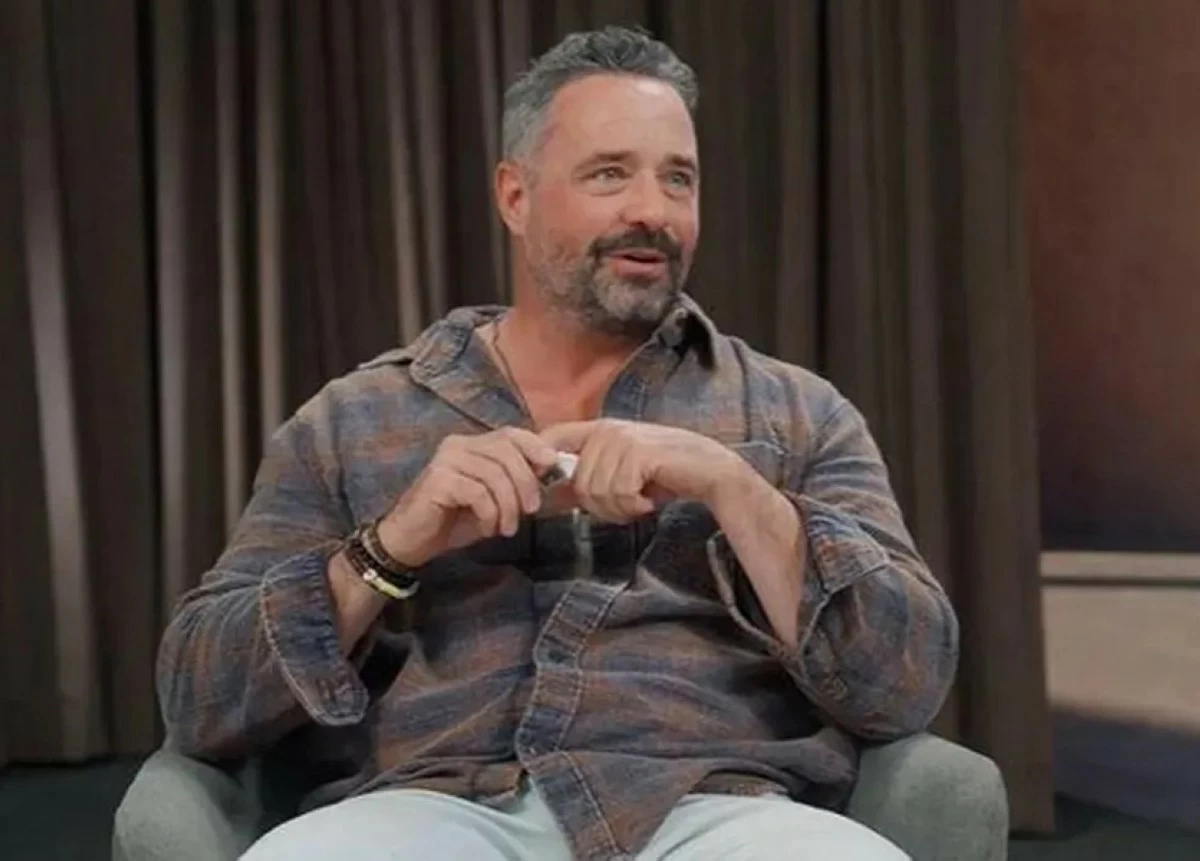
Life eventually took him in a different direction. He joined the U.S. Marine Corps, worked in software and was deployed to different parts of the world.
Those experiences only deepened his appreciation for what he had found in the Philippines.
"Kahit may problema dito," he said, "kung paano hina-handle yung bagay na iyon, kakaiba."
He wasn't saying life in the Philippines was easier.
In fact, he was struck by the opposite.
"Ang bawat bansa may problema," he said. "May pulitika, lubak-lubak yung daan paminsan-minsan. Pero yung nakita kong kakaiba dito sa Pilipinas is yung reaction niyo sa mga nangyayari."
"Mas resilient yata kayo. Kahit ganoon yung mga pinagdaanan, ngumingiti pa."
That outlook became the heart of his content.
Instead of building his videos around famous tourist spots or over-the-top challenges, Harris pointed his camera toward ordinary Filipinos. He ate at small carinderias, talked to tricycle drivers, visited sari-sari stores and spent time with people whose stories rarely make headlines.
The approach may seem simple, but it is also what sets him apart.
Filipino viewers have seen countless foreign vloggers fly into the country, praise Filipino hospitality and leave after a few weeks.
Harris' story is different.
He didn't come to the Philippines looking for content. He came back because this was the place he remembered as the happiest chapter of his life.
Even his decision to settle here went beyond work.
"Mas masaya ako dito sa Pilipinas bukod sa buhay ko sa U.S.," he said.
There is also a lesson here for aspiring content creators.
As AI becomes more capable of writing scripts, editing videos and producing polished content, authenticity is becoming more valuable, not less.
Viewers can usually tell the difference between someone who is chasing clicks and someone who genuinely enjoys connecting with people.
That authenticity is something no algorithm can manufacture.
AI may have been the reason Kurt Harris started looking for a different path.
But what gave him a new life was rediscovering a place that reminded him of the value of kindness, conversation and community.
In an online world where almost anything can now be generated by artificial intelligence, those may be the most human advantages of all.