







The real monster in 'Leviticus' isn't supernatural
Adrian Chiarella's debut feature blends queer romance and supernatural horror to reveal that fear and intolerance are far more terrifying than any creature lurking in the dark
By John Legaspi
Published Jul 13, 2026 08:43 am


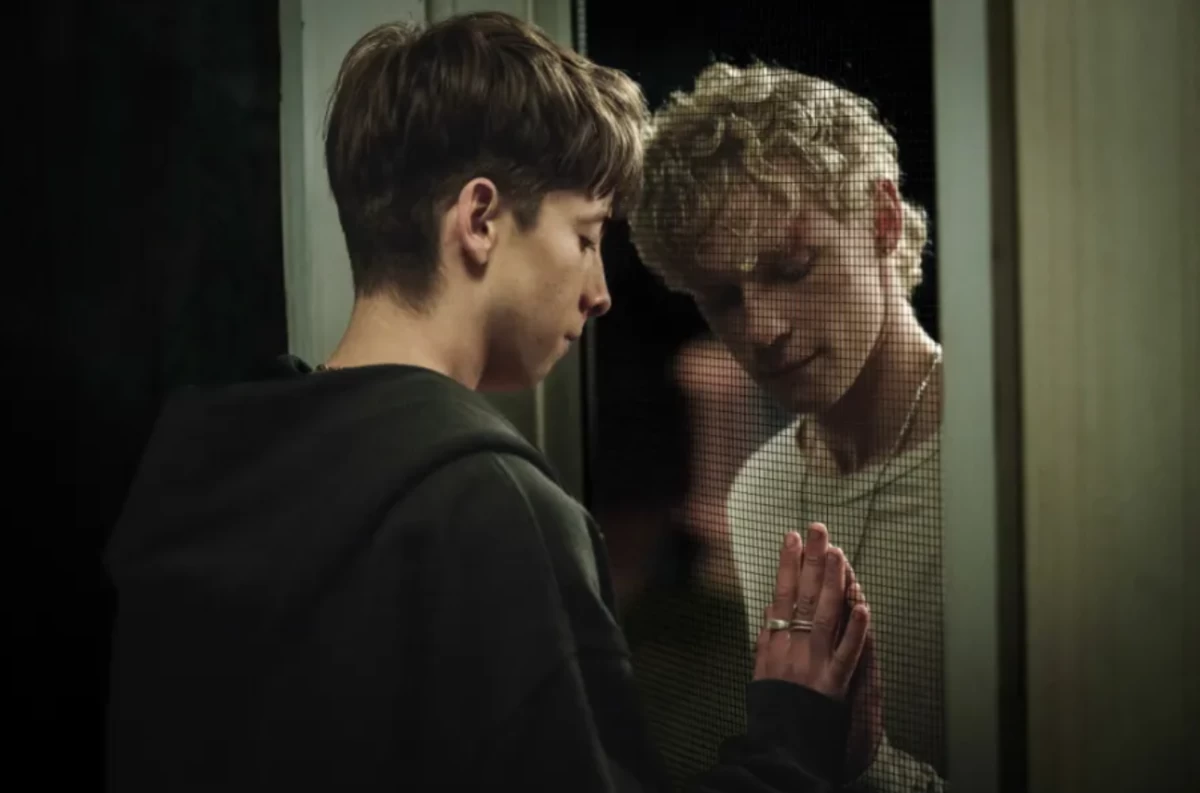
DON’T BE AFRAID Actors Naim Reid and Ryan Whelan delivered powerful and poignant performances in ‘Leviticus,’ which recently held a special screening at SM Cinemas. (Photo: Maslow
Entertainment)
What happens when fear strikes? Some turn to faith, while others turn to those they love. In the 2026 film “Leviticus,” fear creates a divide—one that pushes people to extremes, whether for better or worse.
“Leviticus” marks director Adrian Chiarella's feature film debut after directing a series of short films. Much like his previous works, the movie centers on queer romance, only this time blending psychological and supernatural horror.
The story follows two teenage boys, Naim (Joe Bird) and Ryan (Stacy Clausen), who develop feelings for each other in a conservative religious town. Their relationship is disrupted by a terrifying supernatural entity that takes the form of the person each victim desires most—in this case, each other. As the creature hunts them, they must confront both the monster and the prejudice surrounding them.
The film explores themes of love and identity, religious extremism and conversion therapy, and acceptance versus repression. Its title is a nod to the third book of the Bible, which contains verses that many have interpreted as prohibiting sexual relations between men.
What is charming about the film is that it is not just about the budding relationship between the two boys, but also the protagonist's relationship with himself. Naim is far from perfect; he is insecure, conflicted, and often retreats into fear. Watching him gradually accept his own identity is ultimately more compelling than the romance itself.
Still, Ryan's presence is undeniable throughout the film, not just because of his role as Naim's love interest, but because he represents what LGBTQIA+ people often go through after coming out: navigating prejudice, vulnerability, and finding the courage to live openly.
One of the film's greatest strengths is its pacing. Adrian doesn't take long to give the audience the romance they're anticipating, allowing the emotional connection between Naim and Ryan to develop before the horror fully takes hold. While there are effective jump scares throughout, the film's true horror lies not in its supernatural creature but in the way parents, family, and religious communities react to queer identity.
The message is clear throughout the film: No fear is greater than the fear of being rejected for who you are, but that fear loses its power when you're with the one you love. This idea is not unique to LGBTQIA+ people. In the film, many of the familial characters—particularly the boys' parents—are also trapped by fear: fear of social judgment, fear of religious condemnation, and fear of confronting beliefs that have long defined them.
Their inability to move beyond those fears becomes just as destructive as the supernatural force haunting Naim and Ryan, suggesting that prejudice often stems not from hatred alone, but from fear left unchallenged.
More than a supernatural horror film, “Leviticus” is a meditation on the fears we inherit and the choices we make because of them. Adrian reminds us that monsters are not always the creatures lurking in the dark; sometimes they are the beliefs that teach us to fear one another. Yet amid all the terror, the film never loses sight of hope. It argues that love—not fear—is ultimately what allows us to confront the darkness, making it as emotionally affecting as it is frightening.