






 Business
Trade & Industry
Manila Water broadens shift to renewable power under retail aggregation program
Business
Trade & Industry
Manila Water broadens shift to renewable power under retail aggregation program
Manila Water broadens shift to renewable power under retail aggregation program


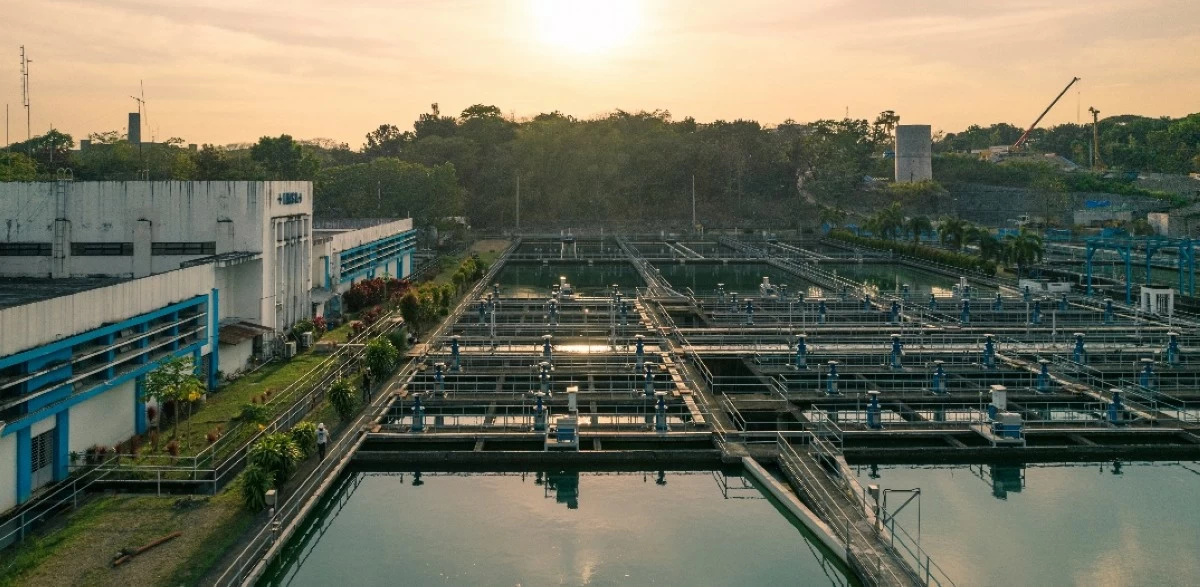
Enrique K. Razon Jr.-led Manila Water Co. Inc. has transitioned more of its facilities under the expanded retail aggregation program (RAP) as part of its efforts to secure more stable and sustainable energy sources for its operations.
In a statement on Monday, July 13, Manila Water energy director King Verzola explained that the company actively supported enhancements to RAP, including the reduction of the eligibility threshold and the consolidation of facilities within the same distribution utility.
The transition follows the implementation of ERC rules that lowered the program’s eligibility threshold from 500 kilowatts (kW) to 100 kW. The change allows more facilities and businesses to access competitive electricity suppliers and renewable energy (RE) options.
“Manila Water played a crucial role in engineering, development, and advocacy of the amended RAP to expand its reach and impact. Last year, we became the first company to switch under RAP at the 500-kW threshold, and today we are once again demonstrating leadership by being among the first to transition under the new 100-kW threshold,” Verzola said.
“This achievement reflects the strong collaboration between industry and regulators in addressing policy gaps and maximizing the benefits of meaningful energy market reforms.”
Last June 26, Manila Water successfully transitioned 47 facilities under Meralco with a combined demand of 209 kW to electricity sourced from 100-percent RE. Laguna Water also shifted six facilities under First Laguna Electric Cooperative Inc. (FLECO) with a combined demand of 318 kW.
These facilities include deep wells, line booster stations, and offices that support the delivery of water and wastewater services to customers.
Manila Water East Zone Chief Operating Officer (COO) Arnold Mortera highlighted that most of the company’s grid-supplied facilities now benefit from competitive electricity sourcing.
“Today, 96 percent of Manila Water’s electricity requirements are supplied through retail electricity supply (RES) arrangements, while three percent comes from solar energy and only one percent remains under captive supply,” Mortera said.
“With the implementation of RAP at the 100-kW threshold, nearly all our grid-supplied facilities will now benefit from competitive retail electricity procurement. This provides greater protection against volatile electricity rates, helping us manage operating costs and ultimately safeguard our customers from unnecessary increases in water service costs.”
The shift is expected to help shield the company from volatile electricity costs and potential supply disruptions. Since electricity is a major operating expense in water service delivery, securing more competitive and sustainable power sources helps Manila Water manage costs while maintaining reliable service for customers.
Furthermore, Manila Water expects additional facilities across its service areas to transition under RAP in the coming months, further strengthening the company’s energy portfolio and reducing reliance on traditional power procurement. - Gabriell Christel Galang