







ERC pushes new grid code for cleaner, more reliable power


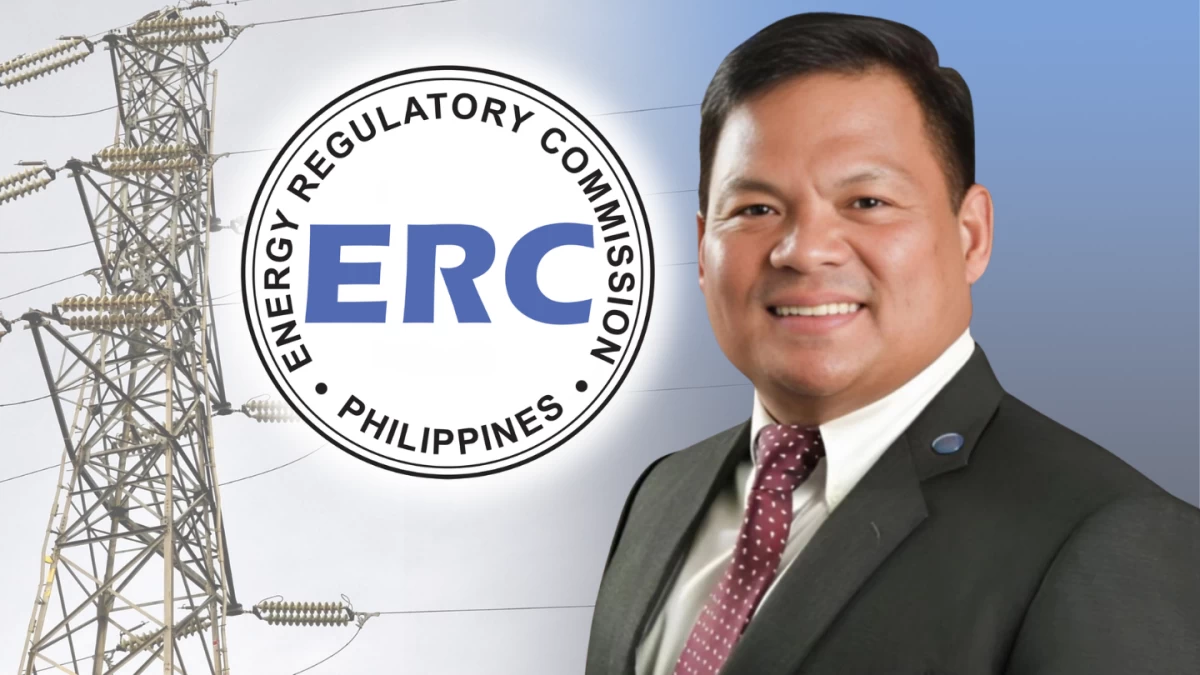
The Energy Regulatory Commission (ERC) is moving to advance a modernized Philippine Grid Code (PGC) to upgrade grid standards, strengthen system reliability, and enable the integration of renewable energy (RE).
In a statement on Monday, July 13, ERC Chairperson Francis Saturnino Juan said the regulator is pushing the PGC 2026 Edition as a forward-looking strategic reform aimed at preparing the country’s power system for long-term transformation amid rapid changes in the energy sector.
Juan said the plan focuses on modernizing the transmission system through updated technical standards, stronger reliability mechanisms, and provisions for emerging technologies, ensuring a more resilient and future-ready grid amid the growing share of RE.
According to the ERC chief, the primary challenge for the regulator is managing a fundamental shift in how electricity is generated and delivered, which requires the regulatory framework to evolve accordingly.
Alongside traditional standards, the ERC is racing to implement major updates that will enable the grid to accommodate variable RE (VRE) and a wide range of emerging energy technologies, including energy storage systems such as battery energy storage systems (BESS), pumped-storage hydropower, compressed air energy storage, and flywheel energy storage, as well as wind power plants (onshore and offshore), solar photovoltaic (PV) plants (including ground-mounted and floating systems), and nuclear power facilities.
The ERC has also incorporated new technical requirements for solar PV plants integrated with BESS using grid-forming (GFM) inverters, alongside standards for other BESS installations using GFM inverter technologies to support improved grid stability and system response.
Setting these rules is seen as a prerequisite to building a grid that is not only resilient but also capable of supporting cleaner and more sustainable energy sources while remaining secure and stable.
To ensure the technical rigor and practical realities of the sector are met, Juan said the draft code reflects the outcome of extensive nationwide consultations conducted last January across Luzon, Visayas, and Mindanao.
The ERC consolidated these inputs from electric power industry stakeholders in coordination with the Institute of Integrated Electrical Engineers of the Philippines (IIEE) and the regulator’s Interim Grid Management Committee (IGMC) under the Energy Transition Project with the Energy Transition Partnership-United Nations Office for Project Services (ETP-UNOPS).
The commission is also updating technical standards to include enhanced cybersecurity requirements, updated grid planning standards, expanded reserve and reliability mechanisms, and innovations such as fast frequency reserve (FFR).
On the consumer side, the commission aims to ensure that the Philippine grid remains responsive to technological advancements, aligned with international best practices, and capable of delivering reliable and secure electricity to Filipino consumers.
The regulator will conduct public consultations on July 13, 15, and 17 to provide stakeholders—including generation companies (GenCos), transmission operators, and distribution utilities (DUs)—with a platform to raise concerns, offer recommendations, and contribute to the finalization of the updated Grid Code.
Moreover, the ERC proposed comprehensive reforms to accelerate the adoption of net metering and distributed energy resources (DER), aiming to significantly expand participation beyond the 23,684 prosumers and 181 DER participants on record.
Key changes in the draft framework include cutting interconnection timelines from 20 to 10 working days, enforcing automatic approvals for delayed meter installations, transitioning to digital applications with e-signatures, and eliminating costly technical studies for small-scale systems.
The commission also plans to revisit bidirectional meter costs, lift the one-megawatt DER capacity limit, introduce multi-site crediting, and allow contestable customers to join the programs through fully online certificate applications, reflecting a shift toward a more adaptive, consumer-driven energy market. - Gabriell Christel Galang