ADVERTISEMENT

DOE rewrites green energy rules, hikes waste power targets to draw investors

Published Jul 13, 2026 12:01 am  |  Updated Jul 11, 2026 12:31 pm
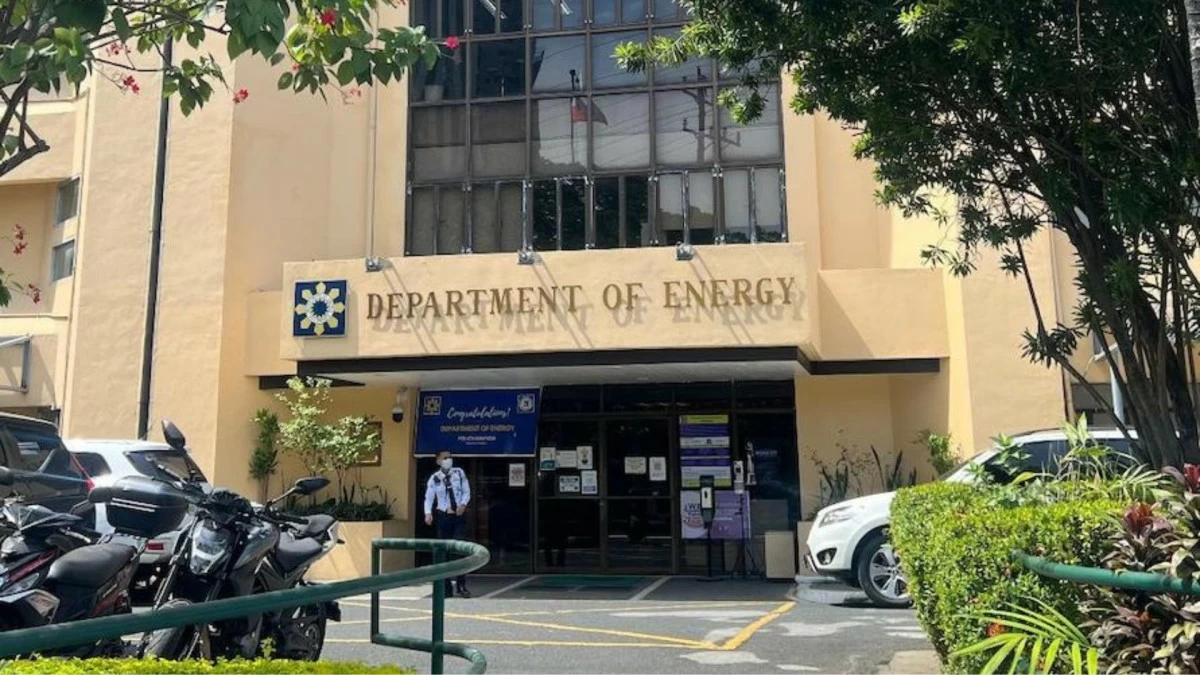
The Department of Energy (DOE) revamped its clean energy bidding program, expanding the installation targets for waste-to-energy projects while temporarily halting its offshore wind auction to adjust for grid and regulatory bottlenecks.
In a statement, the DOE said the adjustments aim to attract heavier capital investments into the country’s renewable energy transition as the government targets increasing the share of clean energy in its power generation mix to 35 percent by 2030.
In a move to accelerate alternative baseload capacity, energy officials lifted the suspension on the special waste-to-energy auction, designated as GEA-6. The DOE raised the total installation target for the round to 400 megawatts from the previously planned 230 megawatts.
Under the updated framework, qualified developers must reach mechanical completion on or before Dec. 31, 2028, with commercial operations scheduled to commence by the end of 2029.
To stimulate wider market participation, the DOE expanded the eligibility rules for the waste-to-energy round. Both dedicated waste-to-energy developers and traditional biomass operators are now permitted to bid, provided the biomass companies have officially transitioned to thermal combustion technologies designed for municipal solid waste disposal.
Interested suppliers have until July 31 to complete their registration. Project developers whose operating contracts are approved prior to the close of registration will also remain eligible to compete.
While the waste-to-energy round advanced, the DOE placed its highly anticipated fifth round of the Green Energy Auction on hold. Known as GEA-5, the round is the country’s first exclusive tender for fixed-bottom offshore wind projects, offering a massive 3,300 megawatts of capacity. The Energy Regulatory Commission (ERC) earlier established a preliminary price ceiling of 11 pesos per kilowatt-hour for the round to assure financial viability for international investors.
The DOE said that activities under the offshore wind auction have been temporarily paused to allow state agencies and industry stakeholders to execute a comprehensive review of the implementation framework.
The suspension stems from escalating domestic and global execution risks, which require a tighter alignment with local infrastructure readiness, transmission capabilities, and regulatory processes.
Government planners are using the pause to map out port availability and port-development costs, ensuring that construction timelines align with actual shipping and maritime capabilities. Regulators are also clarifying environmental and land-use requirements, establishing transparent compliance fees, and designing the necessary onshore support facilities.
Furthermore, the revised guidelines will introduce transmission grid capacity simulations to ensure that the national power grid can absorb the new offshore wind loads without destabilizing the system.
Future rounds will feature stricter project-readiness verifications, compressed delivery schedules, and streamlined document submission procedures. The DOE stated it will announce the revised GEA-5 bidding schedule and amended terms of reference once technical validations and inter-agency coordination are finalized. (Gabriell Christel Galang)

Related Tags

DOE waste management offshore wind (OSW)
ADVERTISEMENT
.most-popular .layout-ratio{ padding-bottom: 79.13%; } @media (min-width: 768px) and (max-width: 1024px) { .widget-title { font-size: 15px !important; } }

{{ articles_filter_1561_widget.title }}

.most-popular .layout-ratio{ padding-bottom: 79.13%; } @media (min-width: 768px) and (max-width: 1024px) { .widget-title { font-size: 15px !important; } }

{{ static_articles_1562_widget.title }}

.most-popular .layout-ratio{ padding-bottom: 79.13%; } @media (min-width: 768px) and (max-width: 1024px) { .widget-title { font-size: 15px !important; } }

{{ articles_filter_1563_widget.title }}

{{ articles_filter_1564_widget.title }}

.mb-article-details { position: relative; } .mb-article-details .article-body-preview, .mb-article-details .article-body-summary{ font-size: 17px; line-height: 30px; font-family: "Libre Caslon Text", serif; color: #000; } .mb-article-details .article-body-preview iframe , .mb-article-details .article-body-summary iframe{ width: 100%; margin: auto; } .read-more-background { background: linear-gradient(180deg, color(display-p3 1.000 1.000 1.000 / 0) 13.75%, color(display-p3 1.000 1.000 1.000 / 0.8) 30.79%, color(display-p3 1.000 1.000 1.000) 72.5%); position: absolute; height: 200px; width: 100%; bottom: 0; display: flex; justify-content: center; align-items: center; padding: 0; } .read-more-background a{ color: #000; } .read-more-btn { padding: 17px 45px; font-family: Inter; font-weight: 700; font-size: 18px; line-height: 16px; text-align: center; vertical-align: middle; border: 1px solid black; background-color: white; } .hidden { display: none; }
function initializeAllSwipers() { // Get all hidden inputs with cms_article_id document.querySelectorAll('[id^="cms_article_id_"]').forEach(function (input) { const cmsArticleId = input.value; const articleSelector = '#article-' + cmsArticleId + ' .body_images'; const swiperElement = document.querySelector(articleSelector); if (swiperElement && !swiperElement.classList.contains('swiper-initialized')) { new Swiper(articleSelector, { loop: true, pagination: false, navigation: { nextEl: '#article-' + cmsArticleId + ' .swiper-button-next', prevEl: '#article-' + cmsArticleId + ' .swiper-button-prev', }, }); } }); } setTimeout(initializeAllSwipers, 3000); const intersectionObserver = new IntersectionObserver( (entries) => { entries.forEach((entry) => { if (entry.isIntersecting) { const newUrl = entry.target.getAttribute("data-url"); if (newUrl) { history.pushState(null, null, newUrl); let article = entry.target; // Extract metadata const author = article.querySelector('.author-section').textContent.replace('By', '').trim(); const section = article.querySelector('.section-info ').textContent.replace(' ', ' '); const title = article.querySelector('.article-title h1').textContent; // Parse URL for Chartbeat path format const parsedUrl = new URL(newUrl, window.location.origin); const cleanUrl = parsedUrl.host + parsedUrl.pathname; // Update Chartbeat configuration if (typeof window._sf_async_config !== 'undefined') { window._sf_async_config.path = cleanUrl; window._sf_async_config.sections = section; window._sf_async_config.authors = author; } // Track virtual page view with Chartbeat if (typeof pSUPERFLY !== 'undefined' && typeof pSUPERFLY.virtualPage === 'function') { try { pSUPERFLY.virtualPage({ path: cleanUrl, title: title, sections: section, authors: author }); } catch (error) { console.error('ping error', error); } } // Optional: Update document title if (title && title !== document.title) { document.title = title; } } } }); }, { threshold: 0.1 } ); function showArticleBody(button) { const article = button.closest("article"); const summary = article.querySelector(".article-body-summary"); const body = article.querySelector(".article-body-preview"); const readMoreSection = article.querySelector(".read-more-background"); // Hide summary and read-more section summary.style.display = "none"; readMoreSection.style.display = "none"; // Show the full article body body.classList.remove("hidden"); } document.addEventListener("DOMContentLoaded", () => { let loadCount = 0; // Track how many times articles are loaded const offset = [1, 2, 3, 4, 5, 6, 7, 8, 9, 10]; // Offset values const currentUrl = window.location.pathname.substring(1); let isLoading = false; // Prevent multiple calls if (!currentUrl) { console.log("Current URL is invalid."); return; } const sentinel = document.getElementById("load-more-sentinel"); if (!sentinel) { console.log("Sentinel element not found."); return; } function isSentinelVisible() { const rect = sentinel.getBoundingClientRect(); return ( rect.top < window.innerHeight && rect.bottom >= 0 ); } function onScroll() { if (isLoading) return; if (isSentinelVisible()) { if (loadCount >= offset.length) { console.log("Maximum load attempts reached."); window.removeEventListener("scroll", onScroll); return; } isLoading = true; const currentOffset = offset[loadCount]; window.loadMoreItems().then(() => { let article = document.querySelector('#widget_1690 > div:nth-last-of-type(2) article'); intersectionObserver.observe(article) loadCount++; }).catch(error => { console.error("Error loading more items:", error); }).finally(() => { isLoading = false; }); } } window.addEventListener("scroll", onScroll); });

Sign up by email to receive news.