ADVERTISEMENT

BDO closes ASEAN sustainability bond offer in just one day on strong demand

Published Jul 13, 2026 09:41 am

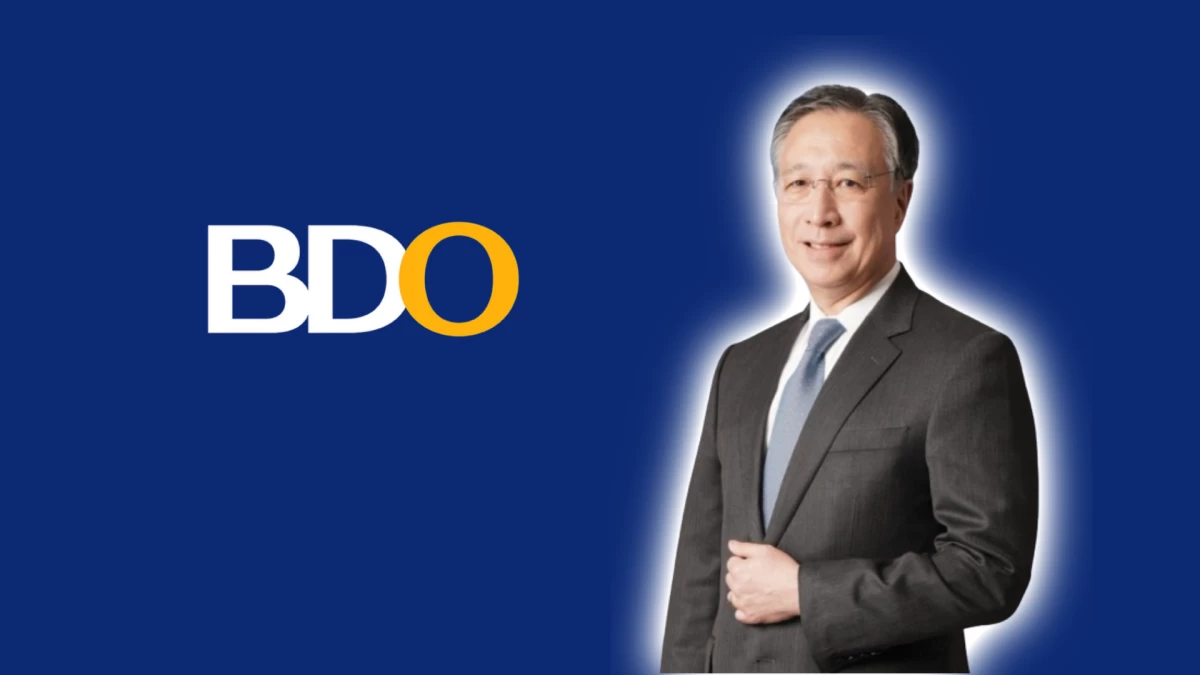
Sy-led BDO Unibank Inc., the Philippines’ largest bank, has ended the offering of its sixth peso-denominated Association of Southeast Asian Nations (ASEAN) sustainability bond issue after just one day due to oversubscription, continuing the strong investor demand it has enjoyed since it began issuing green bonds.

Originally set to run from July 9 to 21, 2026, the bank said in a disclosure to the Philippine Stock Exchange (PSE) on Monday, July 13, that it decided to close the offer period early, on July 10 instead of July 21, following strong demand from both retail and institutional investors.

The bank’s latest ASEAN sustainability bonds have a tenor of one-and-a-half years and bear a coupon rate of 6.26 percent per annum. The issue, settlement, and listing date will be on July 28, 2026.

The net proceeds of the issuance are intended to finance and refinance eligible assets as defined in BDO’s sustainable finance framework, support the bank’s lending activities, and diversify its funding sources.

ING Bank N.V. Manila Branch is the sole arranger and sustainability coordinator of this issuance, with BDO and ING as selling agents and BDO Capital & Investment Corp. as financial advisor.

Last July 9, a day before the bank closed the offering, BDO said it was planning to raise at least ₱5 billion from the issuance of peso-denominated fixed-rate sustainability bonds to diversify its funding sources.

This marks the bank’s second sustainability bond issue this year following a ₱100-billion issue in January. BDO has raised a total of ₱386.7 billion in sustainability bonds through five issuances since January 2022.

The Securities and Exchange Commission (SEC) has confirmed that the proposed issuance complies with the requirements set forth under ASEAN’s sustainability bond standards and the SEC’s ASEAN sustainability bond circular.

Last January, BDO raised ₱100 billion from its fifth peso-denominated ASEAN sustainability bond issue, which was 20 times oversubscribed against the original ₱5-billion offering.

“This issuance saw robust participation from retail and institutional investors, prompting the early close of the offer period on Jan. 16, 2026,” said the bank. The bonds have a tenor of three years and a coupon rate of 5.7125 percent a year.

BDO has consistently raised several times the minimum amount of ₱5 billion in its previous issuances, resulting in shortened offering periods due to oversubscription.

In July last year, BDO raised ₱115 billion for its fourth peso-denominated ASEAN sustainability bond issue, which was 23 times oversubscribed against the original offer of ₱5 billion. — James A. Loyola

Related Tags

BDO Unibank Inc.
ADVERTISEMENT
.most-popular .layout-ratio{ padding-bottom: 79.13%; } @media (min-width: 768px) and (max-width: 1024px) { .widget-title { font-size: 15px !important; } }

{{ articles_filter_1561_widget.title }}

.most-popular .layout-ratio{ padding-bottom: 79.13%; } @media (min-width: 768px) and (max-width: 1024px) { .widget-title { font-size: 15px !important; } }

{{ static_articles_1562_widget.title }}

.most-popular .layout-ratio{ padding-bottom: 79.13%; } @media (min-width: 768px) and (max-width: 1024px) { .widget-title { font-size: 15px !important; } }

{{ articles_filter_1563_widget.title }}

{{ articles_filter_1564_widget.title }}

.mb-article-details { position: relative; } .mb-article-details .article-body-preview, .mb-article-details .article-body-summary{ font-size: 17px; line-height: 30px; font-family: "Libre Caslon Text", serif; color: #000; } .mb-article-details .article-body-preview iframe , .mb-article-details .article-body-summary iframe{ width: 100%; margin: auto; } .read-more-background { background: linear-gradient(180deg, color(display-p3 1.000 1.000 1.000 / 0) 13.75%, color(display-p3 1.000 1.000 1.000 / 0.8) 30.79%, color(display-p3 1.000 1.000 1.000) 72.5%); position: absolute; height: 200px; width: 100%; bottom: 0; display: flex; justify-content: center; align-items: center; padding: 0; } .read-more-background a{ color: #000; } .read-more-btn { padding: 17px 45px; font-family: Inter; font-weight: 700; font-size: 18px; line-height: 16px; text-align: center; vertical-align: middle; border: 1px solid black; background-color: white; } .hidden { display: none; }
function initializeAllSwipers() { // Get all hidden inputs with cms_article_id document.querySelectorAll('[id^="cms_article_id_"]').forEach(function (input) { const cmsArticleId = input.value; const articleSelector = '#article-' + cmsArticleId + ' .body_images'; const swiperElement = document.querySelector(articleSelector); if (swiperElement && !swiperElement.classList.contains('swiper-initialized')) { new Swiper(articleSelector, { loop: true, pagination: false, navigation: { nextEl: '#article-' + cmsArticleId + ' .swiper-button-next', prevEl: '#article-' + cmsArticleId + ' .swiper-button-prev', }, }); } }); } setTimeout(initializeAllSwipers, 3000); const intersectionObserver = new IntersectionObserver( (entries) => { entries.forEach((entry) => { if (entry.isIntersecting) { const newUrl = entry.target.getAttribute("data-url"); if (newUrl) { history.pushState(null, null, newUrl); let article = entry.target; // Extract metadata const author = article.querySelector('.author-section').textContent.replace('By', '').trim(); const section = article.querySelector('.section-info ').textContent.replace(' ', ' '); const title = article.querySelector('.article-title h1').textContent; // Parse URL for Chartbeat path format const parsedUrl = new URL(newUrl, window.location.origin); const cleanUrl = parsedUrl.host + parsedUrl.pathname; // Update Chartbeat configuration if (typeof window._sf_async_config !== 'undefined') { window._sf_async_config.path = cleanUrl; window._sf_async_config.sections = section; window._sf_async_config.authors = author; } // Track virtual page view with Chartbeat if (typeof pSUPERFLY !== 'undefined' && typeof pSUPERFLY.virtualPage === 'function') { try { pSUPERFLY.virtualPage({ path: cleanUrl, title: title, sections: section, authors: author }); } catch (error) { console.error('ping error', error); } } // Optional: Update document title if (title && title !== document.title) { document.title = title; } } } }); }, { threshold: 0.1 } ); function showArticleBody(button) { const article = button.closest("article"); const summary = article.querySelector(".article-body-summary"); const body = article.querySelector(".article-body-preview"); const readMoreSection = article.querySelector(".read-more-background"); // Hide summary and read-more section summary.style.display = "none"; readMoreSection.style.display = "none"; // Show the full article body body.classList.remove("hidden"); } document.addEventListener("DOMContentLoaded", () => { let loadCount = 0; // Track how many times articles are loaded const offset = [1, 2, 3, 4, 5, 6, 7, 8, 9, 10]; // Offset values const currentUrl = window.location.pathname.substring(1); let isLoading = false; // Prevent multiple calls if (!currentUrl) { console.log("Current URL is invalid."); return; } const sentinel = document.getElementById("load-more-sentinel"); if (!sentinel) { console.log("Sentinel element not found."); return; } function isSentinelVisible() { const rect = sentinel.getBoundingClientRect(); return ( rect.top < window.innerHeight && rect.bottom >= 0 ); } function onScroll() { if (isLoading) return; if (isSentinelVisible()) { if (loadCount >= offset.length) { console.log("Maximum load attempts reached."); window.removeEventListener("scroll", onScroll); return; } isLoading = true; const currentOffset = offset[loadCount]; window.loadMoreItems().then(() => { let article = document.querySelector('#widget_1690 > div:nth-last-of-type(2) article'); intersectionObserver.observe(article) loadCount++; }).catch(error => { console.error("Error loading more items:", error); }).finally(() => { isLoading = false; }); } } window.addEventListener("scroll", onScroll); });

Sign up by email to receive news.