ADVERTISEMENT

UMIC milestone no time for complacency

Published Jul 11, 2026 12:05 am  |  Updated Jul 10, 2026 05:11 pm
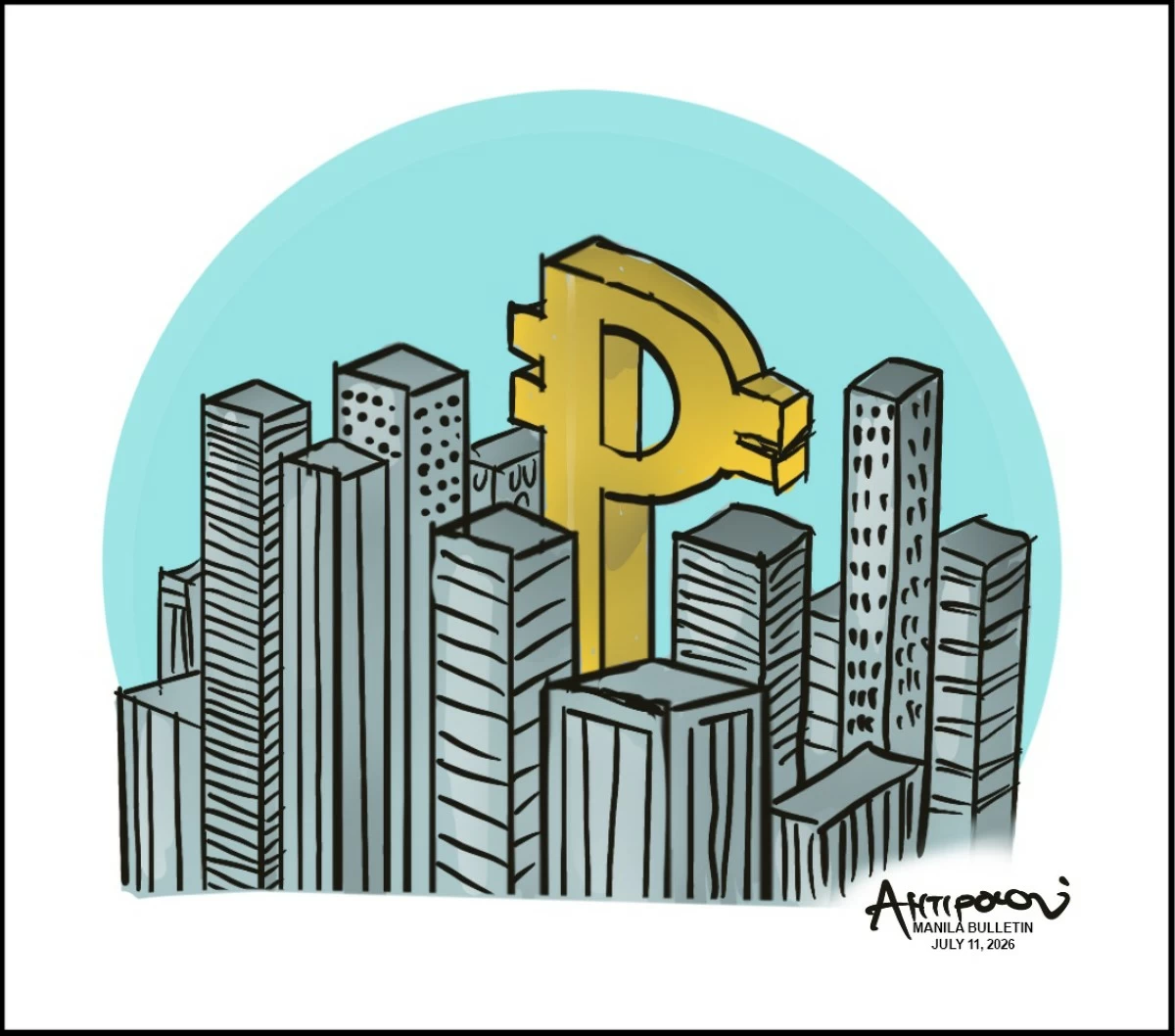
Last week, the Philippines finally achieved upper-middle-income-country (UMIC) status, an elevated income level decades in the making and a welcome recognition of the economy’s long-term gains.
It was a milestone worth acknowledging. The World Bank’s new classification means that the country’s gross national income (GNI) per capita has crossed the threshold into a higher income bracket. It reflects decades of economic expansion, stronger remittances, the growth of services, gains in employment, as well as the resilience of Filipino households and businesses through repeated crises.
But a higher country classification is not, by itself, a guarantee that every Filipino family already feels better off. Aggregate income can rise even while many households still struggle with high food prices, job insecurity, costly electricity, climate shocks, and the daily burden of making limited earnings last until the next payday.
That is why the celebration must be tempered by realism. This week brought a string of sobering reminders that the economy remains vulnerable. The Washington-based International Monetary Fund (IMF) lowered its growth outlook for the Philippines. The Manila-based Asian Development Bank (ADB) followed with a sharper downgrade, cutting its 2026 Philippine growth forecast to 3.8 percent—a pace that, if realized, would be the slowest post-pandemic expansion.
The government itself has officially tempered its economic forecasts, now expecting gross domestic product (GDP) growth of only 3.5 to 4.5 percent this year, compared with the previous five- to six-percent target. The country also continued to lag behind several neighbors in attracting foreign direct investments (FDIs), even as Southeast Asia drew more than $244 billion in foreign capital last year. In May, the number of jobless Filipinos rose to 2.5 million, with weather-related disruptions and El Niño risks weighing on agriculture and livelihoods.
These developments do not erase the achievement of UMIC status. But they do show why this is not the time for complacency. If anything, the new classification should raise the standard for governance and economic management. The task now is to ensure that the benefits of a higher aggregate national income trickle down to workers, farmers, small businesses, commuters, consumers, and families still vulnerable to every price shock.
The government must focus on the task at hand: protect livelihoods, preserve purchasing power, as well as keep growth on a stronger and more inclusive path.
A looming “super” El Niño calls for early action to safeguard food supply, support farmers, prepare local governments, and prevent supply disruptions from becoming another round of inflation. Policy must remain practical, coordinated, and timely.
There are encouraging steps that deserve support. The decision of the country’s major banks to waive InstaPay and PESONet transfer fees, in line with the Bangko Sentral ng Pilipinas’ (BSP) push for lower digital transaction costs, is one concrete way to help protect people’s incomes. For many Filipinos, small savings on routine transfers matter, especially when every peso counts.
The same spirit should guide broader policy. Government must remove barriers to investment, accelerate infrastructure that improves productivity, keep food and energy supply reliable, as well as make it easier for businesses to create stable jobs. It must also stay focused on restoring confidence, because investment follows credibility, consistency, and competence.
UMIC status is not the finish line. It is a platform. The country has earned a higher classification, but the harder work is to make that progress felt in ordinary lives. The best way to honor this milestone is not to boast about it, but to build on it—with discipline, urgency, and a clear commitment to inclusive growth.
ADVERTISEMENT
.most-popular .layout-ratio{ padding-bottom: 79.13%; } @media (min-width: 768px) and (max-width: 1024px) { .widget-title { font-size: 15px !important; } }

{{ articles_filter_1561_widget.title }}

.most-popular .layout-ratio{ padding-bottom: 79.13%; } @media (min-width: 768px) and (max-width: 1024px) { .widget-title { font-size: 15px !important; } }

{{ static_articles_1562_widget.title }}

.most-popular .layout-ratio{ padding-bottom: 79.13%; } @media (min-width: 768px) and (max-width: 1024px) { .widget-title { font-size: 15px !important; } }

{{ articles_filter_1563_widget.title }}

{{ articles_filter_1564_widget.title }}

.mb-article-details { position: relative; } .mb-article-details .article-body-preview, .mb-article-details .article-body-summary{ font-size: 17px; line-height: 30px; font-family: "Libre Caslon Text", serif; color: #000; } .mb-article-details .article-body-preview iframe , .mb-article-details .article-body-summary iframe{ width: 100%; margin: auto; } .read-more-background { background: linear-gradient(180deg, color(display-p3 1.000 1.000 1.000 / 0) 13.75%, color(display-p3 1.000 1.000 1.000 / 0.8) 30.79%, color(display-p3 1.000 1.000 1.000) 72.5%); position: absolute; height: 200px; width: 100%; bottom: 0; display: flex; justify-content: center; align-items: center; padding: 0; } .read-more-background a{ color: #000; } .read-more-btn { padding: 17px 45px; font-family: Inter; font-weight: 700; font-size: 18px; line-height: 16px; text-align: center; vertical-align: middle; border: 1px solid black; background-color: white; } .hidden { display: none; }
function initializeAllSwipers() { // Get all hidden inputs with cms_article_id document.querySelectorAll('[id^="cms_article_id_"]').forEach(function (input) { const cmsArticleId = input.value; const articleSelector = '#article-' + cmsArticleId + ' .body_images'; const swiperElement = document.querySelector(articleSelector); if (swiperElement && !swiperElement.classList.contains('swiper-initialized')) { new Swiper(articleSelector, { loop: true, pagination: false, navigation: { nextEl: '#article-' + cmsArticleId + ' .swiper-button-next', prevEl: '#article-' + cmsArticleId + ' .swiper-button-prev', }, }); } }); } setTimeout(initializeAllSwipers, 3000); const intersectionObserver = new IntersectionObserver( (entries) => { entries.forEach((entry) => { if (entry.isIntersecting) { const newUrl = entry.target.getAttribute("data-url"); if (newUrl) { history.pushState(null, null, newUrl); let article = entry.target; // Extract metadata const author = article.querySelector('.author-section').textContent.replace('By', '').trim(); const section = article.querySelector('.section-info ').textContent.replace(' ', ' '); const title = article.querySelector('.article-title h1').textContent; // Parse URL for Chartbeat path format const parsedUrl = new URL(newUrl, window.location.origin); const cleanUrl = parsedUrl.host + parsedUrl.pathname; // Update Chartbeat configuration if (typeof window._sf_async_config !== 'undefined') { window._sf_async_config.path = cleanUrl; window._sf_async_config.sections = section; window._sf_async_config.authors = author; } // Track virtual page view with Chartbeat if (typeof pSUPERFLY !== 'undefined' && typeof pSUPERFLY.virtualPage === 'function') { try { pSUPERFLY.virtualPage({ path: cleanUrl, title: title, sections: section, authors: author }); } catch (error) { console.error('ping error', error); } } // Optional: Update document title if (title && title !== document.title) { document.title = title; } } } }); }, { threshold: 0.1 } ); function showArticleBody(button) { const article = button.closest("article"); const summary = article.querySelector(".article-body-summary"); const body = article.querySelector(".article-body-preview"); const readMoreSection = article.querySelector(".read-more-background"); // Hide summary and read-more section summary.style.display = "none"; readMoreSection.style.display = "none"; // Show the full article body body.classList.remove("hidden"); } document.addEventListener("DOMContentLoaded", () => { let loadCount = 0; // Track how many times articles are loaded const offset = [1, 2, 3, 4, 5, 6, 7, 8, 9, 10]; // Offset values const currentUrl = window.location.pathname.substring(1); let isLoading = false; // Prevent multiple calls if (!currentUrl) { console.log("Current URL is invalid."); return; } const sentinel = document.getElementById("load-more-sentinel"); if (!sentinel) { console.log("Sentinel element not found."); return; } function isSentinelVisible() { const rect = sentinel.getBoundingClientRect(); return ( rect.top < window.innerHeight && rect.bottom >= 0 ); } function onScroll() { if (isLoading) return; if (isSentinelVisible()) { if (loadCount >= offset.length) { console.log("Maximum load attempts reached."); window.removeEventListener("scroll", onScroll); return; } isLoading = true; const currentOffset = offset[loadCount]; window.loadMoreItems().then(() => { let article = document.querySelector('#widget_1690 > div:nth-last-of-type(2) article'); intersectionObserver.observe(article) loadCount++; }).catch(error => { console.error("Error loading more items:", error); }).finally(() => { isLoading = false; }); } } window.addEventListener("scroll", onScroll); });

Sign up by email to receive news.