







What Taiwan's MRT gets right about everyday travel
How exploring via the metro transit leads to exciting places
By Poch Eulalia
Published Jul 10, 2026 10:03 am


At A Glance
- Taiwan's MRT stations are quite convenient since most of the time, they're placed exactly where it needs to be.
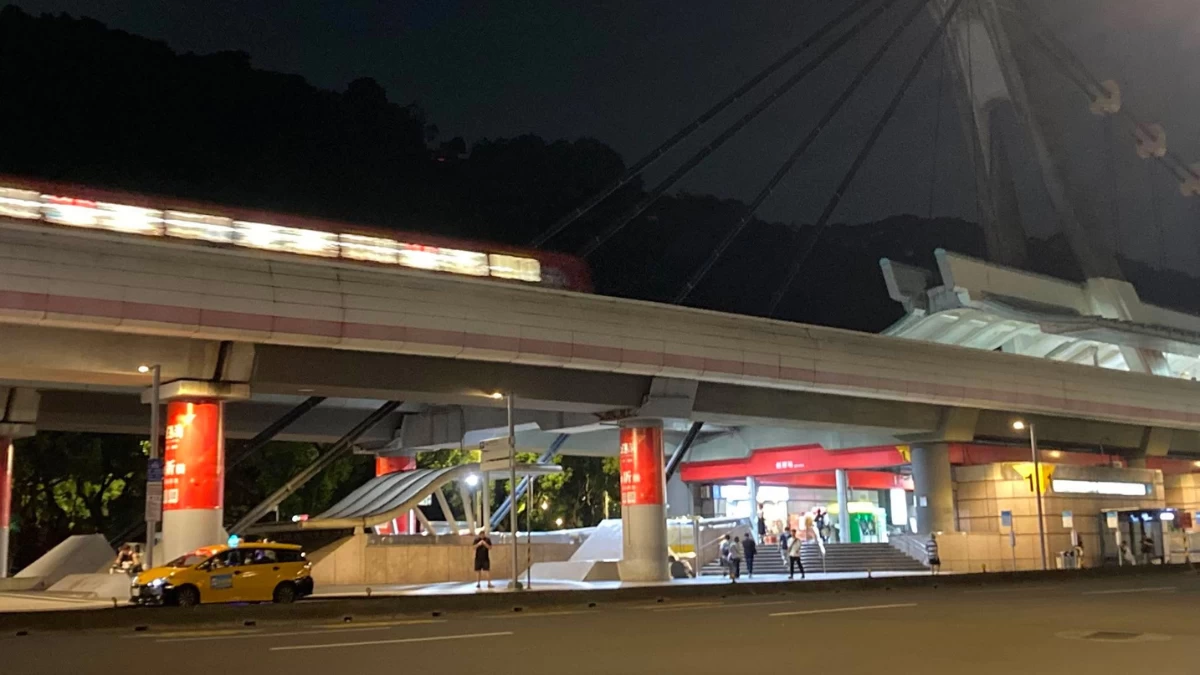
TRAVEL WITH EASE Taiwan's Metro Rail Transit system is easy to navigate, punctual, and easily accessible for all. (Photos: Poch Eulalia/Manila Bulletin)
In the Philippines, taking the Metro Rail Transit (MRT) to get around is an absolute nightmare scenario. We’ve either seen or experienced the horror stories firsthand. Lines that seem to never end, trains packed like sardines, suffering from the non-existent air conditioning, and worst of all, stopping in the middle of the tracks. If we are to fix these issues, perhaps we’d do well to look at our neighbors across the coast in Taiwan.
For a first-timer, taking the Taiwan MRT can be intimidating due to its several routes. Thankfully, you’ll find there are enough visual guides to ensure you don’t get lost. You can also ask personnel at their assistance area, though your mileage may vary, as speaking English won’t help too much. A translation app would serve you well if things get lost in translation. Before taking the train, it’s also best to learn which route you’re planning to take so you can navigate with ease.
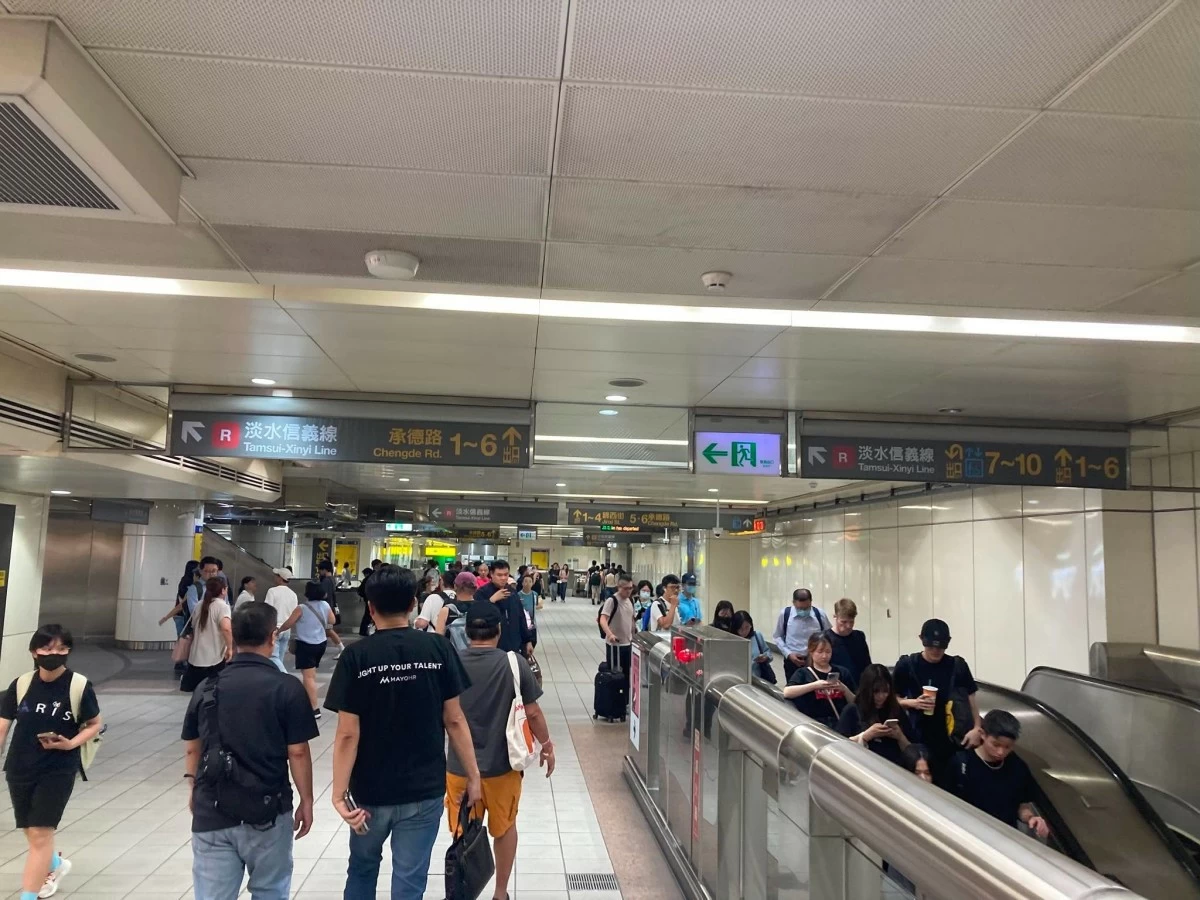
Taiwan’s MRT stations are quite convenient since most of the time, they’re placed exactly where it needs to be. It stops at areas that are guaranteed to have the most foot traffic. For our starting point, the St. Ignatius Plaza Station, it was located right below our hotel and in front of the school that takes its name from. Our goal was to get to the Shilin Night Market, some 5.8 kilometers away from our origin. We set off at 9:00 p.m., as there were no worries about taking the train so late at night since it runs until midnight, compared to ours, wherein a train at that hour would already be nearing its final trip on a weekend. To get around, you can purchase one of their EasyCards, similar to a Beep card, or use your debit or credit card. EasyCards can be bought at the station, but there are also cute designer cards with anime characters available at convenience stores. A basic EasyCard costs NT$100 (₱191) and still needs to be topped up.
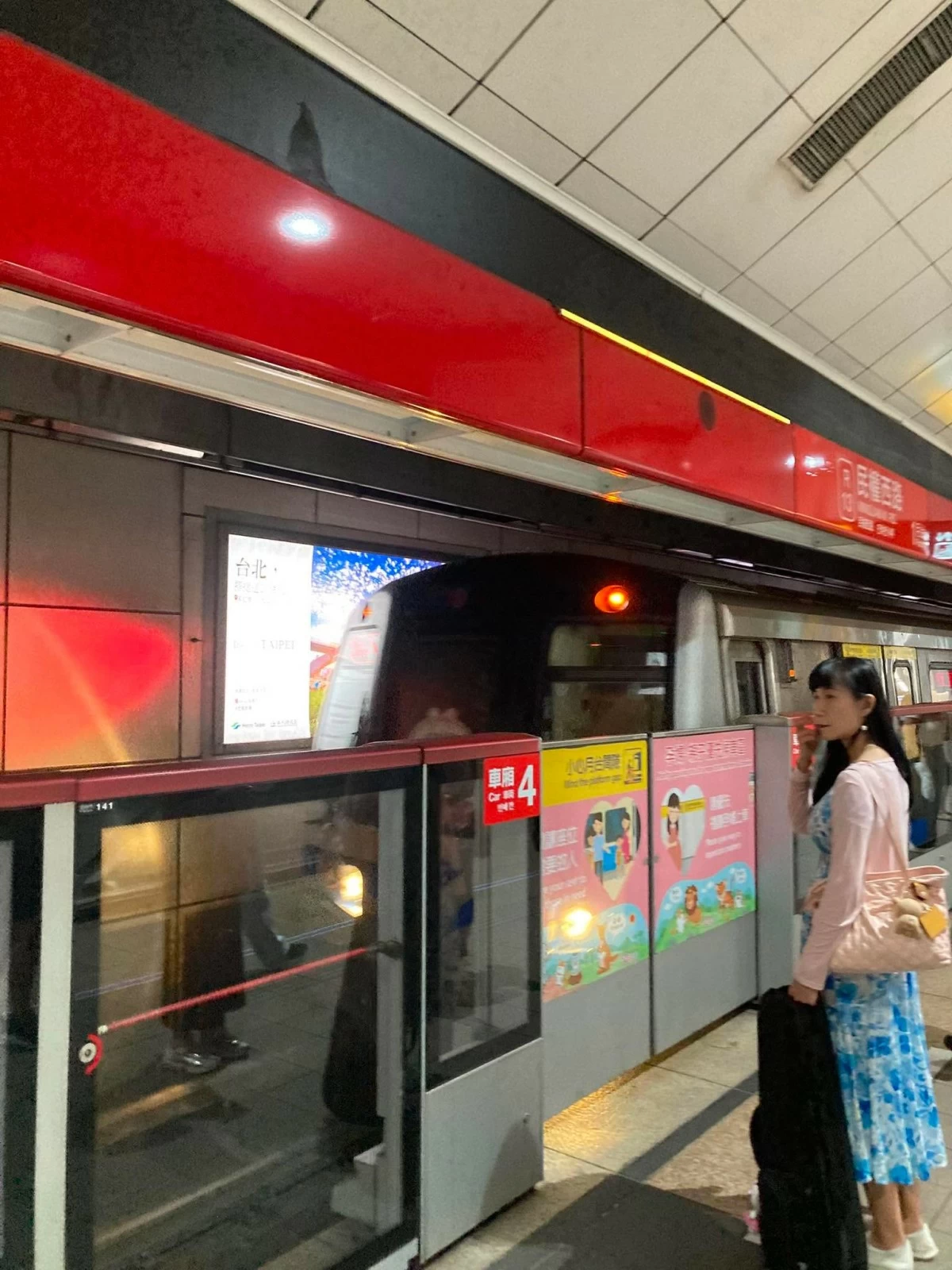
Another advantage Taiwan’s MRT has over ours is its punctuality. Trains arrive on the dot. If it says it’s three minutes away, you'd best stay where you are, as it won’t come any later. Getting on the train also feels safer due to the automated guardrails. Upon entry, you’ll find there are different types of seats to sit on. Seats for the elderly, pregnant women, persons with disability, and children are a darker shade. You’ll find most train rides are also a quiet kind, so keep your conversations hushed and don’t play loud reels or music on your phone. Another plus is how you’ll find it difficult to miss your station, as the announcements made per station are clear and concise.
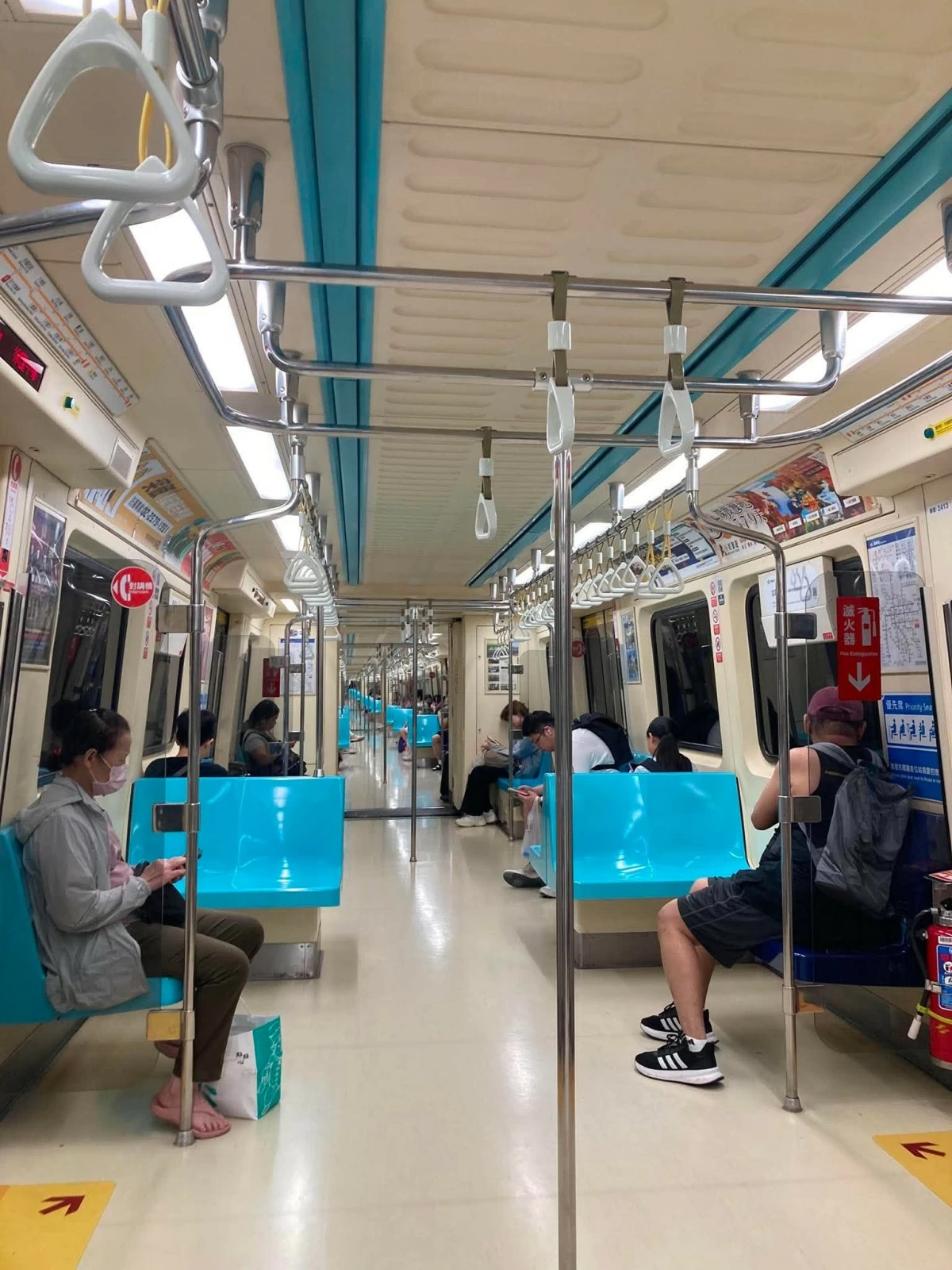
It’s clear from our visit to Taiwan how important a role public transportation plays when navigating around as a tourist. If we want our country to maximize tourists exploring the Metro, then we must ensure we are able to provide them a seamless public transportation experience as well. Improving this will not only help tourists, but also those of us who regularly commute as well.
Manila Bulletin Lifestyle’s trip to Taiwan was made possible through the Taiwan Tourism Administration and Vision Thai.