






Manila Bulletin
 Philippines
National
VP Duterte Impeachment Trial: Why isn't Zuleika Lopez automatically a 'hostile' witness?
Philippines
National
VP Duterte Impeachment Trial: Why isn't Zuleika Lopez automatically a 'hostile' witness?
Philippines
National
VP Duterte Impeachment Trial: Why isn't Zuleika Lopez automatically a 'hostile' witness?
VP Duterte Impeachment Trial: Why isn't Zuleika Lopez automatically a 'hostile' witness?
By Dhel Nazario
Published Jul 10, 2026 01:04 pm


At A Glance
- A witness is not automatically considered hostile just because he or she works for or is associated with the opposing party, according to impeachment court spokesperson Atty. Regie Tongol.
- The party presenting the witness must first file a motion asking the court to declare the witness hostile before it can use special rules allowed under the Rules of Court.
- Once declared hostile, the presenting party may ask leading questions and challenge the witness' credibility and testimony, privileges not ordinarily allowed with regular witnesses.
As the Senate impeachment court prepares to hear testimony from Vice President Sara Duterte's chief of staff, Atty. Zuleika Lopez next week, questions have emerged over whether a witness identified with the defense can be called by the prosecution—and if that automatically makes the witness "hostile."
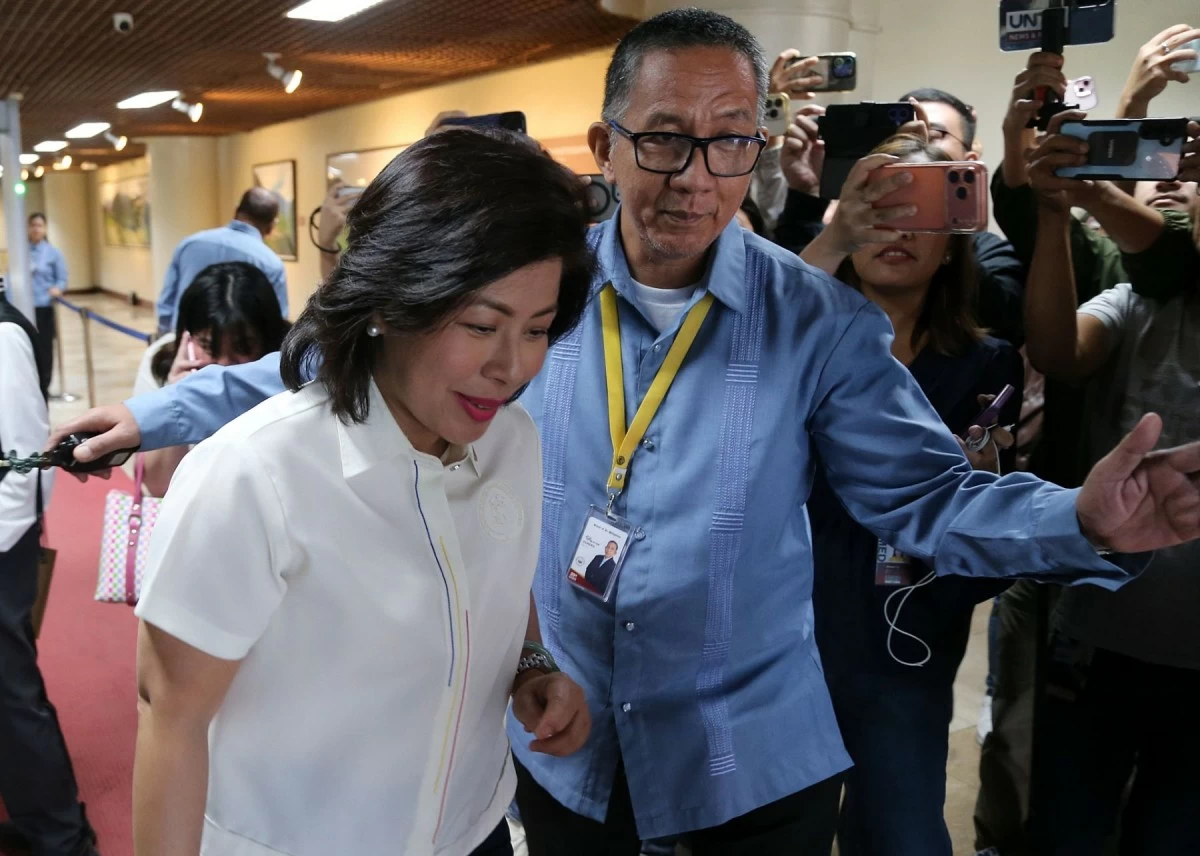
Atty. Zuleika Lopez, Chief of Staff of Vice President Sara Duterte, leaves the Senate of the Philippines in Pasay City on Thursday, July 9, 2026. The Senate impeachment court ordered the issuance of a subpoena directing Lopez to appear as a witness after both the prosecution and defense identified her testimony as material to the proceedings in the impeachment trial of the Vice President. (Mark Balmores)
The short answer, according to impeachment court spokesperson Atty. Regie Tongol, is no.
Tongol explained in a press briefing on Friday, July 10, that under the Rules of Court, a witness is not considered hostile simply because he or she works for or is closely associated with the opposing party.
"Hindi kasi puwedeng gumalaw ang korte nang walang motion sa either party na ideklara ang isang testigo na hostile (The court cannot act without a motion from either party to declare a witness hostile)," Tongol told reporters.
Instead, the party presenting the witness—in this case, the House prosecution panel—must first ask the court to declare the witness hostile.
What is a hostile witness?
In Philippine law, a hostile witness is a witness who is formally declared as such by the court after showing clear animosity, bias, or reluctance against the party that called them to testify.
This can be found in Rule 132, Section 13 of the 2019 Amendments to the Revised Rules on Evidence.
According to Tongol, once the court grants a motion declaring the witness hostile, the presenting party is given additional leeway during questioning.
Tongol said Rule 132, Section 12 of the Rules of Court allows the presenting party to ask leading questions—questions that suggest the answer—and to challenge or impeach the witness' credibility and testimony.
"So yan yung dalawang pribilehiyo na binibigay ng Rules of Court… kapag nadeklarang hostile yung kanyang testigo (So those are the two privileges granted by the Rules of Court… once a witness has been declared hostile)," he said.
Without such a declaration, the witness is treated like any ordinary witness under the rules of evidence.
When can a witness be declared hostile?
Tongol declined to speculate on whether the House prosecutors would seek to have Lopez declared a hostile witness, saying that decision rests solely with the prosecution.
"We do not want to preempt kung kailan gagawin yan ng prosecution or kung gagawin man ng prosecution kasi sila yung party na nagpapresenta kay Atty. Zuleika Lopez (We cannot preempt the prosecution as to when, or even if, they will move to do so, given that they are the party presenting Atty. Zuleika Lopez)," he said.
He noted, however, that based on courtroom practice, a motion may be made either before the witness takes the stand or after questioning has already begun.
The Senate impeachment court earlier granted the House prosecution's request to subpoena Lopez, who serves as Duterte's chief of staff, to testify in the impeachment trial. Whether prosecutors will seek to have her declared a hostile witness remains to be seen once she appears before the court.