







Value-adding: This Quezon farmer likes to make the most of her harvests
By Yvette Tan
Published Jul 10, 2026 12:05 am


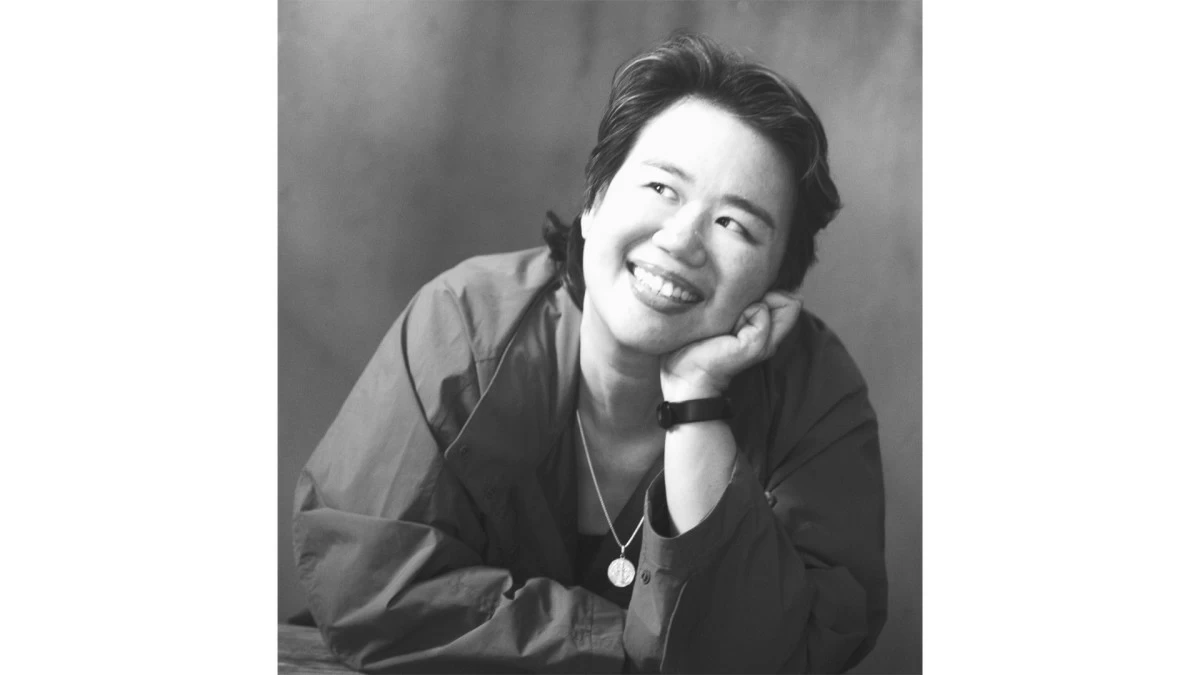
Earlier this year, I was in Guinyanggan, Quezon, on the invitation of Dr. Julian Gonsalves, Senior Asia Program Advisor at the International Institute for Rural Reconstruction (IIRR), an international organization focusing on rural development, where I was introduced to some of their farmer cooperators in various agricultural programs. The cooperator who impressed me the most was Maria Teresa Herrera, a tilapia grower under IIRR’s AQUADAPT project, established in 2023. With the support of the International Development Research Center (IDRC) and other partners, the program identifies the challenges and best practices of small-scale aquaculture and offers support.
“She was chosen to establish a farmer-level hatchery and grow-out fishpond,” AQUADAPT field researcher Rizza Mae Garay said in Tagalog. “She also grows crabs and vegetables and attended capacity-building programs like fish processing in cooperation with Central Luzon State University (CLSU). One of her products now being sold in the Guinayangan pasalubong center is Guinading, Guinayangan tilapia daing.”
Herrera has been growing tilapia in her four 200 sqm fishponds. “It’s helped because it’s given my father something to do at home, and it’s also extra income for our basic needs,” Herrera said in Tagalog. “My children are happy because my grandchildren learn responsibility when asked to help with the tilapia.”
As part of the program, Herrera was given around 6400 fingerlings to grow out. She was later given 2500 breeders to cultivate. The fish are sold at the market and to passers-by, while the undersized ones become Guinading.
The current president of the Farmers Federation of Guinayangan has always been enterprising. They also have a piggery and grow coconuts, coffee, mangoes, and bananas, and have developed products from plants around their farmland (not all of which they own). “We’re always joining programs like the DTI’s STEP-UP Entrepreneurship Development Program,” she said.
She got the idea to develop her backyard harvests into products after a friend from Canada told her, ‘Malunggay is life in Canada,” and asked if she had any herbal products to send. “I think she was looking for a way for the Filipino community there to support us.”
The products, which include herbal teas, chocolate candies, and coffee beans, are sold under the brand name Blester’s, a combination of the names of Herrera’s children.
Before working with IIRR, her father had already tried growing tilapia, but stopped because the fingerlings kept getting eaten by other fish that entered the ponds during floods, a problem Herrera still encounters, despite having built dams and dikes. They’ve harvested four times as of the interview, with each pond yielding around 50 kilos, way lower than the estimated 500. “Commercial feeds are expensive, so now we’re trying to feed them darak, soy, and azolla,” she said.
But Herrera isn’t giving up. “You can have fresh fish whenever you want,” she said when asked what she liked about growing tilapia. “My grandchildren have something to do other than spend time on their cellphones. Overharvests can be marinated and frozen, so we’re never out of food, or be sold for added income.”
She hopes to be able to put up a processing facility for her different ventures, particularly her chocolate confectionery, which has become a popular giveaway at birthdays and weddings. “I want a melanger and grinder because we do everything manually,” she said. “I also want to try producing tinapang tocino.”
For Teresa Herrera, farming presents many opportunities, and she is excited to claim them all.