






Manila Bulletin
 Property and Living
Property sector navigates through peaks and pressures in H1 of 2026
Property and Living
Property sector navigates through peaks and pressures in H1 of 2026
Property and Living
Property sector navigates through peaks and pressures in H1 of 2026
Property sector navigates through peaks and pressures in H1 of 2026
Leechiu Property Consultants presented recent developments across the property landscape in the early half of the year
Published Jul 10, 2026 01:46 pm


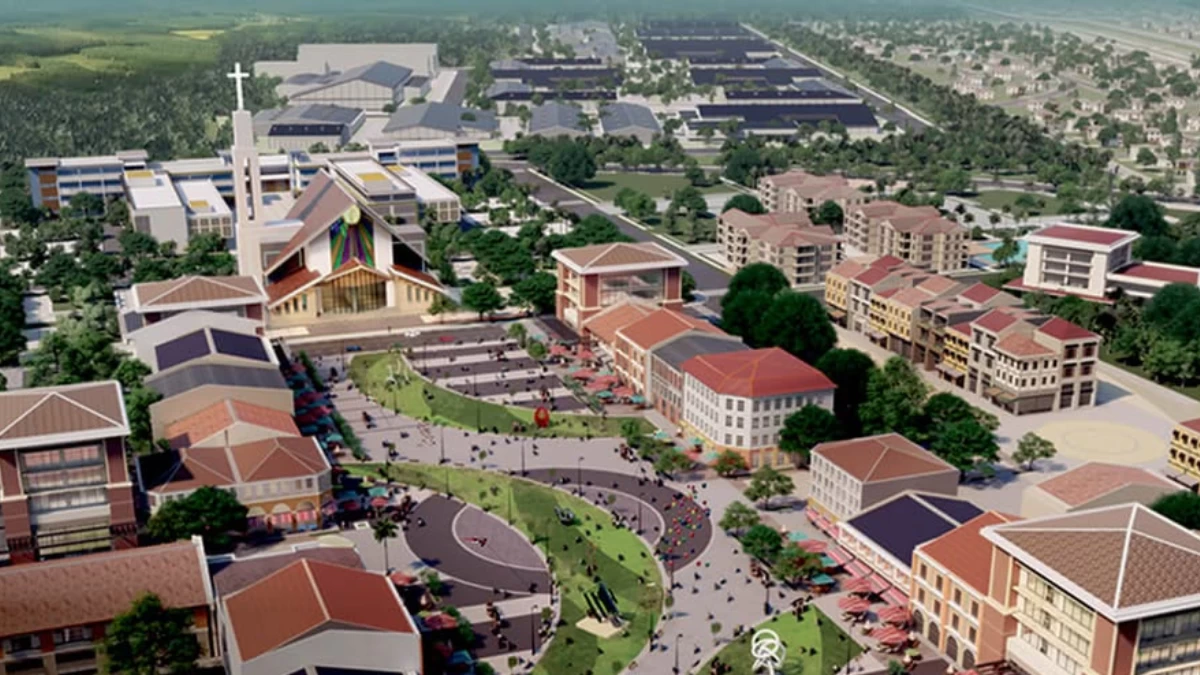
Located in Porac, Pampanga, Alvierra by Ayala Land is one of the residential projects in the growth corridor of Central Luzon. (Artist's perspective: Ayala Land)
While the headwinds brought by geopolitical uncertainties have affected Philippine real estate, the sector has shown resiliency, with growth tempering in the first half of 2026, as reported by Leechiu Property Consultants (LCP) in their latest property market briefing.
Despite global tensions, inflationary pressures, and affordability concerns, demand for residential condominiums in Metro Manila reached 7,255 units in the second quarter of the year, supported by end-user demand, housing demand, and financing support programs.
“Demand is still there, but people are being much more careful about where they put their money. Buyers are looking harder at value and affordability, while developers are taking a closer look at which projects to move forward with. The market continues to move, but caution remains a defining theme for both sides,” said Roy Golez, LCP director of Research and Consultancy.
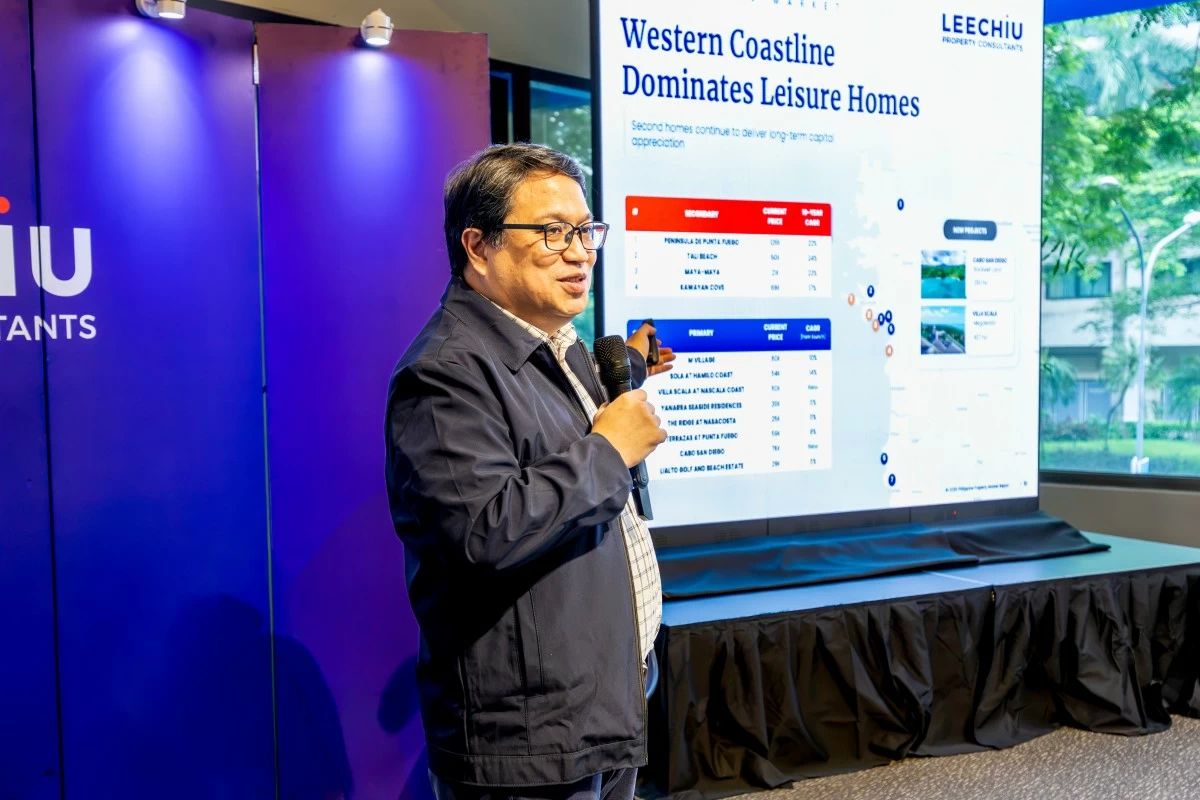
Roy Golez, director of Research and Consultancy, at Leechiu Property Consultants (Photo: Leechiu Property Consultants)
Available inventory reached an all-time high of 82,900 units across 616 actively selling buildings. While transactions continued during the quarter, new supply and cancellations outpaced absorption, preventing a substantial reduction in available stock. The upper mid and upscale segments still hold the majority of the unsold inventory.
Beyond Metro Manila, Cavite, Laguna, Bulacan, Pampanga, and major township developments continue to benefit from infrastructure investments, improved accessibility, and long-term population growth.
In Central Luzon, average land appreciation increased by 16 percent in Bulacan and 15 percent in Pampanga. Ayala Land’s Alvierra estate is now priced at ₱41,000 per sqm, and Rockwell Land’s The Samanean at Paradise Farms is priced at ₱43,000 per sqm.
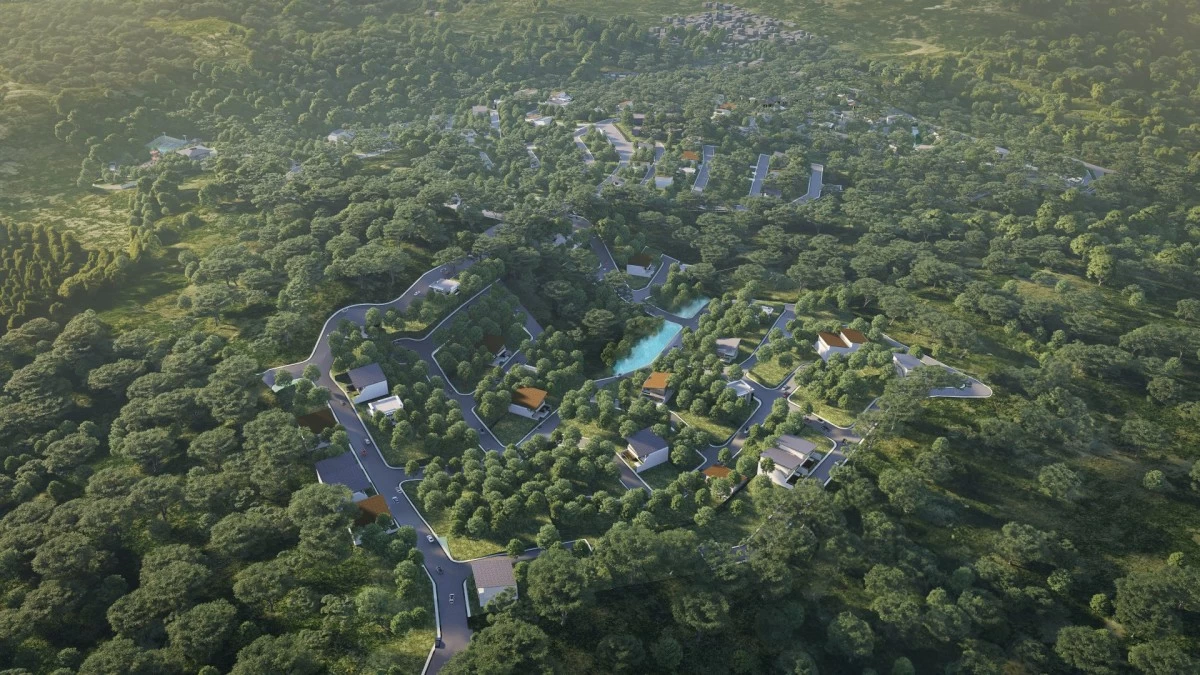
Rockwell Land positions The Samanean at Paradise Farms in San Jose Del Monte, Bulacan. (Photo: Rockwell Land)
In the office sector, demand declined 32 percent in the first half of the year compared to the same period in 2025 as geopolitical uncertainties affected the general sentiment of the industry. The active leasing pipeline stands at 353,000 sqm, primarily driven by the IT-BPM and government sectors.
Mikko Barranda, LCP director of Commercial Leasing, underscored that “for the first half of the year, there’s a dip in demand. While there’s a softening in numbers, it doesn’t mean the office sector is in a downward trajectory. Given all the uncertainties happening today, companies are more focused, more careful, and more discerning with decisions, especially for signing off on new office spaces.”
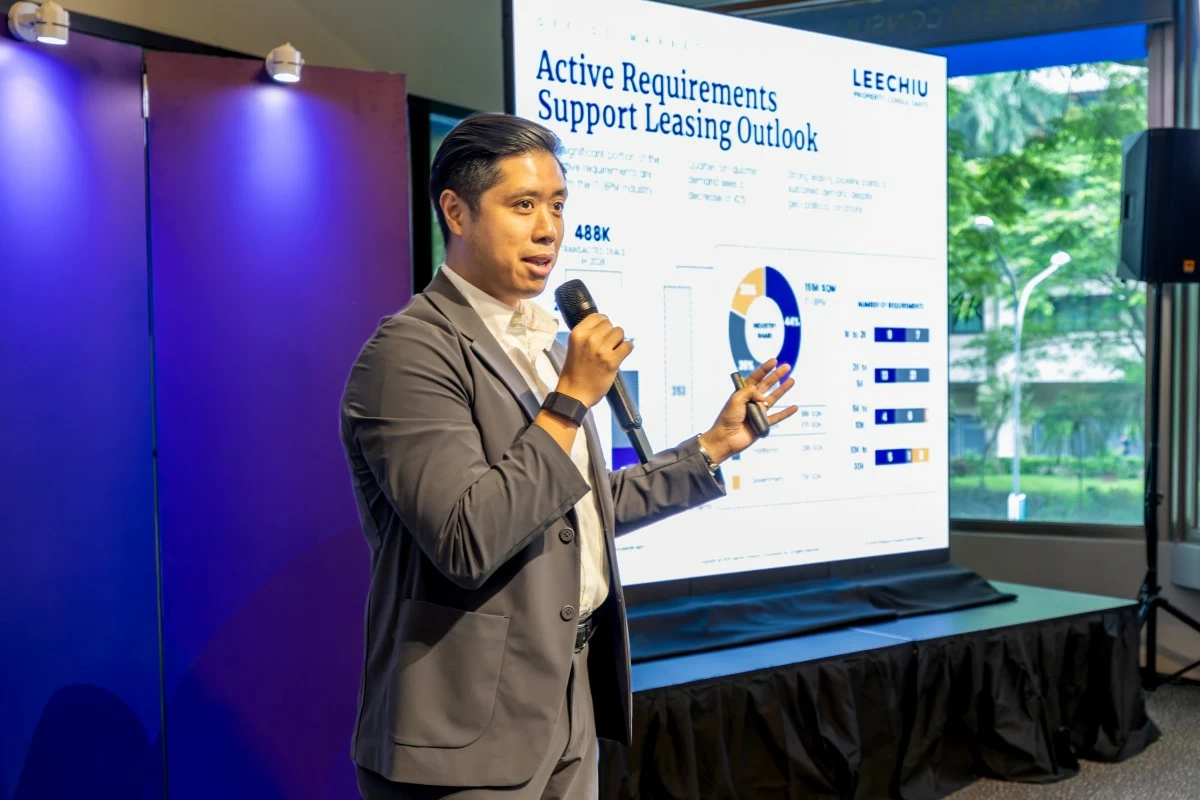
Mikko Barranda, director of Commercial Leasing, at Leechiu Property Consultants (Photo: Leechiu Property Consultants)
The active leasing pipeline stands at 353,000 sqm, primarily driven by the IT-BPM and government sectors, largely coming from the IT-BPM industry, specifically the global capability centers, followed by traditional companies and government offices.
Despite being the primary preference for large requirements, BGC has the least amount of available contiguous space, with just five buildings. The Bay Area has the highest number of buildings for leasing at 29, followed by Quezon City with 22, and Makati CBD with 14 buildings.
The bulk of transacted deals reach 488,000, mostly coming from Metro Manila (Makati, BGC, and Bay Area) at 83 percent and from provincial business districts (Cebu, Iloilo, and Clark) at 17 percent.
Metro Manila's office space vacancy rate is 18 percent of 2.8 million sqm. A total of 740,000 sqm is in the pipeline from 2026 to 2028. Outside the capital region, the provincial vacancy rate is 19 percent at 735,000 sqm, with 459,000 sqm expected to be added in the same period. BGC has the lowest vacancy rate at eight percent in Metro Manila, while Davao records the lowest provincial vacancy rate at four percent.
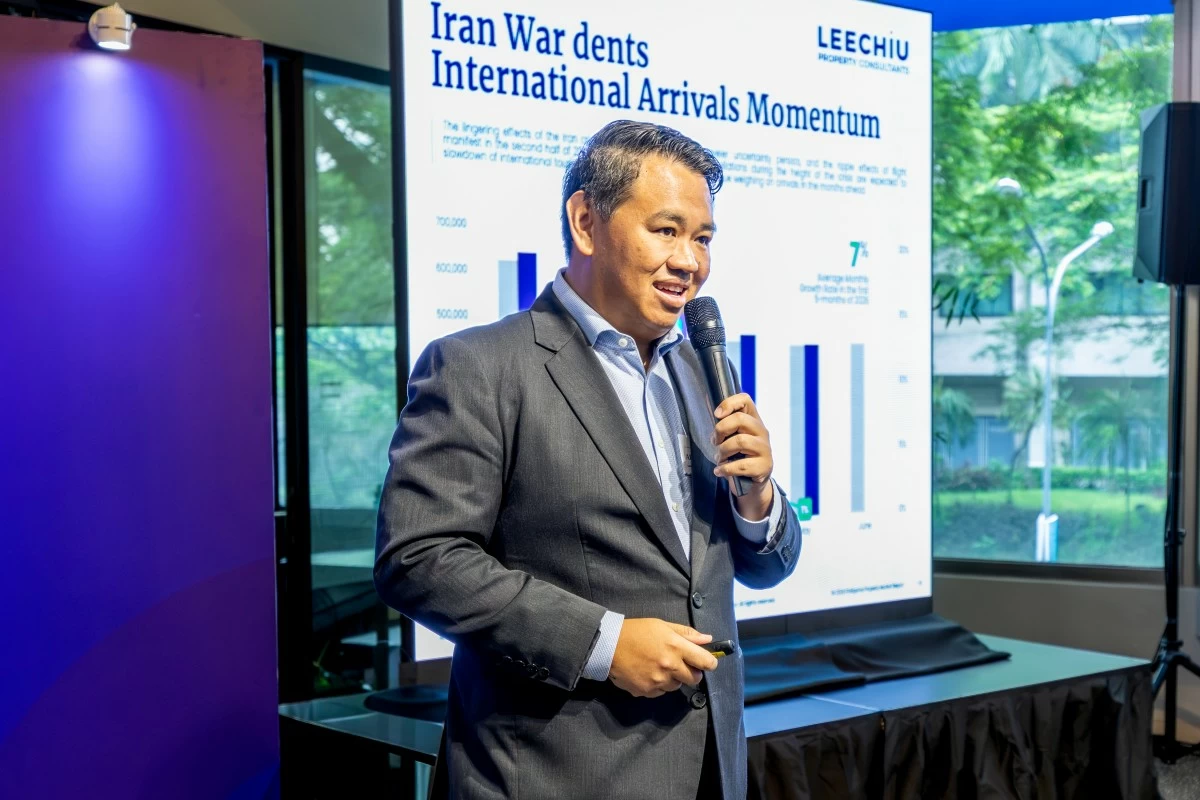
Alfred Lay, director of Hotels, Tourism, and Leisure at Leechiu Property Consultants (Photo: Leechiu Property Consultants)
The tourism sector recorded the highest number of arrivals at 2.74 million in the past five years, translating into 66 percent occupancy in the hospitality sector, driven by MICE activity and domestic tourism. However, the lingering effects of the Iran crisis are expected to weigh down arrivals in the coming months.
Alfred Lay, LCP director of Hotels, Tourism, and Leisure, said, “The first five months of 2026 delivered the strongest arrival performance in five years, with an 8 percent year-on-year increase. This reflects the resilience of Philippine tourism and its diversifying source base. The momentum from the first half gives us a comfortable lead over last year's overall performance, but we must remain prepared as the full effects of the global crisis have yet to be fully felt.”