ADVERTISEMENT

Pakistan questions legality of Philippine rice import curbs

Published Jul 10, 2026 02:45 pm
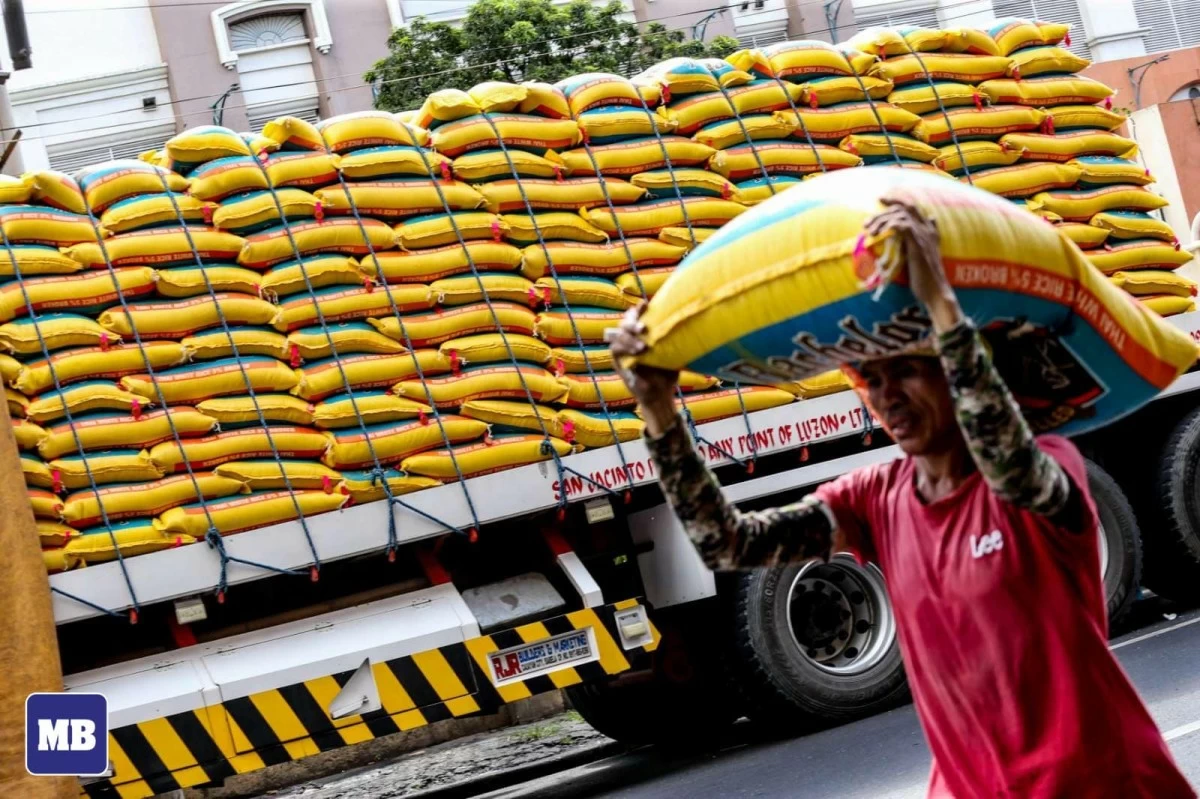
(Manila Bulletin file photo)
Pakistan, one of the Philippines’ top rice suppliers, has questioned whether the Philippine government is complying with global trade rules in its plan to impose safeguard measures to restrict rice imports and shield local farmers.
During the Tariff Commission’s (TC) preliminary conference on Friday, July 10, Pakistan Trade and Investment Officer Fareeha Khan stated that the basis for the Philippines’ safeguard investigation may breach rules established by the World Trade Organization (WTO).
Citing findings from the Department of Agriculture (DA), Khan said the Philippines has failed to establish grounds for “unforeseen developments” regarding the surge in rice imports.
Under Article 19 of the General Agreement on Tariffs and Trade (GATT) 1994, WTO members may apply safeguard measures when an import surge threatens to cause serious injury to a domestic industry, provided the influx stems from unforeseen developments.
“WTO has consistently affirmed that this is an essential legal requisite for the application of safeguard measures,” Khan said. “The investigation copy that we received does not establish the existence of the unforeseen developments required under Article 19 of the GATT 1994.”
The TC recently launched its probe to determine if a definitive safeguard measure on imported rice is warranted. The investigation follows a preliminary DA inquiry, which reportedly found a causal link between increased rice imports and serious injury to the domestic industry. The DA has not yet made those findings public.
Khan argued that the influx of imports into the Philippines was driven by deliberate government action rather than an unforeseen development.
“A reduction in the applied MFN (most-favored-nation) tariff from 35 percent to 15 percent was a deliberate policy decision of the Philippine government and cannot, by itself, constitute an unforeseen development,” she explained.
President Ferdinand Marcos Jr. issued Executive Order No. 62 in June 2024 to slash tariff rates on imported rice and other agricultural commodities to stabilize the domestic food supply. However, farmer groups contend that the tariff cuts triggered an influx of cheaper foreign rice, driving down local farmgate prices for palay (unmilled rice).
In 2024, the year the policy took effect, the country’s rice imports hit a record 4.81 million metric tons (MT), according to Bureau of Plant Industry (BPI) data.
That record is projected to fall this year as the country increasingly relies on foreign grain to offset lower domestic production. BPI data shows that rice imports already reached 2.75 million MT in the first half of the year.
Pakistan is the Philippines' fifth-largest rice supplier, accounting for 3,866 MT as of June 18. Vietnam remains the top supplier, with import volumes reaching 2.11 million MT.
During the same TC conference, the Trade Remedies Authority of Vietnam (TRAV) noted that any temporary or definitive safeguard measure “must fully satisfy all legal requirements” under GATT 1994.
TRAV also urged the commission to isolate any injury caused by imports from other market pressures, such as adverse weather conditions, rising production costs, domestic policies, and broader economic shifts.
“We respectfully encourage the commission to also consider the broader economic implications of any safeguard measure, including its impact on consumer food security, inflation, and overall market stability,” TRAV stated.
According to its tentative timeline, the TC aims to conclude its safeguard investigation by September. If it establishes a clear need for intervention, it will recommend that the DA implement relief measures.
Under Republic Act No. 8800, or the Safeguard Measures Act, the government can impose remedies such as additional tariffs or quantitative restrictions to support a struggling domestic industry.

Related Tags

Tariff Commission rice imports
ADVERTISEMENT
.most-popular .layout-ratio{ padding-bottom: 79.13%; } @media (min-width: 768px) and (max-width: 1024px) { .widget-title { font-size: 15px !important; } }

{{ articles_filter_1561_widget.title }}

.most-popular .layout-ratio{ padding-bottom: 79.13%; } @media (min-width: 768px) and (max-width: 1024px) { .widget-title { font-size: 15px !important; } }

{{ static_articles_1562_widget.title }}

.most-popular .layout-ratio{ padding-bottom: 79.13%; } @media (min-width: 768px) and (max-width: 1024px) { .widget-title { font-size: 15px !important; } }

{{ articles_filter_1563_widget.title }}

{{ articles_filter_1564_widget.title }}

.mb-article-details { position: relative; } .mb-article-details .article-body-preview, .mb-article-details .article-body-summary{ font-size: 17px; line-height: 30px; font-family: "Libre Caslon Text", serif; color: #000; } .mb-article-details .article-body-preview iframe , .mb-article-details .article-body-summary iframe{ width: 100%; margin: auto; } .read-more-background { background: linear-gradient(180deg, color(display-p3 1.000 1.000 1.000 / 0) 13.75%, color(display-p3 1.000 1.000 1.000 / 0.8) 30.79%, color(display-p3 1.000 1.000 1.000) 72.5%); position: absolute; height: 200px; width: 100%; bottom: 0; display: flex; justify-content: center; align-items: center; padding: 0; } .read-more-background a{ color: #000; } .read-more-btn { padding: 17px 45px; font-family: Inter; font-weight: 700; font-size: 18px; line-height: 16px; text-align: center; vertical-align: middle; border: 1px solid black; background-color: white; } .hidden { display: none; }
function initializeAllSwipers() { // Get all hidden inputs with cms_article_id document.querySelectorAll('[id^="cms_article_id_"]').forEach(function (input) { const cmsArticleId = input.value; const articleSelector = '#article-' + cmsArticleId + ' .body_images'; const swiperElement = document.querySelector(articleSelector); if (swiperElement && !swiperElement.classList.contains('swiper-initialized')) { new Swiper(articleSelector, { loop: true, pagination: false, navigation: { nextEl: '#article-' + cmsArticleId + ' .swiper-button-next', prevEl: '#article-' + cmsArticleId + ' .swiper-button-prev', }, }); } }); } setTimeout(initializeAllSwipers, 3000); const intersectionObserver = new IntersectionObserver( (entries) => { entries.forEach((entry) => { if (entry.isIntersecting) { const newUrl = entry.target.getAttribute("data-url"); if (newUrl) { history.pushState(null, null, newUrl); let article = entry.target; // Extract metadata const author = article.querySelector('.author-section').textContent.replace('By', '').trim(); const section = article.querySelector('.section-info ').textContent.replace(' ', ' '); const title = article.querySelector('.article-title h1').textContent; // Parse URL for Chartbeat path format const parsedUrl = new URL(newUrl, window.location.origin); const cleanUrl = parsedUrl.host + parsedUrl.pathname; // Update Chartbeat configuration if (typeof window._sf_async_config !== 'undefined') { window._sf_async_config.path = cleanUrl; window._sf_async_config.sections = section; window._sf_async_config.authors = author; } // Track virtual page view with Chartbeat if (typeof pSUPERFLY !== 'undefined' && typeof pSUPERFLY.virtualPage === 'function') { try { pSUPERFLY.virtualPage({ path: cleanUrl, title: title, sections: section, authors: author }); } catch (error) { console.error('ping error', error); } } // Optional: Update document title if (title && title !== document.title) { document.title = title; } } } }); }, { threshold: 0.1 } ); function showArticleBody(button) { const article = button.closest("article"); const summary = article.querySelector(".article-body-summary"); const body = article.querySelector(".article-body-preview"); const readMoreSection = article.querySelector(".read-more-background"); // Hide summary and read-more section summary.style.display = "none"; readMoreSection.style.display = "none"; // Show the full article body body.classList.remove("hidden"); } document.addEventListener("DOMContentLoaded", () => { let loadCount = 0; // Track how many times articles are loaded const offset = [1, 2, 3, 4, 5, 6, 7, 8, 9, 10]; // Offset values const currentUrl = window.location.pathname.substring(1); let isLoading = false; // Prevent multiple calls if (!currentUrl) { console.log("Current URL is invalid."); return; } const sentinel = document.getElementById("load-more-sentinel"); if (!sentinel) { console.log("Sentinel element not found."); return; } function isSentinelVisible() { const rect = sentinel.getBoundingClientRect(); return ( rect.top < window.innerHeight && rect.bottom >= 0 ); } function onScroll() { if (isLoading) return; if (isSentinelVisible()) { if (loadCount >= offset.length) { console.log("Maximum load attempts reached."); window.removeEventListener("scroll", onScroll); return; } isLoading = true; const currentOffset = offset[loadCount]; window.loadMoreItems().then(() => { let article = document.querySelector('#widget_1690 > div:nth-last-of-type(2) article'); intersectionObserver.observe(article) loadCount++; }).catch(error => { console.error("Error loading more items:", error); }).finally(() => { isLoading = false; }); } } window.addEventListener("scroll", onScroll); });

Sign up by email to receive news.